Polish Citizenship for Foreigners: Recognition Routes and the B1 Rule
Short answer: Poland recognises foreigners as citizens after 3 years on a permanent residence title (2 years if married 3+ years to a Pole, 1 year via Polish origin), or after 10 years of legal residence. B1 Polish is required; the President may also grant citizenship at his discretion.

After years on temporary and then permanent residence, many expats ask the final question: can I become Polish? The Polish Citizenship Act (consolidated text: Journal of Laws 2025, item 1611) gives two doors - a rule-based "recognition" by the voivode and a discretionary grant by the President. As of October 14, 2026, these are the rules.
Two doors into citizenship
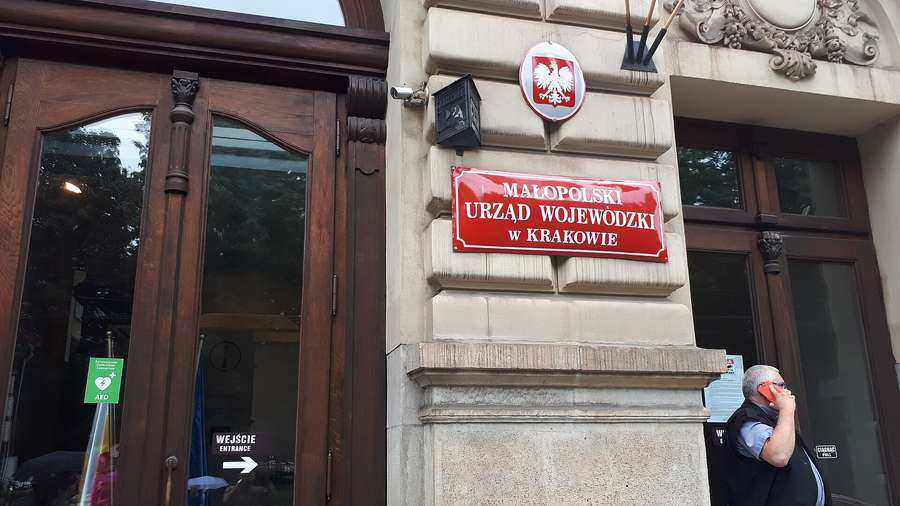
Recognition (uznanie za obywatela polskiego) is the standard route: if you meet the conditions in Article 30, the voivode of your province must recognise you as a citizen. It is rule-based, not discretionary.
The presidential grant (nadanie obywatelstwa) is the second door: under Article 18, the President of Poland may grant citizenship to any foreigner, on application, with no statutory conditions. It is fully discretionary - used for people who do not fit the recognition routes, and for exceptional cases. Applications go through the voivode or a consul to the Chancellery of the President.
The recognition routes
Article 30(1) lists seven ways to be recognised. The ones that matter to most expats:
- 3 years of uninterrupted residence on a permanent residence permit, EU long-term resident permit or permanent right of residence, plus a stable and regular source of income in Poland and a legal title to your home.
- 2 years of uninterrupted residence on one of those permanent titles, plus at least 3 years of marriage to a Polish citizen - or being stateless.
- 2 years of uninterrupted residence on a permanent permit obtained in connection with refugee status granted in Poland.
- 10 years of uninterrupted legal residence in total, plus a permanent title, a stable income and a legal title to your home.
- 1 year on a permanent permit obtained because of Polish origin or the Karta Polaka.
- Two further routes cover minor children with a Polish-citizen parent or a parent whose citizenship was restored.
Note the architecture: in almost every route you must first hold a permanent title. The years on temporary residence count only toward the 10-year route. Our guides to permanent residence and the EU long-term resident permit explain how to get there.
The B1 language rule
Recognition requires Polish at B1 level (Article 30(2)). You prove it with:
- the official state certificate in Polish as a foreign language (the certyfikat B1 exam run under the Polish Language Act), or
- a diploma of a school in Poland, or a school abroad with Polish as the language of instruction.
A post-secondary school (szkola policealna) diploma does not count (Article 30(2a)). The exemption applies only to the minor-child routes. The presidential grant has no statutory language condition, though knowledge of Polish weighs in practice.
What "uninterrupted" means
Absences can break your qualifying years. Under the foreigners act rule that Article 30 imports, your stay counts as uninterrupted only if no single absence exceeded 6 months and all absences together did not exceed 10 months in the qualifying period - with exceptions, among others, for work assignments abroad. Long trips home can quietly reset the clock.
Dual citizenship and losing it
Polish law does not require you to give up your current citizenship, and Poland treats its citizens exclusively as Polish while on Polish soil. The Act contains no loss mechanism for naturalised citizens who keep another passport: under Article 46, Polish citizenship is lost only by personal renunciation, and even that requires the President's consent. Your other country's rules are a separate question - some states do not allow dual nationality.
Practical notes
- The recognition application goes to the voivode where you live (Article 34); the voivode consults the police and the Internal Security Agency before deciding (Article 36(2)).
- Refusal grounds are narrow: not meeting the Article 30 conditions, or a defence/public-security objection (Article 31).
- Recognition covers your minor children only in the cases the Act names - check the rules if you apply with family.
Frequently asked questions
### How long does it take to get Polish citizenship through residence?
The shortest recognition route needs 3 years of uninterrupted residence on a permanent title plus stable income and a home. Married to a Polish citizen, 2 years on a permanent title plus 3 years of marriage. The long route is 10 years of legal residence. All routes except the presidential grant require B1 Polish.
Does Poland allow dual citizenship?
In practice, yes. Polish law does not require renouncing another citizenship, and Polish citizenship is lost only through personal renunciation with the President's consent (Article 46). Check whether your other country permits dual nationality.
What Polish level do I need for citizenship?
B1, proven by the official state certificate exam or a Polish-school diploma. A post-secondary school diploma does not qualify. The language requirement does not apply to the presidential grant route.
Who grants Polish citizenship in Poland?
The voivode recognises citizens under the rule-based routes of Article 30; the President of Poland may grant citizenship to any foreigner at his discretion under Article 18.