Confirming Polish Citizenship by Descent: How It Works (2026)
Short answer: If you have a Polish parent or ancestor but no Polish documents, you can ask a voivode - directly in Poland or through a Polish consulate abroad - for a decision confirming possession or loss of Polish citizenship. In Poland the stamp duty is PLN 277 and the office has up to 6 months.
What a confirmation decision is
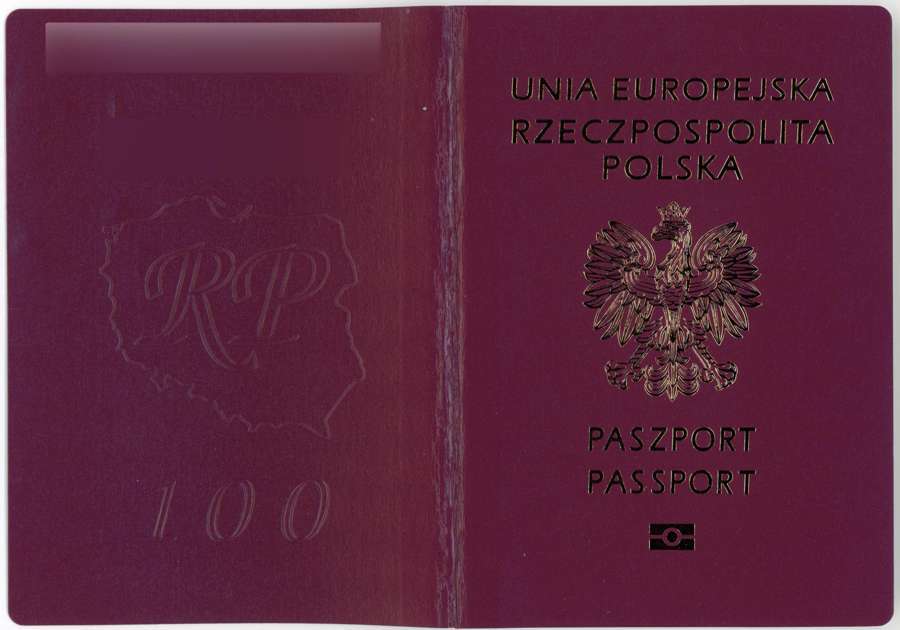
Polish citizenship passes by descent: under the Polish Citizenship Act of 2 April 2009, a child acquires Polish citizenship by law if at least one parent is a Polish citizen, no matter where the child is born. For many people with Polish parents, grandparents or earlier ancestors, that means they may already be Polish citizens without ever having held a Polish document.
The catch is proof. A valid Polish passport or national ID card is the standard way to show you are a citizen. If you have never had either, or your personal data and citizenship cannot be established from existing records, you can apply for a formal administrative decision confirming possession - or loss - of Polish citizenship. In Polish the procedure is called "potwierdzenie posiadania lub utraty obywatelstwa polskiego". It is a declaratory decision: it confirms a legal status, it does not grant citizenship. Naturalisation, recognition and grants by the President of Poland are separate procedures for people who do not already hold citizenship.
This distinction matters for expectations. If your case is strong, the decision documents what has been true since birth. If the office finds that an ancestor lost Polish citizenship under the rules in force at the time - the historical rules on loss changed several times across the 1920, 1951, 1962 and 2009 acts - the decision will confirm the loss instead, which closes the descent route. As of October 2026 the procedure below reflects the current guidance published on gov.pl.
Who should apply
The procedure serves several typical situations:
- You were born abroad to a Polish parent and never held a Polish passport or ID card.
- You claim citizenship through grandparents or earlier ancestors and need the decision as the foundation for a first Polish passport application.
- You need a decision about a third person - for example a deceased ancestor - because it is required in another proceeding, such as an inheritance case; in that situation you must document your legal interest, for example with a summons from a court.
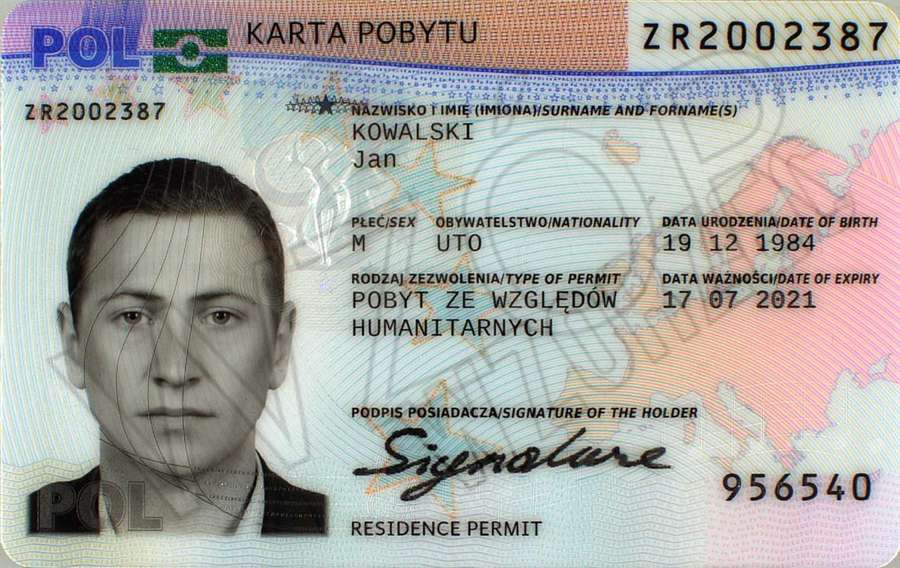
- Your Polish documents are so old or inconsistent (changed names, different spellings) that the authorities cannot determine your data from them.
If you already hold a valid Polish passport or ID card, you do not need this procedure - those documents confirm citizenship on their own.
Where to apply: in Poland or through a consulate
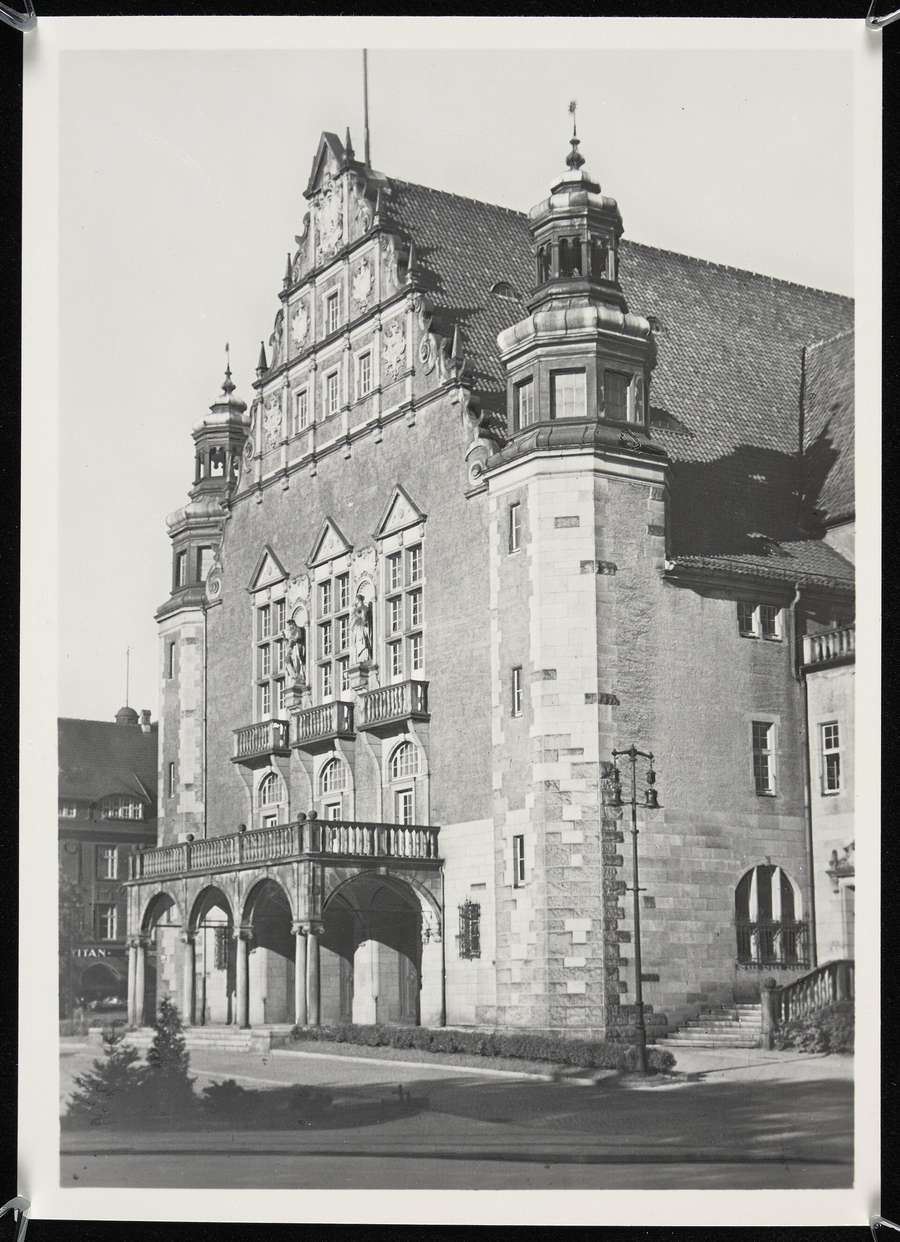
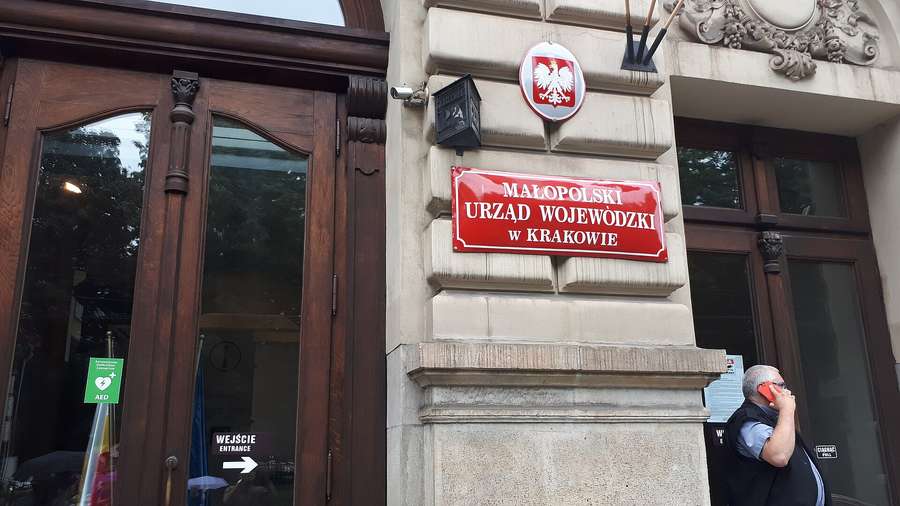
In Poland, the application goes to the voivode (province governor) competent for the case, typically through the citizenship section of the voivodeship office. According to the Opole Voivodeship Office's published service card, files are handled by the Department of Citizenship and Foreigners' Affairs, by prior appointment.
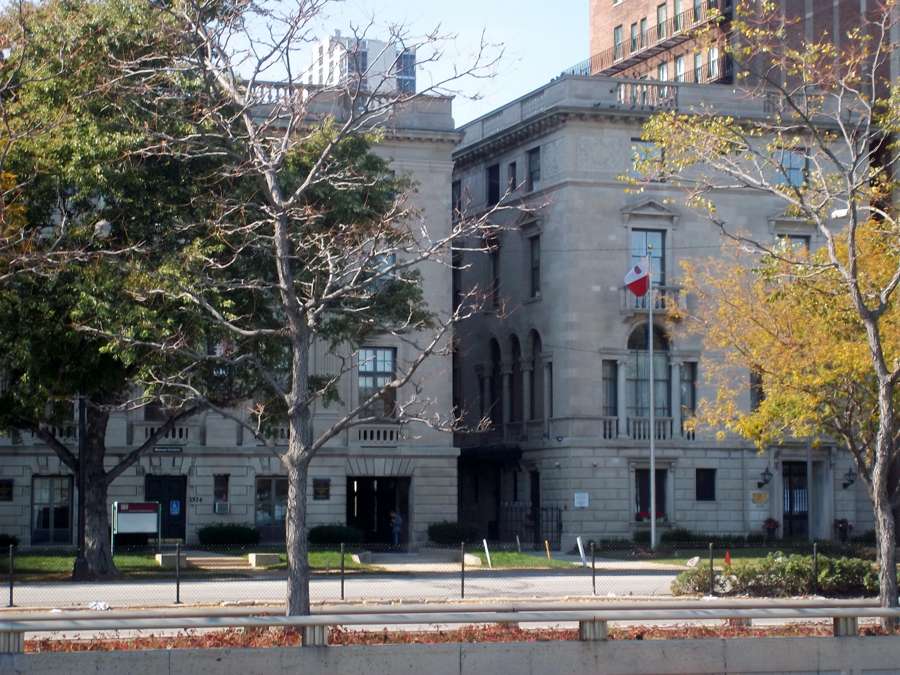
Abroad, you apply through the Polish consular post for your place of residence, and the consul forwards the file to the competent voivode in Poland. The consular guidance for the United States confirms that you can submit the documents in person or by mail, and that appointments are booked through the e-konsulat system. When you file, you can also ask the consul to send the decision to an address of your choice rather than collecting it in person.
One rule trips up applicants with no address in Poland or another EU country: if you are not acting through an attorney or a Polish consul, you must appoint a correspondence proxy in Poland - a person who will receive letters for you. If you do not, official letters are left in the case file with the same legal effect as delivery, and deadlines can start running without you ever seeing the letter.
Documents you will need
The core of every file is the application form, which must be completed in Polish only, plus evidence of the family's Polish origin. Based on the official checklists published by the voivodeship office and the consular service, expect to gather:
- the completed application form for confirmation of possession or loss of Polish citizenship,
- a valid identity document (passport or ID card), presented for inspection,
- if you were born outside Poland, a full birth certificate showing your parents' names,
- civil status records for you and the ancestors in the citizenship line: birth, marriage and death certificates, plus documents confirming any change of name,
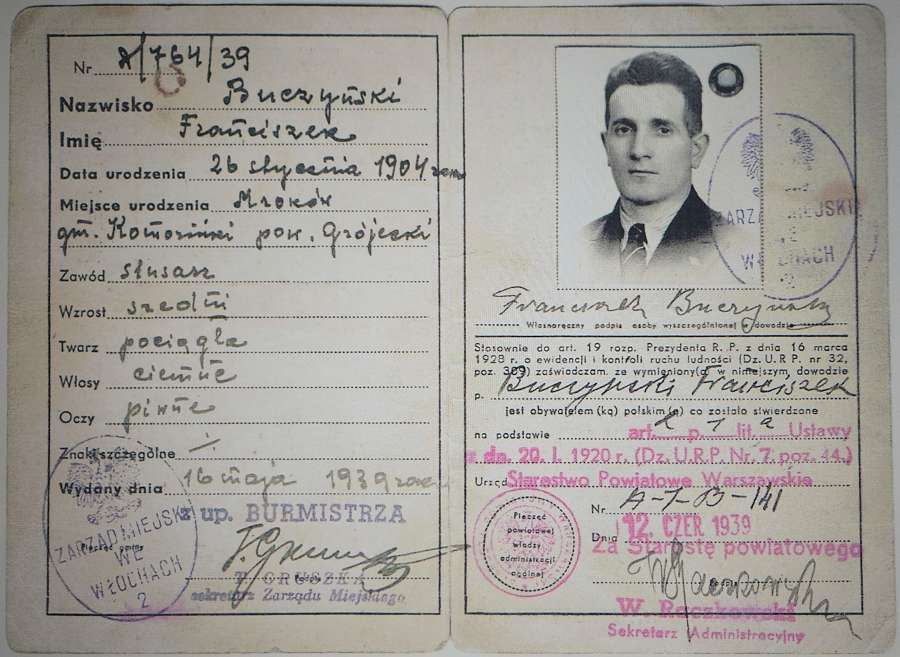
- documents proving the Polish origin of parents or grandparents: old Polish passports or ID cards, citizenship certificates, military service books, or documents showing the acquisition of foreign citizenship or the loss of Polish citizenship,
- a marriage certificate or other record confirming your marital status,
- proof of payment of the stamp duty,
- if you act through a representative, a power of attorney.
Formal requirements for foreign documents are strict. Copies must be certified as true copies of the originals - by a Polish consul, a notary, or a professional representative such as an attorney or legal adviser; at the voivodeship office the accepting clerk can also certify copies against originals you present. Documents issued in a foreign language must be translated into Polish by a sworn translator or a Polish consul. For documents from other EU countries, a multilingual standard form issued under Regulation (EU) 2016/1191 can replace a translation. Documents from countries party to the 1961 Hague Convention need an apostille; documents from other countries must be legalised by a Polish consul.
Foreign civil status records may also need to be transcribed into a Polish civil registry ("umiejscowienie") before the office will rely on them - budget extra time for that step.
Fees and waiting time
As of October 2026, the Opole Voivodeship Office lists the stamp duty for the confirmation decision at PLN 277, payable promptly, with the original payment confirmation attached to the application. A power of attorney carries an additional PLN 17 stamp duty (a proxy appointed only to receive correspondence is exempt).
Through a consulate, consular fees apply instead of stamp duty. The US consular service lists the fee for this application at 118 USD; other posts publish their own consular fee tables, so check your local consulate's page before filing.
On timing, the voivodeship office states the case will be settled within no more than 6 months. That clock excludes legally defined pauses - the time other bodies take to issue opinions, periods when the proceeding is suspended, and delays caused by the applicant. The office can also request additional information and documents during the case, and complex descent files with gaps in the archive record routinely need them.
If the decision is negative
You can appeal to the Minister of the Interior and Administration, filing through the voivode that issued the decision, within 14 days of the decision being delivered. After a final positive decision, the standard next step in practice is applying for a Polish passport - at a voivodeship office in Poland or at a consulate abroad - using the decision as the proof of citizenship that had been missing.
How much does it cost to confirm Polish citizenship?
In Poland, the stamp duty for the decision is PLN 277, plus PLN 17 if you file through an attorney (as of October 2026). Through a Polish consulate you pay the consular fee instead - for example 118 USD at Polish posts in the United States. Sworn translations and apostilles are extra and depend on your documents.
How long does the confirmation procedure take?
The voivodeship office's published term is no more than 6 months, not counting opinion-gathering, suspensions and applicant-side delays. Files that need archive searches or transcription of foreign civil status records can take longer.
Can I apply for confirmation of Polish citizenship from abroad?
Yes. You file through the Polish consulate for your place of residence - in person or by mail - and the consul forwards the case to the competent voivode in Poland. If you have no address in Poland or the EU and no attorney or consul acting for you, you must appoint a correspondence proxy in Poland.
Does confirming citizenship make me a Polish citizen?
No. The decision is declaratory: it confirms that you are (or are not) already a citizen, usually by descent. People who have never held Polish citizenship use different procedures - recognition as a Polish citizen or a grant by the President of Poland.
* Photo: Alanscottwalker, Wikimedia Commons, CC BY-SA 3.0
Frequently asked questions
How much does it cost to confirm Polish citizenship?
In Poland, the stamp duty for the decision is PLN 277, plus PLN 17 if you file through an attorney (as of October 2026). Through a Polish consulate you pay the consular fee instead - for example 118 USD at Polish posts in the United States. Sworn translations and apostilles are extra and depend on your documents.
How long does the confirmation procedure take?
The voivodeship office's published term is no more than 6 months, not counting opinion-gathering, suspensions and applicant-side delays. Files that need archive searches or transcription of foreign civil status records can take longer.
Can I apply for confirmation of Polish citizenship from abroad?
Yes. You file through the Polish consulate for your place of residence - in person or by mail - and the consul forwards the case to the competent voivode in Poland. If you have no address in Poland or the EU and no attorney or consul acting for you, you must appoint a correspondence proxy in Poland.
Does confirming citizenship make me a Polish citizen?
No. The decision is declaratory: it confirms that you are (or are not) already a citizen, usually by descent. People who have never held Polish citizenship use different procedures - recognition as a Polish citizen or a grant by the President of Poland.