Developer flat prices in Poland: new data rules from 11 Nov 2026
Short answer: From 11 November 2026 Polish developers must send daily flat price data to the open data portal in a structure set by the digital affairs minister. Buyers keep the right to the most favourable price if the website and contract differ.
Buying a new flat from a developer in Poland is easier to compare when prices are public. Since July 2025 developers have had to publish flat prices on their own website and send them every day to a government open data portal. A short act signed in August 2026 changes one detail of this system: from 11 November 2026 the data must be sent in a fixed electronic structure. This article explains what the law says, what changes for a buyer, and what does not. It is based on the text of the Developer Act (consolidated, Dz. U. 2026 poz. 880) and the amending act of 17 July 2026 (Dz. U. 2026 poz. 1077). The status of the implementing regulation comes from a secondary source and is labelled as such.
What developers must publish now
Article 19a of the Act on the protection of the rights of a buyer of a residential unit or single-family house and on the Developer Guarantee Fund requires a developer to run its own website. From the start of sales, and until the last transfer of rights under the last contract in the project, the site must show the general part of the information prospectus, the address of the developer's seat, the address of the sales office, how to contact the developer and the location of the project.
It must also show prices, including VAT: the price per square metre of usable area of each flat or house offered, the price of ancillary rooms (such as a storage room) or necessary rights if they are not already in the price, and any other payments the buyer has to make to the developer under the contract that transfers ownership.
When a price changes, the developer must update the website from the day of the change, give the date of the change and keep the earlier information from the start of sales. So the website must hold a price history, not only today's price. In adverts, notices and sales offers aimed at buyers, the developer must state the web address where this information is.
Your rights as a buyer
Article 19a also sets two consequences. If the price shown on the website differs from the price offered when the contract is signed, the buyer may demand a contract at the price most favourable to the buyer. And breaking these duties counts as a practice infringing the collective interests of consumers under the competition and consumer protection act.
Separately, the act requires the developer to give an interested person the information prospectus with its annexes before a development contract or a reservation contract is signed. The developer delivers it free of charge on a durable medium, and on request must also make it available on paper at its premises if it was handed over only on a non-paper medium.
The daily data feed
Article 19b requires the entities that must publish these prices to send the data to the minister responsible for digitalisation once a day. The minister publishes it on the open data portal, and the act classifies it as high-value data. Failing to send the data is also a practice infringing collective consumer interests.
This is the part that changes. The act of 17 July 2026 amends only article 19b. Data must be sent as an electronic document in line with a data structure set by the minister. The minister will set that structure by regulation, with the aim of uniform presentation on the data portal and interoperability of data exchange. The minister will also put model electronic documents on the portal.
The act was published in the Journal of Laws on 10 August 2026 and enters into force three months after publication. That gives 11 November 2026 (calculated from the publication date, and the same date is given by the Jawno guide cited below). The text has no transitional provisions.
What it means if you are buying
For a buyer the rights above do not change. The developer's website duties and the right to the most favourable price are in article 19a, which this act does not touch. What changes is how the developer sends the data to the portal. The aim, in the legal text, is that data from different developers can be compared and processed in the same way.
The regulation that sets the structure is the missing piece. According to the Jawno guide (published 13 October 2026, a secondary source), a draft regulation of the Minister of Digital Affairs on the structure of the data was published on the government legislation site on 28 September 2026 and, as at 7 October 2026, had not been published in the Journal of Laws. Jawno also says the draft lists 57 fields in 10 groups and does not include floor area, floor, number of rooms or unit status. That is Jawno's description of a draft and the final text may differ. I did not check the draft itself, so treat those details as unconfirmed.
Practical advice follows from the act itself:
Check the developer's own website for the price per square metre, the price of any storage room or parking right, and the history of price changes. Ask for the information prospectus before you sign anything, including a reservation contract.
Save a screenshot of the price page with the date before you reserve. If the contract price is higher than the published price, the act gives you the right to ask for the price most favourable to you.
If a developer does not show the web address of the price page in its adverts, or does not keep the price history, that is an infringement of the act, and the act treats it as a practice infringing collective consumer interests.
Remember that the rules cover developers who sell to consumers under the Developer Act. They do not cover a private person selling a flat on the secondary market.
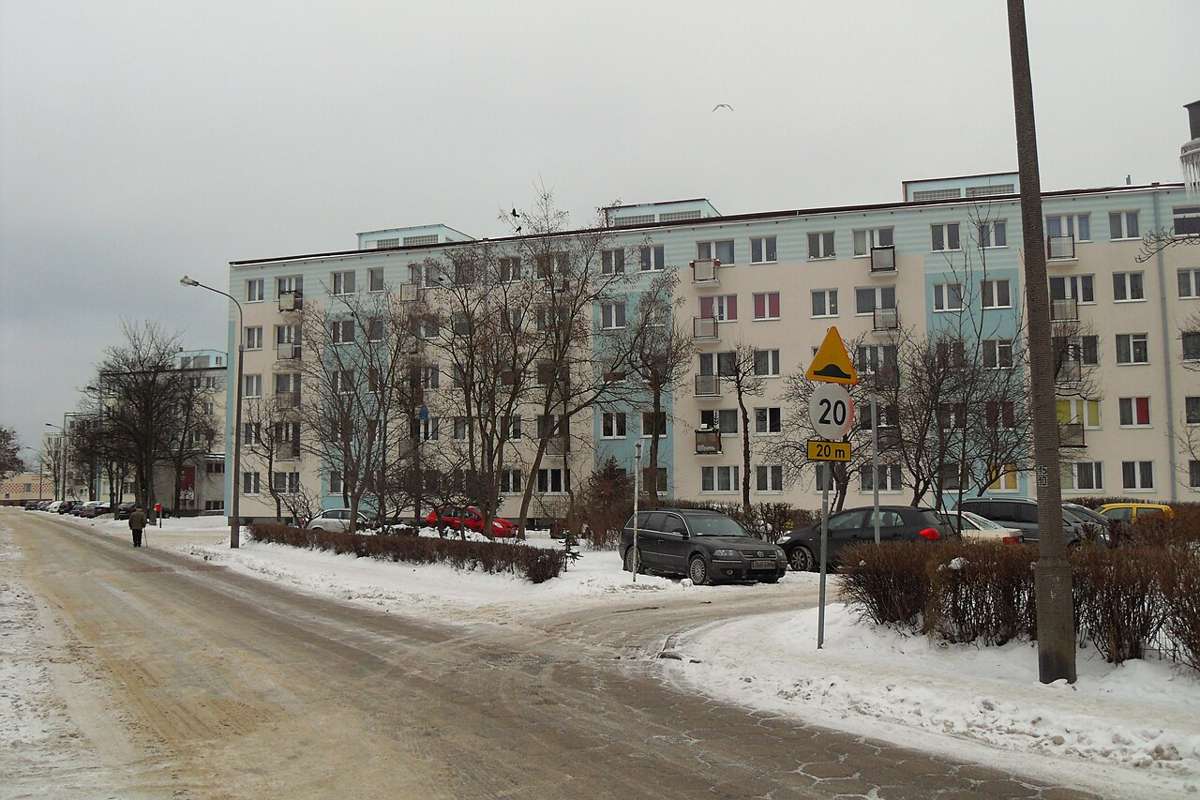
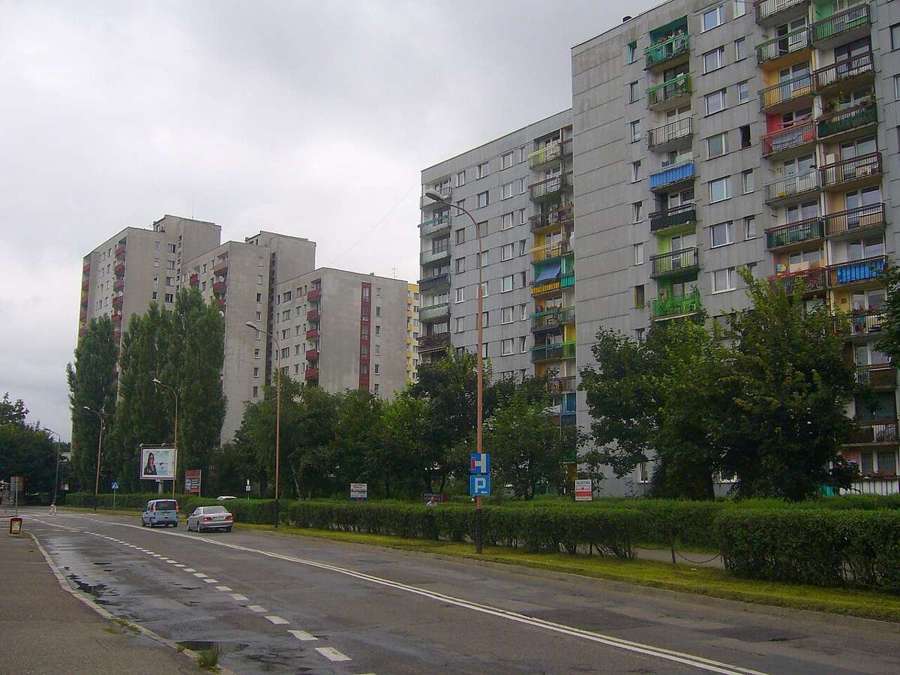
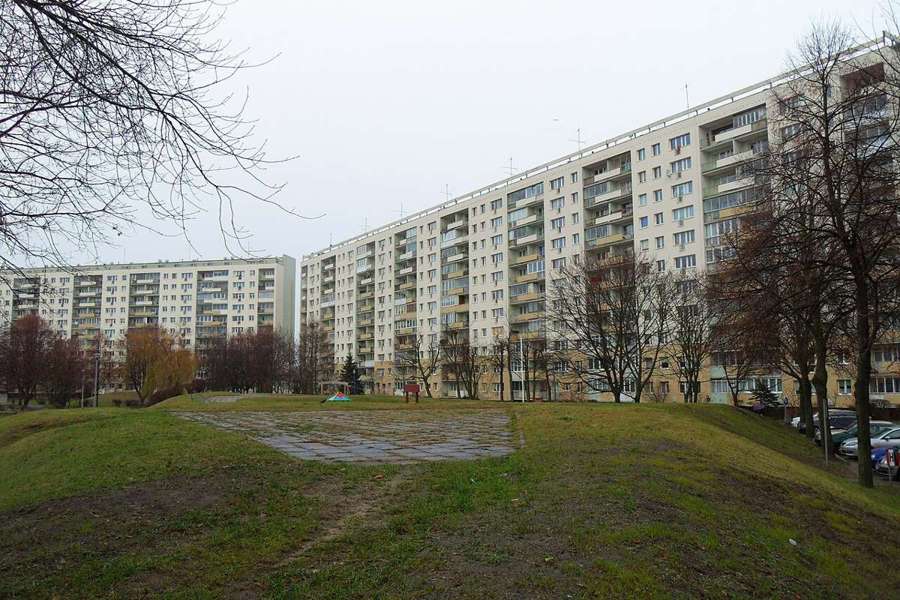
* Photos: Residential buildings in Gdansk, both CC0, Wikimedia Commons. Illustrative, not a statement about any developer.
Frequently asked questions
When do the new rules for developer price data start?
The amending act (Dz. U. 2026 poz. 1077) enters into force three months after its publication on 10 August 2026, which gives 11 November 2026. It changes how data is sent to the minister, not what buyers see on the developer's website.
Can I demand the lower price if the website and the contract differ?
Yes. Under article 19a of the Developer Act, if the price on the website differs from the price offered at signing, the buyer may demand a contract at the price most favourable to the buyer.
Does this apply to flats bought on the secondary market?
No. The duties are in the Developer Act and apply to developers selling to buyers under that act, not to private sellers.