CO and smoke detectors in Poland: 2030 duty, chimney checks, heating
Short answer: Detectors become mandatory in existing homes from 1 January 2030, but PSP urges installing them now. Owners must have chimneys and gas installations checked yearly, with the record filed electronically.
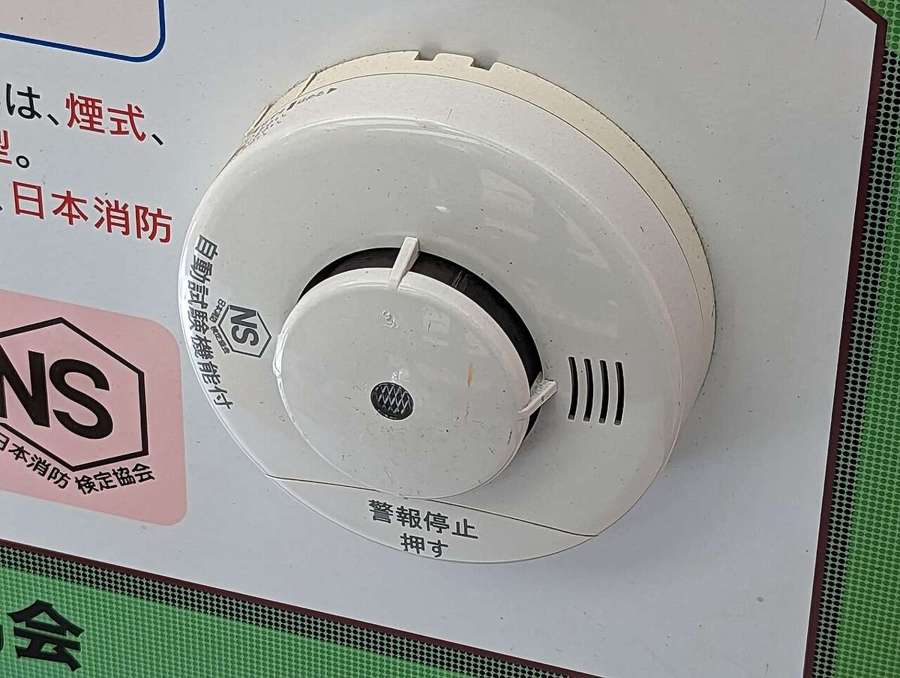
The heating season is the riskiest time of year for fires and carbon monoxide (czad) poisoning in Polish homes. This guide pulls together what the State Fire Service (PSP), the Chief Building Inspector (GINB) and the National Chamber of Chimney Sweeps say about smoke and CO detectors, chimney checks and what owners and tenants should do. Sources are dated where the pages carry a date: PSP pages of 22 November 2025, 24 February 2026 and 30 June 2026. The GINB and chimney sweep notices are undated on the pages, but the sweeps' notice refers to the 2026/2027 heating season.
The numbers from the fire service
PSP reports that from 1 October to 21 November 2025 firefighters recorded 3,545 fires in residential buildings. They injured 279 people and 52 died. There were also 546 interventions related to carbon monoxide, with 201 people poisoned and 13 dead, and more than a thousand soot fires in chimney flues. The most common causes were mistakes in using heating appliances, blocked chimneys, faulty ventilation and overloaded electrical installations.
Why you need a CO detector
Carbon monoxide is colourless and odourless, and a person cannot detect it unaided. PSP says it forms when fuel is burned incompletely: gas, coal, wood, petrol or oil. It can appear in a bathroom, kitchen, garage or heated room. Only a CO detector shows its presence. The PSP guide advises fitting one if you have a gas water heater, a wood fireplace, a bio-fireplace or a gas patio heater.
Symptoms listed by PSP: headache and dizziness, shortness of breath, drowsiness, weakness, a fast pulse and, in severe cases, loss of consciousness. If you suspect poisoning, ventilate the room, get everyone out of the building and call 112.
The legal duty: detectors by 2030
PSP's page of 30 June 2026 explains the new rules for autonomous smoke and CO detectors:
- In flats and homes in use before 23 December 2024 the duty applies from 1 January 2030.
- In hotel-type accommodation covered by the hotel services act, in use before 23 December 2024, detectors had to be installed by 30 June 2026.
- In new buildings, detectors are required from the moment the building is put into use.
PSP adds that CO detectors will be required only in rooms where solid, liquid or gas fuel is burned. So the 2030 duty does not mean a CO detector in every bedroom. It does mean a smoke detector in homes. PSP still urges everyone to install them now.
Where to put them
According to PSP's heating season page: a smoke detector goes on the ceiling, best in the hallway and the bedrooms and on each floor. A CO detector should be near the source of combustion, 1 to 3 metres away, at eye level. Test the devices every month, keep them clean and react to a low-battery signal. The PSP guide of 24 February 2026 also explains how to recognise certified devices and how to protect detectors during renovations.
Chimney and gas checks: who is responsible
GINB reminds owners and managers of buildings that, under the Construction Law, they must carry out a technical inspection of the building at least once a year, including chimneys (smoke, flue and ventilation ducts) and gas installations (article 62). They must also remove any damage or defects that could endanger life, health, property or the environment (article 70).
Who may inspect, per GINB:
- Smoke ducts, gravity flue and ventilation ducts: a master chimney sweep or a person with the relevant construction qualifications.
- Gas installations: a person with the relevant construction qualifications, or one with the qualifications required for supervising gas equipment.
The record of the periodic chimney inspection has to be an electronic document created in the CEEB system (the central register of building emissions). The chimney sweeps' chamber says a paper protocol no longer has legal force as proof of the annual inspection. You can verify a sweep's credentials in the CEEB register on the GUNB site.
How often to clean
The chimney sweeps' notice cites a Ministry of Interior regulation of 7 June 2010 on fire protection. Owners and managers must remove soot and impurities from smoke, flue and ventilation ducts:
- at least every 3 months in homes heated with solid fuel such as coal, wood or pellets,
- at least every 6 months in homes heated with liquid or gas fuel,
- at least once a year for ventilation ducts.
Tenants and expats
The duty for chimney and gas checks falls on owners and managers, not on tenants. If you rent, ask your landlord or housing association when the last inspection was done and whether the flat has detectors. Do not cover ventilation grilles and keep fresh air flowing, as PSP recommends. The sources do not say who must buy a detector in a rented flat after 2030, so ask the landlord and keep any agreement in writing.

* Photos: illustrative images from Wikimedia Commons (CC0): a fire detector on display in Japan and a chimney sweep photograph, not Poland.
Frequently asked questions
Are smoke detectors mandatory in Poland?
Per PSP, a general duty applies from 1 January 2030 for homes in use before 23 December 2024, and from the start of use for new buildings. Hotel-type accommodation had to comply by 30 June 2026. PSP recommends installing detectors now.
Do I need a carbon monoxide detector in every room?
No. PSP says CO detectors will be required only in rooms where fuel is burned. Install one near a gas water heater, a fireplace or similar source, 1 to 3 metres from it.
Who pays for the chimney inspection in a rented flat?
The Construction Law puts the duty on owners and managers. The sources do not set out cost sharing in rentals, so check your lease.
What do I do if the CO alarm sounds?
PSP says to leave the room, get out of the building and call for help on 112.