Housing allowance in Poland 2026: income limits and how to apply
Short answer: The housing allowance (dodatek mieszkaniowy) helps pay home costs. In 2026 gov.pl lists a limit of 3,561.42 zł per person for one-person households and 65 m². Apply at your gmina's social centre.
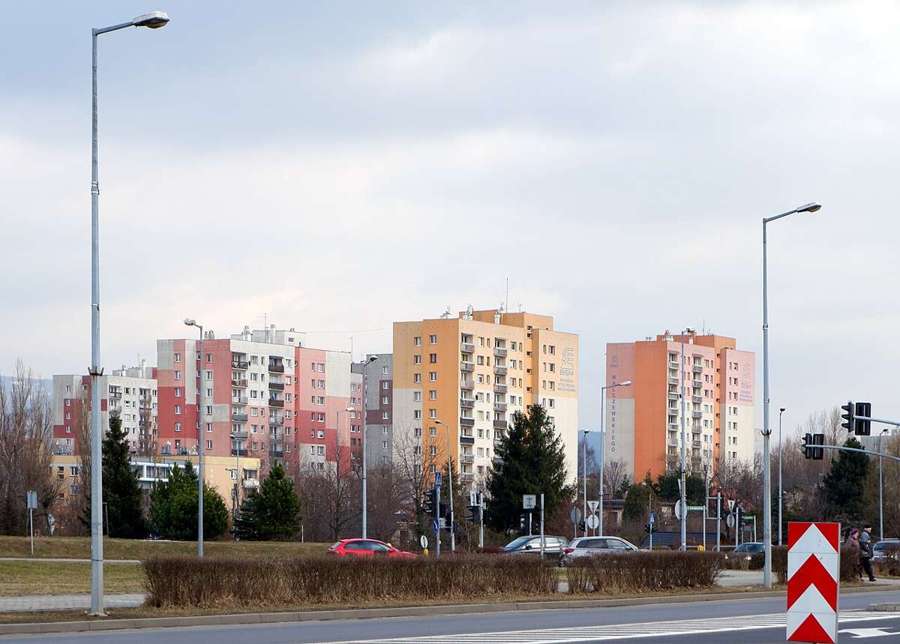
Housing costs are the largest monthly bill for most people living in Poland, and the state has a long-standing benefit that pays part of it: the housing allowance, in Polish dodatek mieszkaniowy. It is paid by the municipality (gmina), it is based on a national law from 2001, and the official gov.pl guide lists the conditions in plain terms. This guide sums up those conditions as of 16 October 2026, with the figures the gov.pl service page and a municipal centre currently publish.
What the housing allowance is
The allowance covers part of the cost of keeping a home: rent, utilities charged through the building, waste collection, heating and similar items. According to gov.pl, the amount is worked out by an official in your gmina and depends on your household income, the number of people in the household, your housing costs and, for municipal flats, the rent rates of the gmina's housing stock. The application is free.
The benefit is not only for tenants. The gov.pl page says you need a right to the home: you own it, you hold a cooperative ownership or tenancy right, you rent or sublet it under a contract, or you live in it without a legal title but are waiting for a replacement flat or social rent that you are entitled to.
Income limit in 2026
Income is counted as the average monthly income per person over the three months before you submit the application. The gov.pl page gives the limit for a one-person household as 3,561.42 zł, which it describes as 40% of the average wage in the national economy. The Elbląg social services centre, which publishes the criteria valid from 10 February 2026, calculates the limit from the 2025 average wage of 8,903.56 zł and lists 2,671.07 zł per person for a household of two or more.
If your income is above the limit, you are not automatically refused. Gov.pl explains that you can still receive an allowance, reduced by the amount by which you exceed the limit. Its own example: with a surplus of 100 zł, the official calculated an allowance of 210 zł.
The gmina council may raise the income threshold. This is a local decision, so a city can be more generous than the national figure. The gov.pl page tells applicants to ask their municipal office whether such a resolution exists.
Income for this purpose is defined by reference to the family benefits act and is generally income after tax and social and health contributions. The municipal centre in Elbląg lists the kinds of income that count, including pensions, sickness benefits and income from flat-rate taxed business activity, and it notes that maintenance paid to other people is deducted.
Size of the home
There is also a floor-area test. According to gov.pl, the home must be no larger than 65 m². If it is bigger but not more than 75 m², you can still qualify if the combined area of rooms and kitchen is below 60% of the usable area. The council can raise these limits too.
What to prepare
The gov.pl guide lists four documents:
- the application form, which you collect from the municipal office or social assistance centre. For a flat, the building manager or the person you pay rent to has to confirm it. For a detached house no confirmation is needed
- a declaration of income of everyone living in the home for the last three months
- documents that confirm the usable area, or a declaration of the area if you own a house
- proof of the housing costs you paid in the month before the application
The same page says you can submit at any time of the year. You file in person, by post, or through a representative with power of attorney, usually at the social assistance centre for the place where you live.
How long it takes and how long it lasts
Gov.pl states that you should get a decision within 30 days of applying. Before deciding, the office may carry out a home visit (wywiad środowiskowy) to check income, assets, the number of people really living there and the area of the flat.
A positive decision means payments for 6 months, due by the 10th of each month. For a flat, the money normally goes to the building manager or whoever collects your housing charges. A house owner can receive it in cash or by bank transfer. If your home has no central heating, hot water or piped gas from an outside source, you can also get a flat-rate fuel allowance.
Two practical points from the same page. If you fall behind with housing charges for at least two months, the gmina suspends the payment. The separate energy allowance (dodatek energetyczny), which people receiving the housing allowance used to get, is currently suspended: according to the Elbląg centre, payment is suspended until 31 December 2027 under Article 15 of the act on the protective allowance, and applications filed until then are left unexamined.
What foreigners should check
The gov.pl conditions are about your right to the home, your income and the size of the home. They do not mention citizenship. They do not say anything either about residence status, so do not assume the answer for your situation. The practical step is to ask the social assistance centre in your gmina, before you apply, whether your residence documents and registration are enough and what else they want to see. Each gmina runs its own office and may publish its own forms and local thresholds.
For foreigners, a written rental contract in your name matters in practice, because the building manager or landlord has to confirm the application and the office asks for proof of costs. If your lease does not exist in writing, fix that first.
Check the local rules
Because councils can change the income and area limits, and because figures are updated when the average wage changes, take the national numbers here as the starting point. Look at the website of your city's social assistance centre or the gmina office for the current form, the local threshold and the office address.
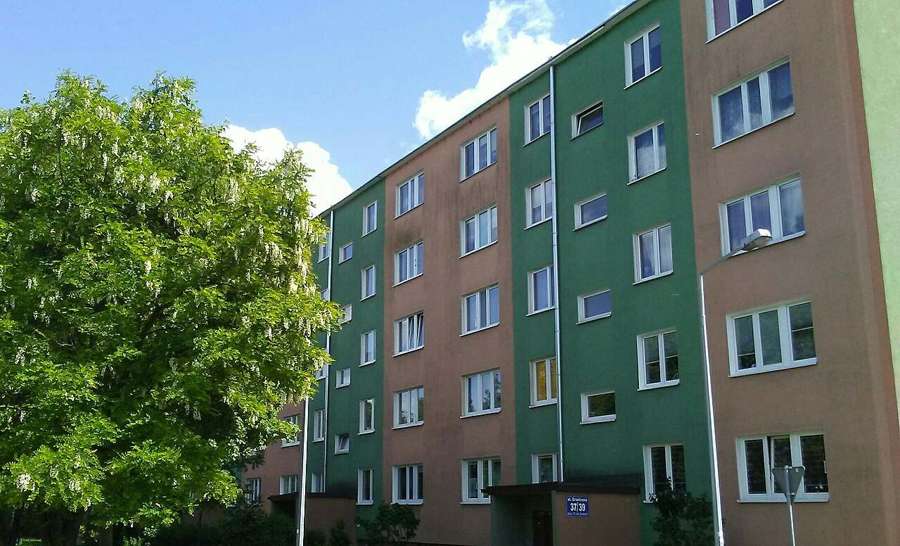
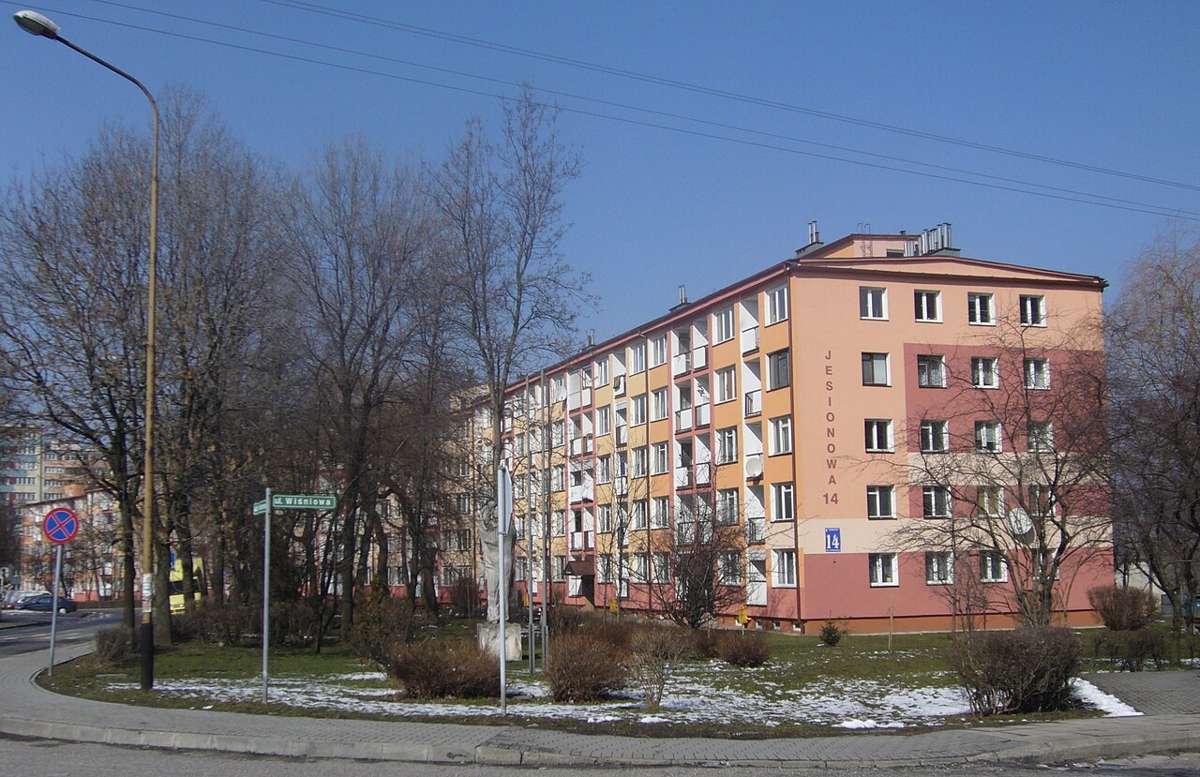
* Photos: apartment blocks in Bielsko-Biała, Wikimedia Commons, public domain.
Frequently asked questions
Do I have to be a tenant to get the housing allowance?
No. According to gov.pl, owners, cooperative right holders, tenants and subtenants can apply, as long as they have a right to the home and meet the income and area conditions.
What is the income limit for a one-person household in 2026?
Gov.pl gives 3,561.42 zł average monthly income over the previous three months, which is 40% of the average wage. Above that you can still get a reduced allowance, and your gmina may have set a higher limit.
How long is the allowance paid?
Gov.pl says 6 months per decision, paid by the 10th of each month. You then apply again if you still need it.
Can foreigners apply?
The gov.pl conditions do not mention citizenship. Ask the social assistance centre in your gmina what residence documents it requires before you apply.