Property tax Poland 2027: new maximum rates per m²
Short answer: For 2027 the maximum property tax is 1.29 zł per m² for residential buildings, up from 1.25 zł. Each gmina council sets the real rate, which can be lower.
Every year the Polish Minister of Finance publishes the ceiling for local tax rates for the following year. The notice for 2027 was signed on 23 July 2026 and published on 28 July 2026 in Monitor Polski (item 741). For anyone who owns or rents property in Poland, the key point is simple: these numbers are maximum limits. The rate you actually pay is set by the council of the gmina (municipality) where the property stands, and many councils charge less than the cap.
What the notice is and is not
The notice is issued under the local taxes and fees act. It does not raise anyone's tax by itself. It tells councils the highest rate they may legally adopt for 2027. Each council then passes its own resolution, usually in the autumn, and the resolution is published in the regional official journal. If the council does nothing, the rates from the previous resolution generally stay in force, as long as they do not exceed the new caps.
The figures below cover property tax (podatek od nieruchomości). The same notice also lists caps for vehicle tax and local fees. Those are not covered here, because this article only states what could be checked against the text of the statute.
2027 property tax caps (art. 5)
As of the notice of 23 July 2026, the maximum annual rates for 2027 are:
- Residential buildings or parts of them: 1.29 zł per m² of usable area (the 2026 cap was 1.25 zł)
- Land linked to business activity: 1.49 zł per m² (2026: 1.45 zł)
- Other land, for example land that is not used for business: 0.80 zł per m² (2026: 0.77 zł)
- Buildings linked to business activity: 36.49 zł per m² of usable area (2026: 35.53 zł)
- Buildings used for health services by providers contracted with the public payer: 7.47 zł per m²
- Other buildings, including those used by public-benefit organisations: 12.33 zł per m²
- Buildings occupied for seed trade: 17.09 zł per m²
- Land under surface waters: 7.35 zł per hectare
- Unbuilt land in a revitalisation area: 4.85 zł per m²
The 2026 comparison figures come from the official 2026 notice, as used in the site's earlier property tax guides. Residential caps rise by about 3 percent, in line with the other categories.
What this means for a flat
For a typical flat the effect is small. A 50 m² flat in a gmina that charges the full residential cap would owe about 64.50 zł a year for the building part in 2027, compared with 62.50 zł at the 2026 cap. The land share under a block of flats is added on top, in proportion to the owner's share, and is usually a small amount too.
The bigger numbers appear for business use. If part of a flat or house is used for a registered business, that part is taxed at the business-building rate. At the 2027 cap, 20 m² used that way would be up to 729.80 zł a year. A council may charge less, and the rule that decides the category is the actual use of the space, not what the owner calls it.
Who pays and how the rate is set
Property tax is owed by the owner, by the perpetual usufructuary, and in some cases by a holder of the property such as a long-term user of state or municipal land. A tenant of a private flat does not normally pay the tax directly, although a landlord may include it in the rent or in service charges. Check the lease for how this is handled.
Buildings are taxed by usable area. Land is taxed by area. Councils can set different rates inside the caps for different groups of buildings, so two properties in the same gmina can face different rates. For the exact rate for a given address, the reliable source is the current resolution of that gmina's council, usually found in the Public Information Bulletin (BIP) of the town hall.
Deadlines to keep in mind
Private owners who are natural persons generally receive a tax decision from the gmina, and the tax is paid in instalments on 15 March, 15 May, 15 September and 15 November. Owners who bought or sold a property, or changed how it is used, must file an information return with the gmina within the time set by the statute. The consolidated text of the act sets these deadlines, and the town hall can confirm the version that applies.
Practical steps
- Wait for the new resolution of your gmina. It is normally adopted by the end of the year before the tax year.
- Compare it with the 2026 resolution on the BIP site to see whether the rate went up.
- If you changed the use of a property, check with the tax office of the gmina whether a new return is needed.
- Keep the tax decision. It contains the exact area and rate used.
Where the figures come from
The caps come from the notice of the Minister of Finance and Economy of 23 July 2026 on the upper limits of local tax rates for 2027, Monitor Polski 2026, item 741. The assignment of rates to categories was checked against the consolidated text of the local taxes and fees act. This article is general information and not tax advice. Rates differ by gmina, and the final 2027 resolutions were not yet adopted everywhere at the time of writing.
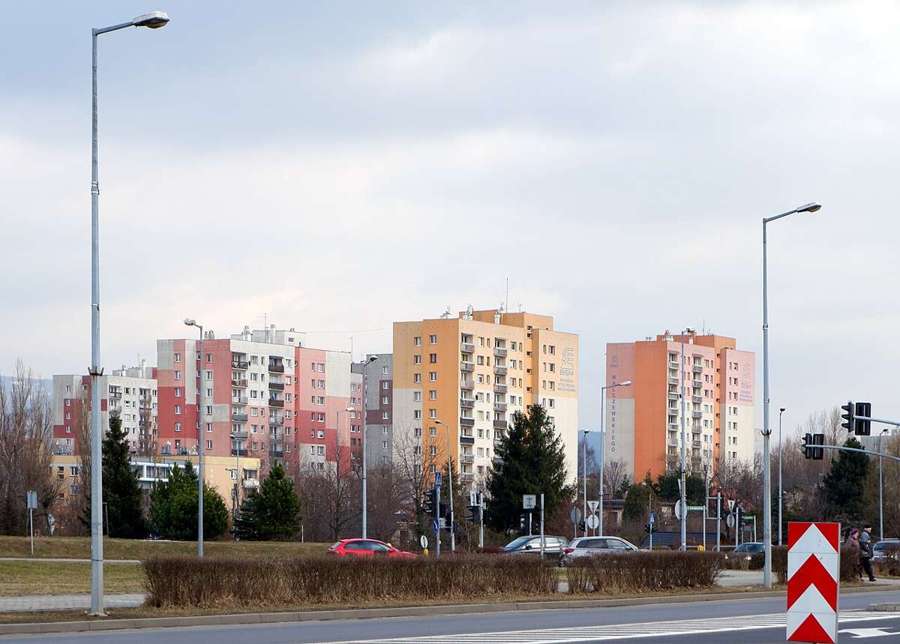
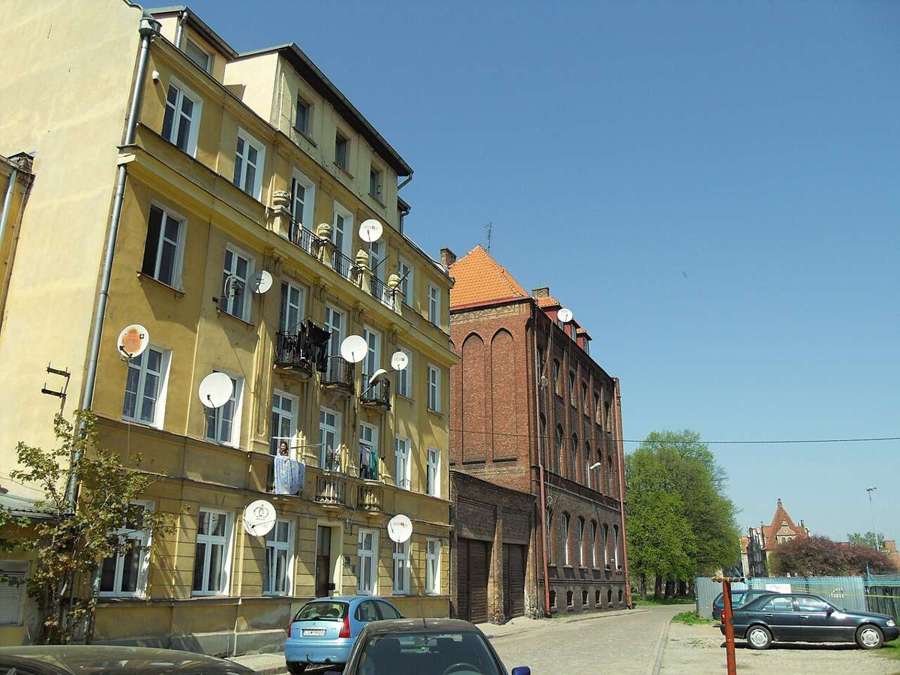
* Photos: Gdańsk, Stare Przedmieście (CC0, Wikimedia Commons); residential house in Tomaszów Mazowiecki (public domain, Wikimedia Commons). Photos are illustrative.
Frequently asked questions
Do the 2027 caps mean my property tax will rise?
Not automatically. The caps only set the maximum a council may charge. Your tax changes only if your gmina adopts a higher rate for 2027.
Where do I find my exact rate?
In the resolution of your gmina's council on local property tax rates, normally published on the town hall's BIP page and in the regional official journal.
Does a tenant pay property tax?
The owner is the taxpayer. A landlord may pass the cost on through rent or charges, so read the lease.