Home and renters' insurance in Poland: what the Ombudsman says
Short answer: Home cover in Poland is voluntary. The Financial Ombudsman warns about low sums insured, flood waiting periods of up to 30 days and tenants' liability for the rented flat.
When you rent or buy a home in Poland, nobody forces you to insure it, but a burst pipe or a theft can cost far more than a policy. The Financial Ombudsman (Rzecznik Finansowy), a public institution that helps customers of insurers and banks, published a Q&A guide on home insurance on 28 January 2026 and a note for tenants on 30 September 2026. This article summarises what those two official publications warn about, so you can read an offer with the right questions. Information is as of 16 October 2026.
Two different policies: the home and what is liable
A home policy insures the property, and according to the Ombudsman's guide household contents are usually covered under a separate sum insured. A separate product, third-party liability in private life (OC w życiu prywatnym), is a voluntary insurance that covers damage you cause to other people, both material and personal. For tenants, the Ombudsman's note focuses on the liability policy.
The Ombudsman's note for tenants gives an example. A student rents a studio in a block. Water was shut off during the day because of a fault, the student leaves a tap open without noticing, and the water comes back and overflows while he is away for the weekend. The floor of the rented flat is flooded and the water gets into the flats below. The neighbours and the owner each send a bill. Private-life liability insurance is meant for this kind of damage.
For tenants: check what the policy says about the rented flat
According to the Ombudsman's expert Aleksander Daszewski, the point for a tenant is to check whether the basic scope of the policy includes liability connected with the rented flat, or whether it is an extra paid option. The Ombudsman's list of things to check in any offer is short:
- the scope of cover
- exclusions
- limits
- the sum insured
- the rules for paying compensation
The note says liability cover can also respond when you accidentally damage a friend's laptop, and it can cover treatment costs of a person hit by you while riding a bike or scooter.
Electric bikes and scooters: a warning
The Ombudsman states that if an electric vehicle does not meet the statutory definition of a bicycle or a scooter, voluntary liability cover sold as "bicycle" or private-life liability usually will not pay for damage caused with it. It gives the example of a scooter that, after its speed limiter is removed, runs at 35 to 50 km/h and no longer meets the definition of an electric scooter. According to the note, the rider may then be treated as using a vehicle comparable to a moped, which needs registration and compulsory motor third-party liability insurance. Check the current scooter rules on this site before you ride.
For owners: the risk of being under-insured
The January 2026 guide warns that homes and flats, especially in large cities, have gained value in recent years, while the sum insured on a policy bought years ago with the same insurer is often not raised. If the sum insured is lower than the real cost of rebuilding the house or buying the flat, compensation may not cover the loss. Ombudsman experts describe cutting the sum by tens or sometimes hundreds of thousands of zlotys as a seeming saving that can turn into a financial disaster after a claim.
Flood is not the same as water from a burst pipe
The Ombudsman says many customers wrongly assume flood is a standard risk in every home policy. In practice it often needs an additional clause, and insurers apply a waiting period of up to 30 days from the start of the contract. Cover bought at the last minute when a flood warning appears will therefore come too late.
Contents need their own sum
Household contents are usually covered under a separate sum insured, which should match the real value of what you own. The guide suggests making a list of furniture, TV and household appliances, electronics, clothes and everyday items and giving each a value at current market prices of similar products. It notes that a shortcut of setting contents at a percentage of the building sum, for example 10%, does not always reflect your real situation. It also tells you to look at sub-limits, for example for cash, TV and photographic equipment, or items kept in a cellar or garage, and notes that valuables such as art, musical instruments and antiques follow separate rules. Update the contents sum at each renewal, especially after buying expensive equipment.
What the guide covers
According to the Ombudsman, the Q&A guide also explains typical exclusions of the insurer's liability, how to insure a home financed with a mortgage, and which periodic technical inspections you must keep up to avoid problems when claiming. It is available as a PDF on the Ombudsman's website.
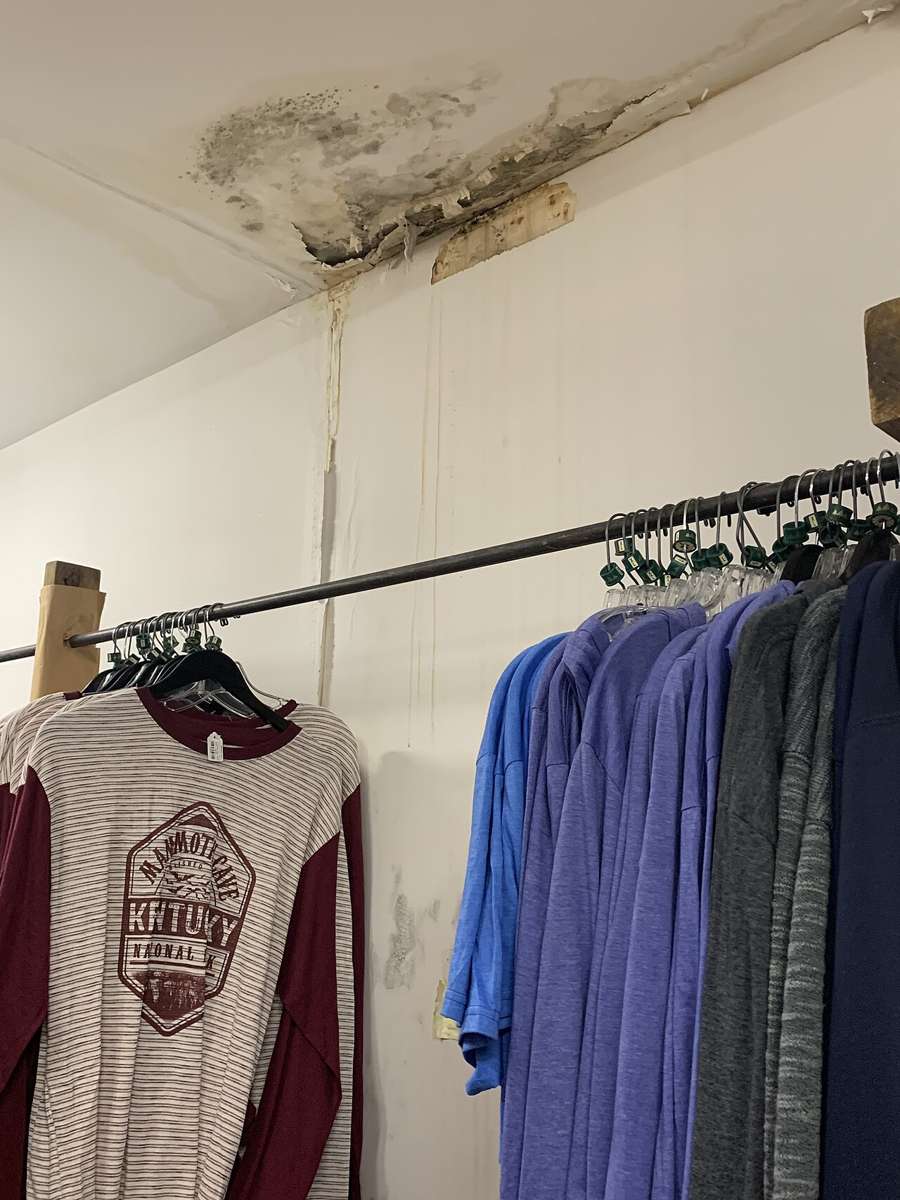
* Photos: living room, Wikimedia Commons, CC0 (illustrative). Water damage, Wikimedia Commons, public domain (illustrative, not Poland).
Frequently asked questions
Do I need home insurance in Poland?
It is voluntary. The Ombudsman's guide explains how to choose it, and warns owners about insuring for less than the real value.
What is OC w życiu prywatnym?
A voluntary third-party liability policy for damage you cause to other people, material and personal. The Ombudsman suggests tenants check whether liability for the rented flat is in the basic cover or is a paid extra.
Does flood cover start immediately?
Not necessarily. The Ombudsman says insurers apply waiting periods of up to 30 days from the start of the contract for flood.
Will my policy cover a fast electric scooter?
The Ombudsman warns that if the vehicle does not meet the statutory definition of a bicycle or scooter, private-life liability usually will not cover damage caused with it.