Ostrów Wielkopolski Museum: New Address, Tickets and Weekend Hours
The essentials: Use Wolności 2a, not the old Rynek 1 footer. Tue/Wed/Fri 08:15-15:30, Thu 10:15-17:30; second and fourth weekends 10:15-14:30. Monday closed, last entry 30 minutes before closing. Standard/reduced tickets 6/4 zł; under-sevens free.
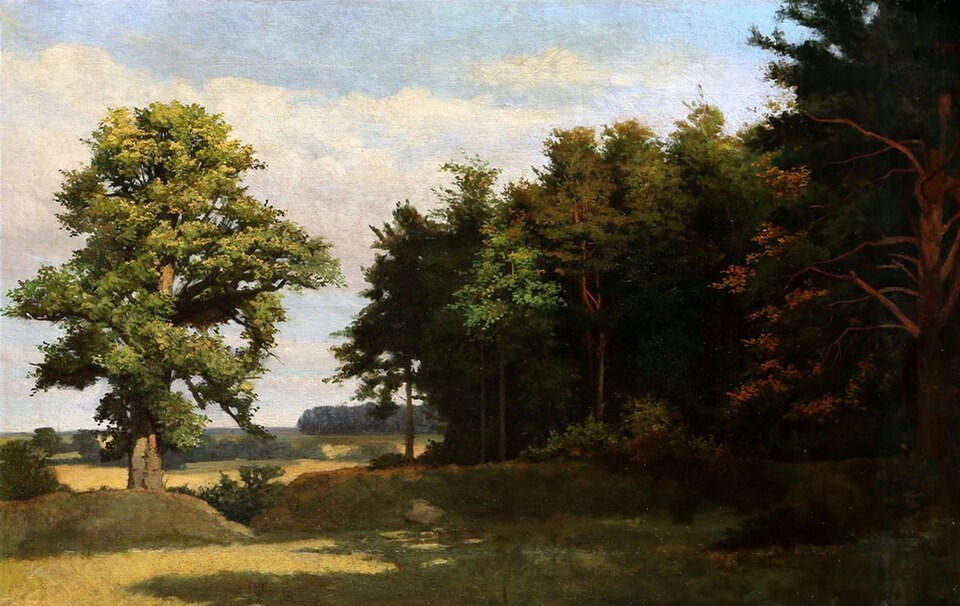
Cover illustration: Stanisław Feliks Szembek, Pejzaż z okolic Wysocka, before 1885. Public-domain artwork reproduction via Wikimedia Commons. Resized and recompressed. Not a photograph of the current museum interior.
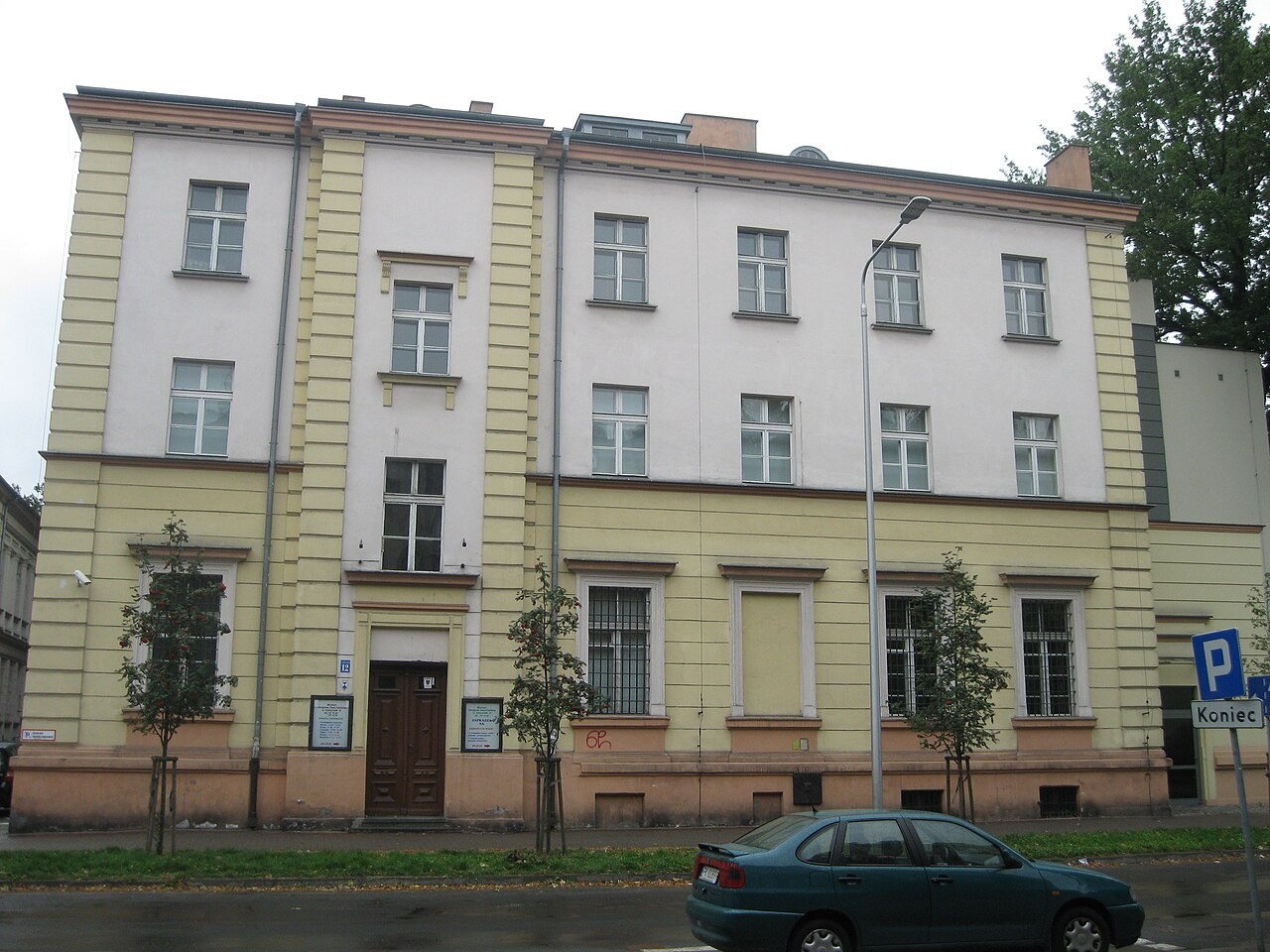
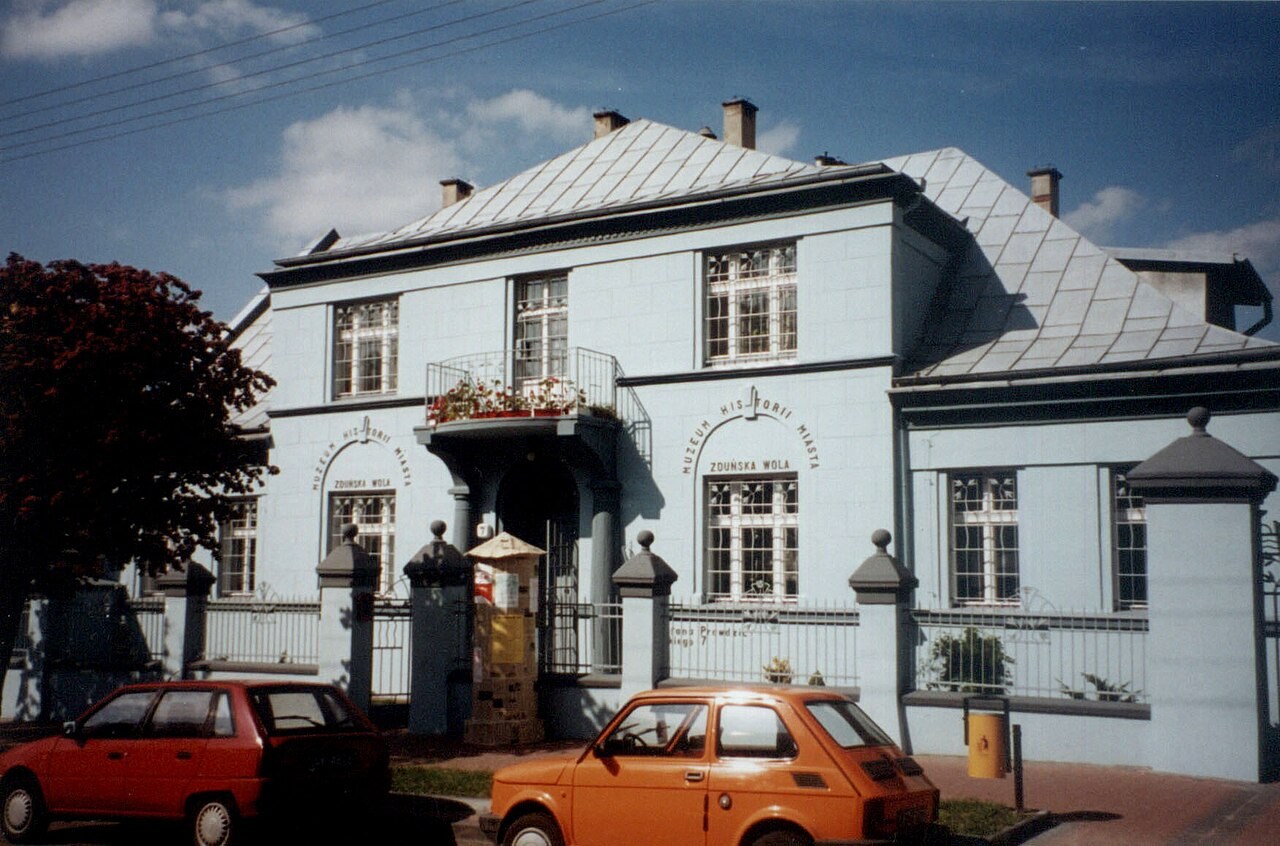
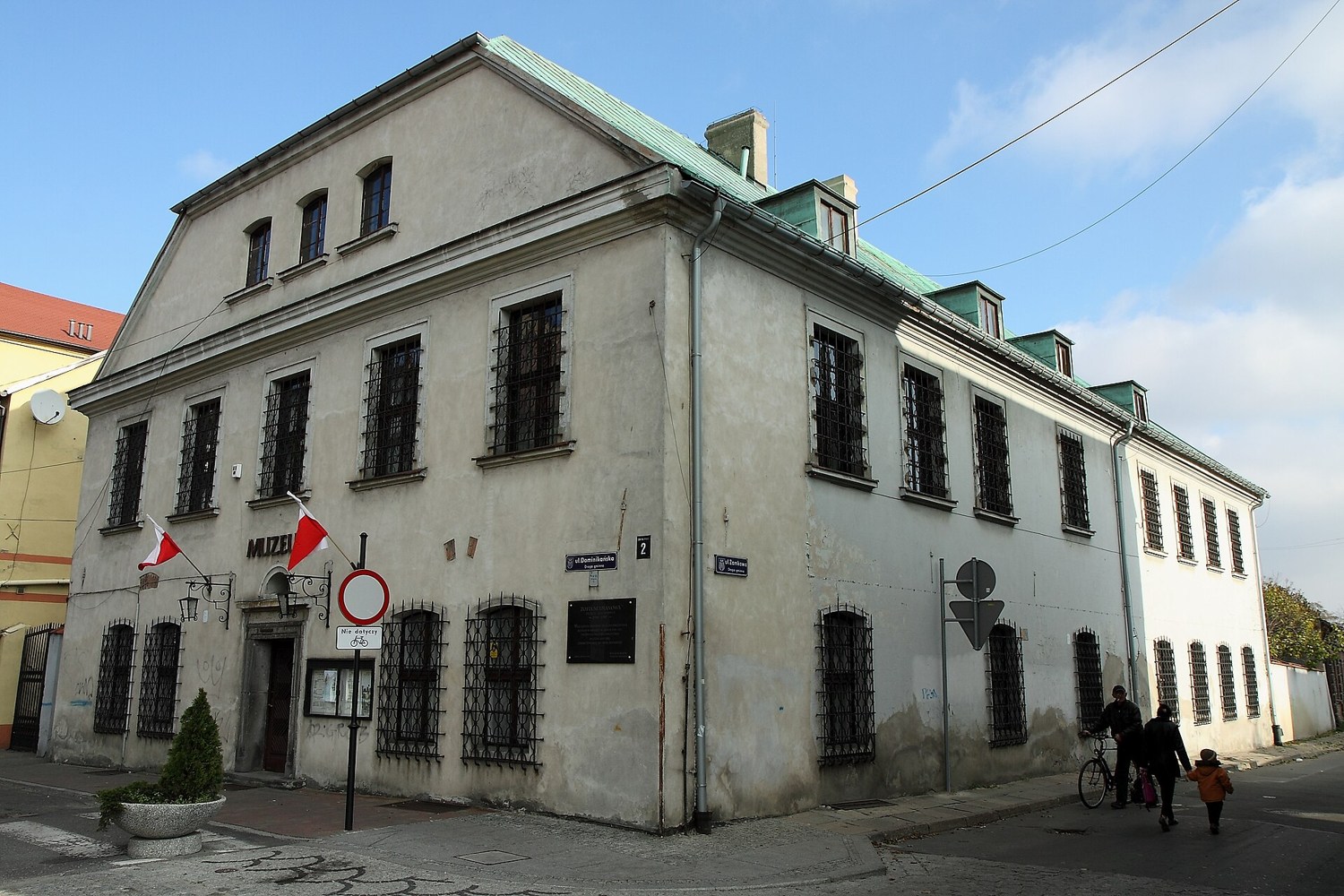
Ostrów Wielkopolski's city museum is receiving visitors at ul. Wolności 2a, in the former Strzelnica, rather than asking them to start at the town hall. That matters because the museum's own website still carries Rynek 1 in its footer, and older descriptions concentrate on exhibitions in the ratusz. For a visit now, use the current visiting-hours page, which explicitly names the new address.
This is a small, inexpensive cultural stop with two different ways into local life: a painting gallery built around Stanisław Szembek, and a temporary exhibition about everyday goods in communist-era Poland. The move also returns museum activity to a building with its own pre-war museum history. Here is how to plan around the unusual weekend schedule without confusing old rules, old photographs and current arrangements.
Go to Wolności 2a, not the old footer address
The museum's main contact panel gives Wolności 2a, 63-400 Ostrów Wielkopolski, telephone +48 62 592 80 52 and [email protected]. Its visiting page repeats that location. A local report published on 24 November describes the move as temporary during thermal-modernisation work at the town hall, although that report shortens the street number to 2. Follow the museum's more specific 2a when planning your arrival.
The relocation is not a change announced for the first time this week. The museum's May inauguration report already describes exhibitions in the former shooting-brotherhood building at Wolności 2a. That helps separate a recent reminder about the move from the opening itself. Do not interpret the November news date as the start of the museum's operation there.
Opening hours and the two-weekends rule
The current timetable is Tuesday, Wednesday and Friday 08:15-15:30; Thursday 10:15-17:30; and Saturday-Sunday 10:15-14:30 only on the second and fourth weekends of the month. Exhibitions are closed to visitors on Mondays. The administrative hours printed beside Monday are not a Monday admission window.
Last admission is 30 minutes before closing. That makes the ordinary cut-offs 15:00 on Tuesday, Wednesday and Friday, 17:00 on Thursday, and 14:00 on an open weekend day. Those are admission cut-offs, not suggested arrival times for a relaxed visit. Thursday gives the most room for someone fitting the museum around a working day, though it is not a late-evening opening.
The dated notice introducing the timetable says it applies from 1 July 2026. It also identifies 28 December 2026 as a staff day off in lieu of the holiday falling on Saturday 26 December. Monday is already closed for ordinary exhibition visits, but the extra notice matters if you were planning an administrative enquiry that day.
Do not assume that every Saturday or Sunday is available. The 24 November local reminder explicitly lists 28-29 November and 12-13 December as forthcoming visiting weekends. Later dates near Christmas need a fresh holiday check rather than an automatic extension of the monthly pattern.
Tickets: 6 zł standard and 4 zł reduced
The official price page sets standard admission at 6 zł and reduced admission at 4 zł from 1 July 2026. It separately lists a museum lesson at 4 zł and a workshop at 8 zł. Those are different activities, not evidence that a regular admission ticket automatically includes a scheduled workshop or a lesson in English.
Children under seven are among the categories exempt from admission charges. The list also includes Karta Polaka holders, ICOM and ICOMOS members and specified other qualifying visitors. Reduced-price categories include students and several groups of older visitors, teachers and disabled visitors with carers, but the detailed wording includes citizenship or educational-system conditions. Living in Poland or showing any foreign student card is not, by itself, a safe way to assume eligibility.
Bring the document supporting the particular concession you intend to use. For a mixed-nationality family, check the exact category rather than assuming every adult has the same entitlement. The price page does not advertise a family pass, so budget from the published individual categories instead of inventing a combined family rate.
What can safely be said about free Saturday?
A visitor-regulations PDF on the museum's site identifies Saturday as its free exhibition day. However, the document took effect in 2015 and also contains superseded 4/2 zł prices and older opening hours. It is evidence of a published Saturday rule, not a reliable stand-alone description of the relocated museum's whole operation.
For a budget-critical trip, ask whether that free-admission rule currently applies at Wolności 2a and which exhibitions it covers. Even if confirmed, it cannot turn a normally closed Saturday into an opening day. Use the second-and-fourth-weekend timetable first. The homepage also retains a free-entry label beside older 3D-museum wording; that is not a clear promise that every current exhibition is free every day.
Szembek and the city's painting collection
The permanent exhibition Szembek i inni. Galeria naszych mistrzów opened in the former Strzelnica on 16 May 2026. Its centre is Stanisław Szembek, the painter from Wysocko who lived from 1849 to 1891. Four of his works anchor the museum's presentation, including On i ona, which the museum connects stylistically with Henryk Siemiradzki.
The exhibition is broader than a room of locally born painters. The museum explains that donations brought in work by artists without a direct Ostrów connection too. Its published list includes local street scenes, portraits, landscapes and still lifes, with works by Jerzy Kujawski, Krzysztof Cander, Zdzisław Jurkiewicz and others. This gives a visitor several ways to look: follow changing painting styles, recognise parts of the city, or trace how a municipal collection takes shape.
One especially local connection is Jurkiewicz's portrait of his school contemporaries Krzysztof Komeda and Kazimierz Radowicz. Rather than treating every painting as a generic illustration of regional history, use those named people and places as anchors. The museum's online checklist is useful preparation if you prefer to look up unfamiliar artists before arriving.
The checklist also names Szembek's Pejzaż z okolic Wysocka, a landscape dated before 1885, alongside U wróżki and an image of Benedyktowicz painting in Wysocko. These titles give the gallery a connection to the surrounding area rather than only to a famous surname. The landscape reproduction heading this guide has that title; it is an artwork illustration, not a photograph of the current gallery or a claim about its hanging position.
Everyday goods in the PRL exhibition
The museum's September account of Codzienność reglamentowana, czyli dobra powszednie w PRL describes a model department store stocked with objects associated with the 1960s-1980s. The selection includes radio and television equipment, household appliances, photographic materials, toys, gifts and fabrics, plus a glass-container return point.
The point is the gap between an ordinary object and the effort once needed to obtain it: queues, ration coupons, personal contacts, commission shops and Pewex. For newcomers, that can make family stories about shortages more concrete. For children, the museum presents the display as an encounter with an unfamiliar everyday world. Objects that look domestic are not automatically handling exhibits, so follow staff instructions.
The exhibition opened on 11 September, and the museum was still promoting it on its homepage when checked for this guide. The announcement does not supply a closing date. Check again before making a special journey for this particular display, rather than assuming it will remain throughout winter.
The building's earlier museum life
The museum's 2026 history exhibition account traces collecting activity to Stefan Rowiński in 1907 and marks the first regional museum exhibition in 1936. It says the pre-war collections were lost during the Second World War and that their precise fate remains unknown. The present institution was established in 1988, so this is a revival of a local tradition, not proof that the original collection survived intact.
That history exhibition ran from 16 May to 31 August 2026 and is explicitly marked finished. It should not be confused with the current PRL display. The city's building history dates the Strzelnica to 1867 and describes its later library and cultural uses. Its museum-opening chronology differs from the museum's own 1936 anniversary account; the anniversary claim here follows the museum, without presenting the two accounts as identical.
Access, language and a sensible final check
The accessibility declaration, last reviewed in March 2025, still names Rynek 1 and describes that building's entrance, lift and toilet. Those details must not be transferred to Wolności 2a. If you need step-free entry, ask about the actual entrance, exhibition-floor access and an accessible toilet at the temporary location. Mention a wheelchair or pushchair specifically, since a general assurance that visitors are welcome does not answer those practical questions.
For an English-speaking visit, ask separately about English labels, printed information and any available guiding. No English-language tour price or regular English departure is established by the pages used here. Groups should agree their arrangements directly instead of relying on old group limits in the 2015 regulations. Before setting out, settle the address, open weekend, desired exhibition and any essential access need. That short check is more useful than following an old town-hall listing and discovering the difference at the door.
Frequently asked questions
Where is the museum now?
The official visiting page and main contact panel give Wolności 2a, in the former Strzelnica. Rynek 1 remains in older footer text.
Is it open every weekend?
No. Current hours list only the second and fourth weekends of each month, 10:15-14:30, last admission 14:00. Check holiday exceptions.
Is the temporary site wheelchair accessible?
The published access declaration still describes Rynek 1, not Wolności 2a. Confirm entrance, floor access and adapted toilet directly before travelling.
Sources
- current visiting-hours page
- museum's main contact panel
- May inauguration report
- dated notice introducing the timetable
- 24 November local reminder
- official price page
- visitor-regulations PDF
- Szembek i inni. Galeria naszych mistrzów
- September account of Codzienność reglamentowana, czyli dobra powszednie w PRL
- museum's 2026 history exhibition account
- city's building history
- accessibility declaration