Police Clearance Certificate in Poland (KRK): How to Get It in 2026
Short answer: Anyone, including foreigners without a PESEL, can get an informacja o osobie from Poland's National Criminal Register: apply in person for 30 zł with ID at the KRK Information Bureau or a court information point, or online via e-KRK for 20 zł with a qualified, trusted or personal signature; volunteers are exempt.
Employers in Poland ask for it before you sign a contract. Schools and sports clubs ask before you work with children. Some residence and citizenship applications expect one too. The document they all mean is the *zaświadczenie o niekaralności* - an official extract from the Krajowy Rejestr Karny (KRK), Poland's National Criminal Register. Here is how foreigners living in Poland get one in 2026, what it costs, and what it does and does not cover.
What the KRK certificate actually is
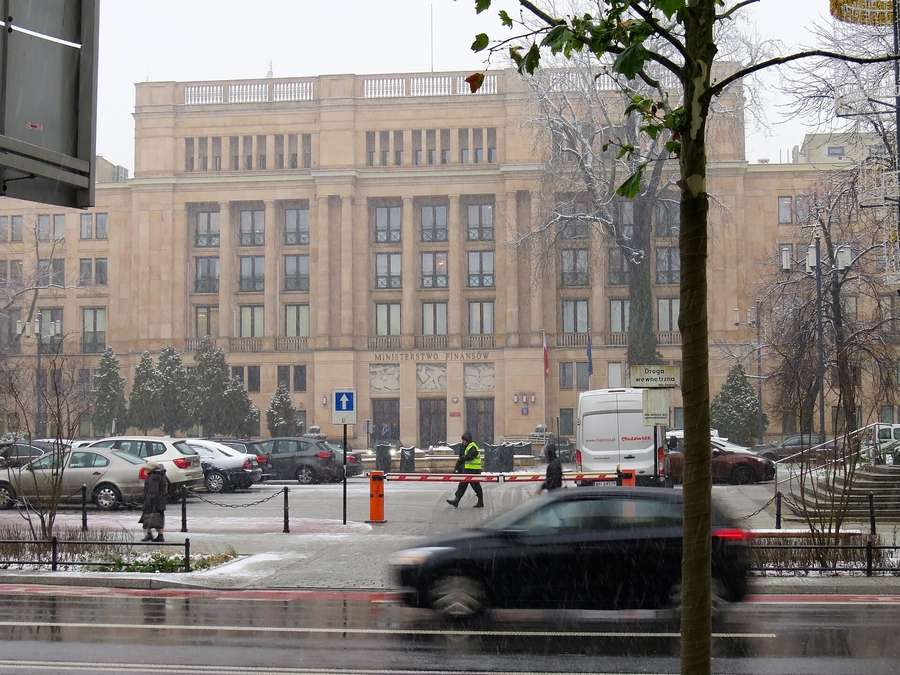
The KRK is a central register run by the Ministry of Justice. It stores conviction and other criminal-justice data for people and entities in Poland. The "certificate of no criminal record" is formally an informacja o osobie (information about a person) issued from that register.
Under Article 20 of the KRK Act (consolidated text, *Dziennik Ustaw* 2024 item 276), the issued information contains:
- your identification data: surname (including any changed surname), first names, birth surname, date and place of birth, parents' names, citizenship, mother's maiden name, place of residence, learned profession and PESEL number,
- the data covered by your request, or a statement that you do not appear in the register,
- the date of issue, the signature of the authorised person and the official seal.
When your record is clean, the second point is the line employers want to see: a statement that you do not appear in the register.
Who can apply
Article 7 of the KRK Act gives everyone the right to learn whether their personal data is in the register and, on application, to receive the content of all entries concerning them. There is no citizenship or residence condition - foreigners apply on the same terms as Polish citizens.
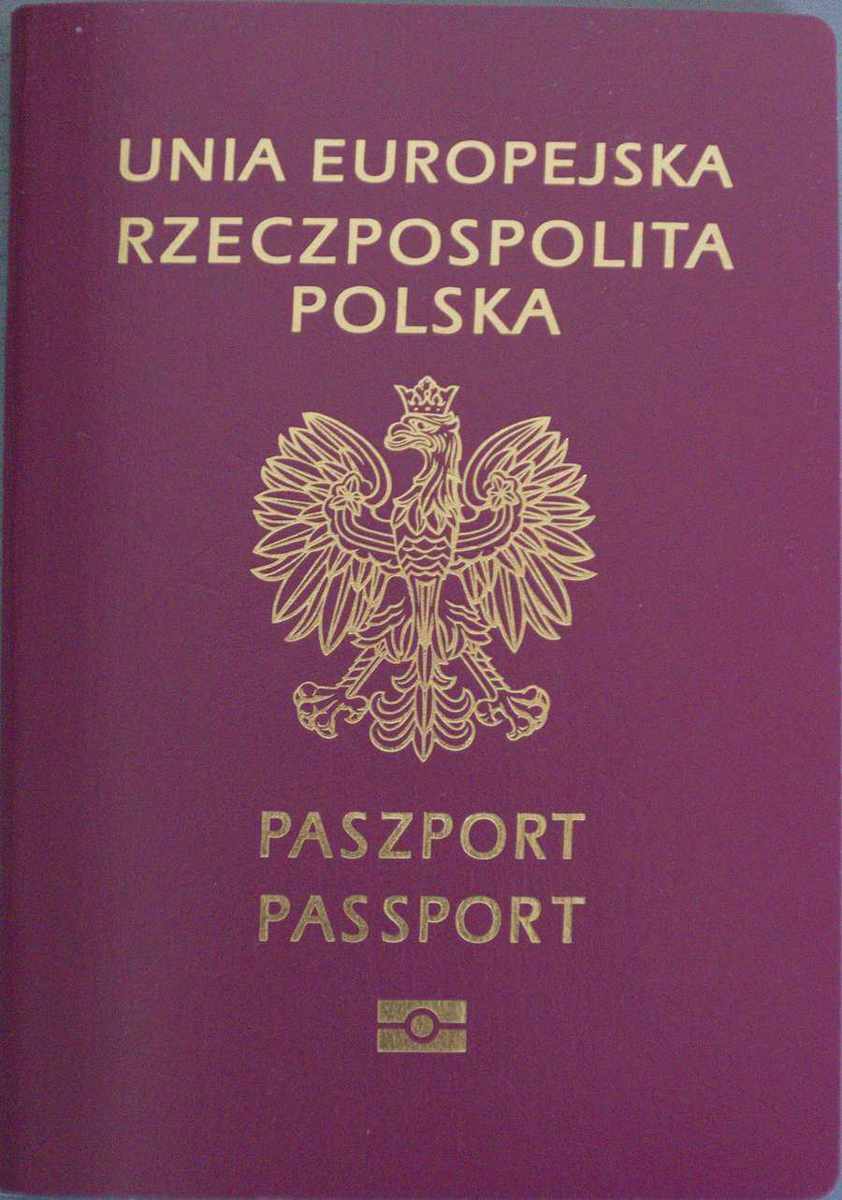
You do not need a PESEL number. The application takes identity data from an identity document, and the Act's application rules expressly allow a passport number or another identity document where the person has no PESEL.
Applying in person
Applications go to the Biuro Informacyjne KRK (the register's Information Bureau, part of the Ministry of Justice) in Warsaw, or to KRK information points at common courts across Poland. That allocation comes from § 2 of the Justice Minister's regulation on providing information from the KRK (consolidated text, Dz.U. 2024 item 1817).
Under § 5 of the same regulation, a person who files in person receives the information after showing an identity card or another document that lets the clerk confirm their identity. Bring your passport or national ID card. The in-person fee is 30 zł.
Applying online through e-KRK
The Ministry of Justice runs an official online system at ekrk.ms.gov.pl. As of October 2026, the e-KRK site states that to request the certificate electronically you must have one of:
- a qualified electronic signature,
- a trusted signature (*podpis zaufany*), or
- a personal signature (*podpis osobisty*).
The fee is paid only through the payment mechanisms provided inside e-KRK, and the certificate is issued as an XML file you save yourself. The e-KRK site is explicit that a printout of that file is not a document - the XML itself, verifiable through e-KRK, is the certificate.
Fees and exemptions
The fees are set by the Justice Minister's regulation on KRK information fees (consolidated text, Dz.U. 2024 item 1339, § 3), unchanged as of October 2026:
- 30 zł for a paper or in-person application,
- 20 zł for an application filed through the online system.
Two exemptions matter to expats. Article 24(1a) of the KRK Act exempts volunteers and candidates for volunteering - the group most often asked for the certificate to help at a school, club or charity. Article 24(1) separately exempts courts, prosecutors and the public authorities listed in the Act. If you need the certificate only because a volunteering organisation asked, say so on the application: the fee does not apply.
Does it cover records from other countries?
No. The KRK certificate shows only what the Polish register holds. It says nothing about convictions recorded in your home country or anywhere else.
Two EU mechanisms are worth knowing. First, under Article 7(1a) of the KRK Act, any Polish or EU citizen - and anyone who lives or lived in an EU member state - may file an application asking the KRK to query another member state's criminal register about them, if they are or were a citizen of that state or live(d) there. Second, an amendment to the KRK Act signed on 13 February 2026 (Dz.U. 2026 item 421, in force since 14 April 2026) expanded the ECRIS-TCN system through which EU states exchange conviction data about third-country nationals. In practice, Polish conviction data is increasingly visible to authorities in other EU states, and vice versa.
Practical tips before you file
- Check which form your employer or authority accepts. Some insist on the paper version with the seal; others accept the e-KRK XML.
- Note the date of issue on the document. Organisations commonly want a recent certificate, so order it close to when you will hand it over.
- If you have no PESEL yet, apply with your passport details - the Act provides for exactly that case.
- Volunteering with children? Tick the exemption instead of paying.
Frequently asked questions
### How much does a police clearance certificate cost in Poland?
30 zł for a paper or in-person application and 20 zł when you file online through e-KRK, under the consolidated fees regulation (Dz.U. 2024 item 1339). Volunteers and candidates for volunteering are exempt under Article 24(1a) of the KRK Act.
Can a foreigner without a PESEL get the certificate?
Yes. Article 7 of the KRK Act gives everyone the right to information about their own entries, and the application rules allow identity data from a passport or another identity document when the applicant has no PESEL.
Does the Polish certificate cover my home country's criminal record?
No. It only shows what Poland's National Criminal Register holds. Under Article 7(1a) you can apply for the KRK to query another EU state's register about you if you are or were that state's citizen or resident.
What do I need to apply online?
An account on the official e-KRK system and one of three signatures: a qualified electronic signature, a trusted signature (podpis zaufany) or a personal signature (podpis osobisty). The certificate arrives as an XML file; a printout of it is not a document.
Sources
- Ustawa o Krajowym Rejestrze Karnym (tekst jednolity Dz.U. 2024 poz. 276)
- Opłaty za wydanie informacji z KRK (tekst jednolity Dz.U. 2024 poz. 1339)
- Udzielanie informacji z KRK (tekst jednolity Dz.U. 2024 poz. 1817)
- Ustawa zmieniająca ustawę o KRK (Dz.U. 2026 poz. 421)
- System e-KRK (Ministerstwo Sprawiedliwości)