Pyzdry Museum: Monastery Frescoes, Winter Hours and Access
The essentials: Main museum: ul. Kaliska 25A, Pyzdry. October-April Tue-Fri 09:00-16:00, weekends 12:00-16:00. May-September Tue-Fri 10:00-17:00, weekends 13:00-17:00. Mondays/holidays closed. Current official tariff unverified; call +48 63 220 57 33. Ground-floor galleries do not provide wheelchair entry according to the declaration.
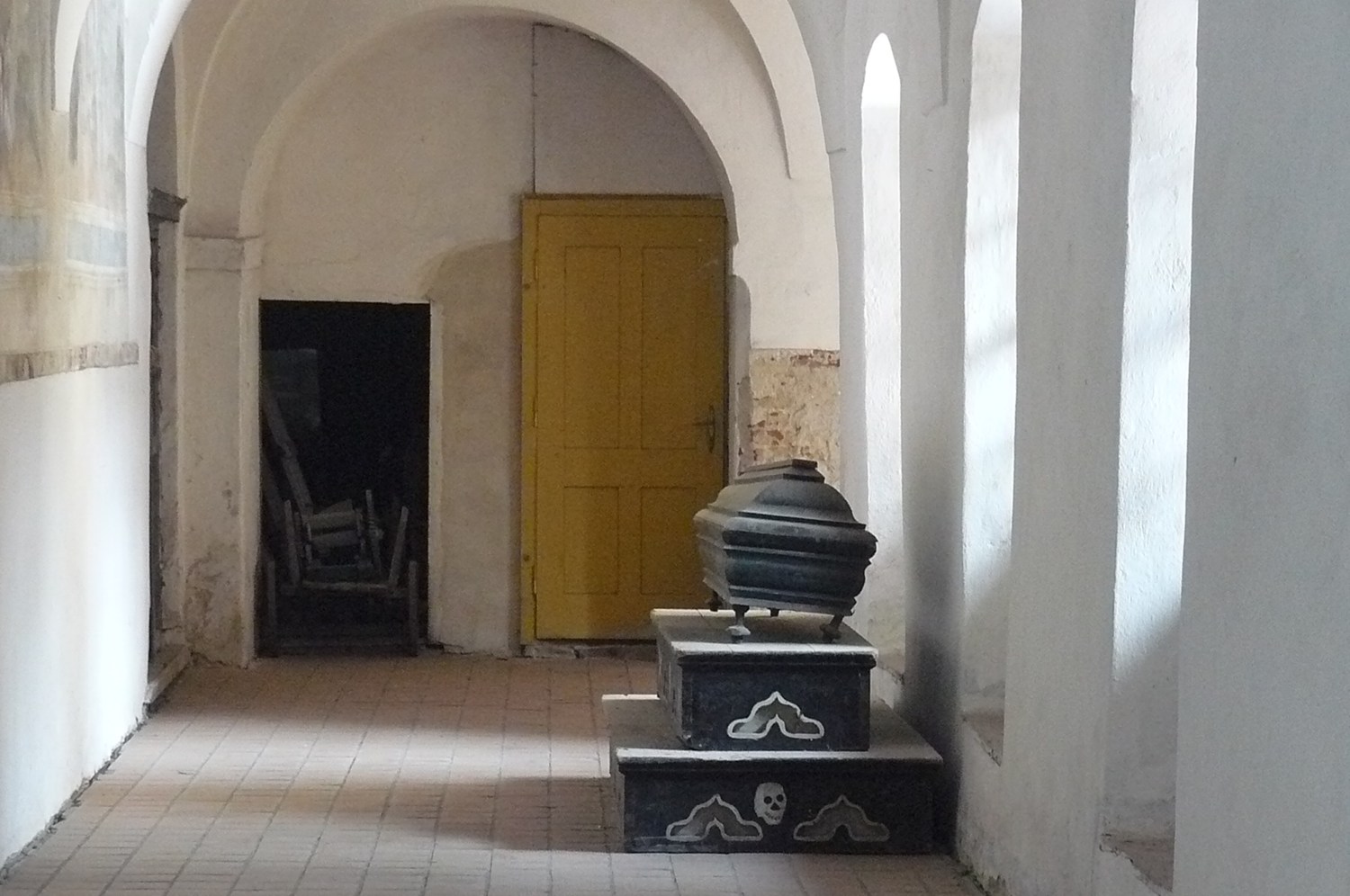
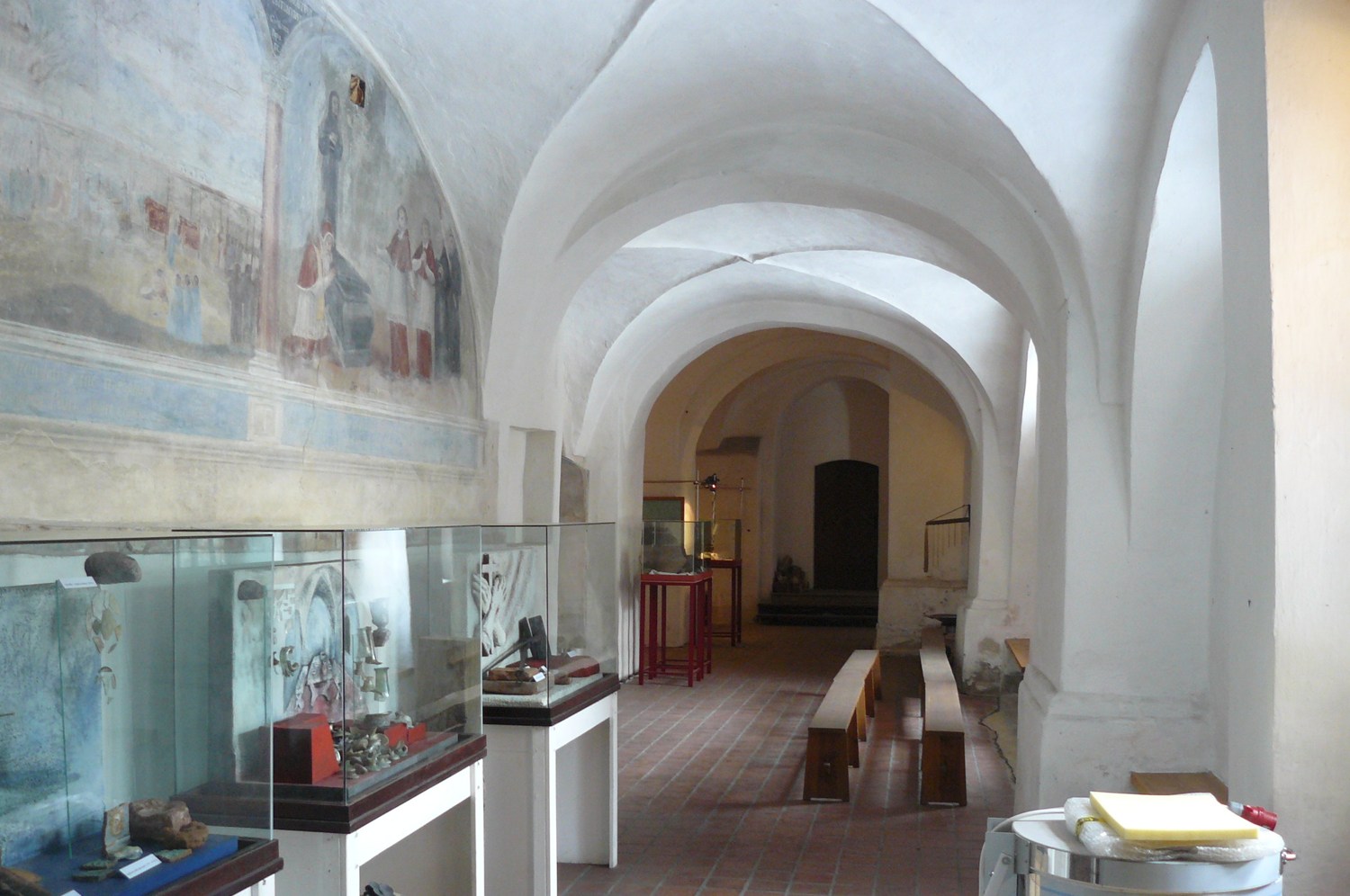
Cover: vaulted corridor in the Pyzdry regional museum, photographed March2013. Archival interior view, not a current layout or access survey. Photo: MOs810 / Wikimedia Commons, CC BY-SA 3.0. Resized and recompressed under the same licence.
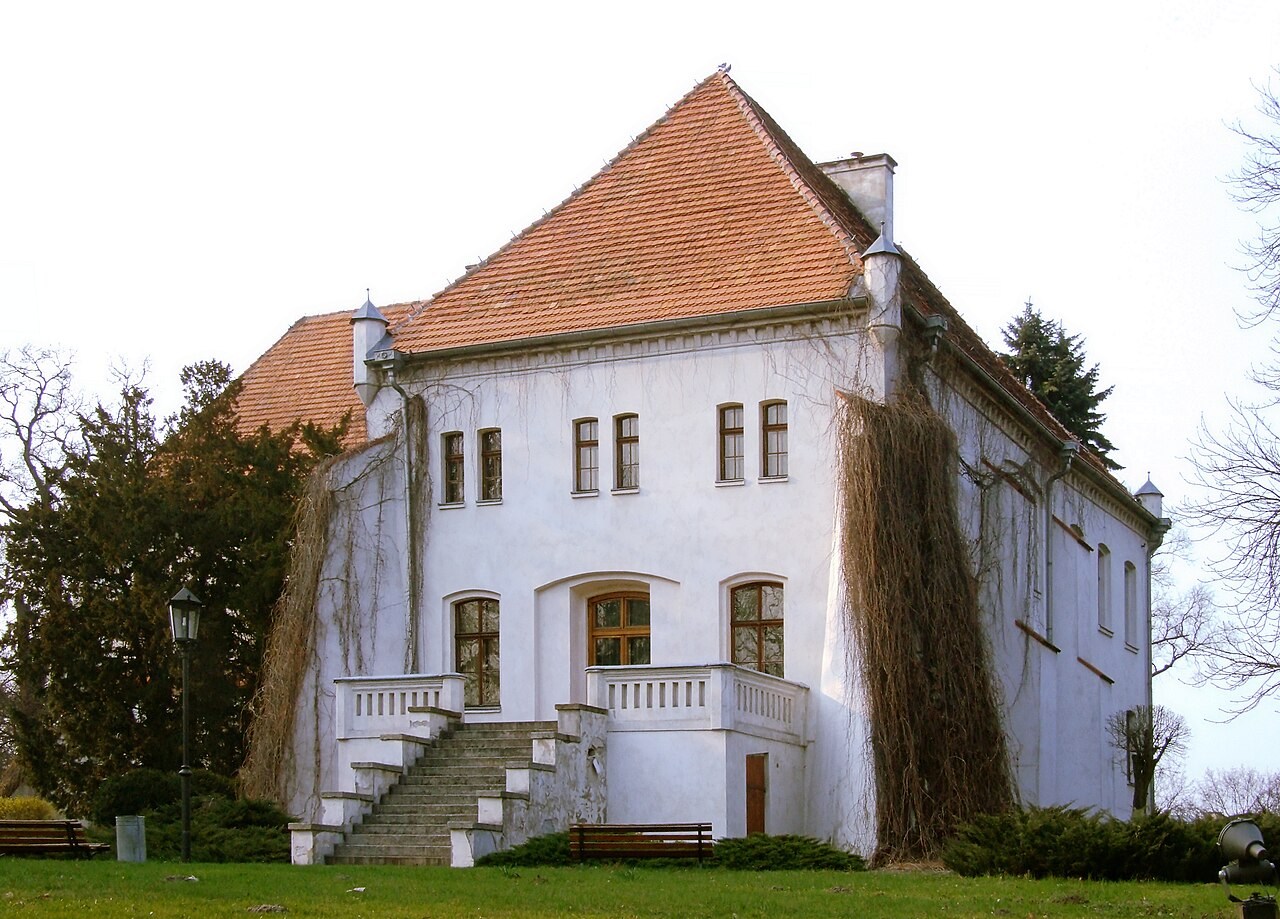
Pyzdry's regional museum offers a useful combination for a small-town visit: former Franciscan monastery rooms, traces of the town's royal past, and Ice Age animal remains recovered from nearby gravel workings. It is not simply a display about monks, and it is not the same building as the arcaded house on the market square. Knowing that before you arrive makes the different addresses and older visitor descriptions much easier to understand.
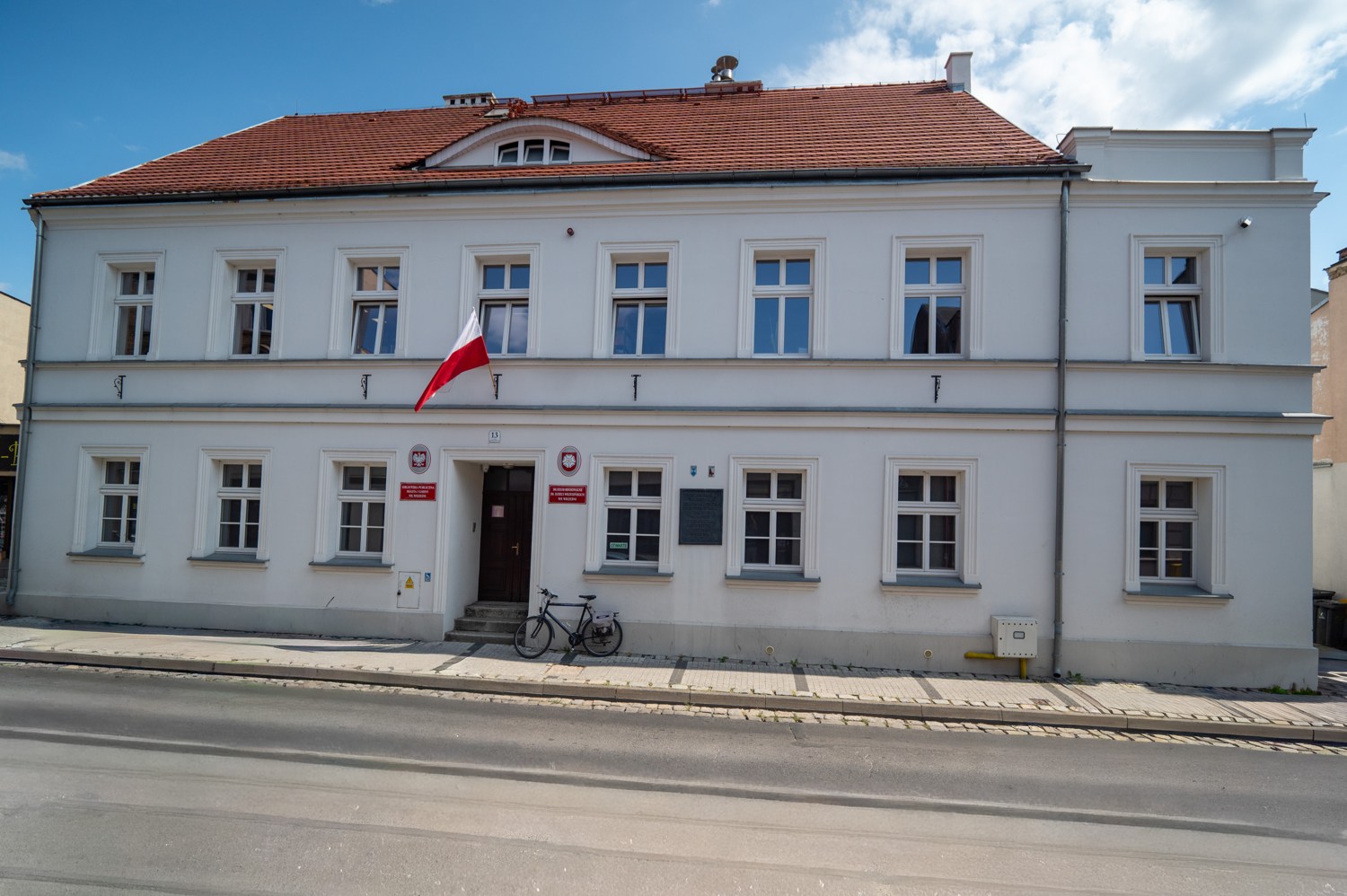
The main museum is at ul. Kaliska 25A. In the October-April season, the published timetable is Tuesday-Friday 09:00-16:00 and Saturday-Sunday 12:00-16:00; Mondays and holidays are closed. Ticket prices need a separate check: the official page called “Bilety-online” did not expose a usable tariff when checked, and third-party prices disagree. Do not turn a low price on an old listing into a guaranteed budget.
Start with the monastery address, not just the museum's name
The regional tourism organisation's description places the museum in the former Franciscan buildings and divides its collections into the history of the town and region, ethnography, and the history of the local religious community. It also identifies an ethnographic part in the arcaded house on the Rynek. These are related parts of the town's museum story, not interchangeable destinations.
The museum's own history says it was founded in 1957, initially in an eighteenth-century arcaded house. It moved into the former monastery in 1985. The cloisters were added to the exhibition area in 1997, opening up access to late-medieval and Baroque wall paintings. Those dates explain why a guide can correctly mention both a market-square house and a monastery without describing one building.
For a first visit, use Kaliska 25A as your starting point and ask which spaces are available that day. If the arcaded house matters to your plans, ask about its separate access rather than assuming that the monastery timetable, ticket and entrance cover everything on the same terms. The museum can also explain how to connect the two parts without relying on an outdated visitor route.
Winter weekends begin at noon
The seasonal timetable appears on the museum's accessibility and visitor-information page, and the same seasonal hours are listed by the municipality. From 1 October through 30 April, weekday opening from Tuesday to Friday is 09:00-16:00; weekend opening is 12:00-16:00. A Saturday morning arrival can therefore be too early even though the museum opens earlier on weekdays.
From 1 May through 30 September, Tuesday-Friday hours change to 10:00-17:00 and Saturday-Sunday hours to 13:00-17:00. Mondays and holidays are listed as closed. These are opening hours, not a published last-admission time. Do not plan to arrive at the final minute with an expectation that staff will keep every room available after closing.
If travelling specifically for the museum, confirm holiday arrangements and any temporary closure before setting out. The main contact repeated by the museum is +48 63 220 57 33, with email [email protected]. Ask about your intended date and buildings together so that a confirmation about the main museum is not mistaken for a promise about a separate site.
Why this guide does not quote a confirmed ticket price
The museum's online-ticket page supplies hours and contact details but did not provide a readable price table or an actionable purchase in the material checked for this guide. Its title alone is not evidence that an online ticket can currently be bought. No booking or purchase is made through this article.
A travel account published in August 2025 reports 8 zł normal and 5 zł reduced admission, while another visitor directory lists 5 zł and 3 zł. Neither is a current official tariff. Rather than picking the more convenient figure, ask the museum for today's normal and reduced prices, eligibility requirements and whether any extra exhibition or guide fee applies. This also avoids assuming that a price for a named gallery covers every museum space.
If you want a guide in English, ask about language and availability as well as cost. A Polish-language service in a directory does not establish an English-language option. Similarly, the absence of a price on the readable official page does not mean admission is free. The useful confirmed information here is where to go, when the museum normally opens, and what questions remain before committing to a paid visit.
The former monastery is part of the experience
The museum's institutional account describes exhibition rooms in spaces formerly used as a refectory, monastery kitchen and cellars, together with the cloisters. This gives the visit an architectural layer: you are moving through a reused religious building rather than a purpose-built gallery with neutral rectangular rooms. The walls and circulation deserve attention alongside the cases.
The cloisters contain late-medieval and Baroque frescoes according to the museum's history. Look at the relationship between painted surfaces, vaults and the rhythm of the corridor, not only at individual objects behind glass. That is a suggested way to read the space, not a claim that every stretch of historic painting is equally complete or that conservation work never affects access.
The photographs in this guide are archival views from March 2013. They show the real museum interiors but do not establish today's case positions, lighting, open doors or accessible routes. A photograph can help you recognise the character of a place without being reliable evidence that an entrance is currently available.
Ice Age animals make a strong starting point
The museum's collection entry for prehistoric animal bones identifies remains recovered from gravel workings near Spławie. It names woolly rhinoceros, reindeer, giant deer, mammoth, musk ox, Pleistocene horse and steppe bison among the animals represented. This is a local collection connected to material found in the surrounding landscape, not a generic dinosaur display.
The musk-ox skull receives particular attention in the museum's description. The entry supplies specimen ages, but those precise numbers are not needed to appreciate the main point: the animals belong to the Pleistocene world and connect today's river landscape with a very different environment. Ask staff which specimens are on display if one particular animal is the reason for bringing a child.
For a family visit, choose a few comparisons rather than trying to memorise every date. How does a skull differ from the animal you pictured? Which remains are easy to recognise without a label? These are ways to look closely at an exhibition, not promises of handling objects or a staffed children's workshop included in ordinary admission.
Royal documents, a castle model and a replica cannon
The town-history account connects Pyzdry's crafts and trade with royal patronage. Among the documents it describes is a 1531 privilege issued by King Sigismund the Old for the shoemakers' guild. Such a document is a useful counterweight to a purely military story: a town's importance was also expressed through organised trades, rights and the records needed to protect them.
The museum also describes a model of the royal castle and material from archaeological work. A model helps explain a structure that cannot simply be understood by looking at the present townscape. Treat it as interpretation based on evidence, not as a surviving medieval building you will necessarily enter after leaving the museum.
The artillery display needs another distinction. The museum describes its bombarda as a replica. An evocative historic-looking gun should not therefore be presented as an original fourteenth-century object. For visitors, separating originals, reconstructions and models makes the history clearer rather than less interesting: each answers a different kind of question about the past.
The nineteenth-century border and the 1863 uprising
The museum's historical introduction also covers the battle fought near Pyzdry on 29 April 1863 and the insurgent forces associated with Edmund Taczanowski. Its description names a border post and a pine connected with the fighting among the reminders of that period. The story places the town within the divided political geography of the nineteenth century, rather than treating the uprising as an isolated local episode.
For a visitor unfamiliar with Polish history, it is worth keeping the periods separate: royal-town documents, the monastery's history and the nineteenth-century uprising do not describe one continuous moment. Let the objects anchor each section. A guild document, a reconstructed weapon and a border marker have different purposes and evidence behind them, even when displayed within the same compact museum.
Ground-floor galleries do not mean step-free access
The museum's accessibility declaration says the exhibition is on the ground floor, but explicitly states that wheelchair entry is not possible and that the building has no lift. It mentions a visitor toilet on the ground floor without describing it as adapted. These details matter more than a general “ground-floor museum” label on a third-party page.
The declaration says assistance and guide dogs may enter, and identifies visitor parking on ul. Zamkowa. It also says the museum lacks equipment for blind or partially sighted visitors and for people with hearing impairments. The declaration was originally prepared in September 2020 and lists January 2026 as the website's last significant update; that is not a fresh physical-access inspection. Confirm a workable arrangement directly before travelling if any of these features determines whether you can visit.
Pyzdry works best as a visit with clear priorities: the monastery interiors and frescoes, the unusual local animal-bone collection, or the town's long documentary history. Check the current ticket, choose the correct seasonal opening, and establish which buildings and rooms you want to see. That leaves you free to enjoy the collection without confusing a second address, an archival photograph or an old directory price with a current promise.
Frequently asked questions
When does the museum open on winter weekends?
The published October-April timetable is Saturday-Sunday12:00-16:00, Tuesday-Friday09:00-16:00, with Mondays and holidays closed.
What does admission cost?
A current official tariff was not visible on the ticket page, and third-party figures disagree. Confirm today's prices, concessions and guide fees with the museum.
Are the galleries step-free?
The declaration places exhibitions on the ground floor but explicitly says wheelchair entry is not possible. It lists no lift and does not describe the toilet as adapted. Confirm your requirements before travelling.