Skiing in Poland: Helmet, Alcohol and Slope Rules by Law
Short answer: On Polish organised ski areas, helmets are compulsory under 16, skiing drunk is banned, and the operator must run and fund ski rescue. Call 112 or local ski rescue.
Poland's ski season usually runs through the winter in the Tatras, the Beskids, the Sudetes and the Bieszczady. If you are new to skiing here, the rules that apply on a marked ski area are set in national law: the Act on Safety and Rescue in the Mountains and on Organised Ski Areas (ustawa o bezpieczeństwie i ratownictwie w górach i na zorganizowanych terenach narciarskich, consolidated text Dz.U. 2022 poz. 1425, published by the Marshal of the Sejm on 9 June 2022). This guide summarises what the act requires of skiers and snowboarders and of the ski area operator. The consolidated text is from 2022, so check the current version for later amendments.
Which rules apply where
The act separates "mountains" from "organised ski areas" (zorganizowane tereny narciarskie). Under art. 2, "mountains" means a list of ranges, including the Tatras, the Bieszczady, the Gorce, the Pieniny and the Beskid and Sudety ranges, excluding built-up settlements and public roads. A ski area is a place run by an operator with marked downhill runs, lifts and information for guests. The helmet and alcohol rules below apply on an organised ski area.
Helmet and alcohol
- Anyone who skis downhill or snowboards on an organised ski area up to the age of 16 must wear a protective helmet designed for the purpose.
- Skiing or snowboarding on an organised ski area while drunk or under the influence of an intoxicating substance is forbidden.
- The operator or a person authorised by the operator can refuse entry, or order a person to leave, when their behaviour clearly shows they are drunk or under the influence of drugs.
The act sets the helmet rule for people under 16. For adults it is a safety choice, not a legal requirement, but check the rules of the specific resort, which may add its own conditions.
Duty of care on the slope
Art. 29 requires every skier and snowboarder on an organised ski area to take due care to protect their own life and health and that of others. In particular they must:
- read and follow the rules for the area, the facility or the equipment;
- obey the signs of command and prohibition posted by the operator;
- ride at a speed suited to their skills, the difficulty and condition of the run, the weather and the traffic;
- use ski or snowboard equipment that works properly and suits the activity, as intended;
- report an accident or a missing person to the ski rescuers without delay.
The act also tells people on a ski area to give way at once to a rescuer moving with rescue equipment, and to vehicles used by rescue services and by the operator for urgent work on the lifts or safety. Rescue vehicles use blue flashing lights with a changing-tone siren, and operator vehicles use yellow flashing lights and a siren.
What the operator must provide
The operator has several duties under the act.
- Inspect the safety measures, the marking and the condition of the ski area, its facilities and its lifts every day before opening and after closing.
- Post the rules of use at the entrances, in particular where tickets are sold and at lift stations.
- Display maps of the area showing the runs, their difficulty, length and marking, and the places where first aid is given, along with information about closed runs, snow conditions, temperature, wind speed and visibility, and how to report accidents, with the numbers of local ski rescue and the emergency numbers.
- Organise and pay for rescue work on the area it manages. It may do so by contract with an entity authorised to carry out mountain rescue.
Outside the ski area: general mountain rules
On mountain trails and in the backcountry, the act says people must take due care for their own life and health and for that of others. In particular they have to learn the rules of the area, follow the signs set by the responsible bodies, and adapt their plans to their skills, the current weather, the forecast and the avalanche bulletin for the area, following the recommendations and limits that come with the declared avalanche danger level.
Who to call
In the Tatras, the TOPR volunteer rescue service says to call 985 for rescuers, and 112 if the signal is weak. The Tatra National Park lists TOPR's emergency number as +48 601 100 300, and also names 985 and 112. It recommends installing the free RATUNEK app before you set out. On an organised ski area, the map and information boards must show the local ski rescue number.
This is a summary of the act, not legal advice, and it does not replace a resort's own terms. Check the resort's rules and the current text of the act before you go.
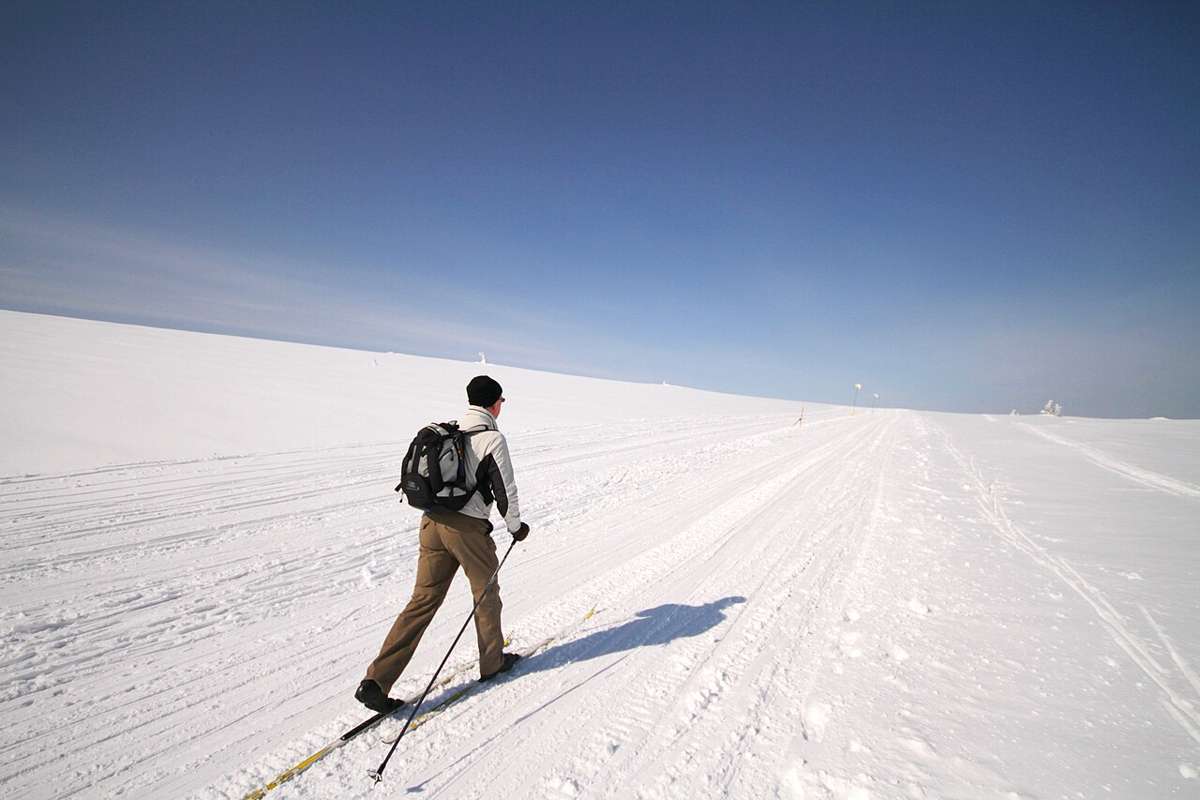
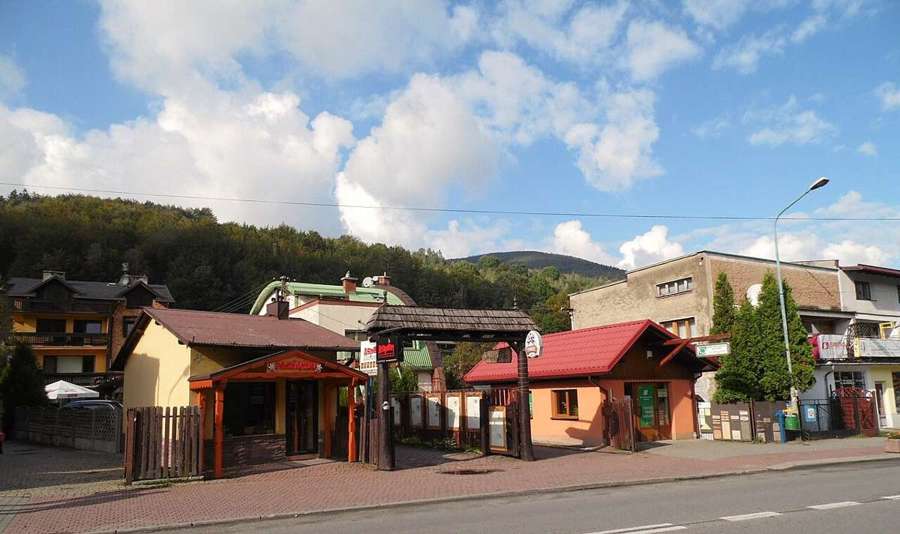
* Photos: Szczyrk (summer street view, CC0, Wikimedia Commons) and cross-country skiing on a clear day (CC0, Wikimedia Commons); illustrative.
Frequently asked questions
Is a helmet compulsory when skiing in Poland?
Yes for skiers and snowboarders under 16 on an organised ski area. The act does not make it compulsory for adults, but a resort can set its own rules.
Can I ski after drinking alcohol in Poland?
No. The act forbids skiing or snowboarding on an organised ski area while drunk or under the influence of an intoxicating substance, and the operator can refuse entry or order you off the area.
Who to call after a ski accident in Poland?
Tell the ski rescuers on the area straight away, as the act requires. The operator must post the local ski rescue number and the emergency numbers on its information boards. You can also call 112.
Who pays for rescue on an organised ski area?
The act says the operator organises and finances the rescue work on the area it manages.