How to Talk About Attraction Respectfully When Dating in Poland
The essentials: Keep it short, specific and sincere: compliment smiles, eyes and style early ('swietnie wygladasz', 'masz piekny usmiech'), never body parts or sexualized remarks, and take a no in one sentence. Chivalry signals respect but creates no debt.
Telling someone you find them attractive is one of the oldest moves in dating, and one of the easiest to get wrong in a second language. In Poland the margin for error is actually generous: Polish compliment culture is direct, sincerity beats polish, and a well-chosen sentence in imperfect Polish lands better than a slick line in English. What matters is what you compliment, when, and how you handle the answer. This guide covers all three, with the phrases to do it properly.
How complimenting works in Polish culture
Polish compliments are short, direct and sincere - a cultural difference from the elaborate, ironic praise common in English. Three structural rules, documented by language tutors, make a compliment sound natural: keep the sentence short and clear rather than decorative; stress the second-to-last syllable, as in most Polish words; and match the adjective's gender ending to the person you are addressing (-y or -i for a man, -a for a woman). Formality matters too: *ty* (informal "you") is normal between dates and peers, while *pan* and *pani* (sir, madam) belong with strangers, older people and professional settings. Complimenting a stranger on the tram in the *ty* form is a double error - wrong register, wrong context.
Sincerity is the second pillar. Polish etiquette guides warn that learned formulas sound artificial or even ironic; a compliment works when it is precise observation - something you actually noticed about this person - rather than a line that could be sent to anyone. This is not folk wisdom only: linguists at the University of Łódź have studied compliments as the standard opening move in first messages on the Polish dating portal Sympatia.pl, which tells you both that the move is normal here and that recipients have seen every generic version of it.
Data source: preply.com Polish compliments guide (updated 14 January 2026), twojstyl.pl etiquette guide (26 October 2021), and V. Frankowska's University of Łódź linguistic analysis of compliments in Sympatia.pl opening messages, checked 22 October 2026.
The phrases that work
Verified, natural Polish for expressing attraction, with what each actually says:
- Świetnie wyglądasz. - You look great. The all-purpose opener, works for any gender, warm without being intense.
- Masz piękny uśmiech. - You have a beautiful smile. Specific, safe, and the most universally welcomed appearance compliment.
- Ładnie ci w tym. - That looks nice on you. Compliments a choice - the outfit - rather than a body, which is exactly why it works early.
- Masz piękne oczy. - You have beautiful eyes. Classic, a step more intimate; better on a date than in a first message.
- Podoba mi się twój styl. - I like your style. About taste, not anatomy.
Notice the pattern: smile, eyes, style, outfit. The safe territory is the face and the person's choices. The further a compliment moves from those two, the more established the relationship needs to be to carry it.
Data source: preply.com Polish compliments guide (updated 14 January 2026), checked 22 October 2026.
Timing: the ladder from match to relationship
On the apps. Appearance is the currency of first messages - the Łódź research exists precisely because complimenting is the default opener on Polish dating portals. The way to stand out is specificity: reference something in the profile (a photo from a hike, a book in the background, a stated interest) and add one short compliment, not three. *Świetnie wyglądasz na tym zdjęciu z Tatr* - you look great in that Tatra mountains photo - beats a bare *jesteś piękna* every time.
On the first date. One compliment early is expected and settles the "is this a date?" question gently. *Świetnie wyglądasz* when you meet does the whole job. Then stop counting and let the conversation carry the evening; a second compliment lands when it reacts to something real - the laugh, the story, the way they talk about their work.
As dating progresses. Compliments can move closer to the body as intimacy grows, guided by reciprocity: match the register your partner sets, and let them cross each line first. A relationship that is three dates old and one where you have met the family live in different compliment territory.
In a long-term relationship. Poles compliment less habitually than Americans - daily automatic praise is not the local default - so do not read a quiet week as fading interest, and do not let your own compliments become wallpaper either. The respected pattern here is consistency with meaning: fewer compliments, each one specific and meant. A *świetnie wyglądasz* at the door before an ordinary dinner, five years in, is worth more than a generic one every morning.
A note for women dating Polish men
Everything above runs identically in the other direction, with one amplification: men receive appearance compliments rarely enough that a single specific one - *masz piękny uśmiech*, *świetnie wyglądasz* - lands with unusual weight. The grammar rule to remember is the adjective ending: masculine -y or -i, feminine -a, so *ładnie ci w tym* works for everyone but *piękny* (handsome/beautiful, masculine) becomes *piękna* for a woman. Polish men raised on the chivalry script are not used to being courted back; doing it sincerely is remembered.
What crosses the line
The same short list applies in Poland as anywhere, but it is worth stating plainly:
- Body-part comments early on. Anything about legs, figure or curves in a first message or first date reads as a sexual advance, not a compliment.
- Sexualized remarks at any stage without an established intimate relationship. Directness in Polish culture means sincerity, not explicitness.
- Negging - the backhanded compliment designed to lower confidence. Polish directness makes the insult half land harder, and the tactic is as transparent here as everywhere.
- Catcalling. Shouting at strangers on the street is not a compliment in any culture and reads as aggression in Poland as elsewhere. Do not mistake it for local flirting style if you witness it.
- Persistence after a no. A compliment repeated after a lukewarm or negative response stops being a compliment and becomes pressure. Polish dating culture values directness in both directions: *nie czuję chemii* (I do not feel the chemistry) is a complete sentence, and so is the silence after it.
- The workplace. Keep professional contexts professional. A colleague's new haircut can earn *ładna fryzura*; anything warmer belongs outside the office or not at all.
The Polish context: chivalry is about respect, not debt
Foreigners dating in Poland often notice the traditional layer first: opening doors, walking on the street side of the pavement, helping with a coat, paying for the first date, bringing flowers. Cultural guides describe these behaviours as automatic signals of respect and serious intent rather than patriarchal performance - and note that skipping them entirely gets noticed early on, especially by dates over 30. The flowers tradition has its own famous rule: always an odd number of stems, because even numbers are for funerals.
Two things follow for expressing attraction. First, in Poland gestures and words work as one system: *świetnie wyglądasz* plus held doors plus three roses reads as coherent, traditional courtship, and it is a register many Polish dates genuinely appreciate. Second - and this is the line that keeps all of it respectful - no compliment and no gesture creates an obligation. Chivalry that expects repayment is not courtship; it is invoicing. The respectful version of attraction is an offer, and an offer can be declined.
Data source: advisiore.com Polish dating culture guide (16 December 2023), checked 22 October 2026.
Reading the answer
Polish communication is more literal than Anglo small talk, which makes responses easier to read than you might fear. A compliment that lands gets warmth back: a smile held a beat too long, *dziękuję, miło mi* (thank you, that is kind), a compliment returned. A compliment that does not land gets politeness without expansion - a short *dzięki* and a subject change. Treat the second as information, not a challenge. If you are told directly that the interest is not mutual, the graceful exit is one sentence: *Rozumiem, miło było poznać* - I understand, it was nice to meet you. In a culture that respects directness, taking a no gracefully is itself remembered as class. The same applies when the answer is yes but slow: interest in Poland often warms over several meetings rather than one, so patience reads as confidence, not hesitation.
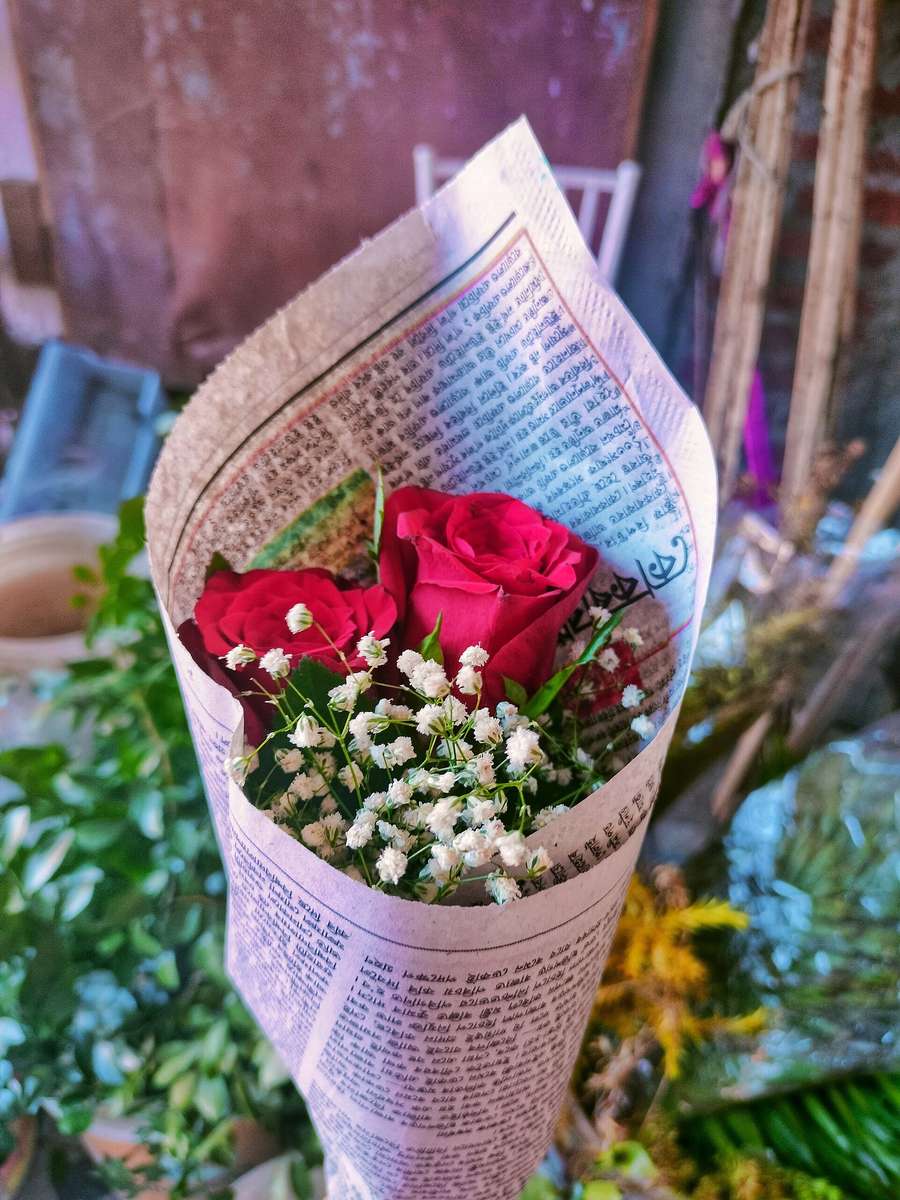
*Photos: cover - Kgbo, CC BY-SA 4.0, via Wikimedia Commons; interior - Papori Bora, CC BY-SA 4.0, via Wikimedia Commons.*
Frequently asked questions
How do I tell someone they are beautiful in Polish without overdoing it?
Use *świetnie wyglądasz* (you look great) or *masz piękny uśmiech* (you have a beautiful smile). Both are warm, natural and safe early. *Jesteś piękna* (you are beautiful, to a woman) is stronger and better saved for a date that is going well.
Is it normal to compliment a date's appearance in Poland?
Yes - complimenting is the documented standard opening move on Polish dating portals, and one sincere compliment early in a first date is expected. Specific and short beats elaborate; smile, eyes and style are the safe territory.
What compliments should I avoid early on?
Anything about body parts, anything sexualized, and any line so generic it could be sent to anyone. Also avoid repeating a compliment that got a polite but cool response - repetition turns it into pressure.
Do Polish dating customs expect men to pay and bring flowers?
Traditional chivalry - paying for the first date, holding doors, an odd-numbered bouquet - is still common and read as a sign of serious intent, especially among dates over 30. It signals respect; it never creates an obligation on the other side.