Warsaw vs Kraków for LGBTQ+ Expats: Community and Nightlife
The essentials: Warsaw offers Poland’s largest, most anonymous LGBTQ+ scene and job market; Kraków is 13-20% cheaper with a compact, dense community around Kazimierz. Both have mayor-backed equality marches and active venues; the cities are 2.5 hours apart.
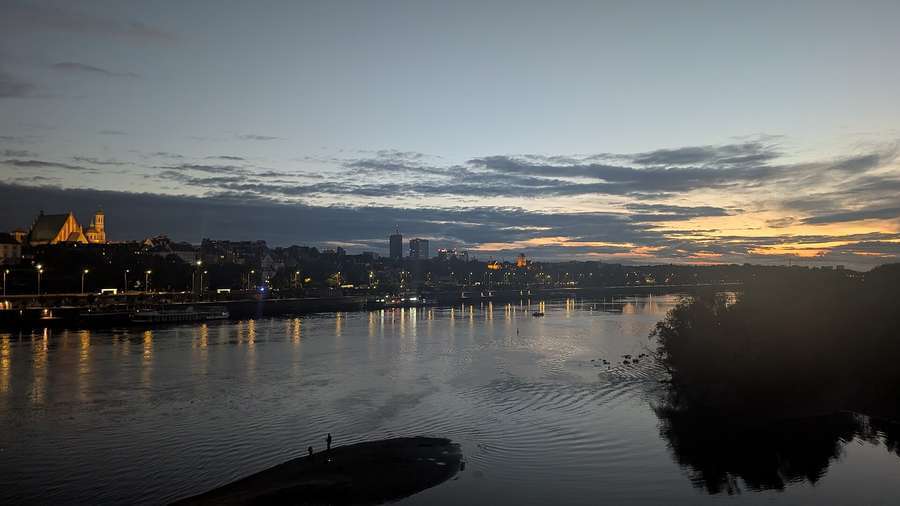
For LGBTQ+ expats, the Warsaw-versus-Kraków question is not really "which city is better" - it is "which scale of community do you want to live inside". Warsaw offers Poland's largest, most anonymous and most internationally mixed LGBTQ+ scene; Kraków offers a smaller, denser, cheaper one where everybody knows the same five venues. Both are genuinely livable, both have active communities and annual equality marches with city-hall patronage, and the two cities are 2.5 hours apart by train. This guide compares community, nightlife, everyday life and cost, with current data. For the national legal picture, see our LGBTQ+ rights overview.
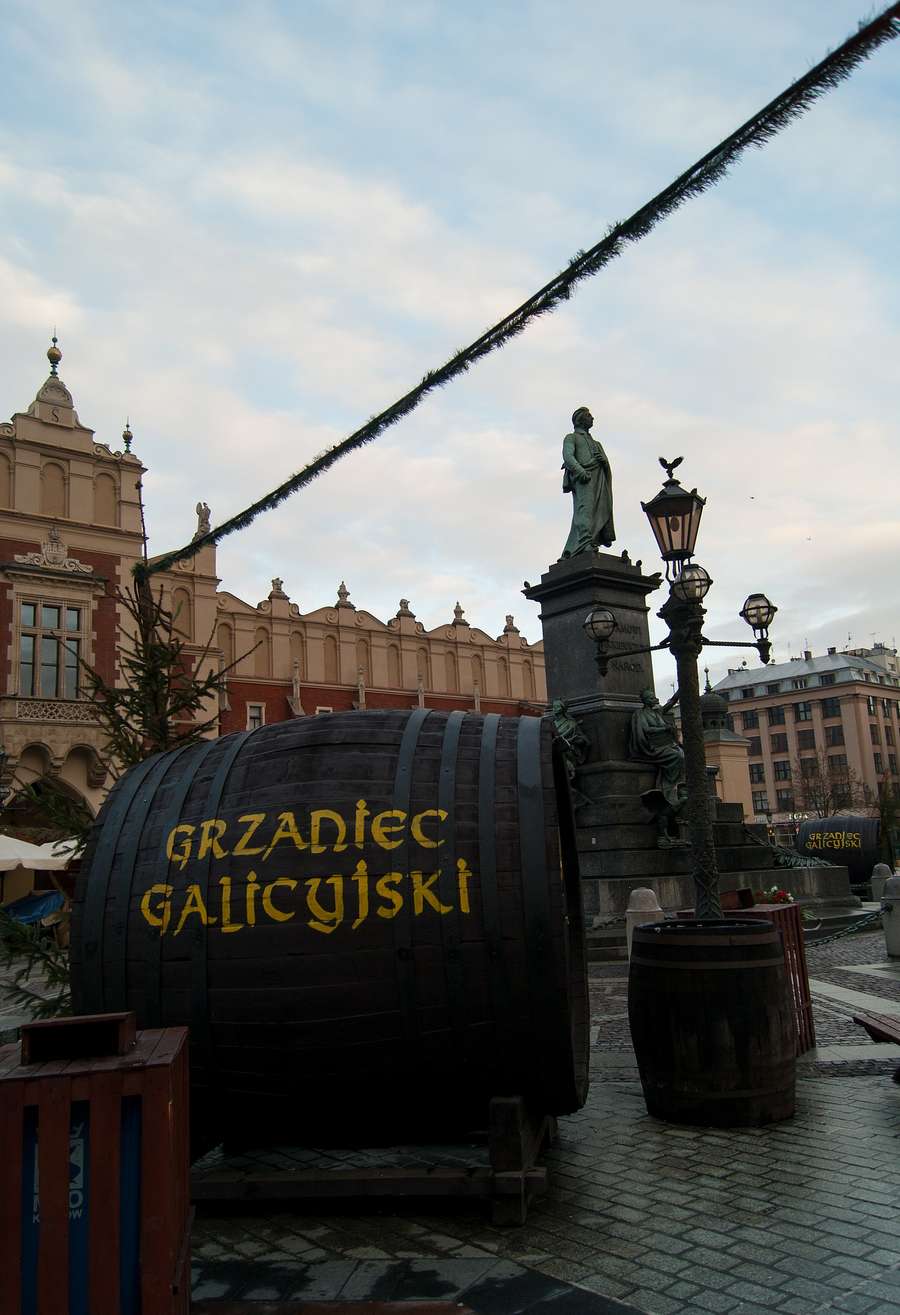
Community scale: big pond vs dense pond
Warsaw's LGBTQ+ community is the country's largest by a wide margin - big enough to sustain parallel scenes that barely overlap: the bar circuit around Plac Zbawiciela, the sports leagues (Volup Warsaw and friends), QueerMuzeum Warszawa, burlesque at Madame Q, and dedicated community organizations like Lambda Warszawa, which has run its helpline and shelter since 1997. Kraków's community is smaller but unusually organized for its size: a venue cluster around Kazimierz and the old town, the Krakofonia LGBT+ choir, and the equality-march organization that has run the Marsz Równości annually - its 22nd edition marched on 23 May 2026 under the motto "Nie rzucim ziemi", from the National Museum to Rynek Podgórski, under the patronage of mayor Aleksander Miszalski as part of "Maj Równości 2026". Academic research on Kraków's gay and queer population describes exactly this pattern: a compact, venue-anchored community whose social life concentrates in a handful of spaces rather than dispersing across a metropolis. Data sources: cowkrakowie.pl Marsz Równości 2026 coverage, krakowexpats.pl LGBT+ guide 2026, checked 22 October 2026.
The practical difference: in Warsaw you can be as anonymous or as embedded as you choose; in Kraków you will know the regulars within a month - which some newcomers experience as instant belonging and others as a fishbowl.
Nightlife head to head
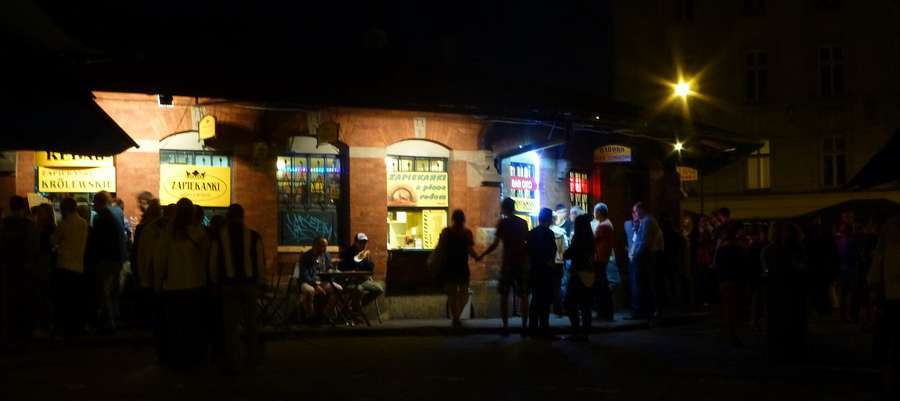
Warsaw's scene is the deeper bench. The current guide lists La Pose, Metropolis, Ramona, Glam and Lodi Dodi among the bars, saunas (Heaven, The Fire, Instytut Bar), Madame Q's burlesque, the Złoty Kociołek café's events, and the Plac Zbawiciela-Oleandrów strip as the de facto gaybourhood - with the standard caution to stay alert in Praga Północ late at night. Kraków's list is shorter but real: Club Papuga and Cabaret, Lindo Bar, ZOO Club, Diva Club, Twierdza, Slay Space (the former Barka), Blue XL and the Spartakus sauna. Warsaw has a scene for every night of the week; Kraków has a good scene for Friday and Saturday and a quiet one the rest of the week. Data sources: thefabryk.com Warsaw guide (updated 29 May 2026) and krakowexpats.pl LGBT+ Kraków 2026, checked 22 October 2026.
Parades and public visibility
Both cities run major public events with municipal support - a marker of how much has changed. Warsaw's Equality Parade on 14 June 2025 drew thousands under the motto "love is the answer", organized by Fundacja Wolontariat Równości, with the Miasteczko Równości festival village in Park Świętokrzyski and the mayor in attendance; the parade has run since 2001 and regularly tops 10,000 participants. Kraków's 22nd Marsz Równości in May 2026 filled the center with crowds and marched under the city mayor's patronage. In both cities, parade week is when the community is most visible - and when newcomers find it easiest to plug in. Data sources: TVP World parade coverage, cowkrakowie.pl, checked 22 October 2026.
Neighborhoods and where community life sits
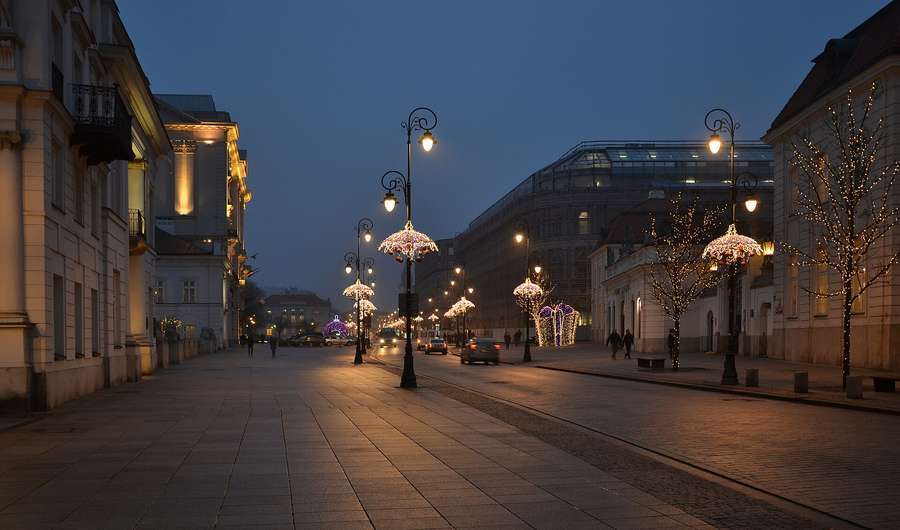
In Warsaw, LGBTQ+ geography clusters south of the center: Plac Zbawiciela with its rainbow-installation history and the café strip toward Oleandrów forms the recognizable gaybourhood, with bars and venues scattered toward Śródmieście and Powiśle. Living anywhere along the central tram lines puts the scene within fifteen minutes. In Kraków the map is even tighter: the venues and community life sit between the Old Town and Kazimierz, so a flat in Kazimierz, Podgórze or the Old Town fringe means walking distance to essentially everything the scene offers. That compression is Kraków's hidden quality-of-life advantage - the city is small enough that "the scene" and "your neighborhood" can be the same place, something no Warsaw district quite achieves.
Making friends: the two different on-ramps
The friendship question is where the scale difference bites hardest. Warsaw on-boards through organized infrastructure: sports leagues, choirs, volunteering at the parade organization, community-center events, and the endless expat meetups where LGBTQ+ internationals find each other first. You build a circle deliberately, event by event. Kraków on-boards through repetition: become a regular at two venues and one community event, and the scene absorbs you within weeks because it is small enough to notice new faces. Introverts often find Kraków's repetition model easier - no sign-ups, no group chats to crack, just showing up until you are a familiar face. Extroverts who want volume, variety and a fresh crowd every weekend will hit Kraków's ceiling within a season.
Everyday life: acceptance, work, dating
Day-to-day experience tracks the national data's urban pattern. In CBOS's August 2024 survey, acceptance of gay and lesbian people ran 64% in cities of 100,000-500,000 and highest among under-25s at 59% - big-city Poland is where acceptance concentrates, and both capitals qualify. In practice: same-sex couples draw no attention in central Warsaw or central Kraków; both cities have international employers with diversity policies; and both dating scenes run on the same apps (Grindr's 700,000+ Polish users cluster in the biggest cities), with Warsaw's pool several times Kraków's size and Kraków's compensated by density - see our dating culture guide. Warsaw's expat bubble is far larger, which cuts both ways: easier to arrive speaking only English, easier to never quite arrive in Polish life. Data source: CBOS 88/2024, survey 14-25 August 2024.
The money question
Kraków wins on cost, decisively. Current 2026 estimates put Warsaw 13-20% more expensive overall, with the gap concentrated exactly where expats feel it: rents 16-30% higher (a modern one-bedroom in the center runs 4,000-5,500 zł in Warsaw versus 3,200-4,200 zł in Kraków), restaurants and groceries 18-23% cheaper in Kraków, and entertainment 21-32% cheaper. Warsaw claws some of it back with higher salaries and a far deeper job market - especially for English-only professionals, where Warsaw's corporate sector is simply in another league. Data source: polandradar.com 2026 cost comparison based on Numbeo and Expatistan data, checked 22 October 2026.
Making friends: the two different on-ramps
The friendship question is where the scale difference bites hardest. Warsaw on-boards through organized infrastructure: sports leagues, choirs, volunteering with the parade organization, community events, and the endless expat meetups where LGBTQ+ internationals find each other first. You build a circle deliberately, event by event. Kraków on-boards through repetition: become a regular at two venues and one community event, and the scene absorbs you within weeks because it is small enough to notice new faces. Introverts often find Kraków's repetition model easier - no sign-ups, no group chats to crack, just showing up until you are a familiar face. Extroverts who want volume, variety and a fresh crowd every weekend will hit Kraków's ceiling within a season.
Healthcare and services
Both cities have the essentials. Warsaw has the PKD point at Chmielna 4 - free anonymous HIV, syphilis and HCV testing with English consultations, Monday-Friday 9:30-19:30 - plus the country's deepest bench of LGBTQ+-listed specialists (see our Warsaw healthcare guide). Kraków has its own PKD point and the national NGO programs - Miłość Nie Wyklucza's free psychological help, KPH's legal duty line (796 132 001) - are available from anywhere in Poland (see our support groups guide). On services, Warsaw's advantage is depth, not access.
Which one for you
Choose Warsaw if you want: the largest dating pool and scene, anonymity on demand, English-first daily life, the deepest job market, and you accept paying roughly 15-20% more for it. Choose Kraków if you want: a tight community you can actually join, lower rent, a postcard city where the scene is compact but warm, and you work remotely or in Kraków's solid tech and services sector. And the escape-hatch fact: at 2.5 hours by train, neither choice locks you out of the other's parade, parties or friends. Most LGBTQ+ expats in Poland end up spending real time in both.
The weekend test
Still undecided? Do what seasoned expats do: spend one full weekend as a local in each city before signing a lease. In Warsaw, do a Friday on Plac Zbawiciela, a Saturday community event and a Sunday coffee in Powiśle. In Kraków, do a Friday in Kazimierz, a Saturday venue crawl from Lindo to Papuga and a Sunday walk across the river to Podgórze. The city where Sunday evening finds you already planning the next weekend is your answer - and the 2.5-hour train means the runner-up stays in your life anyway.
Frequently asked questions
Is Warsaw or Kraków better for LGBTQ+ expats?
Warsaw has the larger, more anonymous scene, deeper nightlife and more jobs; Kraków is 13-20% cheaper with a compact, welcoming community. Both have annual equality marches with city-hall patronage and active LGBTQ+ venues.
Does Kraków have a gay scene?
Yes - a compact one: venues like Papuga, Lindo, ZOO, Diva and Slay Space, the Spartakus sauna, the Krakofonia choir, and the Marsz Równości, whose 22nd edition marched in May 2026 under the mayor's patronage.
How much cheaper is Kraków than Warsaw?
2026 estimates put Kraków 13-20% cheaper overall: rents 16-30% lower (central one-bed 3,200-4,200 zł vs 4,000-5,500 zł), food 18-23% lower and entertainment 21-32% lower - partially offset by Warsaw's higher salaries. * Photos: Oleslawlama (CC BY-SA 4.0), Guillaume Speurt (CC BY-SA 2.0), via Wikimedia Commons.