Gay-Friendly Cafés and Social Spaces in Warsaw
The essentials: Warsaw's LGBTQ+ daytime scene centers on Plac Zbawiciela: event-hosting cafés like Złoty Kociołek, QueerMuzeum Warszawa, Amondo Kino screenings and Volup Warsaw sports groups. Events run through Queerszawa on Instagram and KPH; the Equality Parade has run since 2001.
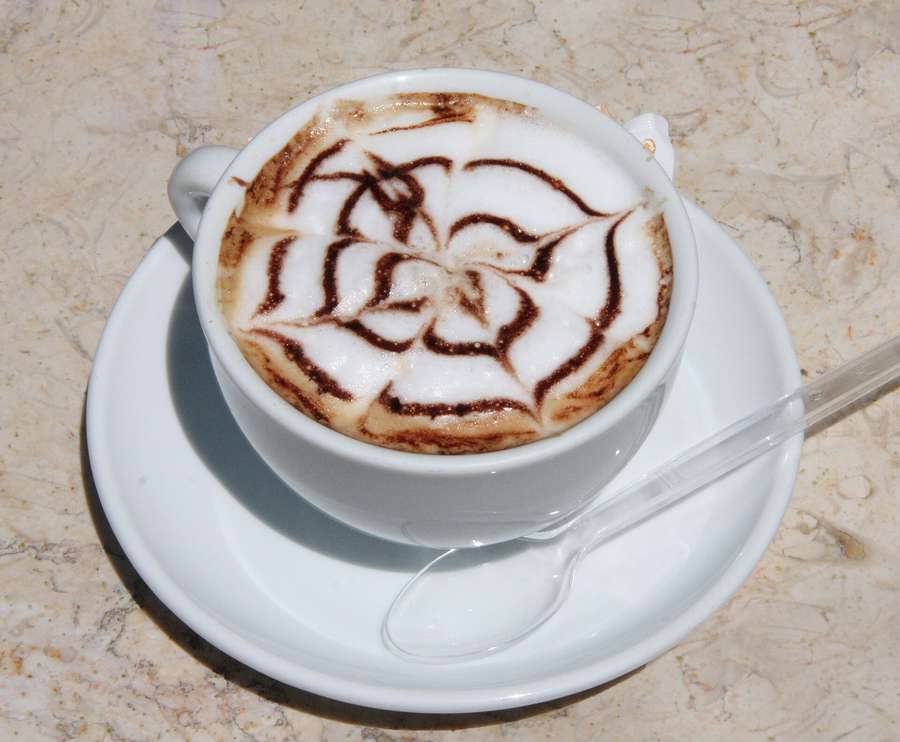
Warsaw's LGBTQ+ social life does not start when the bars open. The city's daytime scene - cafés, cultural spaces, sports groups and queer-run community venues - is where expats actually build friendships, and it is bigger than most guides admit. The capital is Poland's most visibly queer-friendly city, with the scene concentrated around Plac Zbawiciela and the streets toward ul. Oleandrów, plus pockets across the center. This guide maps where to go by day, with the venues named and the sources dated. Nightlife is a different article's business; here we keep the lights on.
The geography: one square, three streets
Everything orbits Plac Zbawiciela. The roundabout with its distinctive church is the scene's unofficial center: gay-friendly cafés and bars ring it, the crowd is mixed and international, and the streets south toward Oleandrów and north toward Nowy Świat carry most of the rest. Staying or living within a fifteen-minute walk of the square puts nearly every venue in this guide in easy reach - which is why our Warsaw LGBTQ+ hotels guide steers readers to Śródmieście. Data source: TheFabryk gay Warsaw guide (updated 29 May 2026), checked 22 October 2026.
Cafés with an actual queer pulse
Złoty Kociołek is the name that comes up first: an LGBTQ+-friendly café that regularly hosts gay-friendly events, recommended specifically as a place to meet locals and foreigners alike outside nightlife. It is the closest thing Warsaw has to a community living room. Data source: TheFabryk gay Warsaw guide, checked 22 October 2026.
Beyond named queer-friendly spots, Warsaw's third-wave coffee culture is functionally inclusive everywhere. Śródmieście's specialty cafés - the vegan and specialty cluster around Poznańska and Hoża streets is the one gay travel writers keep noting - are young, international and mixed as a matter of course. The distinction that matters in Warsaw is not "gay café" versus "straight café" but "central café" versus "outer-district café": in the center, nobody looks twice. Data source: TheFabryk gay Warsaw guide, checked 22 October 2026.
Café etiquette is laptop-friendly: lingering over one coffee for two hours with a book or a laptop is normal, prices run about 12-18 zł for a cappuccino in the center, and table service is the rule at sit-down places - you do not bus your own cup.
Culture as social infrastructure
QueerMuzeum Warszawa deserves first mention: a non-heteronormative exhibition and meetup space in the city - part gallery, part community living room, and one of the easiest places in Warsaw to walk into alone and talk to people. Data source: TheFabryk guide, checked 22 October 2026.
Amondo Kino (Kino Amondo) screens LGBTQ+ films from time to time and is recommended as a date spot - the queer film programming in Warsaw clusters in the art-house cinemas rather than multiplexes. Data source: TheFabryk guide, checked 22 October 2026.
For readers, English-language queer book clubs and discussion groups circulate through the same venues and are announced through community channels; see the section on staying plugged in below.
Sports and hobby groups: the underrated route
If small talk over coffee is not your strength, join a team instead. Volup Warsaw runs LGBTQ+ sports groups you can simply join - the fastest structured way to meet people in the city outside bars. Across Europe, queer sports clubs are the single most reliable friendship engine for new arrivals, and Warsaw's follows the pattern: weekly training, mixed levels, drinks after. Data source: TheFabryk guide, checked 22 October 2026.
The same logic applies to running clubs, climbing gyms and board-game nights around the center: none are formally queer, all are de facto mixed. The LGBTQ+-specific layer sits on top through event announcements.
Weekday rhythms: when to go
The daytime scene has its own clock. Cafés around Plac Zbawiciela fill with remote workers from mid-morning on weekdays - the expat and freelancer crowd overlaps heavily with the queer crowd here - and turn social from about 5 PM. Saturdays are brunch territory and the slowest-paced, friendliest time to strike up a conversation; Sundays are quiet, with some venues closed. Community events cluster on weekday evenings, which surprises newcomers: the logic is that weekends belong to the nightlife venues, so the social and cultural programming happens Tuesday to Thursday. Plan your exploration accordingly rather than concluding the scene is dead on a Sunday afternoon.
Daytime-friendly bars: the crossover venues
Some bars function as social spaces long before night. Ramona Bar and Glam are friendly hangs as much as night venues, and Madame Q runs gay-friendly burlesque in a queer-welcoming setting - all named among the scene's welcoming core in 2026 guide coverage. In the early evening these rooms feel closer to a café with beer than a club: conversations possible, newcomers unremarkable. Data source: TheFabryk gay Warsaw guide (updated 29 May 2026), checked 22 October 2026.
Parks and public space
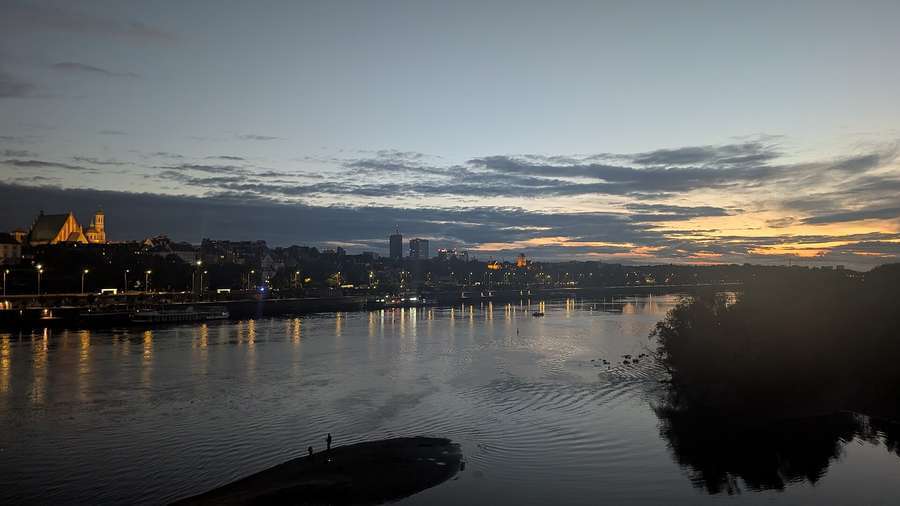
Warsaw's queer social life spills outdoors in summer. Łazienki Park and the Vistula boulevards are the default weekend territory for everyone in the center, and the riverbank below the Old Town fills with mixed crowds on warm evenings - blankets, portable speakers, and an unwritten rule of live-and-let-live that newcomers consistently notice. The Equality Town fair during parade week takes over Park Świętokrzyski with community stalls, food and stages - the one day a year when the whole scene is in a single park and every organization in this guide has a table. Data sources: TheFabryk guide and PR24/ESKA coverage of the 2025 parade, checked 22 October 2026.
The events calendar: when the whole community shows up
Warsaw has hosted the Equality Parade since 2001 - one of Europe's longest-running prides - and recent editions have drawn crowds in the tens of thousands: the 14 June 2025 parade filled the center under the slogan "Love is the answer," anchored by the Equality Town fair at Park Świętokrzyski, with the mayor attending. Parade day and the weeks around it are when every café and space in this guide runs at full capacity and every community group tables at the fair - if you can time your arrival or your exploration for June, do it. Data sources: TheFabryk guide and TVP World parade coverage, checked 22 October 2026.
For women specifically
Warsaw's scene historically skewed male in its venues, but that has been changing: queer women's parties, FLINTA*-coded nights and lesbian socials are now regular fixtures, announced through the same Instagram channels rather than a fixed bar. The practical difference for women arriving in Warsaw is to anchor on events and groups first - the parties find you through the feed - rather than venue-hopping the way the men's scene supports. The café and culture layer in this guide is fully mixed.
Staying plugged in
Warsaw's LGBTQ+ social life is announced, not advertised. The channels that matter: Queerszawa on Instagram for events and parties; KPH (Campaign Against Homophobia) for community and advocacy events, with English-language assistance by email; Lambda Warszawa for services and volunteering. Following those three covers essentially everything public in the city. Data source: TheFabryk guide, checked 22 October 2026.
A word on how venues survive here
Warsaw's queer venues are small businesses in a country without the legal backstops of Western Europe, and they run on loyalty. The scene's etiquette reflects that: regulars greet staff by name, events are announced last-minute on social media rather than weeks ahead, and venues occasionally move or rename - checking a venue's current Instagram before a visit is standard practice, not paranoia. If a named venue in this or any guide has shifted by the time you read it, the Queerszawa feed is where its successor surfaces first.
Practical notes for daytime socializing
- Language: English works in every venue named here; Polish small talk earns warmth fast.
- Costs: cafés 12-18 zł a coffee; cinema around 30 zł; sports groups usually low-cost or donation-based.
- Solo arrivals: event nights at Złoty Kociołek or a Volup training are the two lowest-threshold entries; showing up alone is normal at both.
- Caution note: the center is relaxed, but the same 2026 guide advises extra care in parts of Praga Północ for visibly queer visitors, especially late - the center-east riverbank is not Plac Zbawiciela.
Frequently asked questions
Where do LGBTQ+ people hang out in Warsaw during the day?
Around Plac Zbawiciela: LGBTQ+-friendly cafés like Złoty Kociołek (which hosts events), queer cultural spaces like QueerMuzeum Warszawa, art-house cinemas such as Amondo Kino, and LGBTQ+ sports groups like Volup Warsaw.
Is Warsaw's café culture welcoming to queer expats?
Yes - centrally. The specialty-coffee scene in Śródmieście is young, international and mixed by default, and named gay-friendly venues exist around Plac Zbawiciela. The welcome thins in outer districts.
Can I work remotely from these cafés?
Yes - Warsaw's center cafés are laptop-friendly by custom, and the Plac Zbawiciela area doubles as the city's expat remote-work territory. Buy a coffee every hour or two and nobody minds a long stay.
How do I find LGBTQ+ events in Warsaw?
Follow Queerszawa on Instagram for parties and events, KPH for community events with English assistance, and Lambda Warszawa for services and volunteering. June's Equality Parade season concentrates the year's events.