Fat Thursday in Poland 2027: Date, Pączki and Traditions
The essentials: Tłusty Czwartek (Fat Thursday) falls on Thursday, 4 February 2027 - the last Thursday before Ash Wednesday opens Lent. Poles mark it by eating pączki (filled doughnuts) and faworki (crisp pastry ribbons), roughly 100 million doughnuts nationwide. It is not a public holiday; bakeries open as usual but queue from dawn.
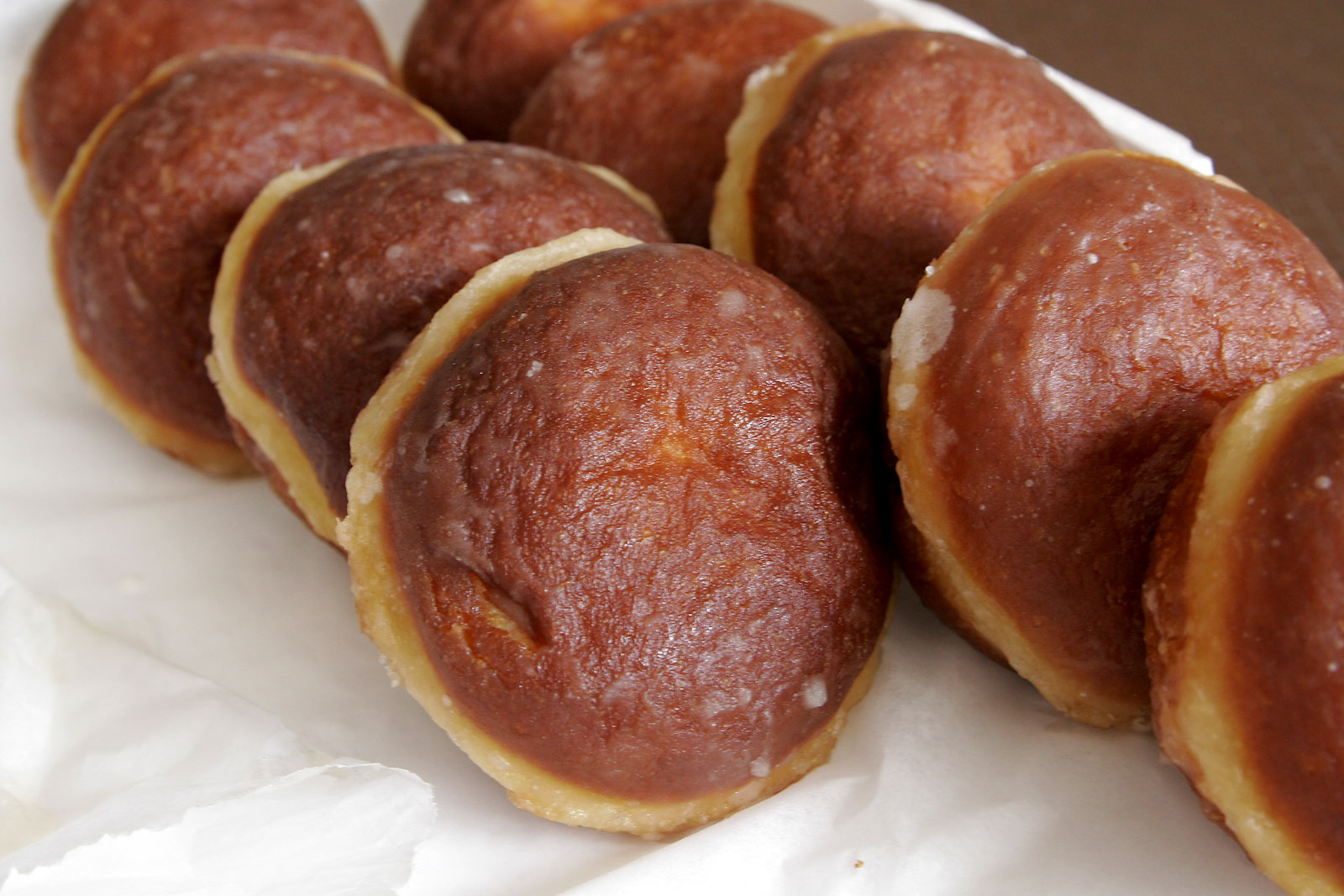
On one Thursday every February, Poland synchronises around a doughnut. Bakery queues form before dawn, office kitchens fill with greasy paper boxes, and strangers on the tram compare where they got theirs. This is Tłusty Czwartek - Fat Thursday - the country's favourite food tradition and the loudest day of the carnival calendar. In 2027 it falls on Thursday, 4 February.
If you are spending your first February in Poland, this guide covers the date, the pastries, the history and the practical business of actually getting your hands on a good pączek.
When is Fat Thursday 2027?
Tłusty Czwartek is a movable feast tied to Easter. It falls on the last Thursday before Ash Wednesday, the first day of Lent. In 2027, Ash Wednesday falls on 10 February, which puts Fat Thursday on 4 February - the first Thursday of the month. The date is confirmed by the Kalendarz Świąt holiday calendar.
The day opens the final week of karnawał, the carnival season that runs from Epiphany to Lent. Historically this closing stretch - called zapusty or mięsopusty - was the last chance for feasting before forty days of fasting, which is exactly why the food is unapologetically rich.
* Data source: Kalendarz Świąt Fat Thursday 2027 listing (kalendarzswiat.pl) and the Łukasiewicz research network's explainer, both checked 23 October 2026.
Why doughnuts, and why Thursday?
The religious logic is simple: Lent starts on Ash Wednesday, so the last Thursday before it became the sanctioned day of overeating. But the roots go further back. According to the Łukasiewicz research network's explainer, the custom reaches pre-Christian celebrations of the turn of winter and spring - ancient Romans marked the season with fatty foods, including bread-dough pączki stuffed with lard.
The sweet version is younger than most people assume. Ethnographers at the Rzeszów Ethnographic Museum note that sweet pączki probably arrived from Arabic cuisine, and that the pastry's familiar round, fluffy form dates only from the 18th century, when yeast came into use. Before that, Polish pączki were flatbreads stuffed with bacon or lard and eaten with vodka or beer during the zapusty feasts. A 16th-century custom hid almonds or nuts inside; whoever found one was promised luck for the rest of the year.
* Data source: Łukasiewicz - Poznań Institute of Technology explainer (published 15 February 2023) and Rzeszów Ethnographic Museum article (published 1 March 2019), checked 23 October 2026.
How the date is calculated
Because Tłusty Czwartek is anchored to Easter, it can fall anywhere between late January and early March. The chain runs like this: Easter 2027 falls on Sunday, 28 March; Lent opens forty-six days earlier on Ash Wednesday, 10 February 2027; and Fat Thursday is the last Thursday before that, 4 February. In years with a late Easter the same chain pushes the feast into March, so it is worth checking the calendar each winter rather than assuming a February date.
Poland is not the only country with a pre-Lenten doughnut day - neighbours mark the season with similar pastries - but the Polish version is unusual in landing on a Thursday rather than on Shrove Tuesday, and in centring on one specific pastry rather than pancakes or carnival food generally. It is also worth separating Tłusty Czwartek from Ostatki, the last Tuesday of carnival, which older tradition treated as the true end of the feasting season.
* Data source: Kalendarz Świąt Fat Thursday 2027 listing (kalendarzswiat.pl) and Rzeszów Ethnographic Museum article (1 March 2019), checked 23 October 2026.
Pączki: the numbers and the classic filling
The scale is worth a moment. Citing BNP Paribas bank's February 2020 calculation, the Łukasiewicz explainer reports that Poles eat around 100 million pączki on Fat Thursday - an average of 2.5 per person. A 2017 Tesco survey found only 4 percent of Poles planned to skip the custom entirely, while 47 percent intended to eat three to five doughnuts, with young men aged 18-30 the biggest eaters.
Ask confectioners what people actually buy and the answer is traditional: rose-hip jam filling with a glaze on top. Modern variations - advocaat, chocolate, salted caramel, children-brand-inspired fillings - are gaining ground, but rose remains the benchmark. Artisanal pączki look slightly irregular; supermarket versions are machine-made from frozen dough mixes and cost less. Locals argue about which bakery in their city is the best with an intensity usually reserved for football.
* Data source: Łukasiewicz - Poznań Institute of Technology explainer (15 February 2023), checked 23 October 2026.
Faworki: the day's second pastry
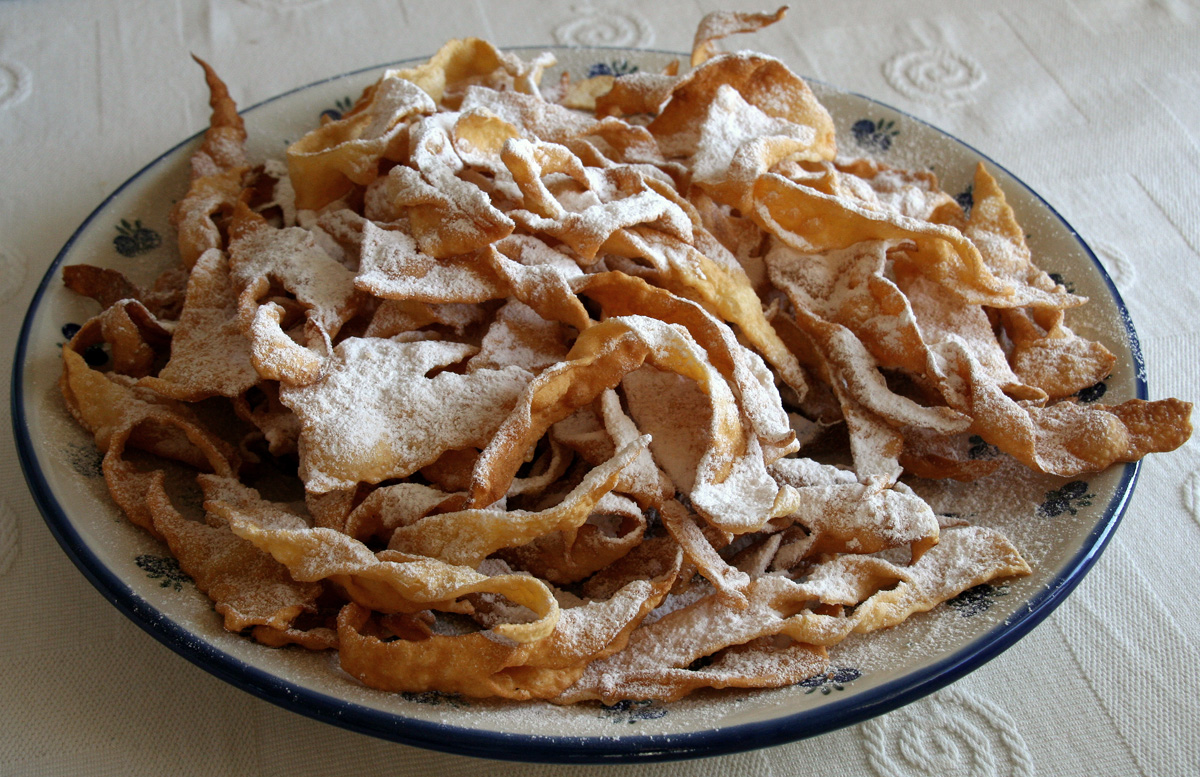
Faworki are Fat Thursday's crunchy counterpart: thin dough ribbons folded into loose bows, deep-fried and buried under icing sugar. Depending on the region you will hear them called chrust, chruściki or chruścik - the Rzeszów museum lists all three names for the same pastry. They keep far longer than pączki, so home bakers produce trays of them across the whole carnival season, not just on the day itself. If someone at work offers you a plate of "chrust", do not look confused - it is faworki under a regional name.
* Data source: Rzeszów Ethnographic Museum article on Fat Thursday (1 March 2019), checked 23 October 2026.
From manor houses to everyone
Pączki on Fat Thursday started as food for the wealthy. The Rzeszów museum records that the custom took hold first at manor houses and in towns, reaching villages only at the end of the 19th and the start of the 20th century. Village versions, called pampuchy, were made from the best wheat flour and served not sweet but loaded with cracklings; poorer households that could not spare deep fat baked them in the bread oven instead. The pastries even have a literary pedigree - the 18th-century diarist Jędrzej Kitowicz wrote with awe that a modern pączek was so plump and light that the wind could blow it off the plate.
* Data source: Rzeszów Ethnographic Museum article on Fat Thursday (1 March 2019), checked 23 October 2026.
How to do Fat Thursday like a local
The day is not a public holiday, so everything runs on normal hours - the only change is the queue. Popular bakeries take pre-orders for days ahead and sell out by mid-morning; if you want a respected local pączek, ask colleagues where they order and put your name down early in the week. Offices typically share boxes, and arriving empty-handed to a family dinner on 4 February will be noticed. If queues are not your thing, buy a box the evening before - the pastry police will not check. And if you are invited to eat one, the only wrong answer is a lecture about calories: this is the one day Poland has collectively agreed not to count them.
* Photos: GFDL 1.2 fir0002/flagstaffotos via Wikimedia Commons (freshly fried pączki, cover); CC BY 2.5 Marcin Floryan via Wikimedia Commons (a plate of faworki, body).
Frequently asked questions
When is Fat Thursday in Poland in 2027?
Thursday, 4 February 2027. The date moves every year because it is tied to Easter: Tłusty Czwartek is the last Thursday before Ash Wednesday, which opens Lent on 10 February 2027. It opens the final, most festive week of the carnival season.
Is Tłusty Czwartek a public holiday in Poland?
No. Shops, offices and schools run normally. The difference is culinary: bakery queues start before dawn, offices share boxes of pączki, and many people bring a box home for the family. You do not get the day off - you just get doughnuts.
What is the difference between a pączek and a doughnut?
A pączek is a round, yeast-risen doughnut fried in deep fat, traditionally filled with rose-hip jam and glazed or dusted with sugar. Compared with an American-style doughnut the dough is richer and denser, the filling is inside rather than injected into a ring, and the classic glaze carries a faint hint of spirit, which helps the dough absorb less fat during frying.
What are faworki?
Faworki - also called chrust or chruściki depending on the region - are thin strips of sweet dough folded into bow shapes, deep-fried until crisp and showered with icing sugar. They are the second pastry of Fat Thursday and keep far longer than pączki, so home bakers make them across the whole carnival period.
How many pączki do Poles actually eat on Fat Thursday?
Estimates cited by the Łukasiewicz research network put it at around 100 million pączki nationwide - an average of about 2.5 per person, according to BNP Paribas bank's February 2020 calculation. A 2017 Tesco survey found only 4 percent of Poles planned to eat none at all.
How do I get good pączki as a foreigner?
Order or queue early. Well-known local bakeries take pre-orders days ahead and sell out by mid-morning; supermarket pączki are cheaper but machine-made from frozen mixes, while artisanal ones have a more irregular shape and fresher filling. If you hate queues, buy a box on Wednesday evening and you will still be within the spirit of the thing.