Vaccine refusal fines in Poland: what parents actually face
The essentials: Sanepid records your refusal and reports it to the wojewoda, who can fine you up to 10,000 zł per proceeding and 50,000 zł in total under art. 119 and 121 of the administrative enforcement act. A first fine is often about 500 zł; enforcement for routine refusals is financial, not physical.

Polish parents who skip mandatory childhood vaccinations do not get a single dramatic fine - they get letters, then a summons, then a growing series of fines that can repeat for years. The system is administrative, methodical, and increasingly used: refusals have roughly doubled since 2019, and regional governors now issue hundreds of fines a year. Here is exactly how enforcement works in 2026, what the real numbers look like, and where the viral claims of "50,000 zloty fines" come from.
The duty, in one paragraph
Under the Act of 5 December 2008 on preventing and combating infections and infectious diseases (art. 5 and art. 17; consolidated text Dz.U. 2025 poz. 1675), every child staying in Poland longer than three months must receive the vaccinations listed in the annual Programme of Protective Vaccinations. The duty rests on the parents or legal guardians. We cover the schedule itself in our companion guide to mandatory childhood vaccines in Poland (https://expatspoland.eu/a/childhood-vaccinations-poland-mandatory-schedule-expat-parents-guide). This article is about what happens when the duty is ignored.
Step one: the doctor reports
This is the part many parents do not expect: the reporting is automatic, not triggered by a neighbour's complaint. Under art. 17 ust. 9b of the 2008 act, the doctor holding your child's preventive care file must send the county sanitary inspector (panstwowy powiatowy inspektor sanitarny) a named list of minors who were not brought for the qualifying exam or whose mandatory vaccinations were not performed without medical contraindications - together with the parents' details. If you simply stop showing up, your clinic's paperwork still lands at sanepid.
Step two: sanepid summons
The sanitary inspectorate first tries persuasion: a written summons and an official admonition (upomnienie) inviting the parents to fulfil the duty. Inspectors describe this stage as routine and conciliatory - the goal is vaccination, not punishment. Many cases end here.
Step three: the wojewoda's fine
If the summons changes nothing, the county sanitary inspector passes the case to the regional governor (wojewoda), who can impose an enforcement fine (grzywna w celu przymuszenia) by administrative decision. The Patient Rights Ombudsman confirms this division of roles on its official FAQ page (gov.pl, updated 3 July 2024): the fine is imposed by the competent wojewoda, can reach 10,000 zloty, and can be imposed repeatedly.
The caps come from the Administrative Enforcement Act of 17 June 1966, applied here through the 2008 act: art. 119 allows the fine for obligations that no one else can perform for you, and art. 121 sets the ceilings - each single fine at most 10,000 zloty for an individual, and repeated fines cumulatively at most 50,000 zloty. A spokesman for the Chief Sanitary Inspectorate confirmed on 13 October 2025 that no new fine rules have been introduced: the wojewoda may fine parents repeatedly, each time no more than 10,000 zloty, with all fines together capped at 50,000 zloty.
There is also a second, smaller track: failing a mandatory vaccination is a petty offence under art. 115 of the Petty Offences Code, punishable by a fine of up to 1,500 zloty or a reprimand. In practice the wojewoda's administrative fines are the tool that matters.
What the fines look like in practice
Real-world amounts are far below the ceiling, at least at first. The Zachodniopomorskie regional office in Szczecin published its numbers on 23 April 2024: the first fine in that region is typically 500 zloty, rising with each repeat to several thousand. In 2021 its officials fined 103 parents; in 2022, 196; in 2023, 407 - with total fines that year exceeding 215,000 zloty. The regional governor framed it plainly: he would rather fine nobody, but the number of parents ignoring mandatory vaccinations keeps growing.
That trend is national. Reported refusals of mandatory vaccinations stood at 48,600 in 2019 and reached 87,300 in 2023, per data cited by Radio ZET (27 August 2025) - close to double in four years, against a backdrop of returning measles cases.
Courts: the duty is directly enforceable
Parents can and do challenge these fines. On 19 March 2024 the Supreme Administrative Court (case II GSK 27/21) rejected one such challenge: it ruled that the vaccination duty is directly enforceable and that failing it justifies enforcement proceedings ending in a fine for the parent. The court acknowledged the duty touches the right to private life, but held that the administrative sanctions serve important social goals. That is one published ruling on one case - other disputes turn on their own facts and procedure.
One boundary matters and is worth stating precisely: for routine childhood-vaccination refusals, enforcement is financial, not physical. The state fines parents; it does not vaccinate anyone by force, and the Chief Sanitary Inspectorate's own communications are consistent on this point - the fine is the coercive tool in the refusal regime. The 2008 act separately gives the sanitary inspectorate exceptional decision powers over people infected with, suspected of, or exposed to an infectious disease (art. 33, covering duties such as compulsory examination, quarantine or hospitalisation in acute situations) - but that regime targets active infectious-disease threats, not parents declining the childhood schedule.
The "50,000 zloty fine" myth, debunked
In October 2025, posts claiming a new 50,000 zloty fine for unvaccinated children, effective 17 October 2025, spread across Polish social media. TVN24's fact-checkers (Konkret24, 12 October 2025) traced it to a garbled reading of two facts: the pre-existing cumulative 50,000 zloty cap described above - a ceiling across years of repeated fines, not a single penalty - and a local change in Bialystok's nursery admission rules, which had nothing to do with fines. The Chief Sanitary Inspectorate's spokesman confirmed no new fine rules took effect that month. If you see the claim in an expat group, now you know.
Can you appeal a fine?
Yes - a wojewoda's fine decision can be challenged in the voivodeship administrative court, and cases can reach the Supreme Administrative Court. In the published ruling of 19 March 2024 (II GSK 27/21), the court upheld the fine mechanism in the case before it: the duty was directly enforceable, and the parent's right to private life did not override it there. Each dispute turns on its own facts - procedural defects in a summons or decision can matter - so outcomes are not uniform.
A realistic timeline
Put the pieces together and a typical case runs like this. A child misses a scheduled dose; the clinic's next report to the county sanepid includes the child's name. Weeks later a registered letter arrives - a summons to fulfil the duty, sometimes with a new proposed date. If the parents respond and arrange catch-up vaccinations, the file closes. If they ignore it, a formal admonition follows, and after that the inspector forwards the case to the wojewoda. The first fine decision - typically a few hundred zloty - arrives as an administrative decision with appeal instructions. Continued refusal restarts the cycle, and each new fine can be higher, within the 10,000 zloty single-fine and 50,000 zloty cumulative caps. At every stage, vaccinating the child ends the process: the enforcement fine exists to compel the duty, and once the duty is fulfilled there is nothing left to compel.
What this means for expat parents
Foreign parents are not a separate category: the duty, the reporting chain and the fines apply identically. The practical defence is boring and effective - register your child with a primary-care clinic, bring the vaccination records from your home country, and let the doctor reconcile the calendars. Parents who engage with sanepid's letters, even to arrange a catch-up schedule, almost never reach the fine stage. The families who get fined are the ones who ignore every letter.
If you believe your child has medical grounds for deferral, that is a doctor's decision, not a declaration: the qualifying exam and, where needed, a specialist consultation are the lawful route, and a doctor's opinion can be challenged before the Patient Rights Ombudsman's medical commission within 30 days. What does not exist in Polish law is a conscientious-objection clause - refusal on principle is exactly what the fines target.
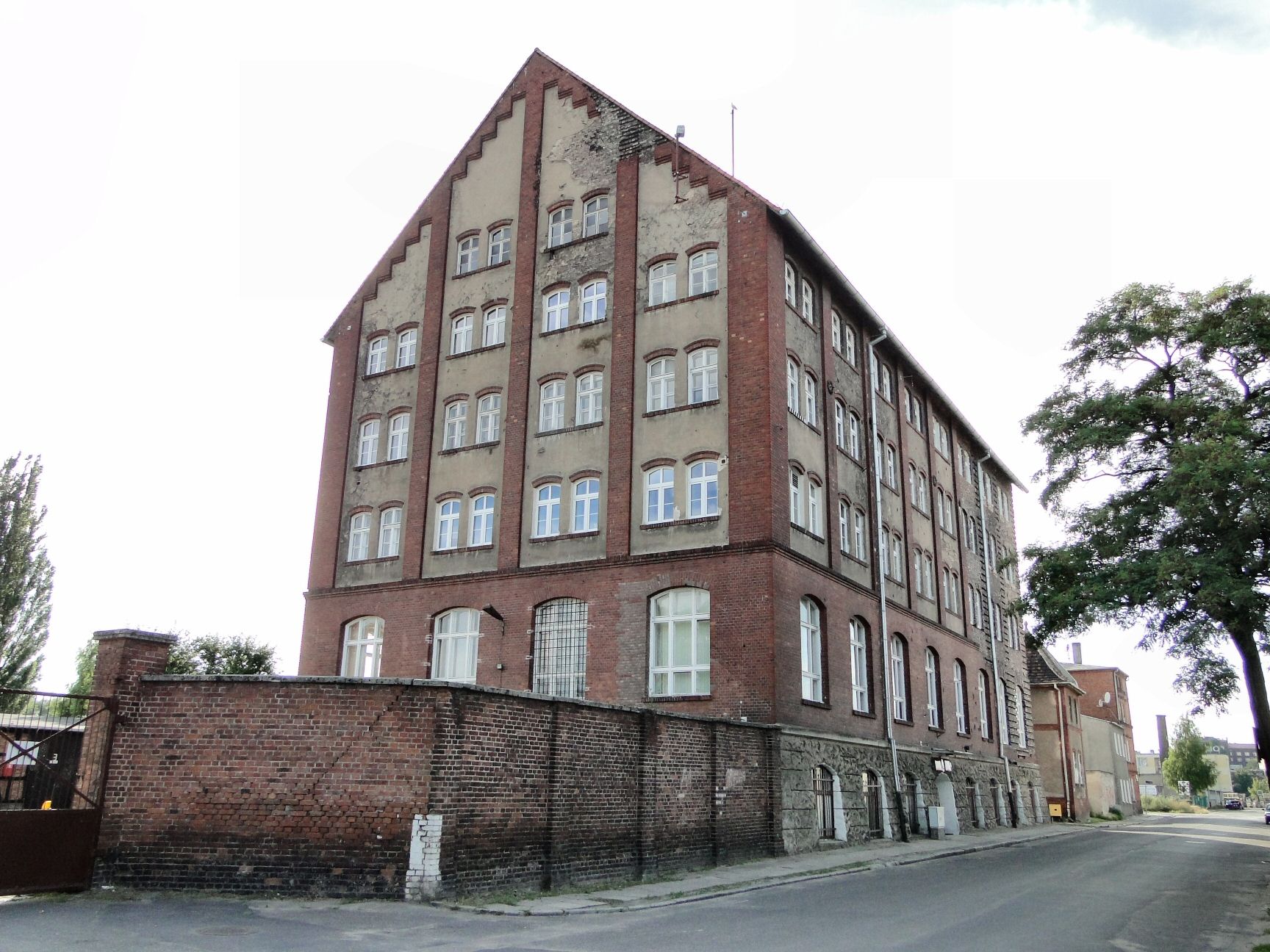
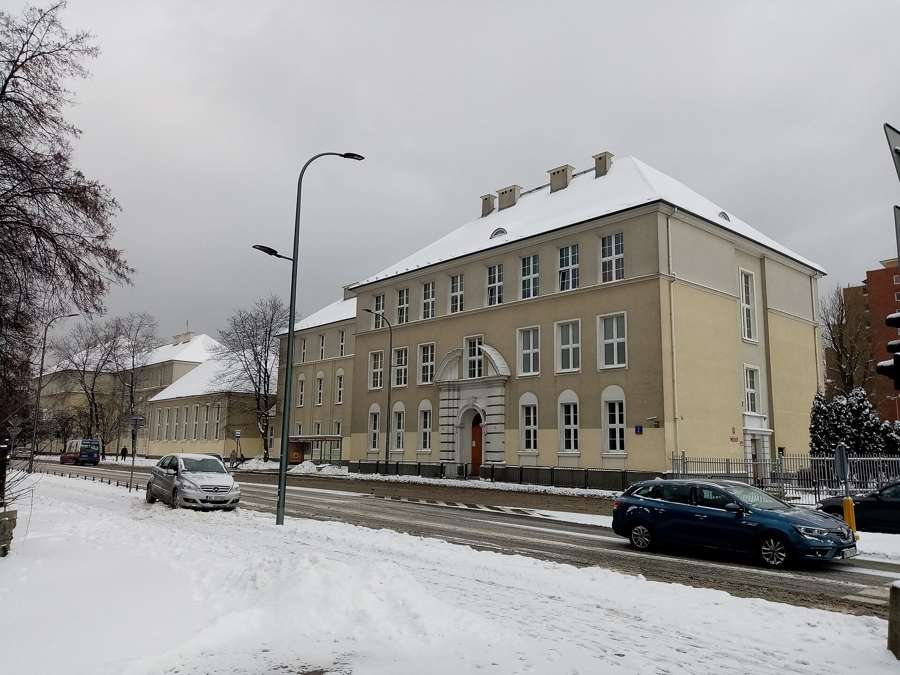
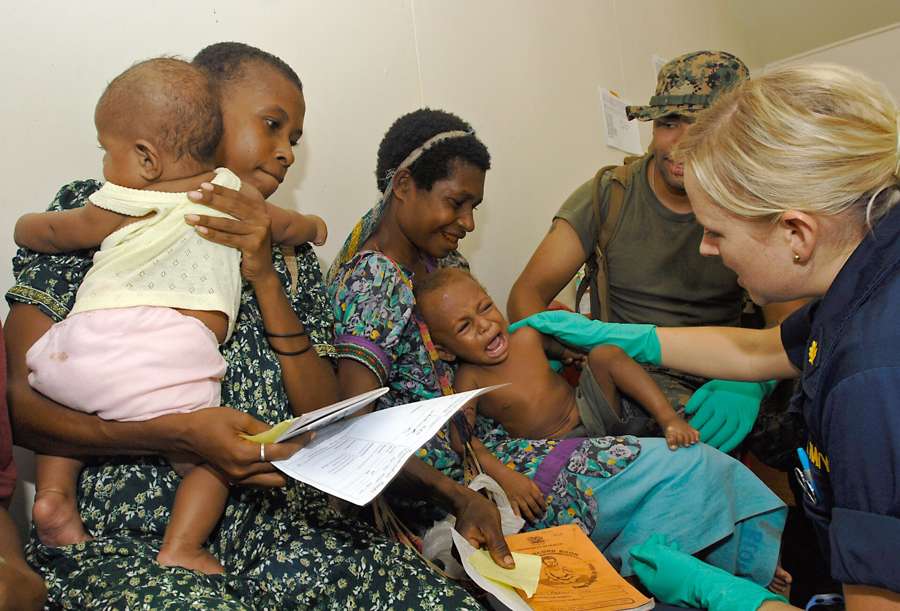
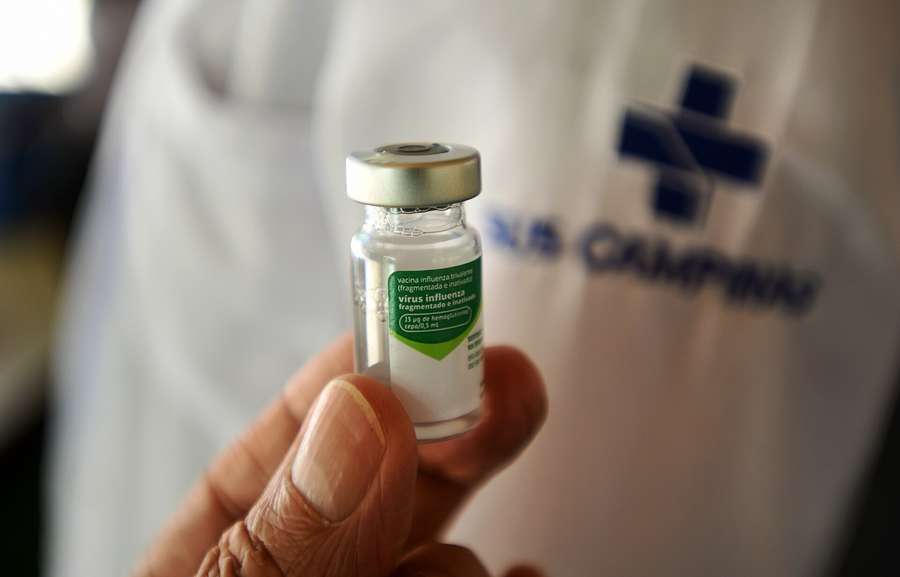
Cover: A gavel resting on an open law book - photo by howtostartablogonline.net, CC BY 2.0, via Wikimedia Commons; illustrative photo, not from a Polish court. Body: A sanitary inspection (sanepid) building in Szczecin - photo by Kapitel, public domain, via Wikimedia Commons.
Frequently asked questions
How much is the fine for not vaccinating a child in Poland?
Each enforcement fine imposed by the wojewoda is capped at 10,000 zloty, and repeated fines cannot exceed 50,000 zloty in total. In practice first fines are a few hundred zloty - the Zachodniopomorskie region starts at 500 zloty - rising if parents continue to refuse.
Can I be forced to vaccinate my child in Poland?
Not for routine childhood vaccinations. Enforcement of the refusal regime is financial: the doctor reports unvaccinated children to sanepid, sanepid summons the parents, and the wojewoda can impose repeated administrative fines - courts have confirmed this duty is directly enforceable. The 2008 act's separate exceptional powers (art. 33) target people infected with or exposed to an infectious disease in acute situations, not parents declining the childhood schedule.
Is there an exemption for personal beliefs?
No. Only medical contraindications, decided by a doctor at the qualifying exam, exempt a child from mandatory vaccination. There is no conscientious-objection or religious exemption in Polish law.
Who reports my child if we skip vaccinations?
Your own clinic. Doctors holding a child's preventive care file are legally required to report unvaccinated minors and their parents to the county sanitary inspectorate (art. 17 ust. 9b of the 2008 act).
Do these rules apply to foreigners?
Yes. The vaccination duty covers every child staying in Poland longer than three months, regardless of citizenship. Short-term visitors are exempt except for post-exposure vaccinations.