Best Warsaw Neighborhoods Near International Schools
The essentials: Pick the school first, then the district. Mokotów holds the biggest cluster (British School, French Lycée Sadyba, Thames); Ursynów has International American School at Metro Kabaty; Wilanów has IES and the German Willy-Brandt-Schule; the American School of Warsaw is in Konstancin-Jeziorna.
Start with the school, not the apartment
The standard expat mistake in Warsaw is falling in love with a neighbourhood and then discovering the school run crosses the whole city. Do it the other way round: choose the school, then live near it. Warsaw's international schools are scattered across very specific districts, so we mapped them - every address below comes from the school's own official contact page, checked 21 October 2026.
The pattern that emerges: Mokotów is the international-school capital of Warsaw, with Ursynów, Wilanów, Saska Kępa and the suburb of Konstancin-Jeziorna as the other anchors. This is not a ranking of schools - it is a geography lesson, because in Warsaw geography decides family logistics. Here is what each cluster looks like as a place to live.
Mokotów: the schools cluster
No district comes close to Mokotów's density of international education:
- The British School Warsaw - main campus at ul. Limanowskiego 15, with its Early Years Centre at ul. Dąbrowskiego 84.
- Lycée Français de Varsovie (Sadyba campus) - ul. Konstancińska 13, on Mokotów's southern edge.
- Thames British School - two Mokotów campuses, including the Primary campus at ul. Rostafińskich 1.
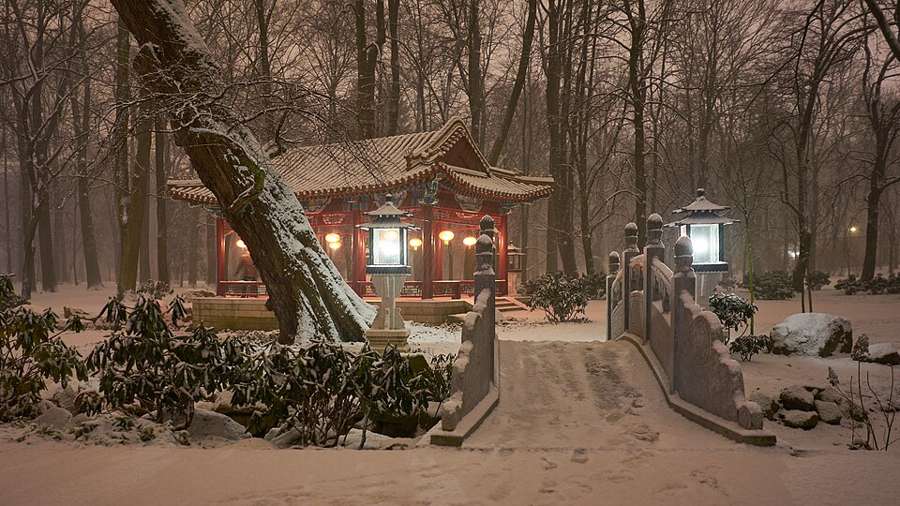
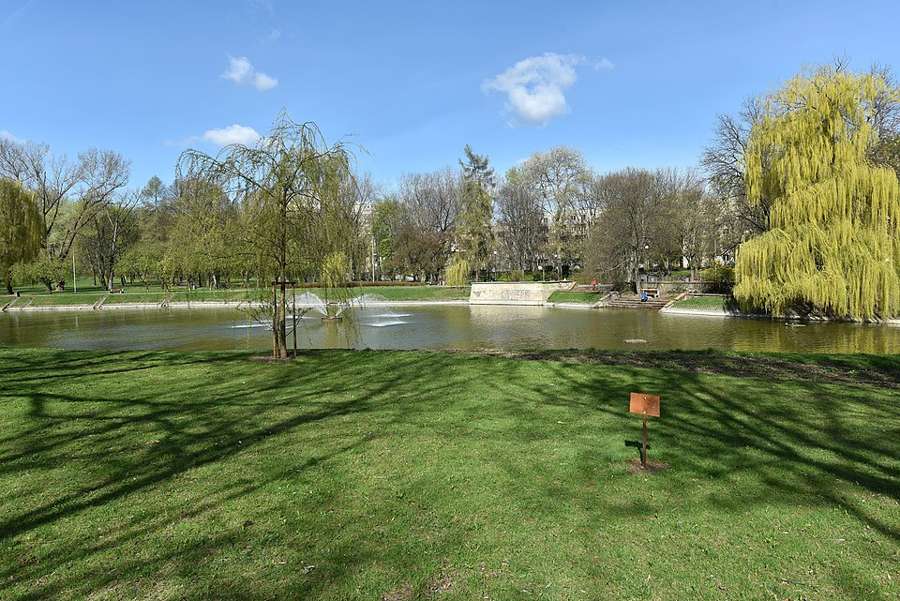
As a place to live, Mokotów is leafy, residential and practical: pre-war villa streets in Stary Mokotów, communist-era blocks further south, and two of the city's best parks - Morskie Oko with its ponds and Pole Mokotowskie's open meadows. Metro line 1 (stations like Racławicka and Pole Mokotowskie) puts the centre 10-15 minutes away, and the district's cafés and shops make it the default answer when expat parents ask where to land first. Rents run above the city average, but for a family at the British or French school, living in Mokotów removes the commute question entirely - several campuses are walkable or a short tram ride apart.
*Data sources: nordangliaeducation.com/tbsw-warsaw (Contact Us), lfv.pl (Contact), thamesbritishschool.pl (Contact) - checked 21 October 2026.*
Ursynów: metro to the forest
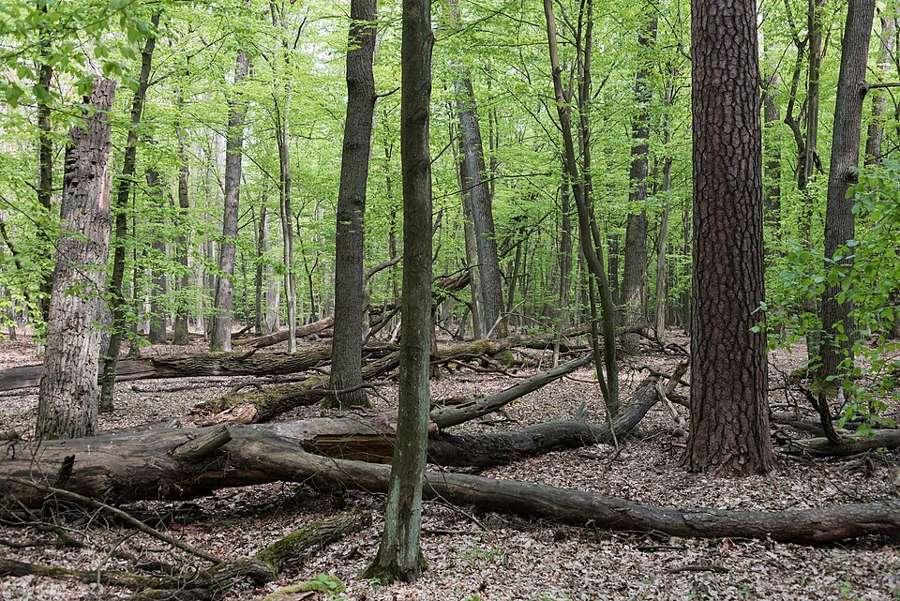
International American School sits at ul. Dembego 18, right by Metro Kabaty - the school itself gives "Metro Kabaty" as its locator, the southern terminus of line M1. Ursynów is Warsaw's big planned residential district: functional blocks, wide green courtyards, and the Kabaty Forest (Las Kabacki), a protected woodland reserve that functions as the district's back garden, at its southern edge. For a family it combines the two things that are hard to get together: a metro station for the parents' commute and a forest for the weekends. Apartments are mostly in 1980s-90s blocks - less charming than Mokotów, noticeably more affordable, and extremely liveable.
*Data source: ias.edu.pl (Contact) - checked 21 October 2026.*
Wilanów: the new family suburb
Wilanów actually hosts two international schools. International European School is at ul. Wiertnicza 140, and the Willy-Brandt-Schule - the German-Polish Encounter School, run by Warsaw's German School Association - is at ul. św. Urszuli Ledóchowskiej 3. The district is Warsaw's newest prestige family address: Miasteczko Wilanów's modern apartment complexes, playgrounds everywhere, and the baroque Wilanów Palace gardens as the local park. The trade-off is transport: Wilanów has no metro, so life runs on buses, the tram extension and cars - and the morning traffic on the main arteries is a known local tax. Families who choose Wilanów typically accept the commute in exchange for new housing stock and a district purpose-built for children.
*Data sources: ies.waw.pl (Contact), wbs.pl (Kontakt) - checked 21 October 2026.*
Saska Kępa: village calm by the river
The Lycée Français de Varsovie main campus stands at ul. Walecznych 4/6 in Saska Kępa, on the right bank of the Vistula in Praga-Południe. Saska Kępa is a small, prestigious enclave of interwar villas and plane-tree streets next to Skaryszewski Park, one of Europe's celebrated historic parks, with the Vistula boulevards a short walk west. It suits families who want quiet streets and a ten-minute drive to the centre, and it naturally hosts a strong French-speaking community around the school - the patisseries and francophone playgroups follow the lycée. Housing is scarce and pricey - villas and low-rise apartments rather than big complexes - so families often compromise in neighbouring Gocław or the northern edge of the district.
*Data source: lfv.pl (Contact) - checked 21 October 2026.*
Włochy and Ochota: close in, often overlooked
Thames British School also runs a campus at ul. Gładka 31 in Włochy and one at ul. Wawelska 66/74 in Ochota. Both districts sit west of the centre: Ochota borders the very core and gives quick access to business areas, while Włochy stretches toward Chopin Airport - convenient for families who fly often. Neither is a classic expat showcase, which is exactly why housing there can be better value than the southern districts.
*Data source: thamesbritishschool.pl (Contact) - checked 21 October 2026.*
Konstancin-Jeziorna: the villa suburb for ASW
The American School of Warsaw is not in Warsaw at all - it stands at ul. Warszawska 202 in Bielawa, part of Konstancin-Jeziorna, the spa-town suburb about 20 km south of the centre. Families at ASW typically live in Konstancin itself (villas with gardens, a famous health-resort park, clean air) or in the southern Warsaw districts of Wilanów and Ursynów with a school-bus or car commute. There is no metro; this is a car-and-school-bus lifestyle choice, and the families who make it tend to love the space it buys.
*Data source: aswarsaw.org (Contact) - checked 21 October 2026.*
What languages and systems these schools cover
The cluster map doubles as a curriculum map:
- English-language / British curriculum: The British School Warsaw (Nord Anglia network), Thames British School and International American School all teach in English, with the first two following a British-style pathway.
- French: the Lycée Français de Varsovie belongs to the AEFE network (Agence pour l'enseignement français à l'étranger), the official French state network of schools abroad - its contact page lists the AEFE directly.
- German: the Willy-Brandt-Schule is a German-Polish "encounter school" - bilingual by design, run by the German School Association in Warsaw (Deutscher Schulverein in Warschau, KRS 0000150334).
- American: the American School of Warsaw in Konstancin and International American School in Ursynów follow American-style curricula; ASW is the long-established flagship.
This matters for neighbourhood choice: if your child's schooling continues in a national system - French, German, American - the realistic district list shortens to one or two names immediately.
*Data sources: lfv.pl (Contact, AEFE listing), wbs.pl (Kontakt, school association details) - checked 21 October 2026.*
How to choose, in practice
1. Confirm the school place first. Waiting lists are real; the neighbourhood decision follows the acceptance letter, not the other way round. 2. Ask about the school bus. Most international schools run bus routes across the southern districts - a bus stop near home can make a further district viable, and changes the honest commuting radius a lot. 3. Check sibling and campus logistics. If you have children in different stages, one school may still mean two campuses on different streets - map both before signing anything. 4. Test the school run at 8:00 on a weekday, not at noon on a Saturday. Wilanów traffic and the Konstancin road are very different beasts at rush hour. 5. Anchor one parent's commute too. Mokotów and Ursynów serve M1; Saska Kępa and Wilanów do not. 6. Plan for stage changes. Some schools split early years and older grades across different campuses (the British School does) - check both addresses against your home shortlist.
Frequently asked questions
Which Warsaw district has the most international schools?
Mokotów. It hosts The British School Warsaw's main and early-years campuses, the French Lycée's Sadyba campus and two Thames British School campuses - plus metro line 1 and major parks.
Where do American School of Warsaw families live?
The school is in Konstancin-Jeziorna, south of Warsaw. Families live in Konstancin itself or in Wilanów and Ursynów, using school buses or cars - there is no metro link.
Is there an international school near a Warsaw metro line?
Yes. International American School is at Metro Kabaty (line M1) in Ursynów, and Mokotów's British School campuses are close to M1 stations.
Should I sign a lease before the school place is confirmed?
No. Secure the school place first, then choose housing near the campus or its bus route. Waiting lists can change your district entirely.
Is Wilanów or Mokotów better for international-school families?
Mokotów has the most schools and the metro; Wilanów has newer housing and two schools but no metro line. Families with a car and a preference for new builds pick Wilanów; families who want walkable campuses and fast city access pick Mokotów. * Photos: "Park Morskie Oko w Warszawie" and "Las Kabacki w Warszawie" by Adrian Grycuk (CC BY-SA 3.0 PL), via Wikimedia Commons.