Polish Childcare 101: Nurseries, Kindergartens and School Options
The essentials: Polish childcare has three rungs: żłobek (nursery, under 3, subsidized up to 1,500 zł/month), free public przedszkole (kindergarten, ages 3-6, compulsory at 6), and szkoła podstawowa (compulsory from age 7, free for foreign children until 18). Verified October 2026.
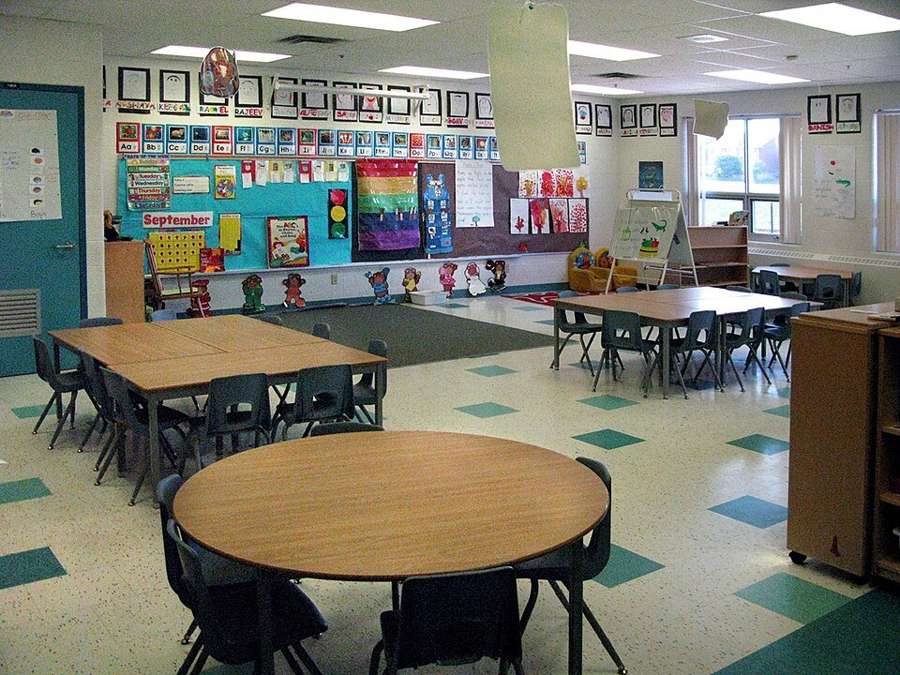
Polish childcare 101: the system in one minute
Poland's early-years system has three rungs. A żłobek (nursery) takes children under 3. A przedszkole (kindergarten) covers ages 3-6, and is free in public facilities. A szkoła podstawowa (primary school) is compulsory from the calendar year your child turns 7. Public education is free for foreign children until age 18, and there is a real subsidy - up to 1,500 zł per month - for nursery fees. This guide walks through each stage with the official rules and current dates, as of October 2026.
Stage 1: Nurseries (żłobek), ages 0-3
A żłobek cares for children under 3, though each nursery sets its own exact age range in its statute - some do not take infants, and some keep three-year-olds when local kindergartens are full. There is no single national enrolment procedure: some nurseries take applications in person, others online, so you check the website of the nursery or your city (gmina) office for the local rules.
Fees. In public nurseries the city council sets the monthly stay and meal fees; in private nurseries the nursery sets them. Partial or full fee waivers exist in some facilities. Poland's Act of 4 February 2011 on care for children under 3 governs the sector, and nursery premises must meet the facility and sanitary standards in the Ministry of Labour regulation of 10 July 2014.
The "Aktywnie w żłobku" subsidy. Since 1 October 2024, the government programme Aktywny Rodzic pays a subsidy towards a child's stay in a nursery, kids' club or with a day-care provider: up to 1,500 zł per month, or 1,900 zł per month for a child with a disability certificate. You apply for the benefit through ZUS (the social insurance institution). The subsidy goes to facilities whether public or private, which makes the expensive private-nursery market noticeably cheaper for working parents.
*Data sources: gov.pl "Zapisz dziecko do żłobka"; City of Warsaw family-support portal on the Aktywny Rodzic programme - both checked 21 October 2026.*
Alternatives to a nursery: kids' clubs and day-care providers
The same Act of 4 February 2011 that regulates nurseries also created two lighter forms of care for under-threes. A klub dzieciecy (kids' club) offers shorter, more flexible daily care blocks than a full nursery. A dzienny opiekun (day-care provider) looks after a small group of children in a home-like setting. Both forms appear in the city register of childcare institutions (Warsaw charges a symbolic 1 zł registration-entry fee, set by council resolution of 1 March 2018), and - importantly for your budget - the Aktywnie w żłobku subsidy of up to 1,500 zł per month applies to all three forms: nursery, kids' club and day-care provider. In Warsaw, fees for city-run nurseries and day-care providers are set by the City Council's fee resolution, with fee waivers possible under the conditions in the council resolution, and out-of-turn admission possible for families in a crisis situation confirmed by an opinion from the local social-welfare centre.
*Data sources: gov.pl "Zapisz dziecko do żłobka"; City of Warsaw family-support portal "Opieka nad dzieckiem 0-3" and "Aktywny Rodzic" pages - checked 21 October 2026.*
Stage 2: Kindergartens (przedszkole), ages 3-6
Public kindergarten is for children aged 3-6; in exceptional cases a director may admit a 2.5-year-old, but that age group does not go through recruitment - the director decides directly. Two rules matter most:
- Age 6 is compulsory. Every six-year-old must complete the one-year preschool preparation (roczne przygotowanie przedszkolne, often called zerówka), in a kindergarten, a preschool class inside a primary school, or another preschool form. The obligation starts at the beginning of the school year in the calendar year the child turns 6, and the city must guarantee a place.
- Ages 3-5 are guaranteed on request. The gmina must provide a public kindergarten place for every 3-, 4- and 5-year-old whose parents want one.
Cost. Public kindergarten enrolment itself is free - the gov.pl service page states it plainly: "usługa jest bezpłatna" (the service is free of charge).
How recruitment works. You apply to the public kindergartens you choose; cities must let you pick at least three facilities, ranked in your order of preference. If your child already attends a kindergarten and you want to stay, you file a continuation declaration with the director no later than 7 days before recruitment starts. New applicants go through recruitment - increasingly online - then wait for the qualified-lists announcement, confirm the place, and sign a contract with the kindergarten. If your child is refused, you can appeal the recruitment commission's decision within 3 days of receiving the justification, or ask the gmina office to assign your child a kindergarten place.
*Data source: gov.pl "Zapisz dziecko do przedszkola", checked 21 October 2026.*
Warsaw's 2026/27 kindergarten recruitment calendar
Warsaw runs a single electronic recruitment for city kindergartens. For the 2026/2027 school year, announced on 7 January 2026:
- Recruitment opened 10 February 2026 at 13:00 through the electronic system at rekrutacja-warszawa.pzo.edu.pl.
- Online registration and submission of applications ran until 24 February at 20:00; no new applications after that.
- The paper version of the application (with documents confirming the admission criteria) could be filed until 25 February at 16:00.
Parents register in the system with the child's PESEL number and name, or - for children without a PESEL - an identification number issued by the director of the first-choice facility. That PESEL-free route matters for newly arrived expat families: you do not need to wait for a PESEL to apply. Recruitment windows like this repeat annually, so if you are moving mid-year, contact the city education office about places outside the main round.
*Data source: City of Warsaw education portal, "Rekrutacja do przedszkoli i oddziałów przedszkolnych na rok szkolny 2026/2027" (published 7 January 2026), checked 21 October 2026.*
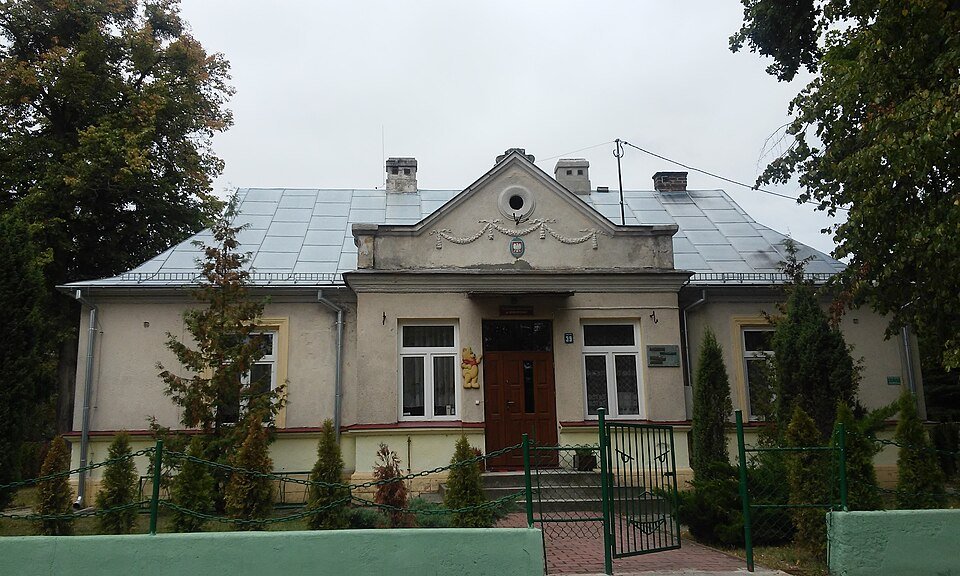
Stage 3: Primary school (szkoła podstawowa), from age 7
Under the Education Law of 14 December 2016, schooling in Poland is compulsory until age 18 and begins at the start of the school year in the calendar year the child turns 7. The school obligation is met at a public or non-public primary school; after primary school the "learning obligation" continues through secondary school or vocational training with an employer.
Foreign children study free. The Office for Foreigners (Urząd do Spraw Cudzoziemców) confirms directly: children who are not Polish citizens pay nothing at public primary and secondary schools until they turn 18 or finish school. The obligation applies to foreign residents exactly as to Poles - and it is enforced: a child missing at least 50% of classes in a month without justification can trigger administrative enforcement, with a fine of up to 10,000 zł, and in extreme cases notification of the family court.
The same office runs a helpline (47 721 76 75, weekdays 9:00-15:00) with an education menu for foreign parents, and publishes a guide to educating foreign children in ten languages.
*Data source: gov.pl, Office for Foreigners - "Edukacja szkolna" and "Edukacja" pages, checked 21 October 2026.*
What this means for your family, by age
Baby or toddler (0-3): decide early. Public nurseries are cheap but oversubscribed in big cities; private nurseries fill the gap and the 1,500 zł Aktywnie w żłobku subsidy applies to both. Apply to ZUS for the subsidy as soon as you have a place confirmed.
Ages 3-5: you have a legal right to a public kindergarten place, but in practice popular districts fill up. Recruitment happens once a year (in Warsaw, February) - plan your move around it if you can, or ask the gmina about mid-year places.
Age 6: zerówka is compulsory wherever you live; the city must find your child a place.
Age 7+: school is compulsory and free for foreign children in the public system. Register at your catchment (obwód) school; the director of the local school where you live handles enrolment.
Practical tips from the official rules
1. Get a PESEL early - it is the key that unlocks the online recruitment systems, though Warsaw explicitly provides a PESEL-free registration route. 2. Rank your kindergartens honestly in the e-system: put your true first choice first; if your child misses it, they can still land in your second or third. 3. Missed the main round? Go to the gmina office - for 3- to 6-year-olds the city owes your child a place and will indicate a facility with free spots. 4. Keep the continuation declaration deadline (7 days before recruitment) if you want to stay in your current kindergarten. 5. Appeals are fast: 3 days from the justified refusal to appeal to the director, then the administrative court if needed.
Frequently asked questions
Is public kindergarten free in Poland?
Yes. Public kindergartens for ages 3-6 are free to enrol in, and the official gov.pl service page describes enrolment as free of charge. Cities must guarantee a place to every 3- to 6-year-old whose parents want one, and preschool preparation is compulsory at age 6.
How much does a nursery cost in Poland in 2026?
Fees are set locally: by the city council in public nurseries and by the operator in private ones. The national Aktywnie w żłobku subsidy covers up to 1,500 zł per month (1,900 zł for a child with a disability certificate) towards nursery, kids' club or day-care fees, applied for through ZUS since 1 October 2024.
Do foreign children pay for Polish public schools?
No. According to the Office for Foreigners, foreign children attend public primary and secondary schools free of charge until they turn 18 or finish school, and schooling is compulsory from the year the child turns 7.
What age is school compulsory in Poland?
Preschool preparation is compulsory at age 6, and full-time school from the start of the school year in the calendar year the child turns 7, under the Education Law of 14 December 2016. The learning obligation lasts until age 18. *Photos: cover - kindergarten classroom by ChinaFlag, public domain, via Wikimedia Commons; kindergarten building by Roch Mściwój, CC BY-SA 4.0, via Wikimedia Commons.*