Asian Noodles in Poland: Rice, Mung Bean, Wheat and Udon
The essentials: Choose Asian noodles by the exact ingredients, dry or fresh format and producer directions. Rice ribbons, mung-bean starch mixtures, wheat-and-egg Mie, instant wheat noodles and fresh udon are different starting products.
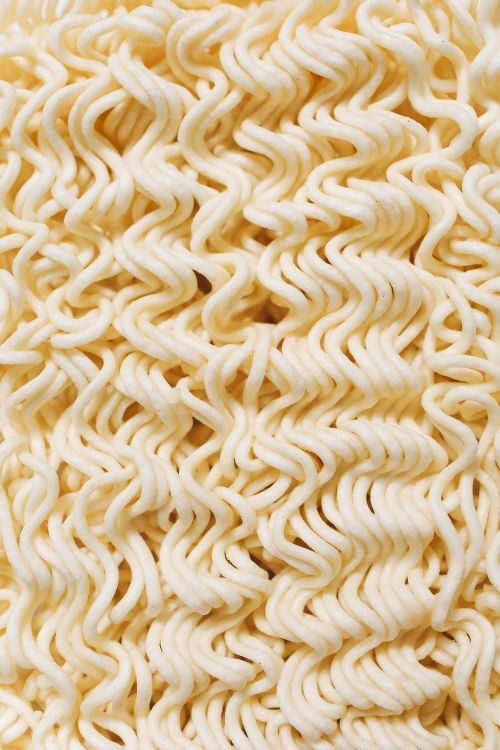
Cover: Polina Tankilevitch, source photograph, Pexels License. Resized and JPEG-compressed. A close view of uncooked noodles. Illustrative texture context, not a cited House of Asia product or verification of its ingredients.
An Asian-noodle shelf in Poland can offer rice ribbons, transparent-looking starch noodles, wheat noodles with egg and fresh udon. The product name is useful, but it does not always reveal the whole formulation or method. A rice noodle can include tapioca starch, a mung-bean product can contain several starches, and two wheat products can need different preparation even when their cooking times look similar.
The practical starting point is the dish and the exact product. Compare what the noodles are made from, whether the format is dry or fresh, and the maker's instructions for that item. House of Asia's Polish product pages provide concrete examples below. They are not a universal timetable for every noodle carrying the same broad name.
Rice noodles: the width is not the whole identity
House of Asia's Makaron ryżowy 5 mm 200 g lists rice flour 89%, tapioca starch and salt. The producer suggests it for pad Thai and other stir-fry dishes. That is a useful ingredient description for a shopper who might otherwise assume the words rice noodles mean rice flour alone. It also makes the named width part of a more complete identity rather than the only feature worth recording.
The same producer's 10 mm rice noodles 200 g list rice flour 96%, modified starch and salt. The wider ribbons therefore have a different stated formulation from the 5 mm example. Do not assume you can transfer every ingredient statement from one width to another just because the brand and main cereal match. If the exact composition matters to your recipe, read the selected product rather than a nearby variant.
Nor does the width establish an automatic cooking-time ladder. It may be tempting to decide that wider always means longer, but the two product pages give their own methods. The useful comparison is what the maker actually says for each item. A packet's particular formulation and preparation route are more informative than a guessed rule based on a millimetre measurement alone.
Read the complete rice-noodle method, not a headline
The House of Asia 5 mm page contains an inconsistency: its descriptive text says the noodles can be soaked, while its preparation line says to put them into hot water and cook for five to six minutes. That is not a sound basis for combining both into one invented method. Keep the discrepancy visible and check the current packet before deciding how to prepare that exact product.
The 10 mm product page gives a more specific sequence: place the noodles in boiling water, cook for three to four minutes, drain and rinse in cold water. Its headline says ready in three minutes, which is less detailed than the preparation line. The full method is therefore the useful shopping reference, while the headline alone is not enough to settle the entire sequence.
These examples explain why a recipe and the actual packet need to be read together. If your stir-fry recipe has a separate noodle-preparation stage, use the exact product's directions rather than borrowing a soak time from a different rice noodle. This guide does not supply a universal boiling or soaking rule for every ribbon, and it does not promise identical texture after an unplanned width substitution.
Mung-bean vermicelli can be a starch mixture
House of Asia's Makaron Vermicelli z fasoli mung 80 g lists mung-bean starch 50%, potato starch, tapioca starch and water. This is a concrete example of a product named for mung beans that is not made entirely from that one ingredient. The distinction is useful when shopping for thin starch noodles rather than rice ribbons or wheat noodles, especially if an English store title calls several of them simply vermicelli.
The word vermicelli itself describes a thin noodle form in many shopping contexts; it does not settle the ingredient in the exact packet you are viewing. Retain z fasoli mung when that is the product you intend to buy, then inspect the full list. A transparent-looking serving photograph is not evidence of a particular starch source or percentage.
The producer suggests the mung-bean product for stir-fry, soups, salads and wok dishes. Its preparation line says to cook in boiling water for four to five minutes, while a separate tip offers covering with boiling water for a few minutes as an alternative. Those are producer-specific routes, not permission to assume every glass-style noodle should be prepared the same way. Confirm the current packet's method and the dish you plan to make.
Mie: an actual wheat-and-egg formulation
House of Asia's Makaron Mie 250 g lists wheat flour 88%, water, egg-yolk powder 1%, salt and potassium and sodium carbonates as acidity regulators. The producer describes long, springy strands and gives a preparation instruction to put them into boiling water and cook for five minutes. This is an example where egg is part of the actual formulation rather than something inferred from a yellow colour.
Do not assume the name Mie defines the same egg amount for every brand. The figure belongs to this named product. If a recipe asks for egg noodles, compare that request with the actual ingredient list and product description rather than applying an egg-count convention from another pasta family. Likewise, a yellow appearance cannot prove that a noodle contains egg rather than another ingredient affecting its colour.
The carbonate ingredients are also part of this exact list. There is no need to turn them into a health judgement or invent a manufacturing story beyond the source. For shopping purposes, the relevant point is that this Mie formulation differs from the simpler wheat noodle below. Two packets based mainly on wheat can still be different products with distinct methods and intended results.
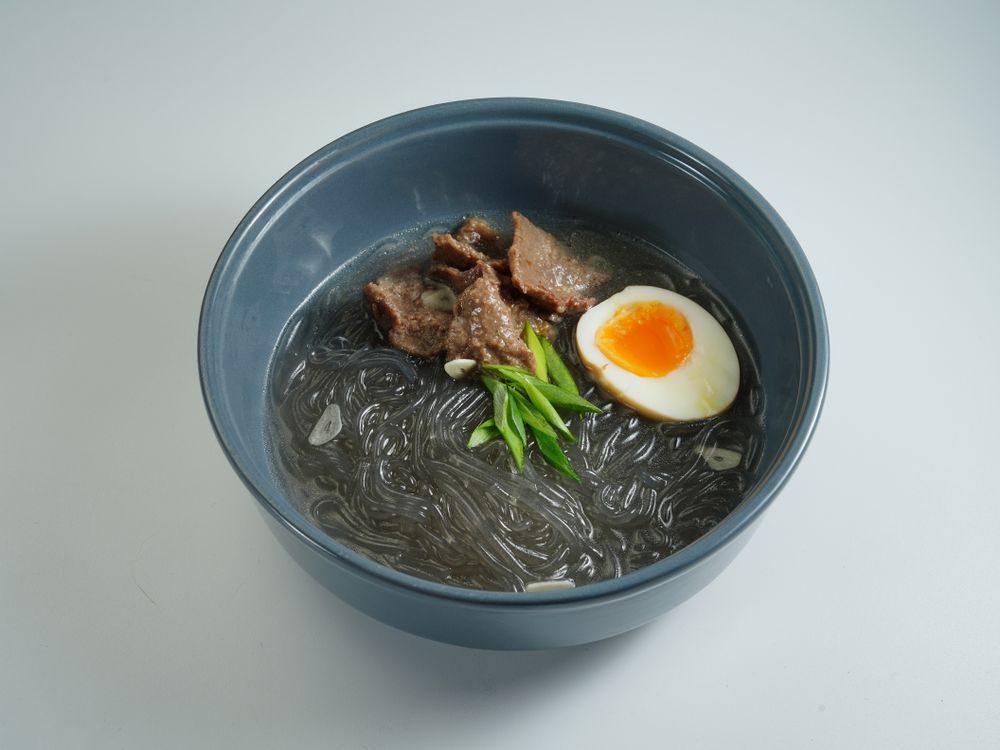
Instant wheat noodles need their own reading
House of Asia's Makaron instant 200 g lists wheat flour 89.5%, water and salt. Its preparation instruction is to cover the noodles with boiling water, wait four to five minutes and drain. That is a different sequence from the five-minute boil given for its Mie product. Similar headline times therefore do not mean identical preparation or identical ingredients.
Instant is not proof that the packet is a complete seasoned meal. The cited product's ingredients identify noodles, not a separate soup sachet or a fully flavoured ready dish. If you want a plain noodle base for your own sauce, that distinction is useful. If you expect a complete snack, inspect the contents and product description rather than assuming the word instant includes every extra component.
It is equally unhelpful to assume every instant noodle from another producer has this three-ingredient formulation. The example identifies one item. A different packet may include other ingredients or separate components. Keep the brand and full product name when repeating a purchase so a familiar convenience word does not hide a different product in an online substitution.
Fresh udon is not the dry noodle with a new weight
House of Asia's Makaron Udon świeży 200 g lists water first, followed by wheat flour 44.6%, modified tapioca starch, salt and lactic acid as an acidity regulator. The producer describes it as ready to heat and suggests soups, stir-fry and fried combinations with vegetables or tofu. The word świeży is part of the identity and distinguishes this format from a dry noodle you would prepare differently.
The specific preparation instruction says to cover with boiling water, or to fry for two to three minutes. Keep that method attached to this 200 g fresh udon rather than transferring a dry noodle's boiling time to it. A larger or smaller packet weight is not a reliable way to compare the amount of dry cereal ingredient across fresh and dry products, and this article does not invent a dry-to-fresh conversion.
Fresh also does not mean the product is identical to any loose noodle made in a restaurant. It names the format of the packaged item discussed here. Read the actual packet's handling and preparation information. The producer's web description supports the heat-and-use distinction, not a universal storage rule for all fresh noodles or a guarantee that every udon from every brand can go straight into the same recipe stage.
Match the dish without collapsing the ingredients
For a pad Thai recipe naming rice ribbons, investigate the required width and exact rice product. For thin starch noodles, keep the ingredient source in the note rather than writing only vermicelli. For a wheat-and-egg requirement, inspect the named Mie formulation. For a convenient plain wheat base, compare the instant noodle's actual contents, and for fresh udon retain the fresh format and its shorter heat-and-use method.
These are practical routes into the shelf, not restrictions on what a cook may create. The important point is to choose a substitute deliberately, not discover that a translated title changed the ingredient or method without your noticing. A different noodle can work in a different recipe, but a product name alone does not promise the texture your original dish expects.
A repeatable shopping note is more useful than a generic timer
Save the producer, full noodle name, width where relevant, packet format and preparation method when you find a product you like. That record is more reliable than remembering only a cooking time. Several examples here use similar numbers of minutes yet differ in whether they are boiled, covered with hot water or heated from a fresh format.
If the web page is inconsistent, as in the cited 5 mm rice-noodle description, confirm the current packet rather than combining snippets into a new instruction. You do not need a universal noodle chart to shop well. You need enough product-specific information to buy the ingredient your recipe intended and prepare that exact item with its own complete directions.
Frequently asked questions
Are the cited mung-bean noodles entirely mung bean?
No. The producer lists mung-bean starch 50%, potato starch, tapioca starch and water.
Should all rice noodles be soaked rather than boiled?
Do not assume a universal method. The cited 5 mm page conflicts between its description and preparation line; confirm the current packet.