Dried Fruit in Poland: Raisins, Prunes, Apricots and Cranberries
The essentials: Read the selected dried-fruit product, not just the fruit name. The cited raisins, apricots, pitted prunes and sweetened cranberries have different ingredient lists and forms; colour alone does not prove composition.
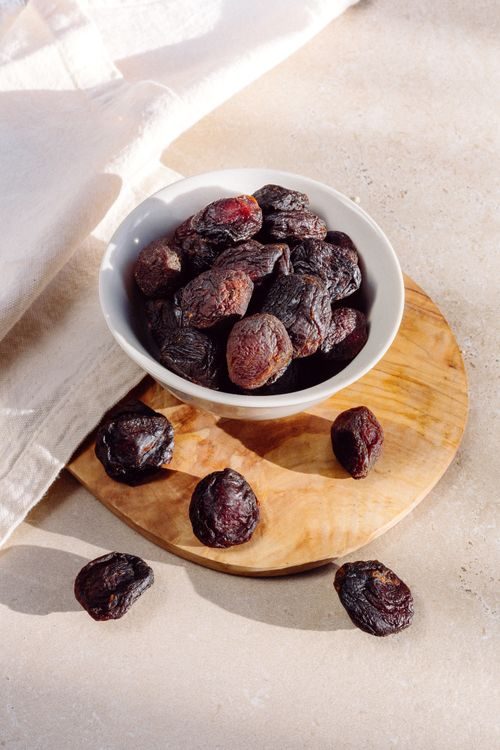
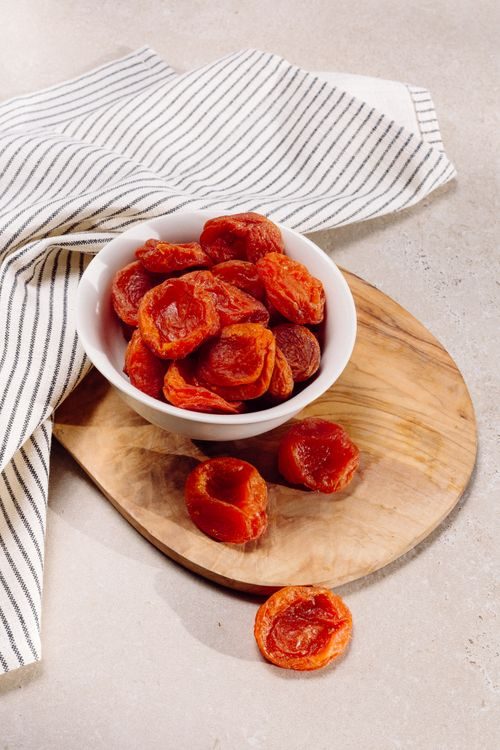
Cover: Antoni Shkraba, source photograph, Pexels License. Resized and JPEG-compressed. Dried prunes in a bowl and on a board. Illustrative fruit context, not a cited Targroch product, verified pitting or preservative statement.
A packet of dried fruit in Poland can contain a single named fruit, fruit with a little oil, sweetened cranberries or pitted prunes with a preservative. Rodzynki, morele suszone, śliwki suszone and żurawina suszona are useful starting words, but they do not establish the complete recipe. The practical choice is the selected fruit product, its form and the actual ingredient statement on that item.
Targroch's own shop provides the concrete examples below: Thompson raisins, Golden Jumbo raisins, dark dried apricots, Extra dried prunes and whole sweetened dried cranberries. This guide stays with packaged fruit selection and the maker's stated uses. It is not a breakfast-mixture comparison, a nutrition ranking, a home-drying method or an assurance about whether any product meets an individual's dietary needs.
Rodzynki identifies the fruit, not every ingredient
Targroch's Rodzynki Thompson page lists raisins and sunflower oil. The product name includes a no-preservatives description, but the written list still includes another ingredient alongside the fruit. For this shopping comparison, the useful point is that a familiar dried-fruit name does not necessarily mean an ingredient list containing only the fruit. Read the actual statement rather than filling it from expectation.
The producer suggests these raisins for baked goods, decoration of cakes and biscuits, desserts and eating as a snack. Those are use ideas for the named product, not tested recipe outcomes supplied by this article. If you want raisins for a cake, keep Thompson and the exact product in your note when the selection matters, instead of assuming every raisin packet is the same size, texture or formulation.
The list does not provide a separate sunflower-oil percentage. This guide therefore does not calculate one from another raisin product or describe a precise coating process. It uses the statement as written. A visible shine on a photograph would not establish either the oil quantity or how it was applied, so the written ingredients remain the evidence for this example.
Golden Jumbo has a different stated list
Targroch's Rodzynki Golden Jumbo XXL page lists raisins, vegetable oil and sulphur dioxide. The cited statement does not name the vegetable oil, so this guide does not silently turn it into sunflower oil because that is used in the Thompson example. A shared supplier and fruit type do not make the two ingredient statements identical.
The Golden Jumbo title also gives a named format to retain if you want that particular product. The producer describes a fleshy raisin and suggests cakes, ice cream, desserts, salads, meats and sauces among its uses. These descriptions help distinguish the item being sold, but they do not establish a universal size measurement for everything called jumbo or prove that every shopper will find the same texture.
The sulphur-dioxide statement belongs to this actual ingredient list. It is not inferred from the golden colour, and it is not used here to make a health judgement or a dietary-safety promise. If a particular ingredient affects your choice, consult the complete current packet. Do not use the appearance of another pale raisin as proof that it has the same formulation.
Dark dried apricots: keep the product wording attached
Targroch's Morele suszone na słońcu, described in the title as dark, lists sun-dried apricots as its ingredient. The maker suggests uses including compotes, cakes, meats and salads. This gives a concrete single-fruit example whose written ingredient statement differs from both of the raisin products and the sweetened cranberry product below.
The drying wording is attributed to this named product, not established by this article through inspecting its colour. A dark apricot photograph cannot prove that another packet was dried on the same basis or contains no other ingredient. Read the selected list, especially if you are comparing products whose short store titles omit the process description or present only a generic apricot name.
The guide also does not decide the status of an individual fruit stone or fragment from an ingredient line that does not provide that detail. If your use depends on a specific pitted or whole form, confirm it on the actual product. Keeping a missing operational detail unresolved is more useful than borrowing a promise from a different dried-fruit packet.
Pitted prunes are another product choice
Targroch's Śliwka suszona Extra ingredient statement lists dried pitted prunes and potassium sorbate as a preservative. The bez pestek wording identifies the stated pitted form for this product. It does not establish a stone-fragment guarantee supplied by this guide, and it should not be transferred to another product whose description gives no such form information.
The producer suggests these prunes as a snack or as an addition to dishes including compotes, cakes, dumplings, marinades and sauces for cold meats. Those uses identify a versatile packaged ingredient rather than a ready-made sauce or fruit filling. If a recipe separately builds a sauce, the prune packet does not contain every other component simply because the maker lists sauces among possible uses.
The preservative statement is also product-specific. Do not generalise it into a claim that every dried prune contains potassium sorbate, or that a differently named product from the same producer must have the same list. A shopping note that retains Extra, the pitted form and the brand is more useful for repeating this particular purchase than the broad words dried plums alone.
Sweetened whole cranberries are a formulation
Targroch's Żurawina suszona całojagodowa page describes whole sweetened dried cranberries. Its ingredient list states dried cranberry 60%, sugar and sunflower oil. The 60% figure belongs to the named dried-cranberry component in this listed product. The source does not supply individual percentages for the sugar and oil, so the guide does not divide the rest into guessed shares.
This is a meaningful difference from a product whose written list names only dried fruit. If you want the sweetened cranberry ingredient, preserve that full product identity. If a recipe specifies another cranberry preparation, investigate it separately. A familiar red colour, the same pack weight or an English title shortened to cranberries does not establish that the formulation matches.
Whole-fruit wording also differs from a product sold as chopped or sliced fruit. Keep całojagodowa when that is the form you intend. The guide does not infer an exact berry size from the photograph or promise that the contents remain identical through baking. The written form description helps identify what is sold, while your recipe determines how it will be used.
A fruit name and a compound product need different readings
These examples show several different ingredient structures: raisins with a named oil, raisins with an unspecified vegetable oil and sulphur dioxide, a single-fruit apricot statement, pitted prunes with a named preservative, and cranberries with sugar and oil. None of those lists should be replaced by a generic rule that all dried-fruit packets contain the same additions or that none contain any.
A shorter list is not used as a quality score here. The relevant decision is which product your recipe or intended snack actually calls for. A formulated sweetened fruit can be the item you want, while another dish may specify a different preparation. Knowing the actual list lets you make that choice deliberately rather than trying to adjust an unnoticed substitution after the packet is opened.
This comparison supplies no universal correction for sweetness, no equal-weight substitution guarantee and no soaking timetable. A recipe may ask for an additional preparation stage, but that method needs to come from the recipe and the selected product's instructions. The broad category dried fruit is not enough evidence to invent a single water quantity or resting time for all these examples.
Keep pack options separate from recipe quantities
Several Targroch pages offer more than one pack size for the same named fruit product. A size option tells you how much of the selected item is sold, not a new recipe dose or a proof that a similarly sized competitor has identical contents. Retain the exact option when ordering, and compare the current label if the product description appears incomplete.
The cited pages instruct storage in a cool, dry place. The raisin, prune and cranberry pages additionally specify a tightly closed package; the apricot page does not add that wording. Keep that instruction with the actual product and its current label rather than expanding it into a universal shelf-life claim. This guide does not assign an opened-pack use period where the cited text does not state one, and it does not diagnose changes in an individual packet.
Select the fruit, form and formulation together
For Thompson raisins, retain the named sunflower-oil list. For Golden Jumbo, keep the separate vegetable-oil and sulphur-dioxide statement without inferring more from the colour. For dark sun-dried apricots, preserve the exact maker wording. For Extra prunes, keep the pitted form and named preservative. For whole sweetened cranberries, retain the fruit share and the sugar-and-oil formulation.
A useful repeat-purchase note is short: brand, full product, fruit form, selected size and any ingredient that mattered to your choice. Check the current packet before relying on an old store summary. That keeps packaged-fruit shopping focused on what you actually want to use, without turning a colour, a familiar fruit name or a serving picture into evidence for details the product information never supplied.
Frequently asked questions
Does every dried-fruit packet contain only fruit?
No. The cited products include examples with oil, sugar or named preservatives as well as a single-fruit apricot statement.
Does a golden colour establish a preservative?
No. The sulphur-dioxide statement here comes from the named Golden Jumbo product's ingredient list, not its colour.