Bottled Water Labels in Poland: Mineral, Spring and Sparkling
The essentials: Read the actual water name first, then choose carbonation and compare analytical figures in the same units. Mineral, spring and table water are separate identities; bubbles and mineral content answer different questions.
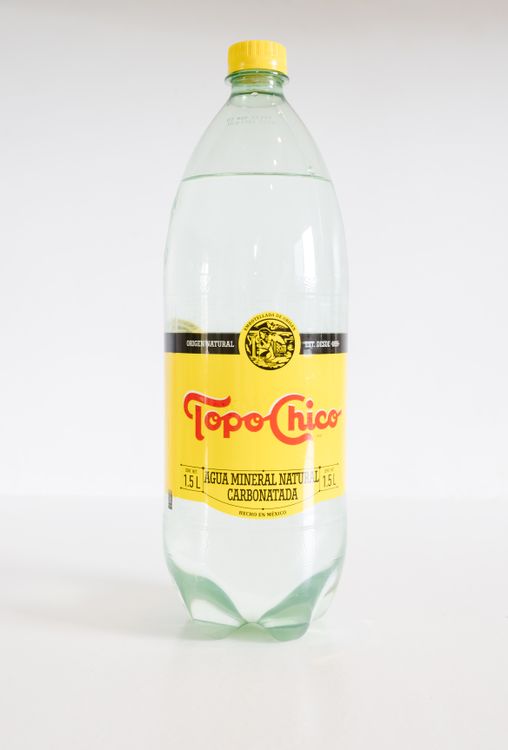
Cover: Josh Withers, source photograph, Pexels License. Image unchanged. A foreign bottled-water product. Illustrative label context, not a verified Polish classification or recommendation.
Buying bottled water in Poland is easier when you separate three questions: what the water is called, how much carbon dioxide it contains, and what its analytical label says. A mountain image, a familiar bottle shape or the word natural does not answer all three. Nor does sparkling automatically mean highly mineralised.
This guide explains packaged-water names and label reading, not whether your home tap supply is safe or which water is medically best. It uses Poland's current official water regulation and the Chief Sanitary Inspectorate's recognition guidance. Photographs are general bottled-water context, not proof that a pictured foreign product has a particular Polish legal classification.
Find the product name before the brand
Look for naturalna woda mineralna, woda źródlana or woda stołowa. These are different product identities within the Polish regulatory framework. The brand can be much larger or more memorable, but the actual name is the useful starting point when comparing two bottles.
Do not translate every bottle of water as mineral water. In ordinary conversation that expression may be used loosely; a shopping guide should preserve the distinction printed on the package. Equally, the English expression table water should not be used to erase the particular Polish category woda stołowa.
Read the whole name rather than one attractive word. A product displayed beside plain water may have another identity, especially if it contains flavouring or other ingredients. Shelf position and bottle colour are not a substitute for reading what is being sold.
Understand natural mineral water as a recognised category
GIS explains that a business applies for recognition of a water as natural mineral water. Recognised waters appear in official lists. This is a regulated status, not an award given because a bottle looks premium or because its total mineral figure is the highest on the shelf.
The Polish regulation requires the chemical composition and other properties of natural mineral water to remain stable within natural fluctuations during extraction. Its assessment covers the source and geological context as well as physical, chemical and microbiological matters. A shopper need not reproduce that assessment to use the label correctly.
The practical point is to retain the full category name. Do not decide that a low mineral figure disqualifies a water from being natural mineral water, or that bubbles establish its status. Recognition, composition and carbonation are connected information, but they are not interchangeable labels.
Keep spring water separate
Woda źródlana means spring water. The regulation gives it its own assessment and requirements, including microbiological requirements and chemical, physical and sensory requirements linked to water for human consumption. It should not be described merely as an unsuccessful version of mineral water.
For shopping, compare the named product with what you actually want to buy. If your usual bottle is spring water, do not assume a similarly coloured mineral-water bottle is the same product with different branding. Read its name and any useful composition information afresh.
This guide does not rank spring water below mineral water, or promise that one category suits every person. A legal product distinction is not a personal health recommendation. If you have a specific clinical requirement, the relevant professional advice and actual label matter more than a general shelf comparison.
Read table water's composition information
Woda stołowa is another separate category. The regulation specifically requires that name and says a trade name cannot replace it. Its labelling identifies the natural mineral water, spring water and mineral salts that form part of the particular water's composition.
That gives you a useful reading task: establish the actual category and then see what has been combined or added. Do not assume every table water has exactly the same recipe, or translate the name into a promise that the water was bottled unchanged at a spring.
The law's separate treatment of table water is why broad claims such as all bottled waters are simply the same water in different packaging are unhelpful. You can make a preference-based purchase without turning the categories into a contest about purity or medical value.
Choose still or sparkling independently
Niegazowana is the practical word to look for when you want still water. Gazowana indicates carbonation. The regulation also distinguishes degrees of carbon-dioxide saturation, so a lightly sparkling description and a stronger sparkling description need not refer to the same sensation.
Read the actual wording on the selected bottle. Do not rely on a national colour code for caps or labels: this guide establishes no such universal system. A familiar brand can sell several variants, and a quick visual grab can select the wrong one.
Carbon dioxide is not the same thing as the dissolved-mineral total. A bottle can be described by both its carbonation and its mineral composition. Keep those pieces of information in separate columns in your mind instead of assuming that stronger bubbles mean more calcium, magnesium or sodium.
Notice where the carbon dioxide comes from
The regulation's carbonation terminology distinguishes natural mineral water naturally saturated with carbon dioxide, water enriched with carbon dioxide from the source, and water saturated with carbon dioxide during bottling. Those fuller descriptions carry more information than a casual sparkling label alone.
There are conditions behind each description. For example, the naturally saturated category concerns source carbon dioxide retained at the relevant level, allowing replacement of losses from the same underground source under the rule. It should not be reduced to a claim that no processing of any kind ever occurred.
You do not need to memorise the full legal wording before buying a drink. It is enough to recognise that carbon-dioxide origin and bubble strength answer different questions. If either matters to your preference, read the exact name instead of filling the gap from advertising imagery.
Use the analytical table in its own units
For natural mineral water, the regulation requires characteristic mineral constituents per litre and the overall dissolved-mineral content. Common entries include wapń for calcium, magnez for magnesium and sód for sodium. The numbers describe composition; they are not marks awarded for quality.
Compare like units. A figure expressed in milligrams per litre is a concentration, not the number of milligrams in every bottle regardless of size. Before comparing two entries, check that both refer to the same constituent and the same volume basis.
Do not confuse the total with a single constituent. A high overall figure does not tell you which particular mineral accounts for the difference. Read the named lines if you are comparing a specific component, rather than assuming that a large total automatically supplies more of everything.
Understand mineralisation descriptions without health rankings
The regulation provides criteria for terms used on natural mineral-water labels. Very low mineralisation corresponds to an overall mineral-salt content no greater than 50 mg/l; low mineralisation to no greater than 500 mg/l; high mineralisation to more than 1,500 mg/l. It also permits a medium-mineralisation description within its stated range.
These are composition descriptions, not universal instructions about what to drink. A larger number should not be turned into a claim of better hydration, superior safety or suitability for a particular condition. The label tells you what the product is, not your individual needs.
Also avoid inventing a sharp ranking from overlapping words. Very low mineralisation sits within a lower numerical range than the wider low-mineralisation criterion. Use the actual label and analytical number together rather than treating every front-label expression as a separate score in a competition.
Read specific statements and warnings carefully
The rules provide criteria for certain constituent claims, including statements about calcium or magnesium. A highlighted mineral name therefore deserves to be read alongside its analytical amount and the full product description, not treated as an independent dietary recommendation.
Required warnings should remain attached to the actual bottle. For example, the regulation requires a particular fluoride warning above its specified level. This guide does not replace that warning or turn a general mineral-water category into an assurance of suitability for infants, children or any medical condition.
If you need water for a purpose with specialist requirements, do not infer suitability from a baby-like image, a spring scene or the absence of visible bubbles. Establish the relevant requirement separately and read the actual product's statements. General shopping vocabulary is not clinical clearance.
Match the source details to the bottle you are holding
Natural mineral-water labelling includes source and location information, alongside the trade name and producer details. These details help distinguish the product's identity from a broad brand impression. Read them when comparing bottles rather than assuming the most prominent place name explains everything.
The official recognition system is useful background, but this guide does not reproduce a supposedly permanent list of approved brands. Lists and products can change. For a particular verification, use the current GIS or relevant official record and the bottle's exact source identity.
For an ordinary purchase, a short sequence works well: identify the product name, choose still or sparkling, read the composition information that matters to your comparison, and check any actual warnings and storage instructions. That is more reliable than choosing from a cap colour or a marketing adjective.
Keep the comparison practical. You are selecting a named packaged drink with a particular composition and carbonation, not diagnosing a health need or assessing your local water network. Once those questions stay separate, the Polish water shelf becomes much easier to read.
Frequently asked questions
Does sparkling mean highly mineralised?
No. Carbonation and dissolved-mineral composition are separate information. Read both on the actual bottle.
Is every bottled water natural mineral water?
No. The Polish rules distinguish natural mineral, spring and table water. Read the full product name.