Breadcrumbs in Poland: Bułka Tarta, Panko and Coatings
The essentials: Bułka tarta is the ordinary breadcrumb starting point. Panko products have a different described flake structure, while a named panierka can include garlic, paprika and other seasoning. Match the actual product and method to the recipe.
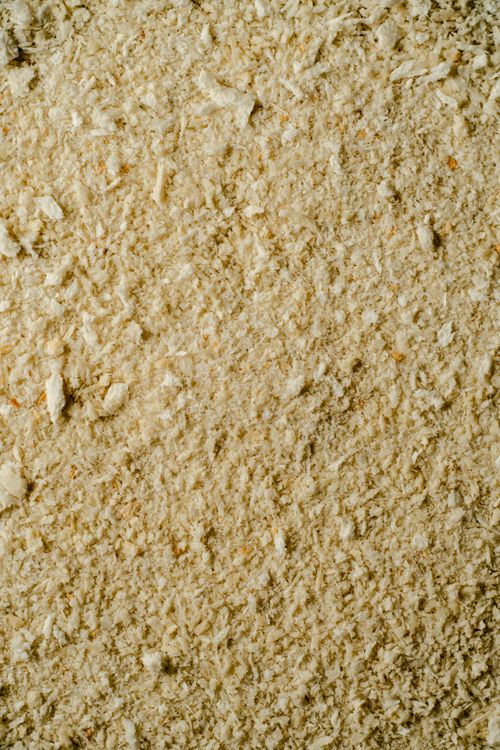
Cover: Eva Bronzini, source photograph, Pexels License. Image unchanged. A close view of breadcrumbs. Illustrative crumb texture, not a cited brand or verified grain-size specification.
Buying breadcrumbs in Poland becomes easier once you separate three questions: is this ordinary bułka tarta, a panko-style crumb, or a coating mixture with seasoning already included? They can all sit near flour and baking ingredients, but their names do not promise the same contents or the same finished texture. A product chosen for a neutral crumb topping may be quite different from one designed to season a batch of nuggets.
Use the recipe's intended job as your starting point. Do you need a plain ingredient for your own mixture, a clearly flaked coating, or a prepared seasoning-and-coating product? Actual producer descriptions answer that question more reliably than the colour of the packet. The examples below explain what is in several named products without offering a universal replacement chart or instructions for judging whether meat is cooked.
Bułka tarta is the ordinary breadcrumb starting point
Kupiec's Bułka tarta 400 g is described as specially baked wheat bread that is dried and broken down. Its ingredients are wheat flour, water, salt and yeast. The producer suggests it for coating meat, vegetables or cheese and notes that herbs can be added. This is a straightforward example of an ordinary breadcrumb product rather than a ready-seasoned mixture with a long list of spices.
That description also makes an important language point. Bułka can mean a bread roll, but bułka tarta on this packet names the breadcrumb ingredient. You are not looking for a bag of whole rolls. Retain both words when searching a grocery website. A translated category such as "bread" or a shortened product name may otherwise send you towards bakery items rather than the dry ingredient your recipe needs.
The ingredients are worth noticing even in a familiar product. This is made from wheat bread and includes salt; it is not simply flour and it is not a salt-free blank powder. That does not make it a poor choice. It means your shopping decision should reflect the actual recipe and your requirements rather than an assumption that a plain-looking crumb has no ingredients beyond the cereal itself.
A bigger bag does not create a new breadcrumb style
Kupiec also lists a 3 kg professional HORECA breadcrumb product. Its ingredient list again names wheat flour, water, salt and yeast. The description mentions ground, dried wheat bread without seeds, fillings or decorative additions. This is useful when comparing a large catering bag with a smaller household packet: the format of sale is different, but neither description identifies a seasoned nugget coating or a Japanese-style panko product.
Do not infer that all catering products are automatically the same as a household version, however. Match the exact name and ingredients before treating a bulk item as a direct reorder. This example merely shows why packet size is not a texture category. If a recipe calls for panko, buying a much larger bag labelled only bułka tarta does not establish that you have found the requested crumb structure.
For a first purchase, a size you can use and a clear product description are more helpful than choosing the biggest quantity because it looks economical. This guide does not compare live prices or promise how much you will use. The point is to avoid confusing buying volume with ingredient identity. A professional-looking bag can still contain an ordinary crumb intended for several different cooking jobs.
Panko identifies a different kind of crumb
Kikkoman's Polish product page calls its 227 g Panko a Japanese-style crispy coating made from special white bread. It describes a lighter, more airy crumb than ordinary breadcrumbs and suggests cooking, baking and frying uses. Its listed ingredients are wheat flour, cane sugar, yeast and salt. That gives you both a texture cue and a formulation to compare, rather than relying on panko as an unexplained fashionable word.
Prymat GastroLine offers another specific example, a 1 kg panko. Its producer-operated shop describes larger flakes that are not closely packed together, made from the inside of wheat bread without the crust. The ingredients listed are wheat flour, water, yeast and salt. Both are panko products, yet their ingredient lists are not word-for-word identical. A cane-sugar ingredient on one example should not become a claim about every panko on the Polish shelf.
These descriptions help you shop for a recipe that wants a visibly flaked crumb. They do not establish a precise particle-size standard for every brand. Nor do they guarantee that switching from ordinary crumbs will work identically in a filling or a baking formula. If your recipe specifically names panko, keep that word in your shopping note and compare the actual producer's description before accepting an ordinary-crumb substitution.
Neutral flavour does not mean one ingredient
Kikkoman says its panko contains no spices and suggests that it can also be used in desserts. That is different from saying it contains nothing beyond wheat. Its listed sugar, yeast and salt still matter when you are comparing formulations. "Unseasoned" is best understood here as a contrast with a deliberately spiced coating, not permission to ignore the ingredient list.
The distinction can prevent an awkward purchase for a sweet recipe. A named plain panko that the producer suggests for desserts is a different prospect from a savoury mixture containing garlic and paprika. At the same time, do not transfer Kikkoman's dessert suggestion to every breadcrumb mixture in the aisle. The actual product description is the relevant source, and another brand or flavoured variant may be designed for a different purpose.
Producer pages sometimes make strong claims about crunch or oil absorption. Those are not a reliable basis for promising a particular result in your own kitchen, and this guide does not rank crumbs by healthfulness or claim that a coating makes a fried dish low in fat. For the buying decision, use the observed flake description, ingredients and suggested uses. They are enough to distinguish the product without borrowing a marketing guarantee.
Panierka can mean a formulated coating
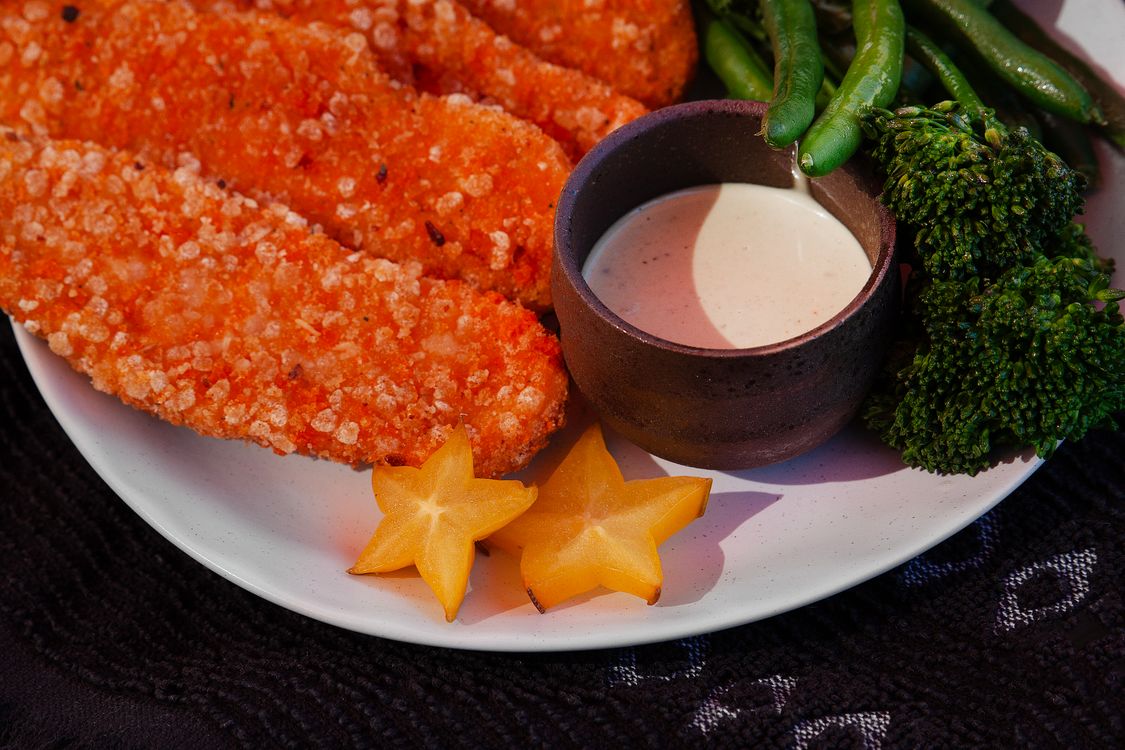
Panierka is a useful word for a coating or breading, but it does not guarantee a bag of plain crumbs. Prymat's AIR FRYER classic nugget coating 68 g is a concrete example. Its ingredient list includes wheat flour, garlic 9%, water, sweet paprika 6%, salt, onion, rapeseed oil, sugar, yeast, paprika extract, black pepper, allspice and caraway. Seasoning is built into this product; it is not an ordinary crumb waiting for you to choose every flavour.
That matters when your recipe separately calls for garlic, paprika and salt. Buying a prepared coating changes the starting mixture. It may be convenient when you want the producer's particular flavour profile, but it should not quietly replace an ingredient described only as breadcrumbs. If you want full control over seasoning, compare a plain breadcrumb or panko product instead of assuming all small packets in the same aisle are neutral.
The front-of-pack equipment name is another part of the identity. This Prymat product is promoted for an air fryer and also described as suitable for oven dishes. That does not make every breadcrumb product an air-fryer mix, nor every air-fryer seasoning a breadcrumb substitute. Read what the item actually is. Equipment branding and ingredient family answer different questions, and both can be important to the recipe you intend to follow.
Product directions reveal the intended job
The Prymat classic page gives a coating quantity for a stated amount of chicken and says its 68 g packet is intended for 400 g of fillet. That helps identify it as a measured prepared coating rather than a bulk plain ingredient. Its method includes adding oil and coating pieces before cooking. These are product-specific directions, not a general rule for how much crumb any recipe requires.
This article deliberately does not repeat a cooking time as a meat-safety instruction. Prymat itself notes that timing depends on the appliance manufacturer's recommendations and the quantity being cooked. The shopping lesson is narrower: if you choose a formulated coating, read its complete directions and the appliance guidance before planning the meal. Do not infer doneness from a golden surface or from a generic time attached to another product.
Likewise, a recipe written for a three-stage flour, egg and crumb coating should not silently become the method for a mixture whose producer specifies another sequence. The preparation instructions show how that producer expects its formulation to be used. Deciding to change the sequence is a recipe change, not a translation of bułka tarta or panierka. Keep the method attached to the product rather than combining convenient fragments from several packets.
Read the actual variant before reordering
A familiar brand is not enough to settle the choice. A plain panko, a garlic-and-paprika coating and another flavoured mix can all appear under the same producer's wider range. Keep the exact variant and pack name when saving a favourite. If a grocery service offers a substitute, compare the contents and intended use instead of accepting it just because the English category still says breadcrumbs.
For any dietary or allergy requirement, inspect the chosen packet's current ingredient and allergen information. The examples here include wheat-based products, but this is not a guide to establishing gluten-free suitability or absence of cross-contact. A recipe photograph and a short shopping title cannot answer those questions. This is also why a producer's formulation should not be extended to every product carrying the same broad crumb name.
A shopping note that matches the recipe
Write bułka tarta when you need ordinary breadcrumbs, panko when the recipe requests that flaked style, and the full named panierka when you want a prepared coating mixture. Add "plain" or the requested flavour where that distinction matters. Preserve any producer-specific method you plan to follow, especially when the product is sold as a complete coating for a stated quantity of food.
You do not need to declare one category better than the others. They solve different kitchen problems. Ordinary crumbs give you one familiar base, panko offers a different described structure, and a formulated coating includes a chosen seasoning profile. Buying deliberately means recognising those differences before you start cooking, rather than discovering halfway through a recipe that the apparently simple bag of breadcrumbs has already made several decisions for you.
Frequently asked questions
Does panierka always mean plain breadcrumbs?
No. The cited Prymat nugget coating includes garlic, paprika and other ingredients as well as a wheat-based coating.
Do all panko products have identical ingredients?
No. The cited Kikkoman product lists cane sugar, while the cited Prymat panko has a different ingredient list.