Child Vaccinations in Poland: The 2026 Mandatory Schedule
Short answer: Childhood vaccination is a legal duty in Poland under the 2008 infections act, and the state funds every mandatory vaccine. The 2026 calendar starts with BCG and hepatitis B in the first 24 hours and runs through boosters at 6, 14 and 19 years, with free HPV vaccination at ages 9-14.
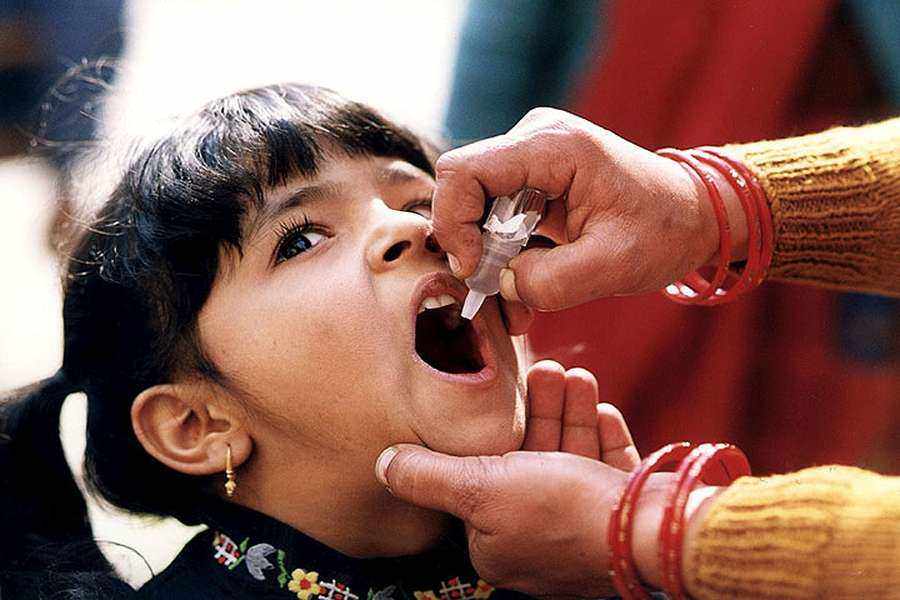
Moving to Poland with children means plugging into a vaccination system that is stricter than most: childhood vaccinations are not a recommendation here but a legal duty, set out each year in a national programme. The 2026 Programme of Protective Vaccinations (PSO), published by the Chief Sanitary Inspectorate, lists exactly which vaccines are mandatory, which are recommended and who pays. Here is what expat parents need to know, as of October 2026.
Mandatory means mandatory
The Warsaw sanitary inspectorate (WSSE) states it plainly: undergoing protective vaccinations according to the Programme is a legal obligation flowing directly from articles 5 and 17 of the 2008 Act on Preventing and Combating Infections and Infectious Diseases. A parent who evades the duty can face an administrative fine imposed by the authorities that supervise vaccination. In practice the system works through your child's primary care clinic, which tracks the schedule and calls you in; the state pays for every mandatory vaccine.
The 2026 mandatory childhood schedule
The National Institute of Public Health (PZH) publishes the official calendar. The mandatory childhood vaccinations in 2026, all free of charge, are:
- First 24 hours of life - BCG against tuberculosis and the first hepatitis B dose.
- 2 months - hepatitis B second dose, rotavirus, and the start of the combined series against diphtheria, tetanus, pertussis (DTP), polio (IPV) and Haemophilus influenzae type b (Hib), plus pneumococcal vaccine (PCV).
- 3-4 months - continuation of the DTP, IPV, Hib and PCV series.
- 5-6 months - further DTP and IPV doses.
- 7 months - third hepatitis B dose.
- 13-15 months - first MMR against measles, mumps and rubella, plus a PCV booster.
- 16-18 months - DTP and IPV boosters.
- 6 years - MMR second dose and a DTaP/IPV booster.
- 9-14 years - HPV vaccination, free in this age window.
- 14 years - Tdap booster; 19 years - Td.
The programme offers combined high-valency vaccines (DTaP-IPV-Hib, optionally with hepatitis B in 3+1 or 2+1 schemes), which reduces the number of injections per visit. Varicella (chickenpox) vaccination is mandatory and free only for the risk groups named in the programme; for other children it is a paid recommended vaccine.
Recommended and catch-up vaccinations
The PSO also lists recommended vaccines for children, adolescents and adults, including influenza, COVID-19, tick-borne encephalitis, hepatitis A and meningococcal vaccines; some are state-funded for particular groups, others are paid. If your child arrives with a partial foreign schedule, the clinic maps previous doses onto the Polish programme and plans catch-up vaccinations - bring the translated vaccination booklet to the first visit. Adults are covered too: the programme lists recommended adult vaccinations, including influenza and COVID-19 doses for the relevant groups, so parents can check their own status at the same clinic.

Where vaccinations happen and how they are documented
Mandatory childhood vaccinations are given free of charge at primary care (POZ) clinics, normally by your child's paediatrician or family doctor and the clinic's vaccination nurse. Each dose is recorded in the child's electronic health record, so it appears in the parent's IKP account and the mojeIKP app - the same account that shows prescriptions and referrals. The clinic keeps a vaccination card as well, and schools or kindergartens may ask about vaccination status when records are needed. If a visit is missed, the clinic calls to rebook; persistent refusal is what triggers the administrative track described by the sanitary inspectorate.
Practical checklist
- Register your child with a POZ (primary care) clinic soon after arrival; the clinic runs the schedule and sends reminders.
- Bring your child's vaccination records, ideally translated, so earlier doses count.
- Mandatory vaccines are free; expect no charge for the programme vaccines themselves.
- Track upcoming doses in the mojeIKP app or the child's IKP record, where mandatory vaccination entries appear.
- Do not skip appointments without rebooking - the duty is legal and enforced through administrative fines.
Frequently asked questions
### Do mandatory vaccinations apply to foreign children?
Yes. The duty follows from the 2008 act and applies to children in Poland; the WSSE confirms it is a legal obligation regardless of nationality.
Who pays for the vaccines?
Mandatory vaccinations in the PSO calendar are financed by the state. Some recommended vaccines are free for specific age or risk groups; others you pay for yourself.
My child had vaccines on a different country's schedule. Do we start over?
No. The clinic reconciles documented doses with the Polish programme and schedules only what is missing; keep the original records.
What happens if I refuse a mandatory vaccine?
The WSSE explains that evading the vaccination duty can lead to an administrative fine imposed by the authorities supervising vaccination.