Coconut Milk in Poland: Cooking Products and Drinks
The essentials: Cooking mleczko kokosowe and a coconut drink can have very different formulations. Keep fat ranges, coconut-extract shares and nested drink ingredients distinct, and match the exact product to the recipe rather than assuming a universal milk-to-cream conversion.
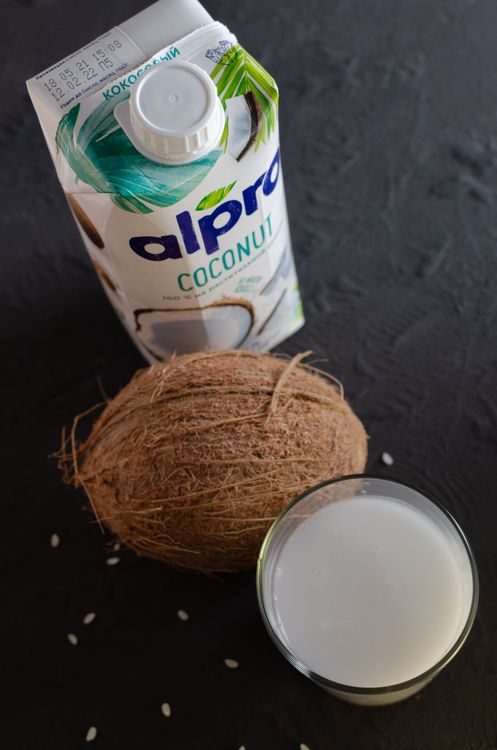
Cover: Александр Трубицын, source photograph, Pexels License. Resized and JPEG-compressed. A coconut drink carton, coconut and glass. The photographed foreign-market packaging is illustrative, not verification of the current Polish formulation cited here.
A coconut picture on a Polish carton or can does not tell you whether the contents are a cooking ingredient, a drink with rice, or a product marketed for a creamier result. Names such as mleczko kokosowe and napój kokosowy are useful starting points, but the actual formulation matters more than translating every package into the same English phrase, coconut milk.
Before choosing, decide what your recipe needs: a coconut-rich cooking base, a lighter product from a named range, or a drink for a glass, cereal or another intended use. Then read the ingredients and the producer's texture description. House of Asia's cooking products and Alpro's coconut-and-rice drink provide concrete examples of why those distinctions matter. They are not a universal classification of every coconut product sold in Poland.
Separate the product name from the coconut photograph
House of Asia lists several 400 ml products as mleczko kokosowe, with different fat ranges and formulations. Alpro's Polish page identifies its product as a coconut drink with added rice. Both can be translated loosely as coconut milk in casual conversation, yet the named products are not equivalent starting ingredients. A recipe that depends on one of them should not lose that distinction in the shopping note.
This is particularly useful in a translated grocery app. A shortened English title may place drinks and cooking products under the same broad search result. Open the complete Polish name and ingredients before deciding. Packaging format can be a clue, but a carton or can is not itself proof of the contents' concentration, recipe behaviour or intended use. Use the actual product information rather than treating the container shape as a rule.
A 12-14% cooking product has its own formulation
House of Asia's Mleczko kokosowe 12-14% 400 ml lists coconut extract 65%, water and guar gum as a stabiliser. The producer describes a smooth, creamy texture and suggests Thai dishes, soups, sauces, desserts and drinks. Those are specific clues about this named product. It is not simply a coconut-flavoured beverage, nor evidence that every product sold as mleczko has the same coconut share.
The two percentages answer different questions. The name's 12-14% refers to the stated fat range, while 65% appears in the ingredient statement for coconut extract. They are not competing estimates of how much coconut is in the can. Keep the words attached to the numbers when comparing products. A shopping list that remembers only "the 65% one" may omit the very texture or fat-range requirement your recipe specified.
Guar gum is also part of this particular formulation. Its presence does not justify a health judgement or tell you that every cooking coconut product contains the same stabiliser. It simply belongs in an accurate ingredient comparison. If you need a specific formulation, inspect the exact item rather than assuming the product family name settles the question.
The 17-19% example changes more than the front number
House of Asia's Mleczko kokosowe 17-19% 400 ml lists coconut extract 86%, water and guar gum. The producer describes it as creamy and thick, with uses including desserts, curry, ice cream and drinks. That provides a direct comparison within one range: the named product has both a different fat range and a different listed coconut-extract share from the 12-14% example.
Do not simplify that into a universal formula linking every coconut percentage to one exact fat content. The ingredient and nutrition statements describe the selected products, and another brand may formulate them differently. What matters for a recipe is whether this product's own specification matches the ingredient requested. Two cans carrying a coconut picture can make different contributions to the same sauce.
The producer also notes that this product can separate when left unshaken, creating a thicker upper layer, and advises shaking before opening. That is product-specific handling advice. It does not mean every coconut product should be judged by the same appearance or that separation alone settles whether any product is fit to use. Follow the actual packet's instructions rather than turning one brand's tip into a general quality test.
The BIO 20-22% example has another ingredient list
House of Asia's Mleczko kokosowe BIO 20-22% 400 ml lists organic coconut extract 95% and water. Guar gum is not listed in that formulation. The producer describes a thick, creamy product from a first pressing and suggests curry, desserts and coffee among its uses. These details help distinguish it from the two other named cooking products without declaring that a higher number is automatically better for every dish.
The absence of a listed stabiliser here is a factual difference in these pages, not a reason to claim all organic coconut products omit additives. BIO is part of the exact product identity. It does not replace the ingredient list, guarantee a particular texture across brands or create a universal substitution rule for a recipe written around another formulation. Read the actual item rather than extending this example to a whole category.
The page suggests chilling and using the thicker portion for a whipped result. That is a producer tip for this product, not a guarantee that every coconut milk or drink can be whipped. If a dessert depends on whipping, buy a product whose own directions support the required method and result. A high-looking coconut number alone does not establish that another product will perform identically.
Coconut drink with rice is a different actual mixture
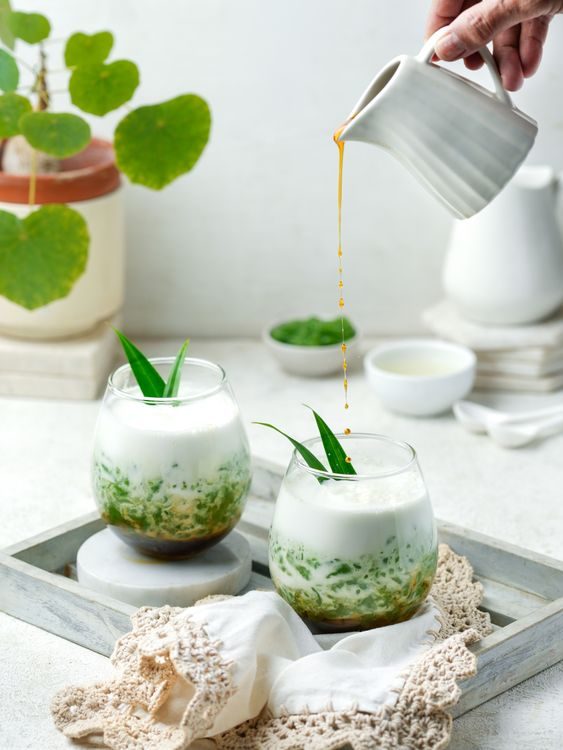
Alpro's Polish coconut-with-rice page lists water, a coconut preparation 8.6% containing water and coconut cream, rice 3.3%, calcium, stabilisers, sea salt, flavourings and vitamin B12. The producer presents it as a drink. This is a different ingredient structure from House of Asia's cooking products with 65%, 86% or 95% coconut extract. The comparison is about formulations and uses, not a judgement that one is the proper product and another is inferior.
The nested wording deserves care. Alpro's page shows a coconut preparation and describes components inside it. Do not silently turn a percentage inside that statement into a newly calculated whole-carton claim. Nor should the 8.6% coconut-preparation figure be treated as the same measurement as another producer's coconut-extract percentage. The ingredient terms and what they qualify must travel with the numbers.
Rice is a separate listed ingredient in this Alpro product. That means a coconut picture does not establish that the drink is made only from coconut and water. If your recipe expects a particular cooking coconut ingredient, substituting a coconut-and-rice drink changes the starting formulation. Whether a deliberate substitution works is a recipe question, not something settled by translating both products as coconut milk.
Creamy descriptions do not establish one universal cream category
The cooking pages use descriptions such as creamy, thick and smooth, and one discusses a thicker layer after separation. Those words help explain the intended texture of the named products. They do not create a single legal or technical boundary between every item called milk, cream, mleczko or krem in shops. This guide deliberately does not promise that one Polish word always maps to one fixed percentage.
If a recipe calls specifically for coconut cream or a whipping product, preserve that request and investigate the exact item. Do not assume the thickest-looking can in a photograph is a verified match. The producer's own directions and formulation are better evidence than a retailer's shortened translation. A similar name can conceal a different intended use, especially when drinks, cooking bases and dessert products appear together online.
The same applies when a retailer uses a different English name for an otherwise similar-looking product. Match the producer, format and actual ingredients before treating it as an identical reorder. A title alone cannot prove that a cream-labelled listing and a milk-labelled listing contain the same formulation. If the details remain unclear, inspect the packet rather than filling the gap with a general rule about coconut terminology.
Choose for the recipe, not a percentage contest
A recipe may depend on a particular consistency, a stated fat range or a named cooking product. Keep that requirement when shopping. Within the House of Asia examples, the fat ranges and coconut-extract shares differ, and the producer describes different texture cues. Those facts help you compare. They do not establish a fixed dilution method that turns one into another or a universal quantity to substitute for dairy cream.
This is also not a health ranking. A higher or lower fat range does not answer which product fits tonight's curry or a specific dessert method. The useful decision is whether you want the selected formulation and intended use. A coconut-and-rice drink may be exactly what you want to drink, while a recipe may ask for a richer cooking base. There is no need to collapse those jobs into one best product.
A useful shopping note keeps the distinctions intact
Write the actual product family and any recipe requirement together: cooking mleczko kokosowe, the requested fat range or named variant, or napój kokosowy with rice if that is the intended drink. Keep the producer and pack details when repeating a favourite. If a grocery service suggests a replacement, compare the formulation and intended use before accepting it simply because it also shows a coconut.
The goal is a purchase that matches what you plan to make. These examples show why ingredients, percentages and texture descriptions all matter, but none works well when detached from its product. Read them together and keep the exact directions with the item. That lets you choose deliberately without inventing a universal conversion between coconut drinks, cooking products and creams.
Frequently asked questions
Does a coconut percentage mean the same as a fat percentage?
No. In the cited cooking products, the named fat range and the coconut-extract ingredient share are different measurements.
Can every coconut drink be whipped or used like coconut cream?
Do not assume so. Use a product whose own directions support the intended recipe or whipping method.