Crochet Classes in Poland: Choosing Your First Project
The essentials: Choose a true beginner project, then confirm the current date, course sequence, language and materials. A visible programme does not prove places are available or that mid-course joining is possible.
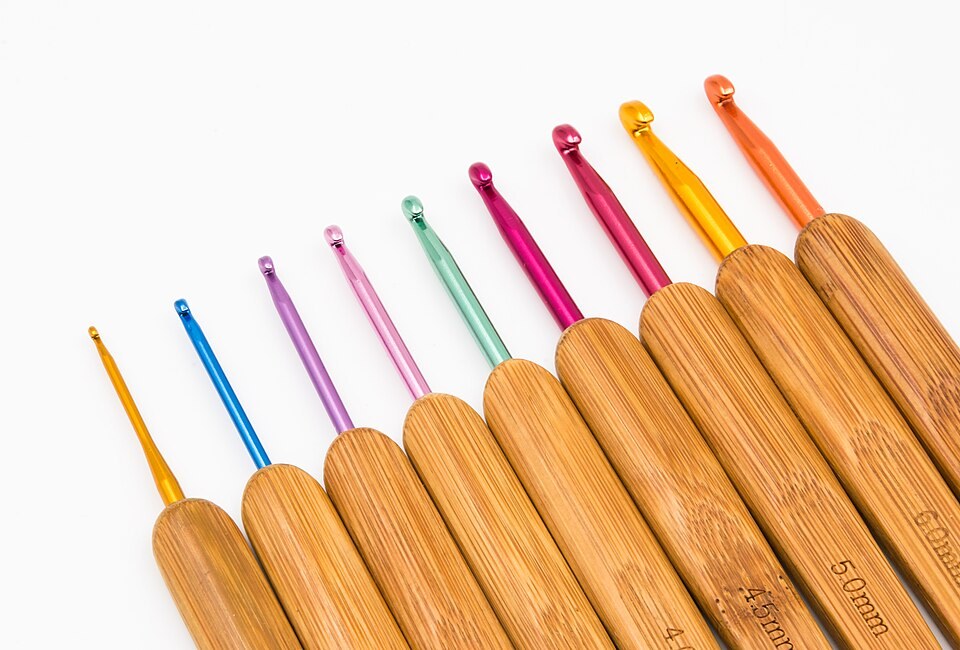
Contextual crochet hooks, not a reviewed provider's supplied kit. Jacek Halicki, 7 March 2024 / Wikimedia Commons, CC BY-SA 4.0. Resized and re-encoded; derivative under the same licence.
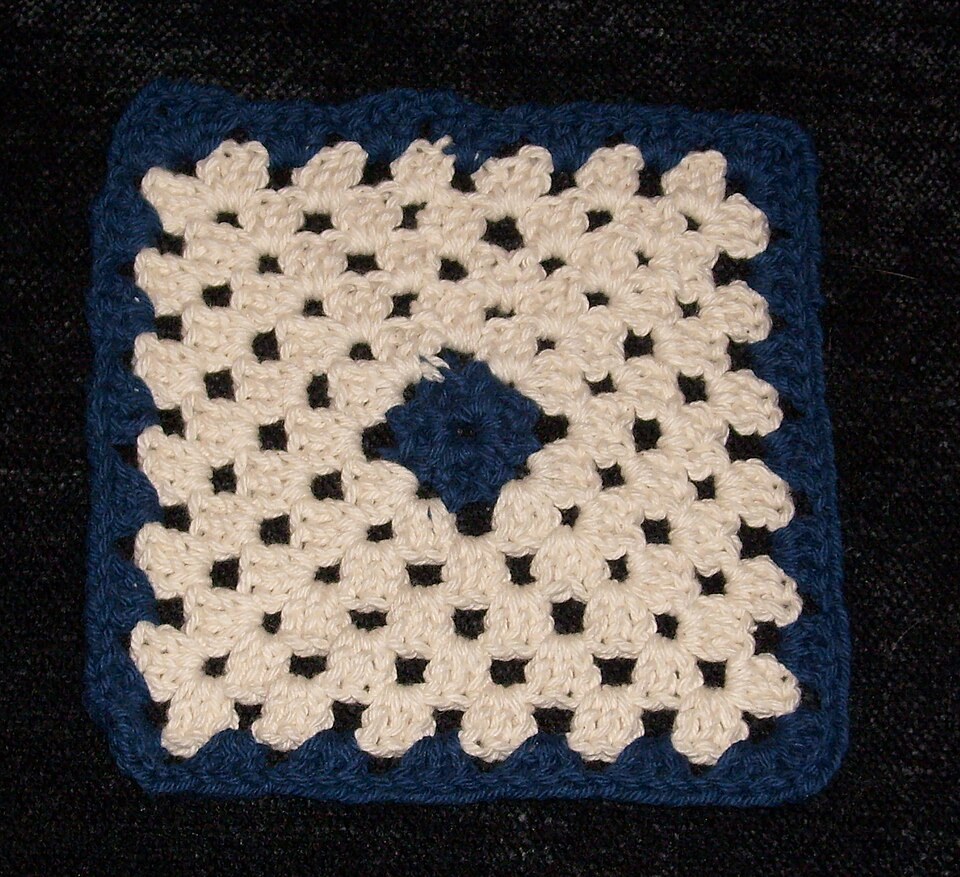
A first crochet class in Poland might begin with basic stitches and a coaster, work towards a granny square over several meetings, or use cord and a ready-made base to make a small basket. These are different learning projects. For an expat choosing a class, the useful question is not simply whether the page says "beginner", but what you will practise and how the sessions fit together.
This guide compares seven primary pages from six organisers, checked on 29 October 2026. It is a programme comparison, not a ranking based on personal attendance. Advertised dates are not verified places. Several autumn programmes have already started, and one Toruń example is historical. Confirm the current edition, entry level, teaching language and terms before paying or arranging travel.
Match the first project to the lesson
Nowohuckie Centrum Kultury's Kraków description is unusually clear about its intended starting point: basic crochet stitches, reading a simple chart and being able to continue a started coaster project independently. It does not frame the three-hour introduction as a guarantee that everyone completes a large object. That makes it a useful example of a manageable first-session goal.
Warszawa Szyje's nine-hour introduction lists basic stitches, starting methods, chart reading and a choice of a simple object. Examples include a small case, cup warmer, bookmark, coaster or granny square. Ask which project the selected group will make and how the teacher helps someone who progresses more slowly. A list of possible objects is not a promise to finish all of them during the course.
Do not choose a class solely from a photograph of a complex garment. Ask whether the picture shows the first project, a teacher's sample or a later possibility. If you want to make a particular object, describe it before booking. The organiser can then explain whether it belongs in an introductory class, a longer course or a later project after you have practised the basics.
A cord basket teaches a different brief
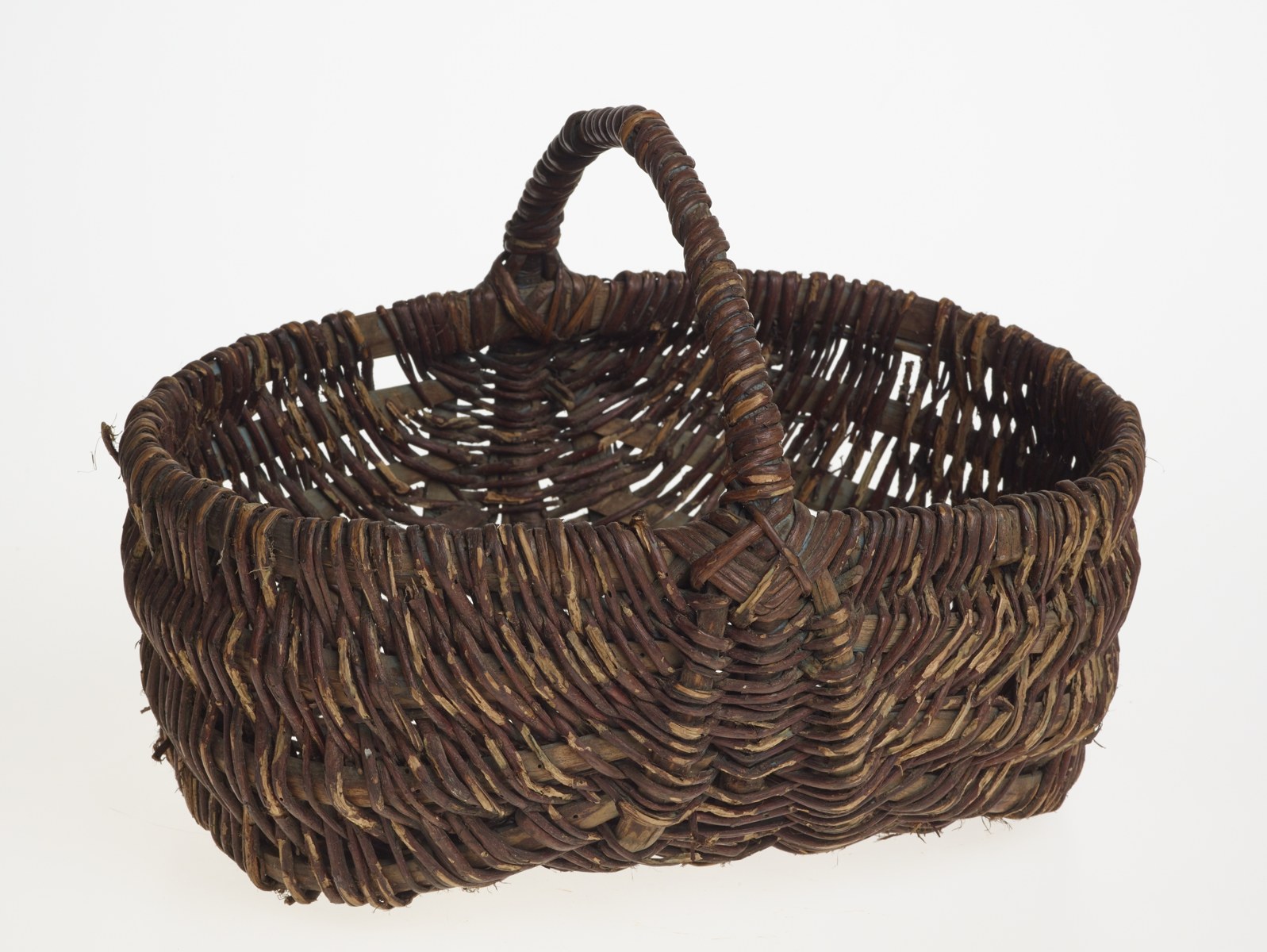
Centrum Sztuki Współczesnej in Toruń advertised beginner workshops on 30 September and 3 October 2026 using cord and a plywood basket base. Both dates are now past. The description matters as a programme example: it specified the material and supplied structure rather than suggesting participants would crochet every part of the basket from the beginning.
If a cord basket appeals to you, ask which parts are prepared and what you will do yourself. If your goal is learning a flexible yarn project or a chart-based square, ask whether the chosen basket session covers those skills. Neither format is inherently a better introduction. The fit depends on whether you want a particular finished object, practice with a technique or a starting point for later patterns.
One afternoon or a connected course?
NCK advertises a three-hour session for Saturday, 21 November 2026, from 15:00 to 18:00. Its 17 October 2026 date is past. The November listing is an advertised event, not a checked inventory of seats. Confirm the current booking route and what is included in that edition, especially if you are travelling to Kraków for the workshop.
Warszawa Szyje's page, published on 23 October 2026, describes a nine-hour course across three meetings. It lists a November sequence on Sundays, 15, 22 and 29 November 2026, from 10:00 to 13:00. It also lists October-start sequences that are already underway. Ask whether you are buying the whole sequence and whether all meetings are necessary. Do not treat the final date of an existing course as a fresh introductory session.
Centrum Kultury Podgórza's Klub Skotniki programme has four 90-minute meetings across October and November 2026, beginning on 16 October. Later dates in the same sequence do not prove that a complete beginner can join midway. Ask about catching up, whether the group follows one shared project and what happens if you miss a meeting. A friendly programme description is not a drop-in policy.
Recurring groups have their own joining rules
Warszawa Szyje's Ursynowskie Centrum Kultury Alternatywy page describes recurring groups with a planned continuation from September 2026. It says people can join subject to available places and lists separate times for children and adults. That is more explicit about joining than a fixed multi-session course, but it still does not prove a place is open or that the timetable has not changed.
CK105 in Koszalin describes a 12-meeting September-November 2026 cycle progressing from starting stitches and simple charts towards more developed projects. Its first meeting was in September. Ask whether joining in late October is possible, what a newcomer starts with and whether tuition or materials differ from those for participants who began together. A course title mentioning a shawl is not a one-session completion promise.
A recurring group may be useful if you want repeated practice and a regular local activity. A one-off introduction may be easier if you mainly want to test whether you enjoy the process. Neither format guarantees friendships or a health benefit. Choose a schedule you can realistically keep and a learning arrangement that matches your starting point.
Check the hook and materials before buying
Gostyński Ośrodek Kultury's beginner listing advertises Friday, 6 November 2026, at 16:00 and specifically asks participants to bring a 4-5 mm crochet hook. NCK instead says necessary materials are included. Those are different preparation instructions. Read the exact selected event rather than assuming every cultural-centre workshop supplies the same things.
Warszawa Szyje's nine-hour page explicitly says participants can take their work and first hook home. Its Ursynów programme says materials for basic projects are provided on site. Do not expand either wording into a promise that every tool or unlimited yarn is yours to keep. Ask what is supplied, borrowed or taken home, and whether a larger personal project requires additional materials.
If you already own a hook or yarn, send the organiser the size and material details and ask whether they suit the lesson. Do not buy a large set because it looks similar to a photograph. The teacher may want everyone to begin with a particular combination. If you avoid certain fibres or have a material sensitivity, ask what is used and whether an agreed substitute works for the project.
Ask about English, patterns and individual help
The reviewed descriptions do not establish an English-taught session. Ask whether the instructor can explain demonstrations, corrections and written instructions in English throughout. An English reply about booking does not settle the teaching arrangement. If you can follow Polish demonstrations but need occasional English help, say so rather than making the organiser guess.
A useful enquiry is: "I have never crocheted before. Can you explain the steps and help me individually in English? Will I receive a chart or written instructions I can follow afterwards?" Ask which terminology the supplied instructions use if you plan to practise from English patterns at home. Do not assume a teacher's spoken explanation and a printed pattern use the same language or shorthand.
Keep crochet and knitting bookings separate
The Warsaw introductory page links to knitting on needles as a separate course. If your goal is specifically crochet, use the Polish term szydełkowanie when asking about the booking. A general yarn-craft listing, social meeting or shop event may not offer the structured introduction you want. Ask whether it teaches beginners or expects people to bring a project they already know how to continue.
Similarly, an open craft group and a taught course can offer different kinds of help. Ask whether the instructor follows a syllabus, demonstrates each stage and checks your work, or mainly answers questions during independent making. Both can be useful at the right stage. They are not interchangeable if you need someone to show you the first steps.
Access, pace and age rules are specific
Ask about the actual room, stairs or lift, seating, table height, lighting and breaks. Warszawa Szyje identifies its Smocza studio as being on the second floor, which is a reason to ask about access, not proof of an inaccessible entrance. If close work or hand movements are difficult, explain what assistance you need and ask whether the pace or project can be adapted.
Klub Skotniki's programme is for young people aged 12+ and adults. Warszawa Szyje's introductory page says it is also suitable for children above age nine. The historical Toruń basket workshop specified 8+. These are separate programme rules, not one universal threshold. Confirm guardian attendance, whether adult and child need separate places and whether the chosen project suits the participant.
Confirm the current terms and realistic next step
Before paying, ask whether the total covers one meeting or a whole cycle, which materials are included and what happens if you cannot attend. Confirm minimum-group conditions, organiser cancellation, date changes and any voucher expiry. A recurring programme's monthly payment or a course deposit should not be interpreted as a drop-in ticket or a refund promise without checking its own terms.
Finally, ask what you can continue after class. That might be a started coaster, a small square, a chart and some practice advice rather than a finished garment. Choose one manageable project and a teaching language you can use, then confirm the current date, preparation and terms. Knowing what you will learn is more useful than expecting your first result to look exactly like an experienced maker's photograph.
Frequently asked questions
Do I need to buy a crochet hook first?
Check the selected class. Gostyń asks for a 4-5 mm hook, while other programmes supply materials or explicitly include a hook to take home.
Will I finish the project in one session?
Do not assume so. NCK describes learning to continue a started coaster, while other projects form part of a multi-meeting course.
Can I join a course that has already started?
Ask the organiser. A later date in a connected sequence is not proof of a fresh beginner session; recurring groups may have separate joining rules.
Can I take the class in English?
The reviewed text does not establish English teaching. Confirm spoken demonstrations, individual help and the language of any patterns.
Are the advertised November dates available?
The guide verifies published programmes, not remaining places. Confirm current booking, full dates, materials and terms directly.
Sources
- NCK Kraków, published 29 July 2026, advertised 21 November 2026; checked 29 October 2026
- Warszawa Szyje nine-hour introduction, published 23 October 2026; checked 29 October 2026
- GOK Gostyń, advertised 6 November 2026; checked 29 October 2026
- CK Podgórza Klub Skotniki, October-November 2026 cycle; checked 29 October 2026
- CSW Toruń, past 30 September / 3 October 2026 workshops; checked 29 October 2026
- Warszawa Szyje Ursynów, published 14 January 2026, September continuation plan; checked 29 October 2026
- CK105 Koszalin, September-November 2026 cycle; checked 29 October 2026