Embroidery Workshops in Poland: Choosing Your First Hoop Class
The essentials: Choose a true introductory level and a manageable project, then confirm language, materials, current date, access and the exact booking terms. Programme listings are not live availability.
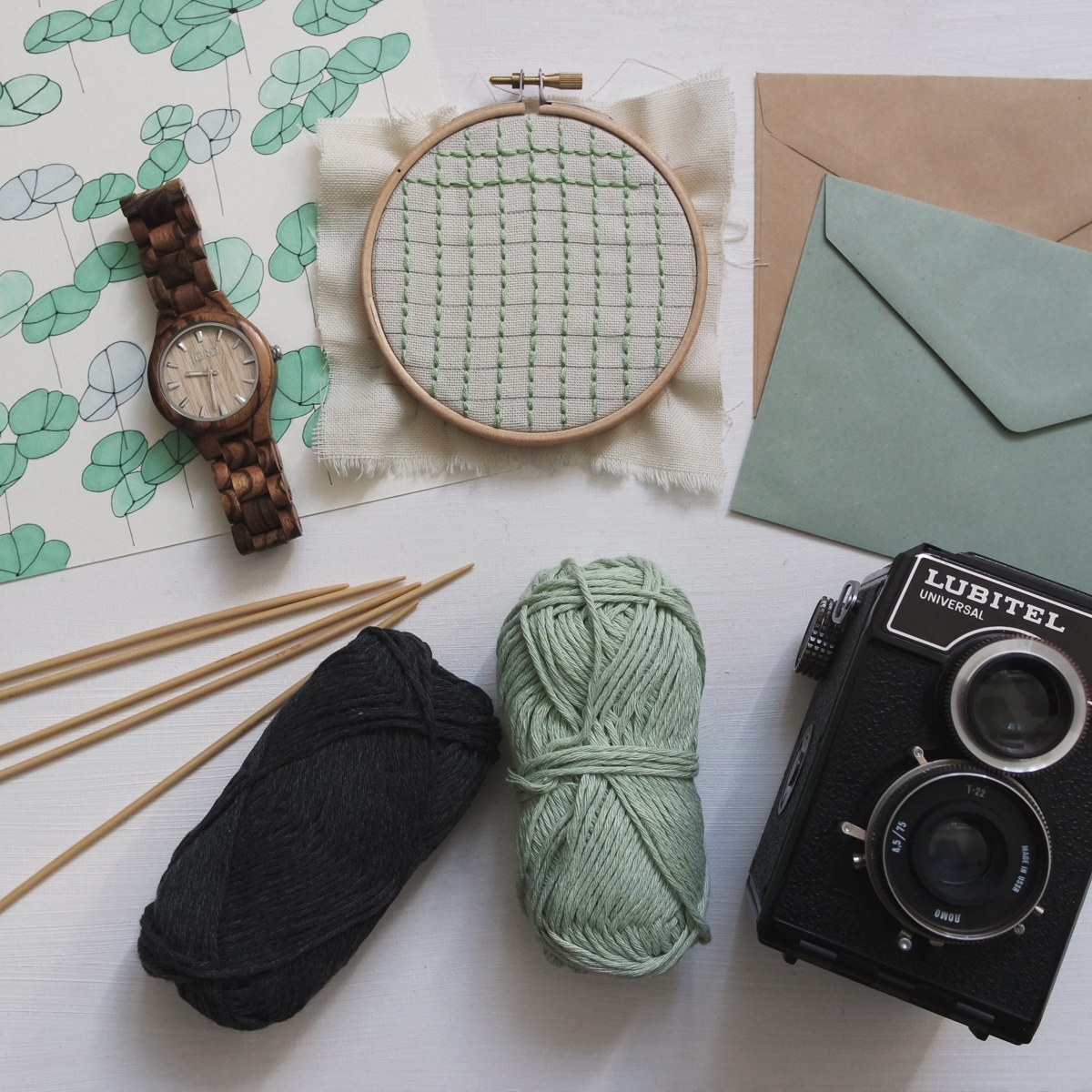
Contextual craft still life, not a reviewed workshop or supplied kit. Giulia Bertelli / Wikimedia Commons, CC0 1.0. Published 22 June 2016; camera metadata records 4 May 2016. Resized and re-encoded.
An embroidery class can be an easy way to try a creative activity after moving to Poland, but a beautiful finished hoop does not tell you what happens during the lesson. Some sessions teach the first stitches; others assume you have already made a project. Some supply a take-home kit, while others provide equipment only during class. Choose by the teaching programme and the practical arrangements, not the most elaborate photograph.
This guide draws on six provider and cultural-institution pages checked on 29 October 2026. It compares formats rather than ranking teachers from personal experience. Published programmes are not proof of available places. One museum example is a past September 2026 event, and an older KADR listing has a yearless event heading. Use those as programme examples, not dates you can book now.
Choose a true first-step class
Look for an explanation of what "beginner" means. NoweHafty separates an introductory level from Beginner PLUS: the first covers tools, materials, basic stitches and a simple project; PLUS is intended for people who already have their first embroidery behind them. That distinction is useful if you have never threaded an embroidery needle or prepared fabric in a hoop. A familiar word in a course title is not enough.
Ask whether the session includes preparing the hoop, transferring a design, starting and finishing threads, practising stitches and dealing with the back of the work. NoweHafty's description mentions several of these stages. A class might instead focus on one project or technique. That can still be a good fit, provided you understand the starting point and do not expect a complete introduction from a specialist session.
Compare a one-off session with a regular group
Nowohuckie Centrum Kultury describes a three-hour hand-embroidery workshop using hoops, open to beginners and people with some experience, with materials supplied. Its page lists a past 24 October 2026 meeting and another advertised for Saturday, 7 November 2026, from 15:00 to 18:00. The latter is an advertised date, not verified availability. Confirm the current session, booking conditions and admission rule directly before making plans.
Klub Kultury Wola's Hafciarki programme offers a different rhythm: weekly adult meetings, described as starting from the basics, with a monthly changing theme. Its published 2026/2027 outline moves from introductory floral work to filling stitches, seasonal projects and later techniques. If you want repeated contact with the same group, that may be more relevant than a single afternoon. Ask whether joining after the October start is possible and what you would need to catch up on.
A regular group and a one-off ticket can also involve different payment and absence rules. Wola describes registration and payments through Strefa Zajęć. Ask which meetings a payment covers, whether holidays interrupt the timetable, and what happens if you miss a class. Do not assume a recurring programme can be treated as a drop-in simply because the activity is informal.
Pick the object you actually want to make
A sampler hoop, a decorative composition and embroidery on an existing garment are different starting projects. ArtLab's Warsaw programme describes basic stitches that can be used for an image in a hoop or on something brought from home, such as a bag, backpack or denim jacket. It also mentions sewing projects and more advanced punch-needle work. Confirm which activity the selected session actually offers rather than assuming the whole catalogue happens together.
The Museum of Warsaw Praga's Brojt workshop provides a useful historical example of a specific brief: its 13 September 2026 event involved free embroidery on linen bread bags, with bread-related words and motifs and materials available on site. That event is past. Its value here is showing why the object matters: a themed bag workshop is not necessarily the same lesson as a stitch sampler or an introduction to garment decoration.
If bringing your own clothing, describe the fabric and ask the instructor whether it suits the project. Do not bring an irreplaceable item expecting a guaranteed result. Ask whether practice fabric is available first and whether the design can be adapted. This is a class-selection question, not a promise that any fabric, thread or decorative addition will work in the same way.
Materials supplied does not always mean a kit to keep
NoweHafty's workshop description explicitly lists a box containing fabric, a wooden hoop, scissors, needles, a disappearing pen and patterns, with embroidery threads available, and says participants take the materials home. Wola lists hoops, fabric, threads, needles and other accessories as supplied for its programme. NCK says it provides necessary materials. These wordings are not identical promises about ownership of every tool.
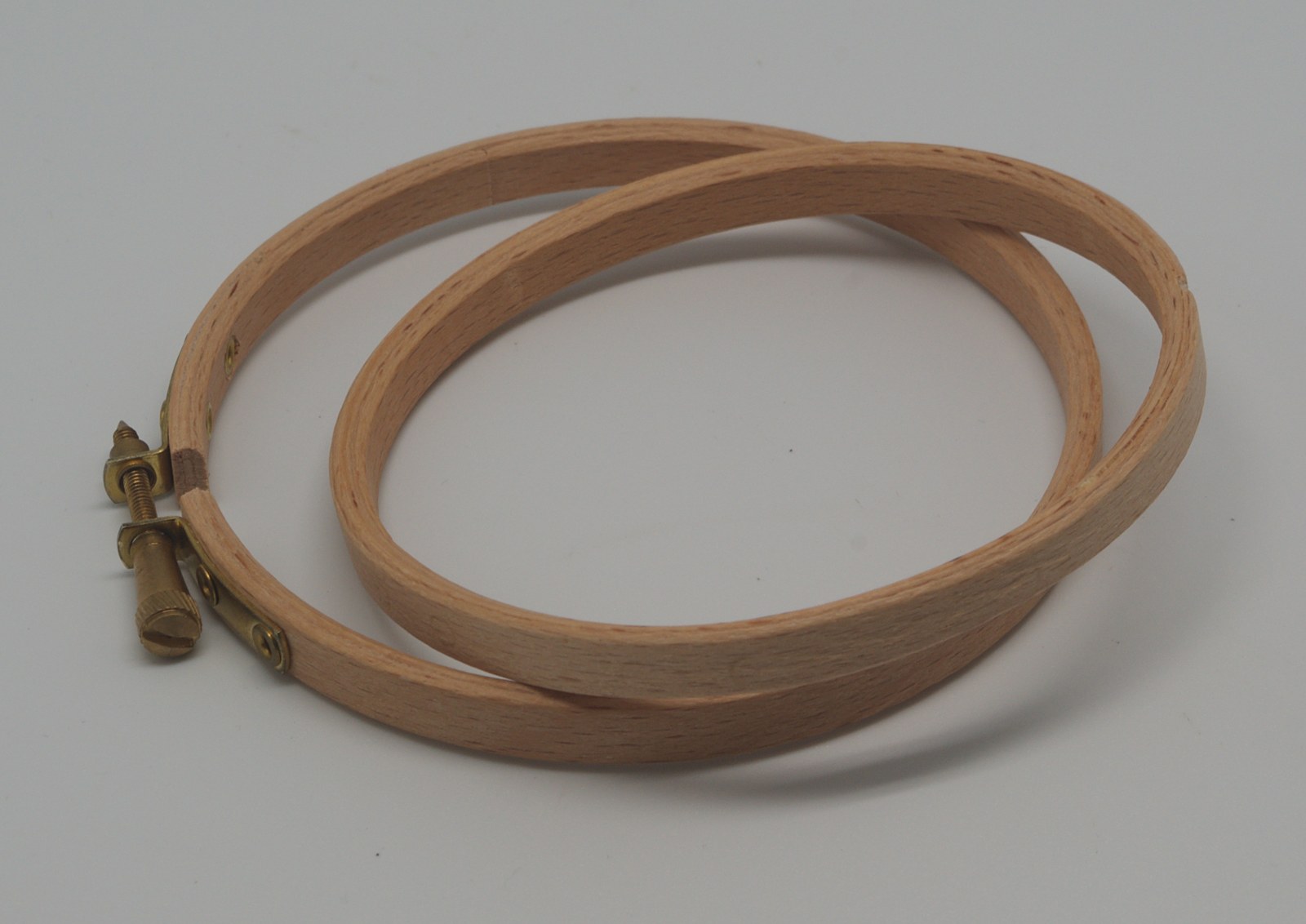
Before buying supplies yourself, ask what is included for the selected edition, what remains in the studio and what you can take away. Check whether the hoop is both a working tool and the final display frame, and whether you need a separate frame later. If a kit is included, ask whether it contains enough of the chosen colours to continue the project at home. Avoid buying a large set before you know what the teacher recommends.
Clarify the teaching language
The reviewed descriptions do not establish an English-taught session. Ask about the full lesson: spoken demonstrations, written patterns, stitch names and individual help. A reply in English about payment is not confirmation that the person teaching can explain the technique in English throughout. If you are comfortable following a Polish demonstration but need occasional English help, explain that distinction rather than making the organiser guess.
A useful enquiry is: "I have never embroidered before. Can I follow this session in English, including individual help, and will I receive instructions I can use at home?" Ask whether any extra language arrangement affects the price or group format. If attending with a friend who will interpret, check that this works for the teacher and whether the friend also needs a place.
Ask about pace, finishing and follow-up
A three-hour session is not a guarantee that every participant will finish an elaborate design. Ask what a realistic beginner outcome is, whether stitch practice comes before the main project, and what happens if your piece remains unfinished. KADR's introductory description emphasises basic techniques, colour palettes and taking time rather than racing. Its yearless event heading is not used here as a current calendar entry.
Useful follow-up can be modest: a stitch reference, a named pattern, advice on the next class or a clear explanation of finishing. Ask what is actually provided rather than assuming an ongoing support service. If the course has several levels, ask what skills you should practise before moving up. A recognisable completed motif matters less than knowing what you can repeat without the teacher beside you.
Check access and age rules individually
NCK's wording describes participants above age 16; Wola's programme is for adults. ArtLab publishes separate rules for individual bookings and says people under 18 attend with guardians, with places reserved for both. Those are programme-specific statements. Do not apply one institution's age threshold to another class, and clarify an age-boundary case directly rather than relying on a loose translation of the listing.
For access needs, ask about the actual room, stairs or lift, chair and table height, lighting, breaks and the size of the work. Wola identifies a room on level +1, which is a prompt to ask about access, not proof that access is impossible. Explain any assistance you need with close work or handling materials. A general accessibility statement does not answer every question about a particular lesson.
Read the right cancellation and attendance conditions
NoweHafty's published information permits a change to another workshop available in its shop no later than three days before the session. It also says simply not attending does not create a refund or a right to attend another date. Treat that as the provider's published policy, not a legal ruling or a promise that every replacement date will suit you. Check the selected product and current terms before paying.
ArtLab distinguishes organised groups from individual participants. Its individual-booking section says registrations appear one to three days before a session and lateness exceeding five minutes is treated as absence. It provides a cancellation route through the confirmation message. Do not transfer a cancellation deadline from the organised-group section to an individual booking without checking. Even where a programme is advertised as free, registration and attendance conditions still matter.
A sensible first booking
Start with one small project, a teaching language you can use and a time commitment you can keep. Confirm the current date, level, materials, room and terms in writing. Choose a one-off introduction if you mainly want to test the activity; consider a regular group if you want repeated practice and a recurring local routine. Neither format guarantees friendships, wellbeing effects or a finished display piece, but clear expectations make the first session easier to judge.
Frequently asked questions
Do I need embroidery experience?
Choose a genuine introductory class. NoweHafty distinguishes its first level from Beginner PLUS, which assumes you already have some experience.
Will materials be included?
Several reviewed programmes supply materials, but only specific wording establishes a take-home kit. Confirm what you keep before buying your own supplies.
Can I attend in English?
The reviewed descriptions do not establish an English session. Ask about demonstrations, individual help and written instructions for the chosen booking.
Can I bring my own jacket or bag?
ArtLab describes work on brought items as one possibility. Confirm the selected activity and fabric with the instructor; do not assume every class accepts garments.
Is the November NCK session confirmed available?
The page advertises Saturday, 7 November 2026, 15:00-18:00. This guide does not verify available places. Confirm current booking and admission terms directly.
Sources
- NoweHafty workshop levels and materials, undated; checked 29 October 2026
- NCK hand embroidery, advertised 24 October / 7 November 2026; checked 29 October 2026
- Klub Kultury Wola Hafciarki, 2026/2027; checked 29 October 2026
- KADR introductory programme, older listing/yearless event heading; checked 29 October 2026
- ArtLab programme and attendance rules, undated; checked 29 October 2026
- Museum of Warsaw Praga, past 13 September 2026 workshop; checked 29 October 2026