How to Stay Safe When Meeting Dating App Matches in Poland
The essentials: Video-call first, meet in a busy public place by day, arrange your own transport, tell a friend the plan. Polish Police warn: anyone asking for money, BLIK codes, crypto or gift cards online is a scammer. Emergencies: 112; scammed - call your bank, keep evidence, report to Police.
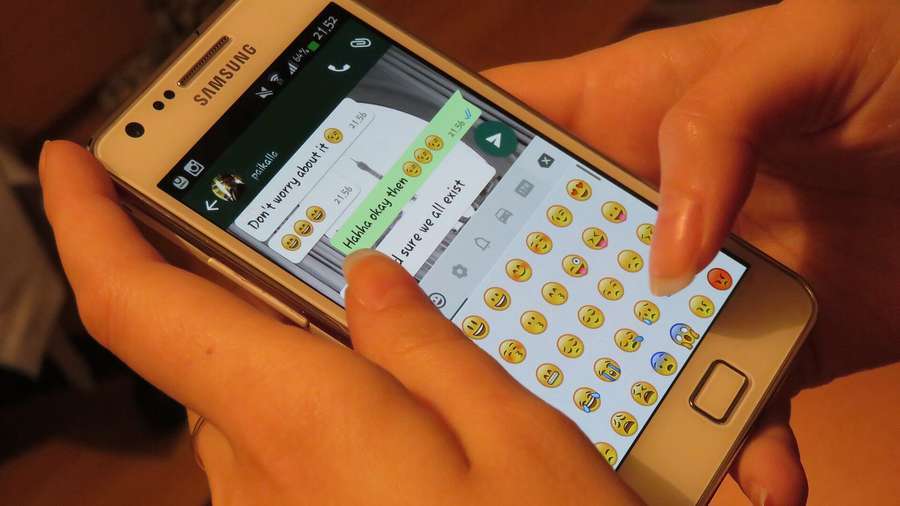
Most dating-app first meetings in Poland end with a coffee and a story to tell. The small risk sits at both ends of the process: scammers who never intend to meet you at all, and the ordinary precautions that apply whenever you meet a stranger. Polish Police publish clear, current guidance on the first; the second is a checklist. This guide covers both, with what is specific to Poland.
Before you agree to meet
The verification stack, in order of effort:
1. Video call first. Ten minutes of video filters out nearly every fake profile. Poland's Central Cybercrime Bureau (CBZC) lists avoiding video calls and in-person meetings as a core scam warning sign. 2. Use the app's own verification. Tinder's video verification and Sympatia.pl's SMS verification exist for a reason - verified profiles only is a reasonable personal policy. 3. Reverse-image-search the photos. Stolen photos are the standard scam building material; a two-minute search catches the lazy half of them. 4. Keep the conversation in the app until after the first meeting. Your number and socials are leverage; hand them over after the coffee, not before.
The romance-scam playbook Poland's Police warn about
The CBZC's July 2026 warning describes the pattern precisely. Scammers build credible profiles on dating portals and social media using stolen photos and prepared backstories, presenting themselves most often as doctors, soldiers, entrepreneurs, sailors or engineers working abroad. The relationship develops slowly - daily contact, attention, compliments, talk of a shared future - for weeks or months, because patience is the investment. Then the first "problem" appears: a sudden illness, detention at an airport, a frozen bank account, an expensive parcel, or missing funds for the trip to Poland. That is when the money request lands, and after the first transfer, the requests multiply.
The Police red-flag list, verbatim in substance: be especially careful when someone you met online declares love quickly and talks about a future together; avoids video calls or meetings; constantly explains their absence with being abroad; asks you to keep the relationship secret; asks for money, BLIK codes, cryptocurrency or gift cards; pushes you to invest on unknown online platforms; or claims their health, safety or life depends on your help.
And the counter-rules: never send money to people you know only from the internet; never share banking or identity-document data; verify photos and information; make no decisions under emotion or time pressure; and talk to family or friends the moment an online relationship starts touching money. The BLIK point is Poland-specific and worth memorizing: a BLIK code is instant access to your bank account, and no legitimate person will ever ask for one.
Data source: Central Cybercrime Bureau (CBZC) warning "Wirtualna miłość czy prawdziwe oszustwo", policja.pl, 24 July 2026, checked 22 October 2026.
Poland-specific comfort factors
A few local realities work in your favor. First dates in Poland default to coffee in public - the *idziemy na kawę* script is the norm, so suggesting a busy café asks for no explanation. Polish directness also helps: stating boundaries plainly is respected here, not rude, and a date who pushes against them is legible immediately. Cities are well lit, well covered by CCTV in the center, and full of people until late; the milk bars and food halls close around the evening hours, and 24-hour Żabka stores on every second corner mean you are rarely far from a staffed, lit doorway. None of this replaces the checklist - it just makes the checklist easy to follow.
The first meeting: the checklist that works
- Public, central, staffed. A café on Nowy Świat, a busy milk bar, a mall food court - places with people, cameras and staff. Not their flat, not your flat, not a park bench after dark.
- Daylight for date one. Evening romance can wait for date two with a verified human.
- Your own transport both ways. Do not accept a pickup at your address; it reveals where you live and hands over control of the exit.
- Tell a friend the plan. Who you are meeting (share the profile), where, and when you will check in. A "safe call" an hour in is normal practice, not paranoia.
- Charge your phone and keep the emergency number: 112 works everywhere in Poland, with English-speaking operators.
Meeting someone you already clicked with online: the healthy version
It is worth saying plainly that this guide describes the exception, not the rule. Thousands of people in Poland meet online every week and the overwhelming majority of first dates are exactly what they look like - two people checking whether the chat survives eye contact. The precautions above take ten minutes total and then sit in the background where they belong. Do them, then go enjoy the coffee.
Second dates and beyond: lowering the guard gradually
Verification does not expire after date one - it decays. The reasonable sequence: full checklist on date one, public places until you have seen their ordinary life (their work, their friends, a story that stays consistent), home visits once the person exists verifiably outside the app. Introducing a new partner to your friends early is normal in Poland's friend-group culture and doubles as a reference check: friends notice things infatuation edits out. If someone resists ever being seen by anyone in your circle, that resistance is the information.
During the date
Ordinary city rules, nothing exotic: watch your drink being poured and do not leave it unattended; keep your phone, wallet and keys on you rather than on the table edge; pace the alcohol so your judgment stays yours; and remember that leaving is always an option - *Przepraszam, muszę już iść* (sorry, I have to go) is a complete exit line that requires no reason. A date who reacts badly to a boundary on date one has told you everything date two would have.
Report in-app as you go: every major app has a report function, and reporting a fake profile or a money request protects the next person in the queue - platforms act on patterns, and your report is part of one. If a match asks for money in a Polish app chat, screenshot before reporting; the screenshot is what turns a report into evidence.
Getting home safely
End the evening as independently as you started it. Warsaw, Kraków and the Tricity all have reliable ride-hailing (Bolt, Uber, FreeNow) at prices low enough that there is never a reason to accept a lift from a first date; night buses and the metro cover the late hours in Warsaw; and licensed taxis are ordered by app or phone, not hailed off the street at 2 a.m. If anything about the departure feels off, step back into the venue and order the car to the door - staff everywhere are used to this.
If something goes wrong
Two scenarios, two playbooks. If you were scammed financially: the CBZC instructs - break contact with the scammer, keep the entire correspondence and all transaction confirmations, contact your bank immediately, and report at the nearest Police station; speed matters for securing evidence and any chance of blocking transfers. If you feel unsafe or a crime happens in person: call 112, get somewhere public, and report it - Poland's consent-based law (in force since 13 February 2025) means the legal standard is on your side, and you can bring someone with you to the station. Reporting in English is possible; bigger-city stations handle it routinely.
Data source: CBZC guidance (24 July 2026) and Dz.U. 2024 poz. 1228, checked 22 October 2026.
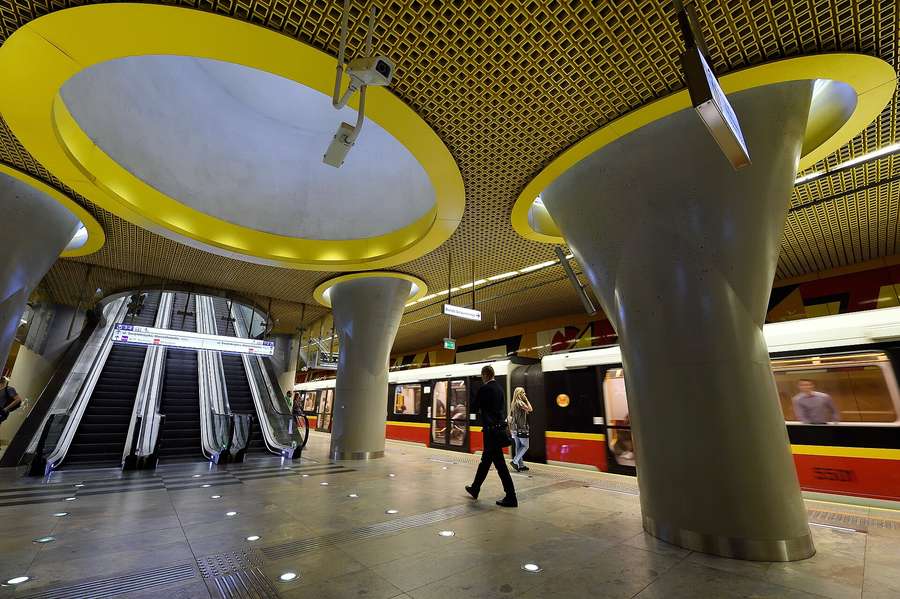
*Photos: cover - Helar Lukats, CC BY-SA 4.0, via Wikimedia Commons; interior - Tim Adams, CC BY 3.0, via Wikimedia Commons.*
Frequently asked questions
What are the warning signs of a romance scam in Poland?
Per the Police cybercrime bureau: fast love declarations, avoiding video calls and meetings, always being abroad, requests for secrecy, and any ask for money, BLIK codes, crypto or gift cards. The personas are usually doctors, soldiers, sailors or engineers "working abroad."
What is a BLIK code and why do scammers want it?
BLIK is Poland's instant mobile-payment system - a six-digit code from your banking app that authorizes payments and ATM withdrawals. Sharing it hands over access to your money. No real date, bank or authority will ever ask for one.
Is it safe to meet a Tinder match in Warsaw?
With the standard stack, yes: video-call first, meet in a busy public place in daylight, arrange your own transport, tell a friend the plan, and keep 112 saved. Warsaw's café culture makes the public first date the local default anyway.
Is it normal to video-call before a first date in Poland?
Yes, and the Police cybercrime bureau lists avoiding video as a scam warning sign. Ten minutes of video filters out nearly every fake profile - ask for it as a routine, not a test.
Should I give my match my phone number before meeting?
Better not. Keep the conversation inside the app until after a successful first meeting - your number and social profiles are leverage for pressure and stalking. The app also keeps a record, which matters if anything needs reporting.
What do I do if I have been scammed by someone from a dating app?
Break contact, keep all messages and transfer confirmations, call your bank at once, and report to the nearest Police station. Acting fast improves the odds of blocking the money.