Dessert Mixes in Poland: Budyń, Kisiel and Galaretka
The essentials: Classic budyń, instant mug budyń, kisiel and galaretka can need different liquids and methods. Check the exact powder: dairy and sugar may already be included, and a gelatine dessert mix is different from a starch-based kisiel.
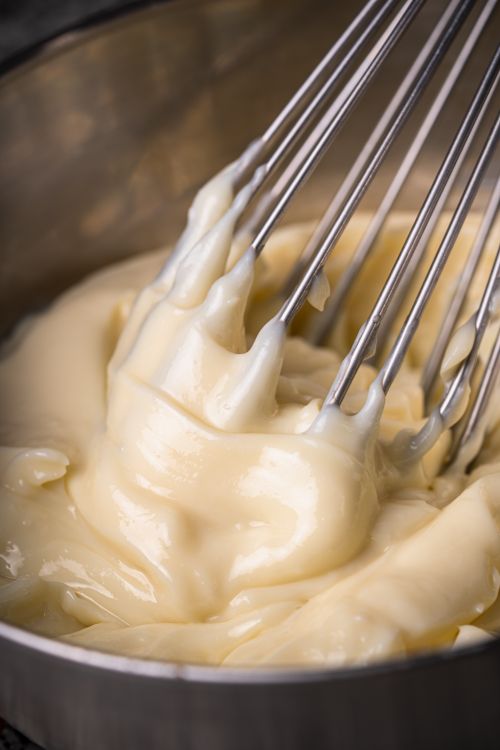
Cover: Nano Erdozain, source photograph, Pexels License. Image unchanged. A whisk in a creamy custard mixture. Illustrative dessert context, not a cited budyń product or proof of ingredients.
Small Polish dessert sachets can look interchangeable until you reach the kitchen. Budyń, kisiel and galaretka name different dessert types, and even two packets called budyń can require different ingredients and equipment. One may need cooking with milk, another may already contain dairy powder and be intended for a mug of hot water. Buying by the flavour photograph alone is an easy way to miss that distinction.
The useful shelf questions are simple: what dessert is this, what is already in the powder, what liquid does this exact product require, and does it need cooking or setting? The named examples below separate those decisions. They are not a universal recipe for every sachet or a nutritional ranking of the three families.
Budyń: start by checking whether it is a cooking product
Dr. Oetker's classic Budyń waniliowy is a 40 g product described by the producer as a milk-cooked dessert for four portions. Its ingredient list names maize starch, potato starch, flavourings, colouring and vanilla extract. Sugar and milk powder are not listed as ingredients in that particular powder. That does not mean the finished dessert will contain neither sugar nor milk: the preparation ingredients are a separate part of the product's intended use.
This distinction is useful if you arrive home expecting the sachet to contain everything except water. A classic cooking product can be a base that relies on separately supplied ingredients. Read the actual instructions before deciding whether it fits what is already in your kitchen. A packet showing a creamy dessert is a serving image, not proof that milk powder is included or that a kettle is the only equipment needed.
The producer page does not expose a complete standard preparation sequence in its readable text. A retailer listing for Dr. Oetker vanilla budyń 40 g transcribes directions using half a litre of milk and 30 g of sugar, mixing the powder into some cold milk before adding it to the boiling remainder. That is a retailer-transcribed cross-check, not a claim that every current vanilla packet has the same directions. Use the actual packet you buy.
Instant budyń is a different formulation
Dr. Oetker's Słodka Chwila Budyń smak wanilia is a separate 43 g product. Its producer ingredient list includes starch, skimmed milk powder, sugar, cream powder, flavourings containing lactose, colouring, salt and 0.1% vanilla extract. This is a clear contrast with the classic powder. Dairy ingredients and sugar are already part of this instant product, even though both products use a vanilla dessert image and the word budyń.
E.Leclerc's listing for this 43 g product transcribes a mug method: add 175 ml of boiling water, slowly add the sachet while stirring, then stir energetically for about a minute. That quantity and sequence belong to the exact listing, not to all budyń. The producer's own ingredients corroborate the mixture identity, while the retailer supplies the preparation transcription missing from the readable producer page.
The shopping consequence is more important than memorising either quantity. If you need a dessert to make at a desk with a kettle, distinguish an instant mug product from a classic milk-cooked powder. If you want a cooking base for a recipe, preserve the product type named by that recipe. Replacing one with the other is a formulation change, not merely choosing a different packet size or flavour.
Kisiel: a starch-based fruit-flavoured dessert example
Dr. Oetker's Kisiel poziomkowy 38 g lists starch, citric acid, lime juice powder, plant extracts, vitamin C, salt, flavouring and colouring. Its described flavour is wild strawberry, but the listed juice ingredient on the producer page is lime juice powder. This is a useful reminder that a flavour name does not by itself tell you which fruit ingredients are present or in what amount.
Do not turn that observation into a claim that the product contains fresh strawberries, nor assume the flavour name means it is simply dried fruit. The actual ingredients describe a formulated dessert powder. The producer suggests kisiel as a fruit dessert served warm or cold, but that serving flexibility does not tell you the exact water quantity or cooking sequence for every kisiel sold in Poland. Those belong to the selected product's directions.
The same producer page contains an odd preparation sentence referring to putting cooled jelly in the fridge to set. That sentence does not provide a sound basis for treating this starch-based kisiel as the same product as a gelatine dessert. When online wording appears to refer to another dessert family, use the main product identity and actual packet directions rather than building a method from a stray line of web copy.
Instant kisiel can already contain sugar
Słodka Chwila Kisiel smak truskawka 30 g offers another distinct example. Its producer ingredient list begins with sugar and potato starch, followed by citric acid, flavouring, plant extracts, salt, vitamin C, colouring and concentrated strawberry juice. Compare that with the 38 g kisiel example rather than assuming a similar flavour makes the sachets identical. Here the main ingredient list explicitly includes sugar.
The Hurtum listing for this exact 30 g product transcribes a method using 175 ml of boiling water in a mug, followed by the sachet and about a minute of energetic stirring. Again, this is retailer-transcribed preparation information, cross-checked against the producer's product identity and ingredients. It does not create a 175 ml rule for every instant dessert, every kisiel flavour or another packet weight.
That matters when comparing a household cooking packet and an individual quick dessert. Net weight alone does not tell you the finished quantity or what must be added. A smaller sachet may include sugar and other components rather than being a concentrated version of another product. Read the complete name and method together. If the exact liquid quantity matters to your equipment or serving bowl, check it before buying rather than guessing from the front image.
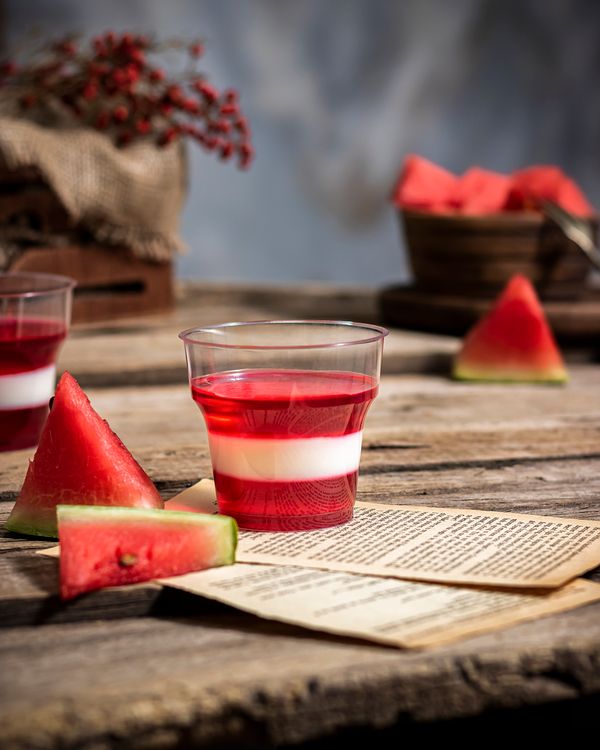
Galaretka: check the gelling ingredient and setting step
Dr. Oetker's Galaretka smak truskawka 72 g lists sugar, gelatine, citric acid, flavouring, plant extracts and colouring. That is a different ingredient structure from the starch-based kisiel examples. Someone seeking a particular dietary formulation needs to inspect the actual gelling ingredient rather than assuming all fruit-flavoured dessert powders are the same. This named product contains gelatine; that is not a statement about every dessert mix on the shelf.
The producer gives a product-specific warning that fresh kiwi and pineapple prevent this jelly from setting, and suggests less water in hot weather or for cubes. Those notes explain why the whole preparation method matters. A colourful sachet and a quick dissolve do not necessarily mean a dessert ready to eat immediately. Plan around the setting step described by the actual packet rather than treating galaretka as another instant mug kisiel.
This guide does not turn a producer tip into a universal fruit rule for every gelling system. Another product may have a different formulation. Nor is galaretka here a lesson in the legal names of finished fruit spreads or jam. The subject is the retail dessert powder and what a shopper needs to distinguish it from other mixes. Keep the ingredient family and preparation expectations attached to the specific item.
The liquid is part of the product choice
The examples make the liquid decision concrete. A classic budyń is described for cooking with milk; the instant vanilla mixture already includes milk and cream powders and has a water-based mug method transcribed by a retailer. The instant strawberry kisiel example also uses a water-based mug method, but it has a different ingredient list and dessert identity. Equal liquid quantities in two examples do not make their powders interchangeable.
Do not assume a product made with water is dairy-free. The instant vanilla budyń contains dairy ingredients before any liquid is added. Conversely, the absence of milk powder from a cooking mix does not mean the finished dessert is made without milk. For allergy or dietary requirements, inspect the full current ingredients and allergen information, including what you will add. This article does not establish suitability for any individual diet.
The same reasoning applies to sugar. A powder without sugar listed can still be intended for preparation with added sugar, while another formulation includes sugar already. If you prefer to decide how much to add, investigate the actual product and its directions instead of assuming every packet in a dessert family leaves that decision open. A flavour name cannot settle the formulation question.
Keep dessert powders separate from recipe-specific uses
Classic budyń powder is sometimes used in baking recipes, and the producer mentions uses including cakes, tarts and desserts. That does not make any sachet called budyń a direct substitute in those recipes. A recipe written around a classic starch powder may not anticipate the milk powder, sugar or other components of an instant mixture. Preserve the named product type when shopping for a recipe rather than replacing it with whatever vanilla sachet is available.
Likewise, a recipe using galaretka to set or decorate a dessert is not automatically asking for kisiel. Similar fruit colours do not mean the same gelling behaviour or the same finished texture. If the recipe names a packet size, retain that detail too. You can change a recipe deliberately, but an unplanned substitution hidden inside an English translation is a poor place to start.
A practical note for the next grocery shop
Write down the family, the exact product type and what must be added: classic milk-cooked budyń, instant mug budyń, a named kisiel or a named galaretka. Then check whether sugar or dairy is already included and whether the method requires a pan, a kettle or time to set. If an online listing is incomplete or internally inconsistent, inspect the actual packet before relying on its directions.
Those checks are enough to make the dessert shelf less mysterious. You do not need to memorise every flavour or assume all producers use the same quantities. Match the powder to the dessert and equipment you intend to use, and keep its full instructions together. The result is a purchase that fits your plan rather than a familiar-looking sachet that turns out to need a different afternoon.
Frequently asked questions
Can instant budyń replace classic cooking powder in a recipe?
Do not assume so. The cited instant product already contains milk powder, cream powder and sugar; the classic powder has a different ingredient list.
Are kisiel and galaretka the same dessert mix?
No. The cited kisiel products are starch-based, while the cited galaretka contains gelatine. Follow the exact packet method.
Sources
- Dr. Oetker: classic vanilla budyń
- Dr. Oetker: instant vanilla budyń
- Dr. Oetker: classic wild-strawberry kisiel
- Dr. Oetker: instant strawberry kisiel
- Dr. Oetker: strawberry galaretka
- DoDomku: retailer-transcribed classic preparation
- E.Leclerc: retailer-transcribed instant budyń method
- Hurtum: retailer-transcribed instant kisiel method