How to Discuss STI Testing With a New Partner in Poland
The essentials: Poland's PKD network offers free anonymous HIV, HCV and syphilis testing - no referral, insurance or name needed (Warsaw: Swietokrzyska 30, English spoken). Private tests average 161 zl. Offer your own status first: 'Bylem ostatnio na badaniach, wszystko czyste. A Ty?'
Few sentences in a new relationship feel as loaded as "when were you last tested?" - and few are as easy to normalize. In Poland the infrastructure makes it genuinely simple: a national network of free, anonymous testing points means nobody needs money, insurance, a referral or even a name to know their status. This guide covers how testing works here, what it costs privately, and how to have the conversation itself without drama.
The free option: PKD testing points
Poland's National AIDS Center (Krajowe Centrum ds. AIDS) runs a countrywide network of consultation and diagnostic points - Punkty Konsultacyjno-Diagnostyczne, or PKD - offering free, anonymous tests for HIV, hepatitis C and syphilis. Free means free: no referral, no NFZ insurance, no PESEL number, no name given. You walk in during opening hours, talk to a counselor, give a sample, and get the result. Many points offer rapid tests for all three infections; lab-based HIV results at some points come back at the next duty session.
Warsaw has several points. Two verified examples from the KCA directory: the PKD at the Federa Foundation, ul. Świętokrzyska 30 in the center, open Tuesday 16:00-20:00 and Wednesday 8:00-12:00 and 16:00-20:00, with counselors who speak English and Russian and a Ukrainian-speaking nurse; and the PKD at Chmielna Express, ul. Chmielna 4, open Monday to Friday 9:30-19:30. One practical note repeated across the directory: the last client is admitted half an hour before closing, so do not arrive at the last minute. The full city-by-city list with current hours lives at aids.gov.pl/pkd - check it before you go, because hours change.
Data source: aids.gov.pl PKD directory (Krajowe Centrum ds. AIDS), checked 22 October 2026.
The private option: any lab, same week
If you want a wider panel, a faster slot or a result on paper in English, private testing is cheap by Western standards. The kliniki.pl comparison portal puts the average HIV test at 161 zł across 71 clinics nationwide, with offers from 41 zł; in Warsaw, tests start around 50 zł. Syphilis, hepatitis B and C, chlamydia and gonorrhea tests are priced similarly per pathogen on the same portals, and private lab chains sell bundled STI panels. Booking is online, results usually land in your account within one to a few working days, and no referral is needed for any of it. The public route exists too - a family doctor (POZ) can refer you into NFZ-funded diagnostics - but for speed and discretion the PKD points and private labs are the two realistic doors.
Data source: kliniki.pl test price pages, checked 22 October 2026.
Which infections the conversation is really about
The PKD trio - HIV, hepatitis C, syphilis - is the baseline, but the everyday reality is broader. Chlamydia and gonorrhea are the common bacterial infections, often symptom-free and easily tested for privately; HPV is nearly universal among sexually active adults, with vaccination available in Poland (free for 12-13 year olds under the national program, privately for everyone else); hepatitis B is vaccine-preventable and most younger Poles were vaccinated in childhood catch-up programs. The point for the conversation: "tested" should name the panel, and a full private panel once a year is the gold standard for anyone with new partners.
Data source: the national free HPV vaccination program at szczepienia.pzh.gov.pl and kliniki.pl test price pages, checked 22 October 2026.
If a result comes back positive
A reactive PKD test is not the end of the story - it is the start of a referral. Counselors at the point explain the result and direct you into the treatment system, and HIV care in Poland is provided free of charge within the public system at specialist infectious-disease clinics, regardless of insurance status. Syphilis, chlamydia and gonorrhea are curable with standard treatment. The counselors have this conversation every day, in English at the larger-city points; nobody at a PKD is going to be shocked by you.
Prevention beyond condoms: PrEP and PEP
Two options worth knowing by name. PrEP - a daily or on-demand pill that prevents HIV infection - is available in Poland on private prescription; several clinics and online services in the big cities prescribe it after baseline tests. PEP - emergency post-exposure medication after a high-risk contact - must start within 72 hours, sooner is better, and is available through infectious-disease emergency departments and specialists. Both are standard of care internationally and accessible in Poland; the PKD counselors can point you to local providers.
What "tested" actually means
Two technicalities keep this conversation honest. First, every test has a window period - the gap between infection and the moment a test can detect it - so a negative result reflects a point weeks back, not last weekend. Ask what the result covers, not just whether it was negative. Second, "I got tested" means whatever panel that person happened to order; the PKD standard covers HIV, HCV and syphilis, which is a solid shared baseline for the conversation, while a fuller private panel adds chlamydia, gonorrhea and hepatitis B. Precision here is not pedantry; it is the difference between a real exchange of information and two people exchanging vibes.
Having the conversation
Polish directness helps again: asking about testing in Poland reads as responsible adulthood, not accusation. The natural framings:
- Byłem ostatnio na badaniach, wszystko czyste. A Ty? - I was tested recently, all clear. And you? (A man speaks; a woman says *Byłam*.) Offering your own status first is the move that makes the question easy.
- Zanim pójdziemy dalej - kiedy ostatnio się badałeś? - Before we go further: when were you last tested? (*badałaś* to a woman.)
- Chodźmy się przebadać razem. - Let's go get tested together. The PKD points make this a realistic, free date-of-sorts, and plenty of new couples treat it exactly that way.
- Bez gumki nie. - Not without a condom. Complete sentence, universally understood, needs no softening.
Timing: before the bedroom, not in it. In an established relationship the same conversation reopens naturally before stopping condoms, and the clean version of that moment is both partners testing first - which, again, costs nothing but an hour at a PKD point.
What not to do: do not frame the question as suspicion (*czy ty jesteś czysta?* - "are you clean?" - reduces a person to a result and usually lands badly), do not accept "I look healthy" as an answer, and do not treat a partner's willingness to skip condoms before any testing as spontaneity. The confident version of this conversation is calm and routine, because for people who test regularly, it is.
How often is "regularly"?
For anyone with new or changing partners, testing roughly every three to six months is the common public-health rhythm; once a year is the minimum worth calling "tested" in conversation. The PKD points see the same regulars on exactly this cycle, which is also why nobody there will find your visit remarkable. Put the date in your calendar like a dentist check-up - that is the level of drama this should have. And when a new partner quotes you a recent test date in the first conversation, recognize it for what it is: someone doing this right.
The etiquette of the answer
If someone asks you, the respected answer is specific and recent: what you tested for, roughly when, and what the result was. If you do not know your status, *nie wiem, dawno się nie badałem* (I don't know, I haven't tested in a while) is an honest answer - followed, ideally, by a plan to fix it, which in Poland is free and takes an afternoon. And if the other person's answer is vaguer than you would like, the PKD option converts the awkwardness into logistics: go together, this week, for free, anonymously. Nobody reasonable refuses a free test; the refusal itself is information.
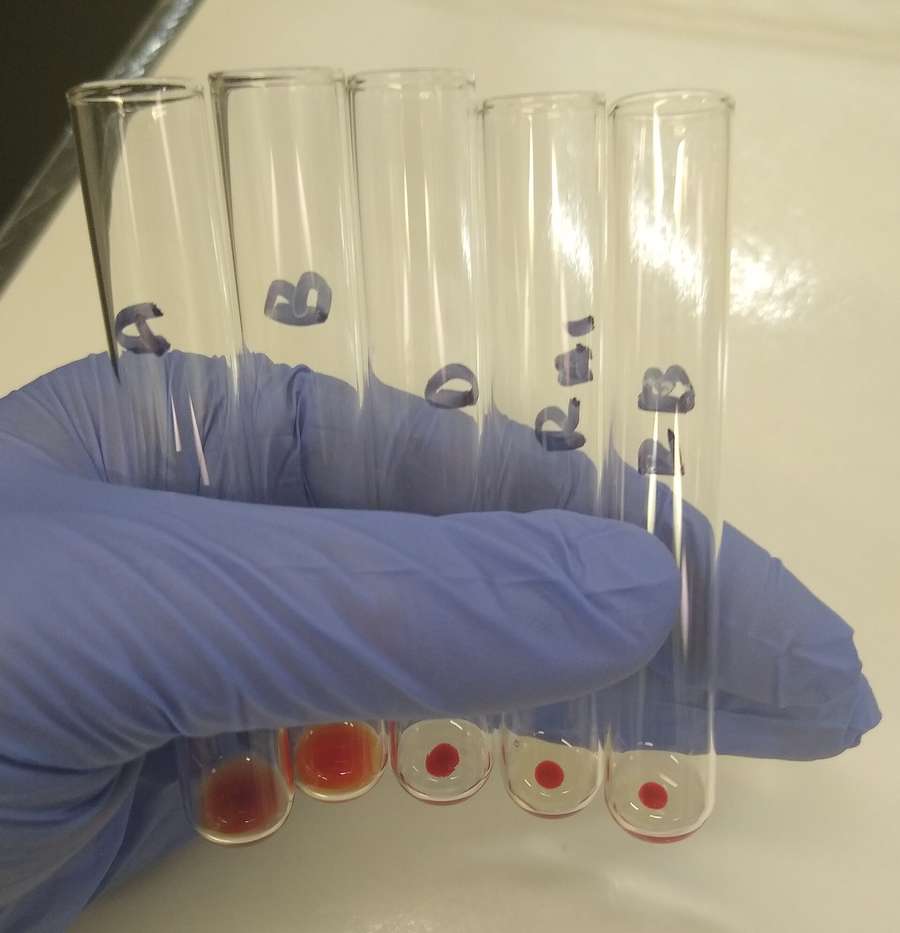
*Photos: cover - NIAID, CC BY 2.0, via Wikimedia Commons; interior - SpicyMilkBoy, CC BY-SA 4.0, via Wikimedia Commons.*
Frequently asked questions
Are STI tests really free in Poland?
Yes. The National AIDS Center's PKD network offers free, anonymous HIV, hepatitis C and syphilis testing with no referral, no insurance and no name required. Locations and hours are listed at aids.gov.pl/pkd.
Where can I get tested in Warsaw in English?
The PKD at ul. Świętokrzyska 30 lists English- and Russian-speaking counselors, open Tuesday 16:00-20:00 and Wednesday 8:00-12:00 and 16:00-20:00. A second central point at ul. Chmielna 4 works Monday to Friday 9:30-19:30.
How much does a private HIV test cost in Poland?
The kliniki.pl portal averages it at 161 zł across 71 clinics, with offers from 41 zł; in Warsaw from around 50 zł. Other STI tests are priced similarly per pathogen.
What infections do the free PKD tests cover?
HIV, hepatitis C and syphilis - the standard baseline trio. For chlamydia, gonorrhea and hepatitis B, use a private lab panel (per-pathogen prices are modest) or ask a family doctor for a referral.
Do I need insurance or a PESEL to use a PKD point?
No. PKD testing is free and anonymous by design - no referral, no NFZ insurance, no PESEL, no name. You just come during opening hours; arrive at least 30 minutes before closing.
How do I ask a Polish partner about testing without offending them?
Offer your own status first: *Byłem ostatnio na badaniach, wszystko czyste. A Ty?* Asking is read as responsible, not insulting - and suggesting you test together at a free PKD point turns the question into a plan.