Drawing Classes in Poland: A Guide for Adult Beginners
The essentials: Choose a recreational or exam-focused programme deliberately. Confirm the group level, meeting length, materials, teaching language, accepted place and full payment and attendance terms before enrolling.
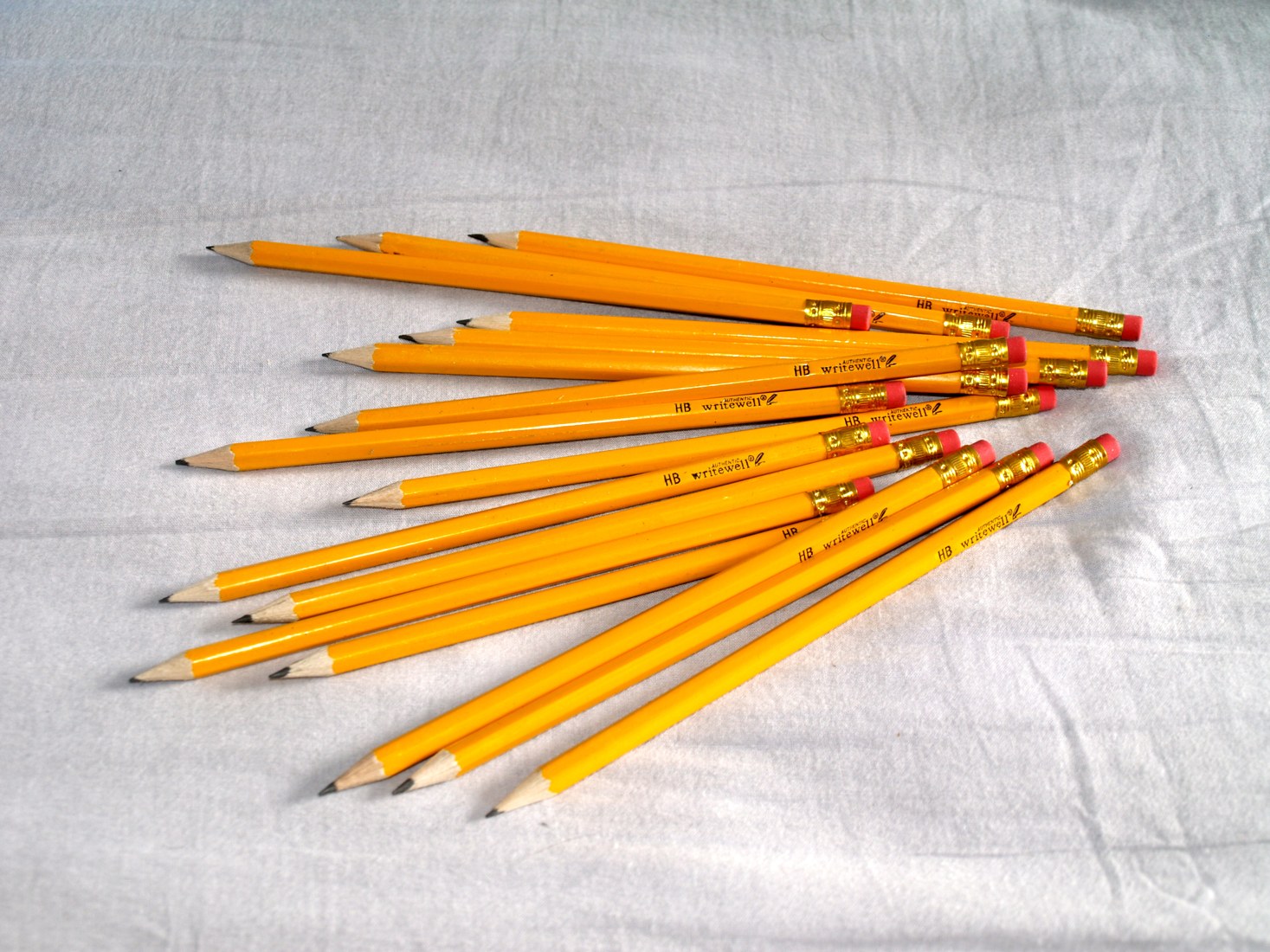
Yellow HB pencils, 21 September 2016. Historical contextual illustration, not the required kit for a course. Santeri Viinamäki / Wikimedia Commons, CC BY-SA 4.0. Resized and re-encoded; adaptation under the same licence.
A drawing class can give you a regular reason to leave home, meet people and spend a few hours on something other than the practical demands of moving country. Choosing one in Poland takes more than searching for a beginner course, though. A hobby class, an architecture portfolio course and a life-drawing session can have very different aims and conditions.
This guide explains how to compare adult drawing classes before paying. It draws on six primary pages checked on 28 October 2026. They show useful differences in programme, materials and attendance rules, not a verified list of available places. Confirm the exact city, provider and course: similar names do not mean the same timetable or contract.
Choose a hobby course rather than assuming every course fits
Look for rysunek dla dorosłych, meaning drawing for adults, or kurs rysunku hobby. Then check what the programme is intended to do. If you want a recreational introduction, an exam-preparation course may be a poor fit even if it welcomes beginners.
Domin Kraków's adult page explicitly distinguishes hobby classes from preparation for entrance exams. It even describes its architecture-drawing hobby course as recreational rather than a route into university admission. A course featuring buildings is not automatically a portfolio or architecture-school preparation course.
Tell the studio what you want: observational drawing, an enjoyable weekly routine, portraits, urban sketching or structured preparation for a particular application. If admission is your goal, verify the current institution's requirements separately. No hobby-course description establishes that its work will meet an external assessment.
Explain your starting point in plain terms
You do not need to decide whether your work is good enough before making an enquiry. Ask whether the group starts with basic exercises and whether beginners receive individual guidance. Domin Kraków describes its hobby course as suitable without prior experience, with demonstrations and feedback while participants work on their own drawings.
Domin Gdańsk's hobby page also addresses both beginners and experienced participants, with later work adapted to the group. That is a programme description, not proof that every session can accommodate any request. Ask how the teacher handles different starting levels and whether joining partway through would leave gaps.
If you already draw, send a few examples only when you are comfortable doing so and the studio asks for them. Describe which skills you want to develop. Domin Kraków labels Hobby 2 as a continuation for people who completed its first hobby course, so a numbered course should not be treated as a universal intermediate level across schools.
Compare the length of each meeting and the whole commitment
One weekly class can mean a short lesson or most of an afternoon. Domin Kraków's reviewed hobby course describes ten weekly meetings of three hours, in a group of up to ten. Narysowani's adult drawing entry describes a 90-minute weekly meeting and a whole-year enrolment covering 36 lessons.
Neither format is automatically better. A longer meeting may suit someone who wants time to settle into a drawing, while a shorter regular session may fit a workday more easily. Compare the actual calendar, breaks, teaching format and journey rather than the headline monthly fee alone.
Ask whether the advertised group limit applies to your chosen course and whether the class is adult-only. Domin Kraków describes adult-only hobby groups; Narysowani labels its adult drawing course as starting at age 16. If that distinction matters to you, confirm the actual group rather than relying on the word "adult".
Materials included can mean different things
Separate teaching handouts from the art materials you use. Materiały dydaktyczne can refer to learning aids, so do not assume that wording means every pencil, sheet of paper and carrying folder is supplied. Ask for the selected course's first-lesson packing list.
Domin Kraków's hobby description says participants receive the required drawing kit, including an A3 sketchbook, pencils, erasers and a sharpener. Its wider adult-course page also says material arrangements differ between courses, so do not transfer the hobby kit promise to every painting or mixed-media option.
Domin Poznań's hobby page, by contrast, lists things to bring: A3 paper, pencils, a kneaded eraser, sharpener, a suitable folder, pens and coloured pencils. Domin Gdańsk's hobby page asks for B2 paper and a matching folder and clips, while also advertising teaching aids. Those are different paper formats and different packing arrangements.
Buy to the confirmed list, not an image on a website or a generic beginner bundle. Ask whether materials are included, bought as a studio pack or brought by you, and whether there are additional costs later. The historical HB-pencil photograph here is not a recommendation to substitute HB for a teacher's requested grades.
Confirm language, feedback and the room setup
A largely visual subject still involves explanations. Before paying, ask whether the teacher can explain tasks and give feedback in English or another language you understand. An international-looking website or an English enquiry reply does not establish that the whole class is taught in English.
Ask how a typical lesson works: a shared demonstration, individual projects, a set topic or independent studio time. If the course includes online materials, ask what language they use and how long access lasts. A bonus resource is only useful if it fits the way you want to learn.
Check practical access too: stairs, lift access, toilets, seating, table or easel height and the room's working arrangement. A central address is not evidence of step-free entry. If you need a specific adjustment, describe it to the studio and get an answer before making a longer commitment.
Ask what drawing from a model involves
A general hobby course may include drawing a person from life, while a dedicated figure course spends much more time with a model. Domin Kraków's page describes both a general programme including a model and a separate figure-drawing course with its own sequence of sessions.
If that affects your comfort, ask whether models are clothed, how the session is organised and what the privacy rules are. Do not infer those details from the course title. The page's description of a live model does not by itself establish nudity, permission to photograph or the exact content of your chosen group.
Ask before taking photographs of people, their work or teaching material. Akademia Rysunku Agnieszki Opala's rules prohibit recording or filming classes without the instructor's consent. A phone used to save your own progress can still capture someone else, so agree what is acceptable rather than assuming.
Know when a place is actually reserved
A form submission is not necessarily a confirmed place. Domin Kraków's page describes a deposit plus email confirmation, with an alternative date or deposit return if the group is already full. Keep the accepted group, dates and payment information rather than relying on the first automated acknowledgement.
Narysowani's August 2026 tariff page says enrolment requires an agreement and the first month's payment, and directs readers to the contract and attached rules. It says joining during the year may be possible with the fee adjusted to the number of lessons. That is not confirmation that any particular group currently has room.
Before paying, request the full schedule and the total commitment. Check whether the payment labelled monthly is a standalone month or an instalment towards a longer course. Ask about holidays, public-holiday changes, extra sessions and the process if the studio cancels a meeting.
A make-up lesson is not a refund
Missed-class rules are worth reading before work travel or family plans collide with the course. Domin Kraków's FAQ describes up to three make-up absences during its ten-week course, with the reporting and booking process explained after signup. That is not an unlimited right to attend any group whenever convenient.
Akademia Rysunku's published rules use a different arrangement: absence reported at least the day before can lead to proposed make-up dates, with two sessions per semester described, and no refund for an unused lesson. Confirm which rules apply to your selected workshop rather than taking a broad marketing statement as the whole policy.
Domin Wrocław's adult-hobby rules dated 1 June 2026 require booking make-up sessions through the student platform. They also contain different wording about general make-up limits and expiry for a four-entry package. Ask for the deadline and eligibility of the exact package in writing; do not combine the most generous parts of different clauses.
Stopping attendance is not necessarily ending the course
Ask separately about missing a lesson, leaving the course and any refund calculation. Domin Wrocław's adult-hobby terms describe immediate resignation by the stated channel, but also describe recalculating used sessions at a single-lesson rate when a discounted package ends early. Immediate resignation does not automatically mean all unused money comes back without an adjustment.
Those are the operator's stated terms, not a legal judgement about a particular situation. Similar-looking general and course-specific documents can differ. Read the agreement actually offered to you and ask the studio to identify the version that governs the booking.
Also read clauses about photographs and reproductions of your work. Domin Wrocław's hobby rules contain both image-use and artwork-licence provisions. If you want your face or drawings kept out of promotional material, ask how that preference is recorded and what participation requires before agreeing.
Make the first enquiry useful
Write: "I want a recreational beginner drawing class, not exam preparation. Can I follow the teaching in English, what materials must I bring, and what happens if I miss a date?" Add your available days, practical access needs and whether you want a short course or an ongoing weekly commitment.
Once the programme, language, kit and terms are clear, choose the format that fits your week. You do not need the longest course or the largest supply bundle to make a useful start. You need a confirmed place and a class whose expectations you understand.
Frequently asked questions
Do I need previous drawing experience?
Ask about the selected programme. Several reviewed hobby courses welcome beginners, but a continuation or exam-preparation course can have different expectations.
Are drawing materials supplied?
This varies. Distinguish teaching handouts from art supplies and confirm the exact first-lesson list, paper size and any kit charge.
Will teaching be in English?
Confirm explanations and feedback before paying. An English reply or a visual subject does not guarantee English-led classes.
Can I make up a missed class?
Use the selected provider’s rules. Notice, booking, maximum absences and package expiry can limit make-up sessions; they are not automatically refunds.
Is a monthly payment only a one-month commitment?
Not necessarily. Read the agreement to see whether it is a standalone month or an instalment for a longer course, and check resignation and settlement terms.
Sources
- Domin Kraków adult hobby courses; checked 28 October 2026
- Domin Poznań hobby course and packing list; checked 28 October 2026
- Domin Gdańsk hobby course and packing list; checked 28 October 2026
- Narysowani tariff, valid from August 2026; checked 28 October 2026
- Akademia Rysunku Agnieszki Opala workshop rules; checked 28 October 2026
- Domin Wrocław adult hobby rules, dated 1 June 2026; checked 28 October 2026