Działdowo Museum: Castle Tickets and the Old Town-Hall Closure
The essentials: Działdowo's Borderland Museum now has one permanent exhibition, at the castle, ul. Zamkowa 12. The town-hall exhibition closed at the end of 2024 and was partly incorporated into the castle display. Current standard/reduced admission is 18/12 PLN. Monday is closed; Sunday finishes at 15:00, with last entry 14:30.
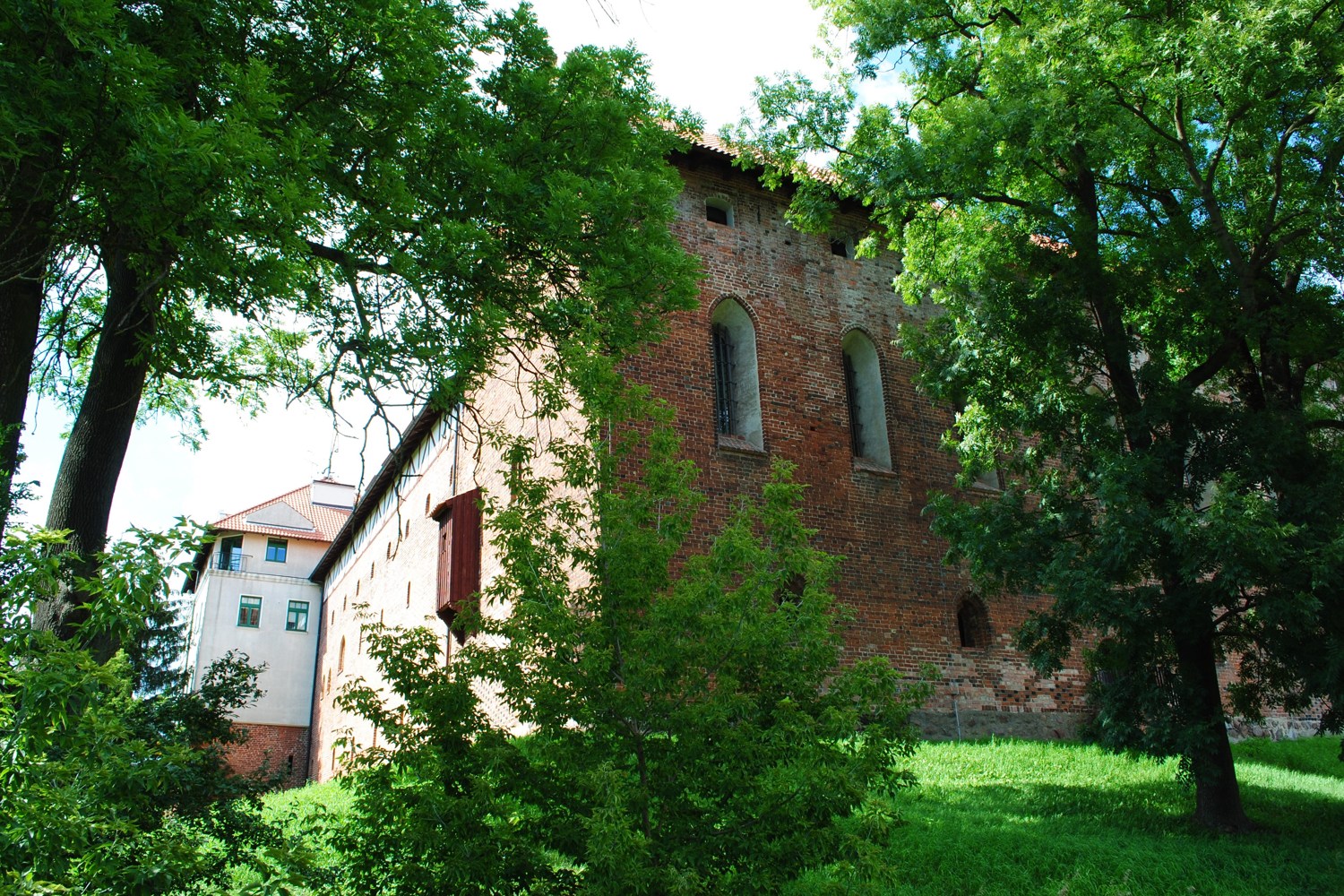
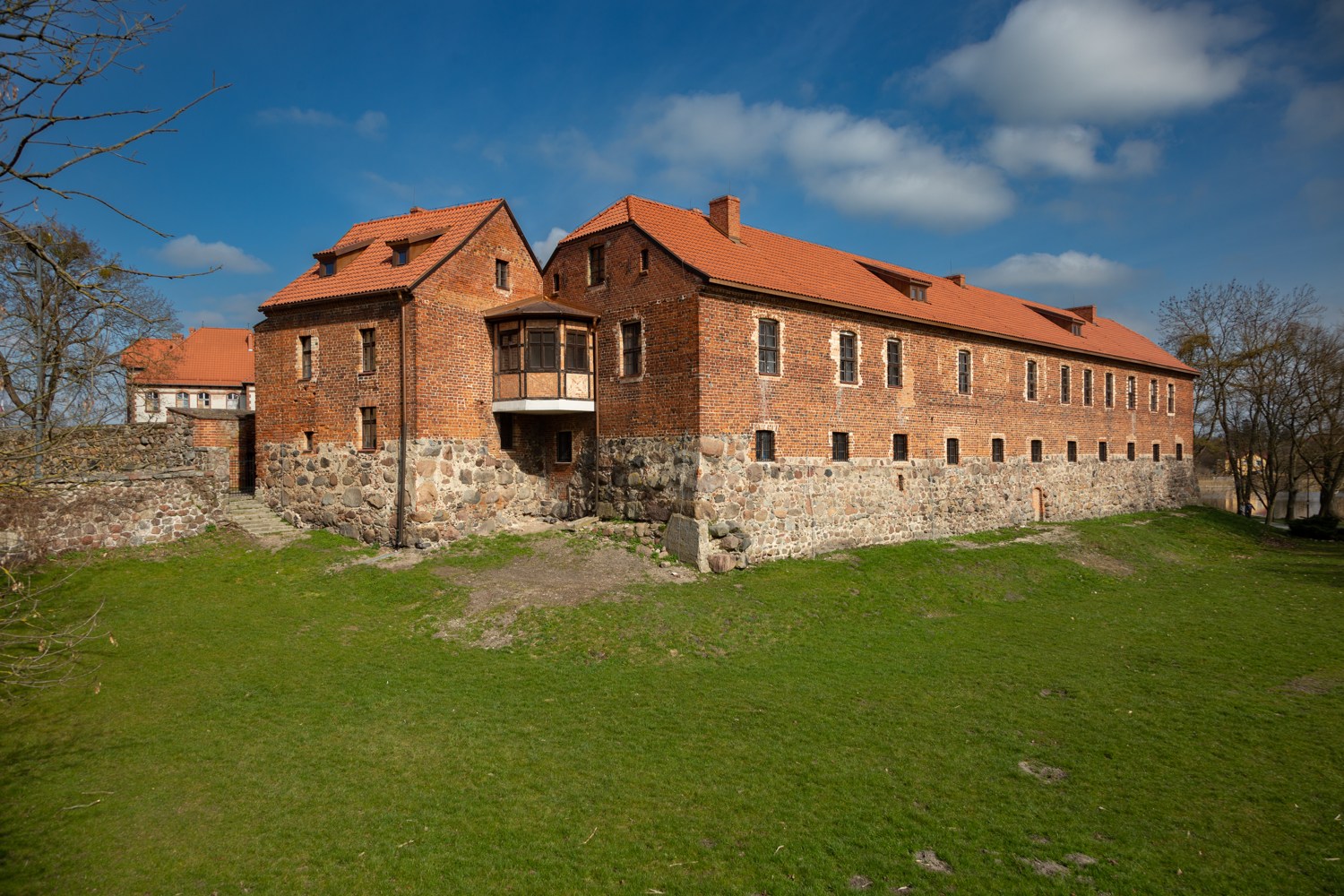
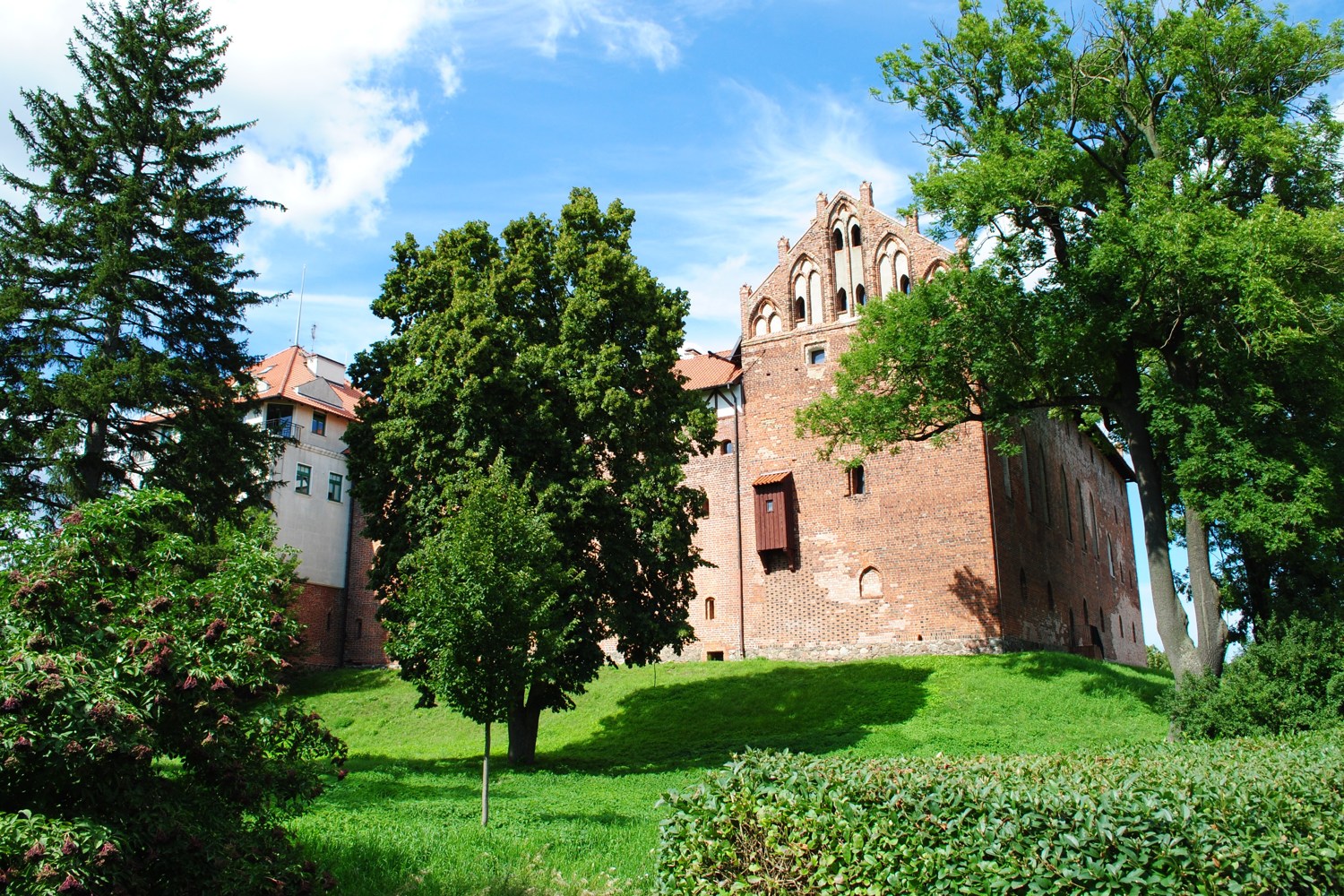
Cover: Działdowo Castle, photographed on 30 July 2024. Archival view, not current access evidence. Photo: Marek Mróz / Wikimedia Commons, CC BY-SA 4.0. Resized and compressed under the same licence.
Go to the castle, not the old town-hall exhibition
The most important planning detail for Działdowo's Borderland Museum is its address. The current permanent exhibition is at the castle, ul. Zamkowa 12. If an older guide sends you to an interactive Teutonic Order museum in the town hall at plac Mickiewicza 43, it is describing an earlier arrangement. The museum's visitor notice says that since 1 January 2025 it has operated only one permanent exhibition, at the castle.
That notice explains that part of the former interactive town-hall display was moved into the castle exhibition. It does not say that every screen, film, children's activity or language option from the old venue was recreated unchanged. This distinction matters if you are travelling with children because you have seen photographs of a particular interactive room. Ask whether that feature is available now before making it the reason for your visit.
The museum's town-hall history confirms that the former exhibition closed at the end of 2024. Its old exhibition page is still discoverable, including old opening hours and prices. Treat those as background to the museum's history, not as a second current attraction to fit into your afternoon. The castle is the useful starting point for a visit today.
Opening hours and the half-hour last-entry rule
The current plan-your-visit page gives different opening times across the week. The museum is closed on Monday. Tuesday and Wednesday are 10:00-17:00; Thursday and Friday start earlier, at 09:00, and also close at 17:00. Saturday is 10:00-17:00. Sunday is shorter, from 10:00 to 15:00.
Last entry to the exhibitions is no later than half an hour before closing. For an ordinary Tuesday-Saturday this means 16:30, while Sunday's limit is 14:30. Those are the final admission points, not recommendations for how long to spend in the museum. A collection spread over several levels and a story extending well beyond the Middle Ages are better approached with more time than the minimum remaining before the doors close.
For a rail-based day trip, Thursday or Friday gives an earlier start, while Sunday needs the most careful return-trip planning because the museum closes two hours earlier than on Saturday. Check the train you intend to use in both directions rather than assuming a weekday service also runs on Sunday. The museum website's general rail description is not a live departure board.
The visitor page lists closures for New Year's Day, Epiphany, Easter Sunday and Monday, Corpus Christi, All Saints' Day and 25-26 December. That list does not establish normal hours for every other holiday-adjacent date or special event. Check current announcements before a trip around Christmas, particularly if you have only one possible visiting day.
Current tickets, family-card reductions and groups
The current visitor-planning tariff lists standard admission at 18 PLN and reduced admission at 12 PLN for the castle exhibition, "Działdowo: the Town and People of the Old Borderland." The museum's older exhibition-description page still shows 15/10 PLN. Budget against the current planning page rather than the older descriptive page, and confirm the rate at the desk if a price change would affect your group.
On presentation of Karta Dużej Rodziny, all the card's family members can buy reduced tickets. That is a stated cardholder entitlement, not a general discount for any group arriving with children. The planning page does not supply a complete list of every reduced or free-admission category. If you are relying on an age, student, disability or other entitlement, check the required document and current rule before travelling.
The published visitor information also does not identify a regular free-admission weekday. Do not assume that the Tuesday free day at another regional museum applies here. Monday is listed as closed, so it is not a substitute budget visit. Use the museum's own tariff and ask about any entitlement your group may have.
A guide costs 100 PLN for each group of up to twenty-five people. This is a separate service charge, not the cost of an ordinary admission ticket for the whole group. Groups larger than ten are asked to reserve in advance, either in person during office hours, by email to [email protected] or [email protected], or by telephone on +48 23 697 23 32 or +48 23 697 76 30. Confirm your group size, language and final price before treating a guide as arranged.
What the permanent exhibition covers
The castle exhibition description sets out a chronological story from ancient times to the middle of the twentieth century. It occupies three levels, covering nearly 500 square metres, and uses original museum objects and archive material alongside copies and facsimiles where originals were not available. The museum says the exhibition texts are in Polish and English, which makes it useful for English-speaking residents who want more than an exterior photograph.
The early sections include a film about Działdowo's beginnings, a cremation burial with grave goods and a model showing a cross-section of the Gothic castle wing. Another section looks at the castle as an administrative centre, using maps, a model of medieval Działdowo and a reconstructed official's workplace. These are ways to understand how the town functioned, rather than a display consisting only of armour and battles.
Coins provide another thread through the story, from the Teutonic period to later centuries. The everyday-life section combines a short presentation about medieval dining customs with original objects. The military section includes a replica bombard and two replica suits of armour, Polish and Teutonic. The word replica is important: these are interpretive reconstructions, not a claim that two complete original medieval suits survived here.
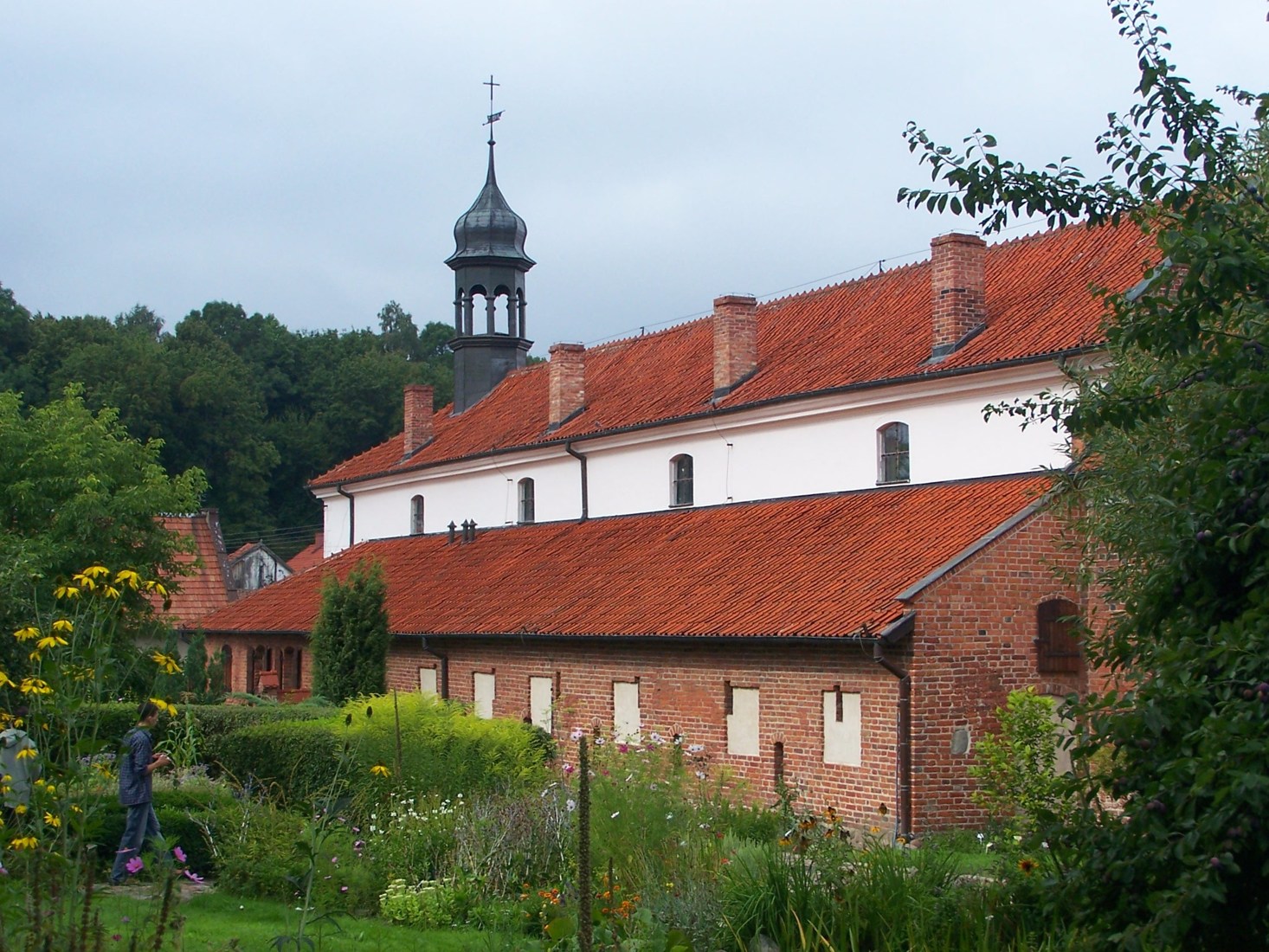
The museum's general description also includes access to the castle cloisters, chapel and refectory. If one of those spaces is central to your interest, check whether a temporary event affects it on your date. A room used for a lecture, ceremony or booked function is not automatically available in its ordinary visitor configuration.
War history makes this more than a children's castle stop
The exhibition continues into the modern period rather than ending with medieval knights. Its published outline includes a reconstructed First World War trench associated with the Battle of Tannenberg, figures representing soldiers from several periods, historical town photographs and postcards, and material about the interwar years. It also includes objects connected with the Nazi German Soldau camp and information about the town during the Second World War.
That range can be valuable for older children and adults trying to understand the region's changing borders and communities. It also means this is not simply a light interactive play space. Consider your children's interests and readiness for war and camp history. The visitor page requires anyone under fourteen to be accompanied by an adult, and an adult can also help decide which parts of the exhibition suit a particular child.
The museum's history of Działdowo gives the wider setting of a town on the old borderland between Prussia and Polish Mazovia. Read the exhibition as a local history with several political and cultural layers, not as an account of a single unchanging national border. The castle building is the setting for that longer story, rather than the only subject on display.
Lift access, toilets and sensory-access limits
The museum's accessibility declaration describes a platform lift from ul. Zamkowa to the castle courtyard, an adapted main entrance and an internal lift serving all floors. It states that the lift enables wheelchair users to visit the exhibition. These are specific facilities at the castle address, not evidence that the former town-hall venue has the same arrangement.
Adapted toilets are listed on the ground, first and third floors. The declaration identifies one disability parking space in the castle courtyard near the main entrance and two on the parking area at the corner of Zamkowa and Męczenników streets. Before travelling with a wheelchair, ask whether both the outside platform and internal lift are working and how to get staff help at the approach. A published facility list is not a real-time equipment-status check.
Assistance dogs and guide dogs are allowed into the building and its rooms. For hearing access, the declaration says there are no induction loops and no on-site or online sign-language interpreter. It also says the building has no Braille, high-contrast or large-print markings for blind and partially sighted visitors. English exhibition text is useful, but it does not address those separate access needs.
The declaration gives the museum's general contact as +48 23 697 23 64 and [email protected]. Describe the particular help you need, including whether the concern is entering the courtyard, reaching an exhibition level, using a toilet or accessing written content. That produces a more useful answer than asking only whether the museum is accessible.
Getting there and making a realistic visit plan
The museum's homepage notes that Działdowo railway station is on the Warsaw-Gdańsk main line. That makes rail a sensible option to investigate, but it does not mean every train on the corridor stops there or that there is a convenient return service at your preferred time. Check your actual date, station and return journey before buying transport tickets.
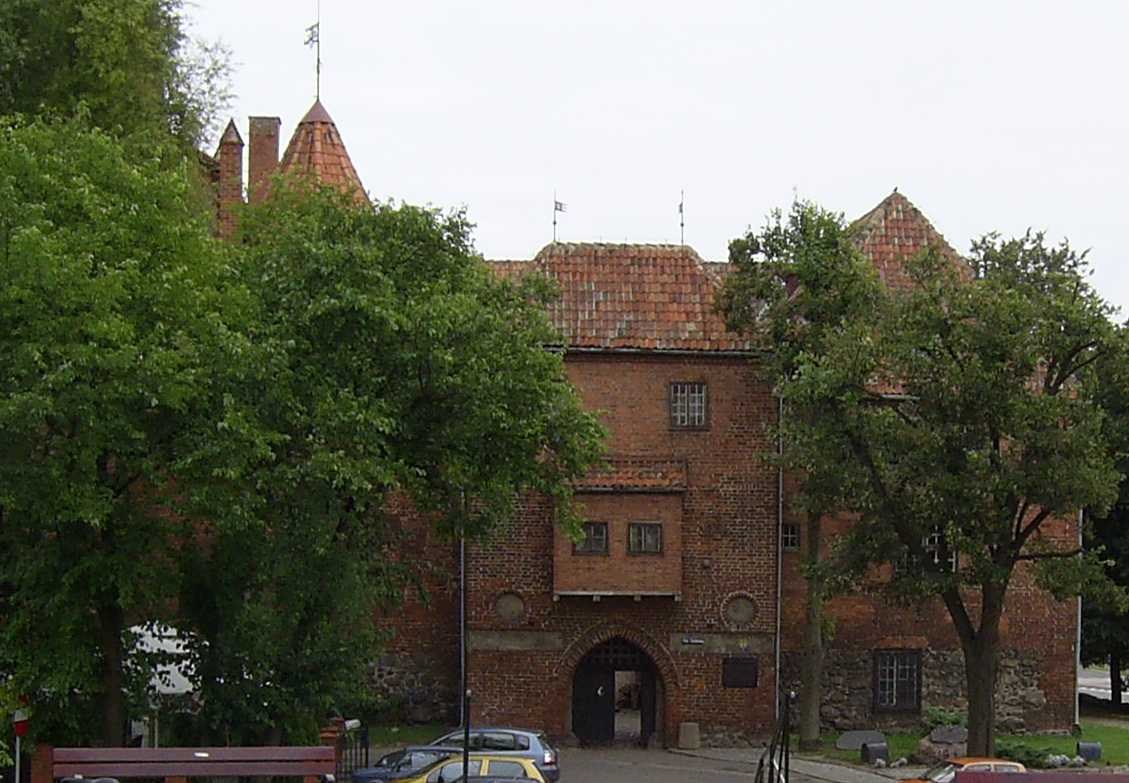
For drivers, the museum places its entrance at Zamkowa 12 in the Gothic castle wing and describes parking nearby. Use that address rather than the old town-hall exhibition address. If you need a designated disability space or vehicle access close to the courtyard lift, confirm the approach with the museum instead of relying solely on a navigation app.
A straightforward first visit is to arrive with time for the permanent exhibition, collect the right ticket, and ask about any room closures before starting. English-speaking visitors can ask where the bilingual interpretation begins and whether any newly incorporated interactive elements have English content. Keep an old town-hall review in perspective: it can explain the museum's past, but the castle's current offer should determine your day.
Frequently asked questions
Can I still visit the town-hall interactive museum?
No. The museum says the town-hall exhibition closed at the end of 2024. Since 1 January 2025 there is one permanent exhibition at the castle, incorporating part of the former display.
Which ticket price should I use?
The current visitor-planning page gives 18 PLN standard and 12 PLN reduced. The exhibition-description page still shows older 15/10 PLN prices, so use the current planning tariff and confirm any entitlement at the desk.
Is the castle exhibition accessible by lift?
The accessibility declaration lists an outside platform lift to the courtyard and an internal lift serving all floors, plus adapted toilets. Ask whether both lifts are operating and how to obtain help before a visit that depends on them.