Kętrzyn Castle Museum: Free Days, City Model and Winter Tickets
The essentials: Kętrzyn Castle Museum opens Tuesday-Sunday 09:00-16:00 from October to May, with last entry at 15:30. Castle admission is 17/12 PLN, or 20/15 PLN with Baszta. Free entry is Wednesday in November 2026 and Thursday in December, for the permanent old-art display only. The city model is closed on free days.
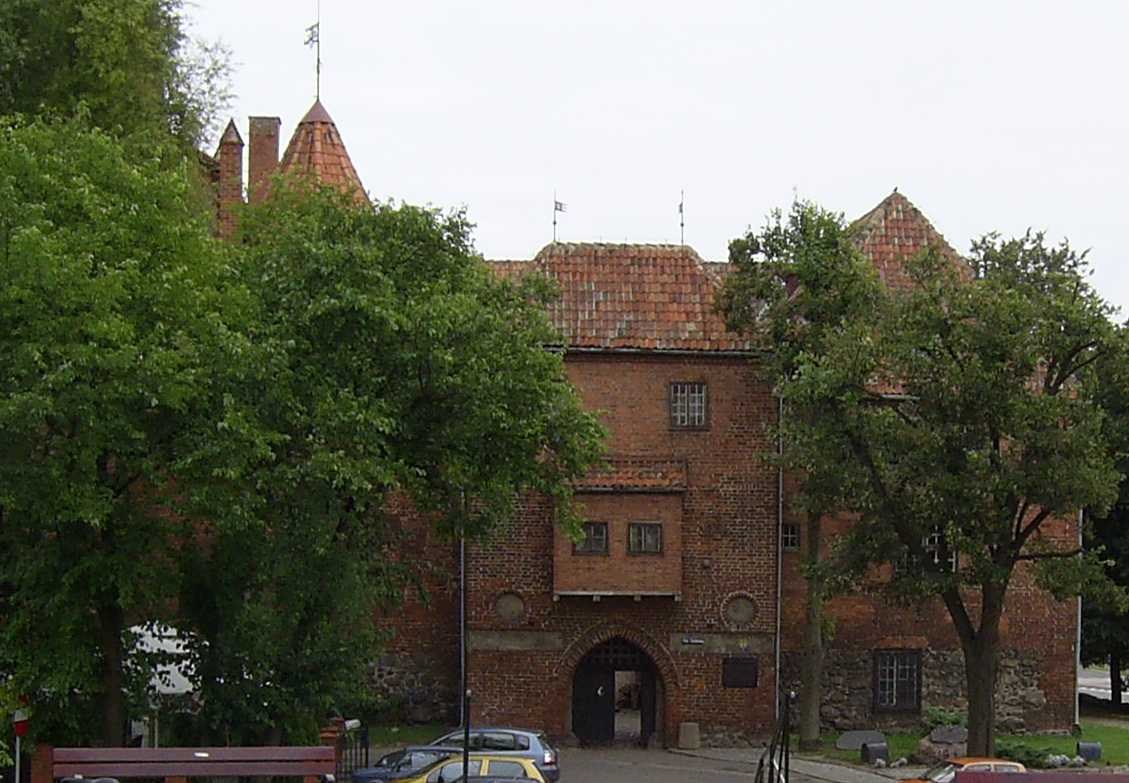
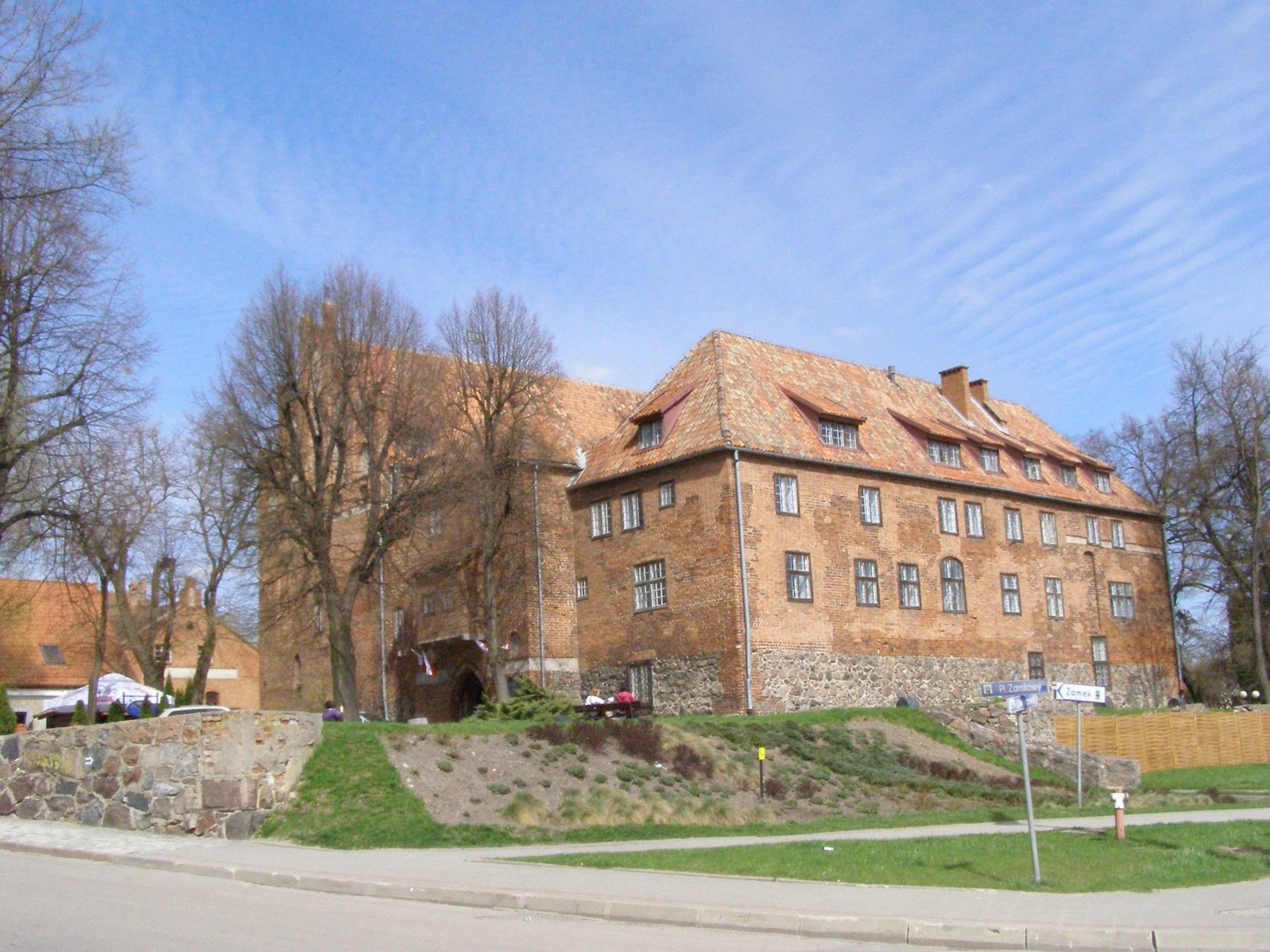
Cover: Kętrzyn Castle, September 2005. Archival view, not evidence of current access. Photo: Ralf Lotys (Sicherlich) / Wikimedia Commons, CC BY 3.0 Unported. Resized and compressed.
The free day changes with the month
A visit to the Wojciech Kętrzyński Museum in Kętrzyn needs one check that is easy to miss: its free-admission weekday is not fixed throughout the year. The official 2026 visitor information lists Wednesdays in November and Thursdays in December. Copying a Tuesday-free rule from another museum, or reusing a summer itinerary without checking the month, can therefore produce the wrong plan.
The free offer is narrower than a complete visit. It covers individual viewing of the permanent 'Sztuka dawna' exhibition in the castle. Guide-service reservations do not apply on free-admission days. The separate Baszta branch remains paid because it presents temporary exhibitions, and the multimedia city model is not operating on the free day. If that model is the main attraction for your children, paying on another opening day may make more sense than organising the trip around zero admission.
This guide uses the museum's published 2026 schedule, not a promise about the next year. Before a later trip, check the current calendar again. The museum's own holiday closures also override the monthly free-day pattern. In particular, the fact that December's free day is Thursday does not mean every Thursday in December is open.
Choose the castle, Baszta or the combined ticket
The normal castle ticket costs 17 PLN and the reduced ticket 12 PLN. A combined ticket for the castle and Baszta costs 20 PLN normal or 15 PLN reduced. Baszta admission on its own is 7 PLN. For a visitor paying normal admission who genuinely wants both buildings, the listed combined option is cheaper than buying the two individual tickets. There is little reason to choose a bigger route, though, if the exhibition or the stairs at the second building do not suit your party.
The castle museum is at Plac Zamkowy 1. Baszta is at Traugutta 2, described by the museum as about 200 metres away. It is a separate building in a former defensive tower, not an upper room you reach inside the castle. Allow for going outside between them, and ask what is on at Baszta before purchasing a combined ticket. A temporary-exhibition announcement is not evidence that the same show will remain there indefinitely.
The visitor page lists reduced admission for several categories, including organised groups, students, people over 65 and other eligible visitors. Children under seven are listed for free entry. Concessions and exemptions require appropriate documents. Do not assume a foreign student or family card will be accepted without checking how the published category applies to you. The visitor regulations say tickets are not refundable or exchangeable for another price category or event, so settle eligibility and the intended route at the ticket desk first.
Winter hours and the city-model timetable
From October to May, the castle and Baszta open Tuesday-Sunday, 09:00-16:00. From June to September the published hours are 10:00-17:00. Last entry is 30 minutes before closing, which means 15:30 in the winter timetable and 16:30 in summer. Monday is not a regular opening day. Arriving at the last-entry limit is not a practical plan for seeing two buildings and a scheduled presentation.
The multimedia model's presentation on the history of the city is included in the museum admission ticket on days when it operates. The winter schedule runs every half hour from 09:30 to 15:30; the summer schedule runs every half hour from 10:30 to 16:30. It is closed on the free-admission day. Build your route around one presentation rather than assuming it starts whenever you enter.
For a winter family visit, one workable approach is to arrive before a model presentation, see the permanent exhibition and then decide whether the separate Baszta visit is worthwhile. That is a planning suggestion, not a reserved time or guaranteed running order. Ask staff about presentation availability and any temporary restriction when you arrive. For a short, lower-cost visit focused on old art, the monthly free day offers a different and simpler route.
What the permanent exhibition actually contains
The museum's 'Sztuka dawna' description presents sculpture, painting, furniture and decorative art from different periods. It identifies Gothic sculpture from the fifteenth and early sixteenth centuries, including a figure of St James the Elder, alongside epitaphs and funeral banners. The emphasis is on objects from palaces, manor houses and churches in this part of former Prussia, rather than a sequence of military rooms alone.
That makes this a useful choice for visitors interested in the people and religious culture behind a castle's walls. Pick a few objects and compare what they were made for: a religious image, a memorial and a piece of furniture perform different jobs. The museum credits its founder, Zofia Licharewa, with saving much of the material from destruction during the difficult post-war years. The collection is therefore also a story about what was preserved and brought together.
Families should know that funeral memorials are part of the exhibition. The museum specifically describes a banner associated with a three-year-old child. You can decide how much of that subject suits your children without presenting the whole museum as either a play attraction or a grim experience. The multimedia model and the art exhibition offer different ways into the city's history, but only the latter is included in the regular free-day offer.
Better interpretation does not remove the stairs
The museum's account of the September 2024 exhibition modernisation reports tactile graphics, three-dimensional adaptations of artworks, Braille labels and display supports designed to improve access for visitors with visual or mobility impairments. These are specific improvements to how the permanent display can be experienced. They should not be mistaken for confirmation that every floor has become step-free.
The current visitor page still says there is no lift. It describes the ground-floor permanent exhibition as the most accessible part, reached from the hall by three low steps, with portable access tracks possible. It also says there is no adapted toilet. Before travelling with a wheelchair or walking aid, ask how the entrance, those steps and the chosen rooms can be managed with the equipment and assistance actually available on the day.
The separate accessibility declaration, prepared in 2021, describes an unevenly paved castle courtyard and more severe barriers at Baszta: narrow passages, multiple stairs, no lift and an exhibition inaccessible to wheelchair users. Some sensory-access details in that older declaration predate the documented 2024 improvements. Read the sources together, using the newer exhibition account for those improvements while confirming the current physical route directly. Neither source supports describing the entire museum complex as barrier-free.
Pushchairs, photographs and a useful question before travel
The museum's pages are not fully consistent about pushchairs. The older accessibility declaration says exhibition rooms can be visited with one, while the visitor regulations list pushchairs among items to leave in the cloakroom before entering exhibitions. Baszta's declaration also says there is no space to leave a pushchair at its ticket desk. Rather than relying on whichever sentence suits your plan, ask staff which rule applies to your particular visit and whether an alternative carrying arrangement is needed.
The regulations prohibit flash, additional lighting and tripods for interior photographs, and prohibit filming or photography in the multimedia-model projection room. They also allow restrictions for objects that do not belong to the museum. Follow room-specific instructions rather than assuming a castle ticket is unrestricted photography permission. Keep food and drinks out of the exhibition route under the published rules.
One short call can settle the details that make the biggest difference: the date, whether the model will operate, the temporary exhibition at Baszta, the route for a wheelchair or pushchair and any document needed for reduced admission. The museum contact page gives +48 89 752 32 82 and [email protected]. These are enquiry details, not confirmation that a guide or special arrangement has been booked.
Groups need advance agreement, not just enough tickets
The published guiding price is 70 PLN for a group of up to ten people, 100 PLN for eleven to thirty and 200 PLN for more than thirty. For the largest category, the visitor page describes two guides where possible. Guiding takes about one and a half hours and requires an agreed date at least a week ahead. Admission and guiding should be discussed together, as should the actual buildings and the needs of the group.
No language availability should be inferred from those prices. Ask explicitly if you need English or another language, and wait for confirmation before advertising a guided trip to friends or colleagues. The free-admission-day rule specifically excludes guide reservations, so it is not simply a cheaper day for an otherwise identical organised tour.
A reconstructed castle and a date-specific final check
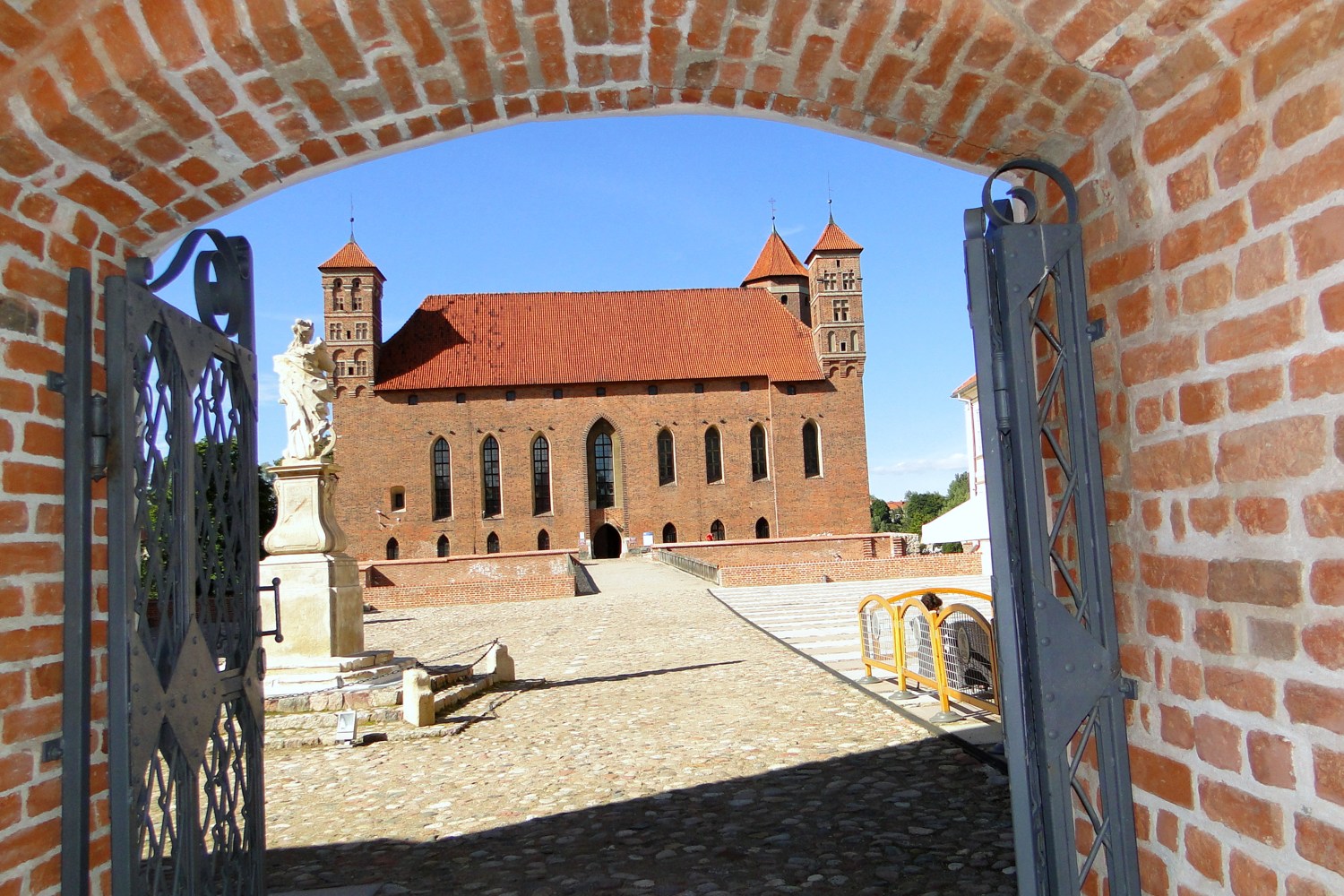
The museum's castle history explains that the building burned in 1945 and was rebuilt in 1962-1967 with a restored Gothic character. The museum and municipal library now use the castle. It is misleading to describe everything visible as untouched medieval fabric. The reconstruction is part of the place's history, just as the rescued objects are part of the collection's story.
For December 2026, the museum lists 24, 25, 26 and 31 December as closed. The two Thursday dates, Christmas Eve and New Year's Eve, therefore override December's regular free Thursday. A published opening for a special event should also be treated separately from normal daytime admission. Check the museum's current notices before setting out, particularly if your plan depends on a temporary exhibition or an evening event.
The key choice is straightforward: use the correct month's free day for an individual visit to 'Sztuka dawna', or choose a paid opening day if the city model or a fuller two-building route matters more. Keep the access check specific, settle any guide a week ahead and leave enough time before last entry. That produces a more reliable visit than treating every museum day, ticket and building as interchangeable.
Frequently asked questions
Is the museum free every Tuesday?
No. The 2026 free weekday changes by month. November uses Wednesday and December Thursday, subject to closures. Only individual access to the permanent old-art exhibition is included.
Does the city model run on free days?
No. The museum explicitly says the multimedia model is closed on the free-admission day. On other opening days it has a published half-hourly schedule.
Can I take a pushchair inside?
The older access declaration and the visitor regulations disagree. Ask the museum which current rule applies; Baszta also reports no pushchair storage space at its ticket desk.