Exchanging Money in Poland: Kantor Rules, Rates and Traps
Short answer: Use the National Bank of Poland's daily average rate as your benchmark, verify any exchange office in the official register at kantor.nbp.pl, read the buy (kupno) column on the rate board, and take the transaction voucher. Tourist-area kantors usually offer the worst spreads.
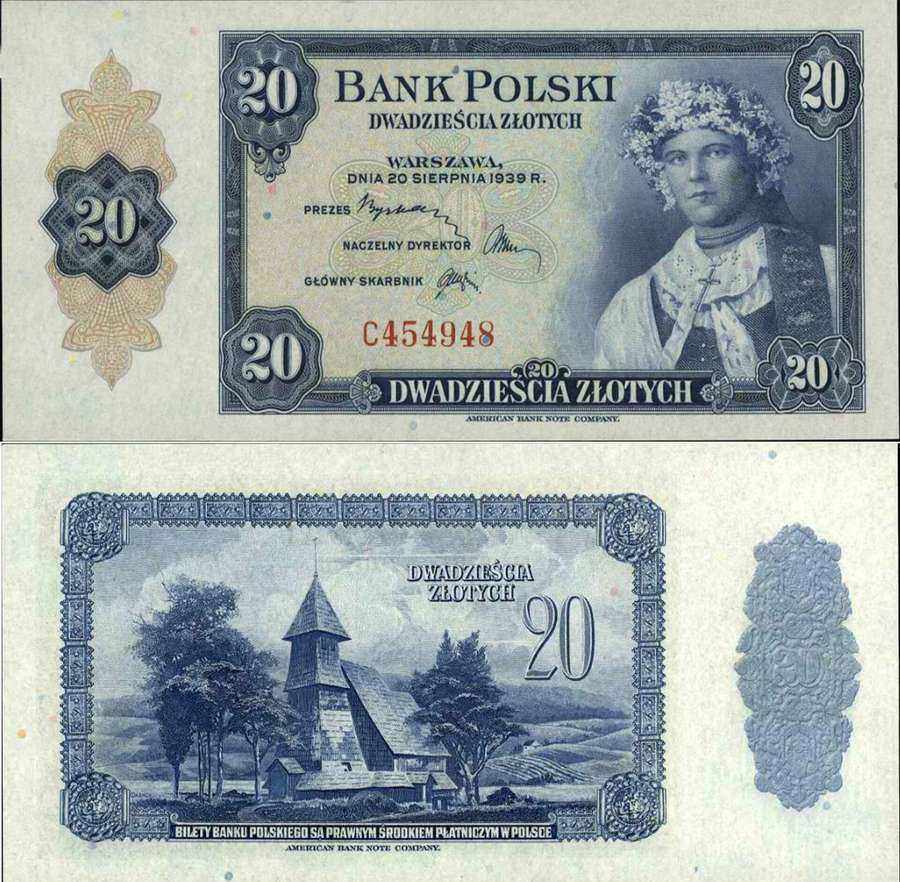
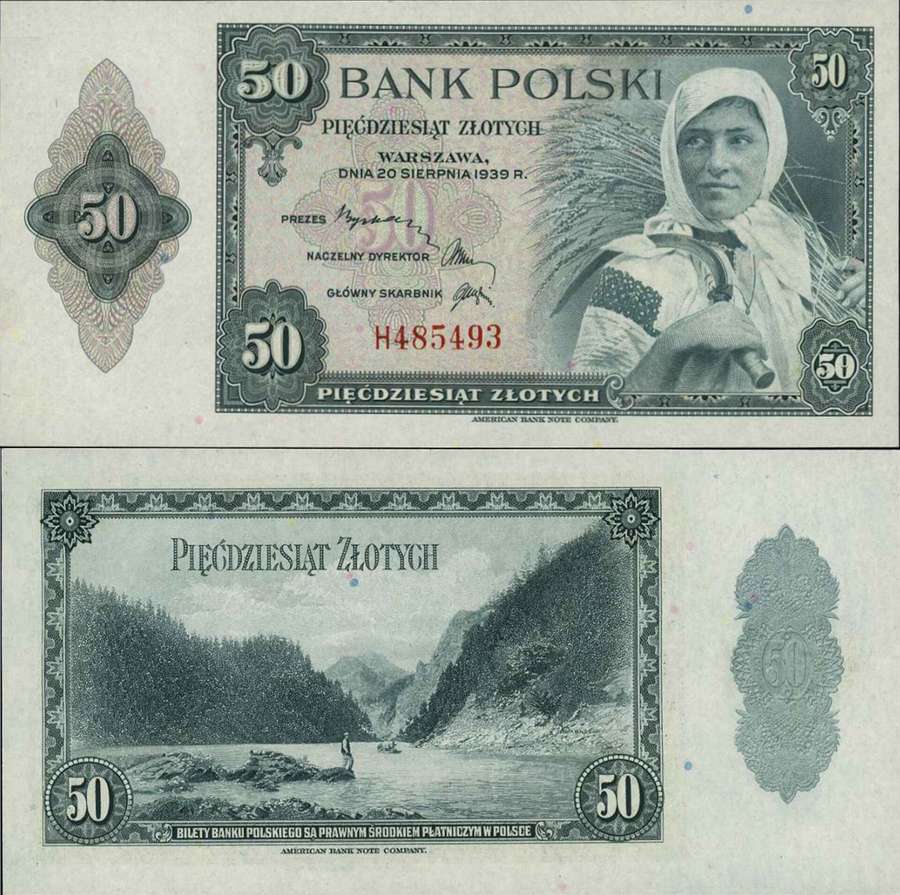
Poland runs on the złoty, and at some point every expat needs to turn euros, dollars or pounds into it. Exchange offices - kantory - are everywhere, their rates vary wildly, and a few basic rules separate a fair exchange from an expensive lesson. Here is how the system works and how to check a kantor before you hand over cash, as of October 2026.
Check the mid-market rate first
The reference point for every exchange is the average rate published by the National Bank of Poland (NBP). NBP's table A of average foreign-exchange rates comes out every working day; on 14 October 2026 it put the US dollar at 3.90 zł. No kantor will give you exactly the mid rate - the spread between its buy and sell prices is how it earns - but knowing the mid rate tells you instantly whether an offered rate is fair. A quick check on the NBP site or its public API before you leave home takes seconds.
Only use registered kantors
Currency exchange is a regulated activity in Poland. Every legal kantor must be entered in the official register of exchange offices, which NBP maintains and publishes at kantor.nbp.pl. Before using an unfamiliar kantor - especially at an airport, station or tourist street - you can search the register by name or address. If it is not there, walk away.
What a legal kantor must show you
A Finance Ministry regulation on kantor premises sets out what you should see:
- the word "kantor" displayed outside in a visible place, with the address and opening days and hours;
- an information board inside with the current rates;
- a purchase or sale voucher (dowód kupna lub sprzedaży) issued for your transaction, showing its details.
Read the rate board carefully. Kantors display two prices per currency: the buy rate (kupno) is what they pay you for foreign currency, the sell rate (sprzedaż) is what you pay them when buying currency back. The price that matters when you bring euros is the buy column. Boards that advertise one great rate in huge digits sometimes attach it to the sell side, or to amounts far above yours - the regulation requires the board, but not its generosity, so compare the actual number you will get against the NBP mid rate.
The classic traps
Tourist-area kantors live off customers who do not check. The defences are simple:
- Compare the offered buy rate with the day's NBP average before you agree to anything; a gap of more than a few percent is a bad deal.
- Ask for the exact złoty amount you will receive before handing over your cash, and count it at the counter.
- Watch for commission and fee lines; a great headline rate with a fee can be worse than a modest headline rate without one.
- Keep the voucher the kantor issues - it is your proof of the transaction.
- Be sceptical of "0% commission" boards next to rates far from the mid-market rate; the margin is simply hidden in the rate.
Airport and hotel exchanges are usually the most expensive convenience in the chain. If you arrive late and need cash, change a small amount and do the rest in the city.
Alternatives worth knowing
Multi-currency accounts and Polish bank cards often beat cash exchange entirely, especially for larger sums, and ATMs in Poland dispense złoty directly. When an ATM or card terminal offers to charge you in your home currency instead of złoty, decline - paying in złoty leaves the conversion to your bank at a better rate. Kantors remain useful for cash you already hold and for comparing against card rates, and registered ones are a legitimate, regulated part of the system.
Practical checklist
- Look up the day's NBP average rate before exchanging.
- Check unfamiliar kantors in the official register at kantor.nbp.pl.
- Read the buy (kupno) column, not the sell column, when selling your currency.
- Ask the final złoty amount and any fees before handing over cash.
- Take and keep the transaction voucher.
- At ATMs and card terminals, always choose to be charged in złoty.
Frequently asked questions
### Is the kantor register really public?
Yes. NBP maintains the register of exchange-office activity and publishes it at kantor.nbp.pl, where anyone can search it for free.
Do kantors have to give me a receipt?
Yes. The Finance Ministry regulation requires kantors to issue a purchase or sale voucher with the transaction details, unless equivalent written documentation is produced.
How close to the NBP rate should I expect?
There is no legal cap on the spread; it is set by competition. Comparing the offered buy rate with the day's NBP average is the standard way to judge, and central tourist locations tend to offer the worst spreads.
Can I exchange money at a bank instead?
Banks exchange currency for customers, though often at less competitive rates than city-centre kantors. Compare both against the NBP mid rate on the day.