Buying Houseplants in Poland: Delivery and Plant Passports
The essentials: Confirm the living plant, identity, size basis and handover route. PIORiN distinguishes direct final-user supply from distance sales, where plant passports are required; a passport is not a household-safety or care guarantee.
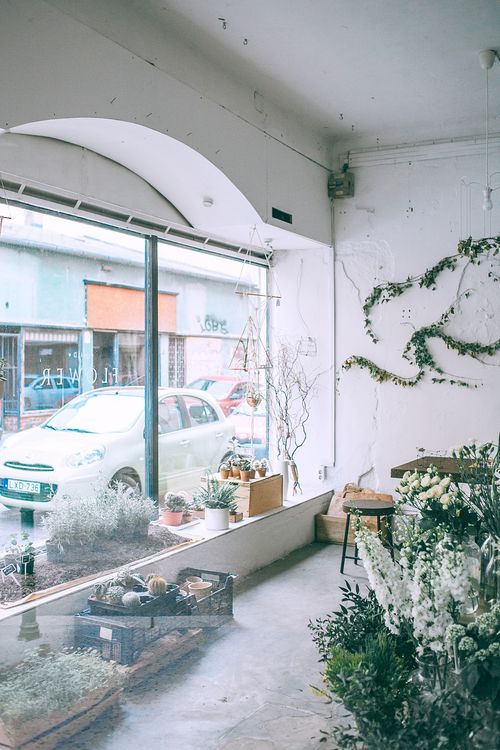
Cover: Maria Orlova, source photograph, Pexels License. Image unchanged. Potted plants in a shop interior. General plant-buying context, not a verified Polish retailer or stock listing.
Buying a living plant for a Polish home is a different task from ordering a bouquet. You need to know which plant is offered, what the size describes, how it will reach you and which information should accompany the sale. A plant passport can be part of that information, but it is not a care plan or a safety certificate for your household.
This guide concerns living potted plants bought in Poland, with PIORiN guidance and a named retailer's product example. It is not a plant-care prescription, an import guide or advice on toxicity around pets or children. Photographs illustrate a plant shop and a potted plant, not a verified seller or a phytosanitary inspection.
Start by confirming that the product is living
Roślina doniczkowa means potted plant. Sztuczna means artificial. A retailer can sell both in a broad plants category, so read the actual description rather than relying on a photograph of green leaves.
IKEA's Polish categories illustrate the difference: living potted plants appear alongside separate artificial-plant ranges elsewhere in its plants and flowers section. A decorative display or a familiar pot does not establish which type you selected.
Keep the full product identity in your basket or shopping note. An artificial plant may suit a different purpose, but it should not become an unnoticed substitute for a living plant. The same care is useful when someone else is buying or collecting the item for you.
Find the botanical identity when you need precision
Retail descriptions may use a common name, a botanical name or a mixed assortment. Read what the seller actually promises. A listing described as various plants is not the same promise as a named species or a specified variety.
PIORiN's plant-passport materials identify botanical naming as part of the passport information. That can help connect a plant to its declared identity, but it is not a reason to guess a species from a photograph when the listing is ambiguous.
Ask the seller to identify the actual product before buying if species matters to your decision. This guide does not identify an unfamiliar plant from a leaf image or decide whether it is safe for a household member. Those questions require appropriate specific evidence.
Read pot diameter separately from plant height
A centimetre figure in a product title can refer to the pot rather than the plant's total height. Read the dimensions section. IKEA's cited Monstera listing, for example, separately gives pot diameter and plant height, as well as packaging measurements.
Those are different measurements with different uses. The pot dimension may help you compare a container, while plant height and packaging size affect transport and placement. Do not convert one into another without the actual product specification.
If the item must fit a narrow space or a particular container, ask which dimension is being measured and what is included. A photo with no scale cannot settle the fit. A nominal title size should not be treated as an exact promise about every leaf's position.
Expect a living specimen, not a duplicate photograph
IKEA's product information says living plants are individual and store specimens can differ from the illustrative images. That is a useful reminder to read what is actually promised rather than expecting the precise leaf arrangement in a photograph.
Natural variation does not answer every question about delivery condition or a mismatched product. Keep identity, size and condition as separate checks. A seller's illustration is neither a guarantee of identical growth nor an excuse you should invent for any difference.
If choosing in person, look at the specimen offered. If buying at a distance, read the seller's description of the version supplied and ask about an unresolved detail. This guide does not diagnose diseases or assess an unseen plant's quality.
Choose the purchase and collection route deliberately
A product page being online does not prove home delivery is available to your address. The cited IKEA living-plant page presents an order-online-and-collect route. Check the actual options for the item, store and location before making a plan.
Other sellers may offer shipping, their own delivery or collection. Read which service applies and what the agreed handover involves. Do not book transport or arrange a recipient around an assumed dispatch date that the seller has not confirmed.
The physical handover and the way the contract is made are also distinct questions for plant-passport rules. Do not assume collection automatically makes every order a purely in-person transaction. If the classification matters, preserve the actual ordering process and ask the seller or relevant authority about it.
What a plant passport is for
PIORiN explains plant passports as official documentation used for the movement of covered plants, including ordinary ornamental potted plants within the category of plants for planting. They support plant-health controls and traceability in the relevant supply chain.
The passport is not a guarantee that a plant will thrive in your flat. It does not certify that the plant is edible or harmless to pets or children, and it is not a substitute for species-specific care information. Do not translate official plant-health documentation into an unlimited household-safety promise.
Keep its purpose narrow when reading a listing. A seller mentioning a passport has supplied one kind of information. You still need to know the actual plant, the sale terms, the collection or delivery arrangement and any product details that matter to the purchase.
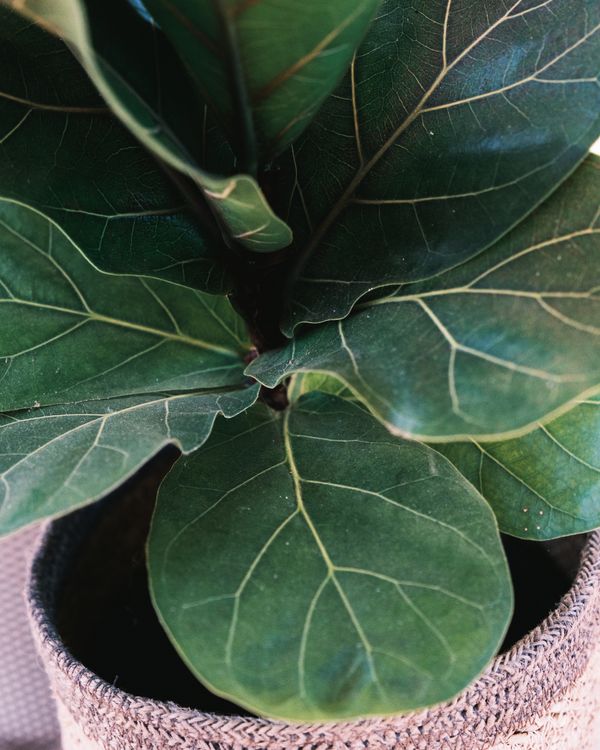
Understand the direct final-user exception
PIORiN's guidance distinguishes direct supply to a final user from distance-contract sales. A person buying for private, non-professional use can fall within the final-user category. The passport exception for direct supply should not be confused with a claim that plants never require documentation anywhere in a retail supply chain.
The Kielce inspectorate explains that florists can receive plants in passported trade units even when their own direct final-user sales have different obligations. A passport might relate to a trade unit rather than simply being a label on each individual pot handed to every shopper.
For a normal private in-person purchase, the absence of an individual passport on the pot is therefore not automatically proof of an unlawful sale. Read the applicable scope rather than using a broad slogan that every retail pot must always carry its own label.
Distance sales have a different rule
PIORiN's internet-sales guidance states that plants for planting sold under distance contracts must be accompanied by plant passports. It expressly includes online channels and explains that small quantities or a seller's hobby background do not automatically remove those obligations.
The Katowice inspectorate's May 2026 explainer reinforces the difference between direct private-use handover and a distance sale. Do not assume a marketplace listing is exempt merely because the seller describes the plant as a spare from home.
This article is written for buyers, not as a registration manual for sellers. If you plan to sell plants, check the current PIORiN requirements for that activity. A private purchase guide should not be used to invent an exemption or authorise an online plant business.
Keep plant identity and the sale record together
Save the product description, agreed size and order information. If documentation accompanies the plant, keep it with the identity details rather than losing the connection after repotting or removing packaging. That preserves the information if you need to ask a later question.
You do not need to turn this into a collection of unrelated personal details about the seller. Retain the facts relevant to the plant and transaction. A passport reference is not proof of every statement in a listing or a reason to trust an unrelated request.
If the identity or documentation appears inconsistent, ask about that specific discrepancy. Do not claim a laboratory finding, a pest diagnosis or a false document from a casual photograph. The relevant inspectorate can explain the regulatory question when needed.
Check delivery condition without inventing a diagnosis
When a shipped plant arrives, compare the actual item with the order and preserve photographs of its packaging and condition if there is a problem. Note the identity and agreed size rather than describing the purchase only as a green plant.
Ask the seller about a damaged or incorrect item through the stated transaction route. This guide does not set a universal complaint deadline or promise a particular refund, and it does not repeat the site's full consumer-complaint guides.
Avoid applying an unverified treatment because a leaf looks unfamiliar. A purchase problem and a plant-health diagnosis are different tasks. Keep the evidence clear, ask the appropriate question and use specialist grounds for any care or disease decision.
Finish with a plant you can identify and a plan you understand
Before paying, confirm living versus artificial, the declared identity, the dimension basis and the actual handover route. For a distance sale, check the accompanying passport arrangement. Keep that documentation's traceability purpose separate from care and household safety.
If a plant is intended for a particular location or household, find appropriate species-specific information before choosing. This article does not promise suitability from a shop display, a marketing name or a passport. The purchase can wait while a question that matters is answered.
A clear description and a clear collection or delivery plan remove many avoidable surprises. You are buying a living specimen rather than a duplicate photograph, and the useful records describe that specimen and its transaction. That is a sounder starting point than treating one attractive image or one official-looking label as the whole decision.
Frequently asked questions
Does every plant I buy in a shop need its own passport label?
Direct supply to private final users has an exception. Supply-chain trade units can still require passports; distance contracts have different rules.
Does a plant passport mean it is safe for pets or children?
No. It concerns the relevant plant-health controls and traceability. It is not an edibility, toxicity or household-safety guarantee.