How to Join Local Sports Clubs in Warsaw as a Foreigner
The essentials: Start with parkrun - free 5k every Saturday 9:00 at Pole Mokotowskie, Praga or Ursynów, one-time registration, no time limit. Add a municipal OSiR class (cheap, seasonal enrolment on sport.um.warszawa.pl). Graduate to a UKS/MKS club for coached weekly training. No Polish needed to begin; go twice.
Sport as a settling-in strategy
Ask long-settled foreigners in Warsaw how they built their circle and a striking number give the same answer: they joined something physical and weekly. Sport works where pure socialising often does not, because it supplies the two things expat life lacks - repetition and a shared task - without demanding fluent Polish. The city's options divide into three main doors: free weekly events, municipal classes, and formal club membership. This guide covers all three, with current details from official sources.
One reassurance up front: you do not need Polish to start. parkrun needs no words at all, municipal classes need a handful, and club coaches in a city this international have seen every level of the language. The barrier is administrative, not linguistic - and it is lower than it looks.
Door one: parkrun - free, weekly, zero commitment
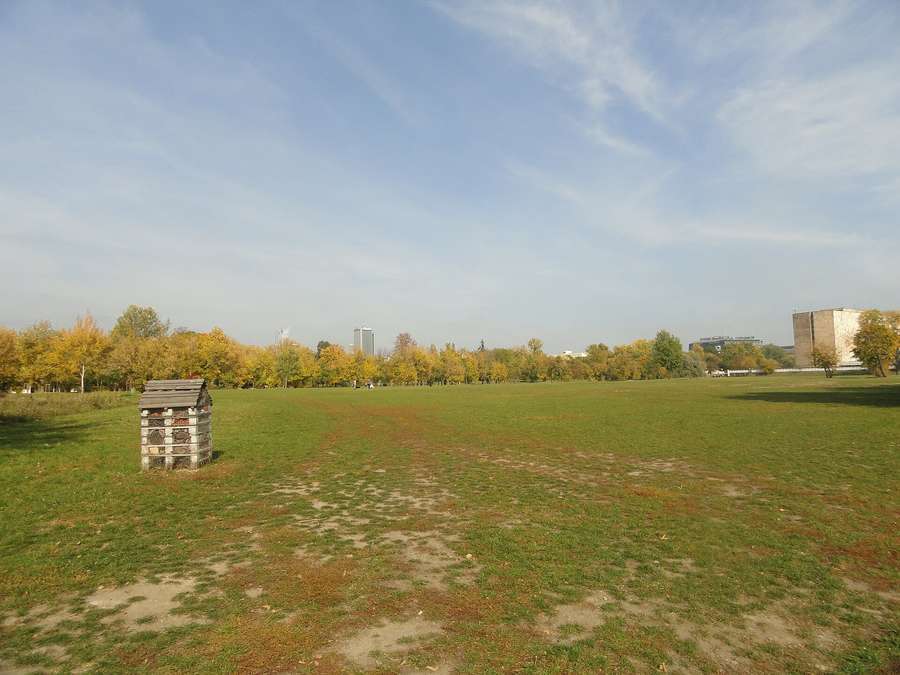
The single easiest entry point is parkrun, the volunteer-run movement that stages free, timed 5-kilometre events every Saturday morning. Warsaw currently has three: Pole Mokotowskie, Warszawa-Praga and Warszawa-Ursynów. The Pole Mokotowskie event page states the format plainly: a run, jog or walk over 5 km with timekeeping, every Saturday at 9:00 all year round, in a relaxed atmosphere without rivalry.
The practical mechanics could not be friendlier to newcomers. Participation is completely free; the only requirement is a one-time online registration before your first event, which issues a personal barcode - bring it, because "no barcode, no result". That one registration works at every parkrun in Poland and worldwide, so a Saturday in Kraków or Lisbon can continue the habit. There is no time limit: a volunteer "tail walker" always finishes last, so nobody else can. And because parkrun is organised by the participants themselves, volunteering at one event - scanning barcodes, marshalling a corner - is the fastest route from attendee to local.
Data source: parkrun.pl event pages for Pole Mokotowskie, Warszawa-Praga and Warszawa-Ursynów, checked October 21, 2026.
Seasoned members add one more argument for sport-first integration: it scales with language. A football needs one word ("pas!"), a climbing route needs none, and by the time your Polish holds conversations, the club has already given you people to have them with. Few other strategies pay out on both sides of that equation.
Door two: municipal sports centres (OSiR)
Every Warsaw district runs an Ośrodek Sportu i Rekreacji - a municipal sport and recreation centre - and together they form the city's best-value fitness infrastructure: pools, gyms, ice rinks, tennis courts and instructor-led classes at prices private clubs cannot match. Each district OSiR publishes its schedule on the city's sport portal, sport.um.warszawa.pl, with a searchable class finder by category, day and location - the Ochota finder, for example, currently lists its autumn 2026 edition of classes from aqua zumba upward, with enrolment handled per class.
Three things to know as a foreigner. Enrolment is seasonal - classes are organised in autumn and spring editions, and popular ones fill in the first days of sign-up, so watch your district's page in late August and January. Instruction is in Polish, but sports Polish is learnable in a month and instructors are used to mixed groups; for anything technique-critical, book one session and see. And residents should also check the free offerings - district OSiRs regularly open bezpłatne zajęcia (free classes), particularly in Praga-Południe and the outer districts, as part of the city's activity programmes.
A first visit is deliberately low-ceremony: arrive ten minutes early, tell the instructor at the door you are new ("jestem pierwszy raz" earns instant goodwill), and expect the class to run on demonstrations as much as instructions - sport is the one Polish classroom where watching beats understanding every word. Changing rooms, pools and gyms are signed in Polish with internationally obvious icons, and front desks in the larger centres usually manage basic English or will fetch someone who does. Data source: sport.um.warszawa.pl district OSiR class finders, checked October 21, 2026.
Door three: formal clubs - UKS, MKS and the amateur leagues
For a sport you want to play properly and regularly, Warsaw's dense network of local clubs - the UKS (school sports clubs, many with adult sections), MKS and KS initials in their names - offers coached training at fees that are modest by Western standards. The joining process is uniform across most clubs: find the section (sekcja) for your age and level on the club's website or social page, message or simply appear at a listed training, pay a monthly fee, and fill in a declaration. Competitive squads may ask for a basic medical certificate; recreational sections rarely do. Polish amateur football alone spans several league tiers in Warsaw, and equivalent structures exist for basketball, volleyball, ultimate frisbee, rugby and floorball.
Two practical notes for foreigners. First, club communication runs on Facebook groups and WhatsApp more often than email - if a club's website looks dead, its Facebook page is usually alive. Second, universities open many sections to non-students: the AZS (Academic Sports Union) clubs at Warsaw's universities historically welcome outsiders into selected training groups, worth a direct message if you live near a campus.
The scenes expats actually fill: rackets, climbing and running crews
Certain sports in Warsaw function as unofficial expat infrastructure. Tennis, squash and padel run on a booking culture - courts by the hour through club apps and aggregators - which means no membership barrier at all: book, pay, play, and join a ladder or a partner-finding group once you want regulars. Climbing gyms operate the same open-access model, and their regulars are among the most internationally mixed crowds in the city; a first-timer course is the standard door in. Running crews beyond parkrun - shop-run groups, brand communities, informal Tuesday-night packs - post their meeting points openly and ask nothing but turning up. In all three scenes the social half of the evening is taken as seriously as the sport, which is precisely why they work as integration.
The informal tier - and how to choose
Between the three doors sits a thriving informal tier: expat five-a-side football groups, running crews, climbing meetups and social volleyball organised through Meetup, Facebook groups and workplace leagues. These ask for no Polish and no paperwork, and for many foreigners they are the true first step. A sensible progression looks like this: a Meetup game or a parkrun in week one; a municipal OSiR class from the next enrolment window for structure and value; and a formal club once you know the sport you want to keep. Whichever door you pick, apply the expat rule that matters most - go twice. The first visit makes you a stranger; the second makes you a regular, and in a Warsaw sports club, regulars get folded into the group faster than almost anywhere else in city life.
If you prefer a concrete sequence, this one works: pick your sport and your district; check the district OSiR class finder for the current edition's schedule and enrolment dates; register for parkrun online as your no-risk first Saturday; shortlist two clubs and message both - response speed tells you which is alive; then commit to a four-week attendance block before judging anything. Most people quit too early to reach the moment where the group starts expecting them.
Families should note one more door: the same UKS club network runs children's sections in every district, typically at low monthly cost, and they double as the most reliable parent-networking infrastructure in the city - the parents on the touchline are the other half of the integration.
* Cover photo: Cybularny, CC0, via Wikimedia Commons. Body photo: Wistula, CC BY-SA 4.0, via Wikimedia Commons.
Frequently asked questions
Can foreigners join sports clubs in Warsaw without speaking Polish?
Yes. parkrun requires no Polish at all - register online once, bring your barcode on Saturday at 9:00. Municipal OSiR classes are taught in Polish but routinely include foreigners; club coaches in Warsaw are used to mixed-language groups. Sports vocabulary is small and learned in weeks.
How much does it cost to join a sports club in Warsaw?
parkrun is free. Municipal OSiR classes and facilities are the cheapest structured option, priced by district and often with free sessions in the programme. Private amateur clubs typically charge a modest monthly fee; competitive squads may also ask for a medical certificate.
Where can I run with a group in Warsaw for free?
parkrun runs free timed 5k events every Saturday at 9:00 in three Warsaw locations: Pole Mokotowskie, Warszawa-Praga and Warszawa-Ursynów. Register once online, bring your personal barcode, and walk, jog or run - a volunteer always finishes last.
When do municipal sports classes in Warsaw open for enrolment?
District OSiR centres organise classes in seasonal editions - autumn and spring. Popular classes fill within days of sign-up opening, so check your district's page on sport.um.warszawa.pl in late August and again in January.