Knitting Classes in Poland: Choosing a First Course
The essentials: Choose a true beginner level and a manageable project, then confirm the current dates, venue, language and materials. A published programme is not proof of available places or suitable mid-course joining.
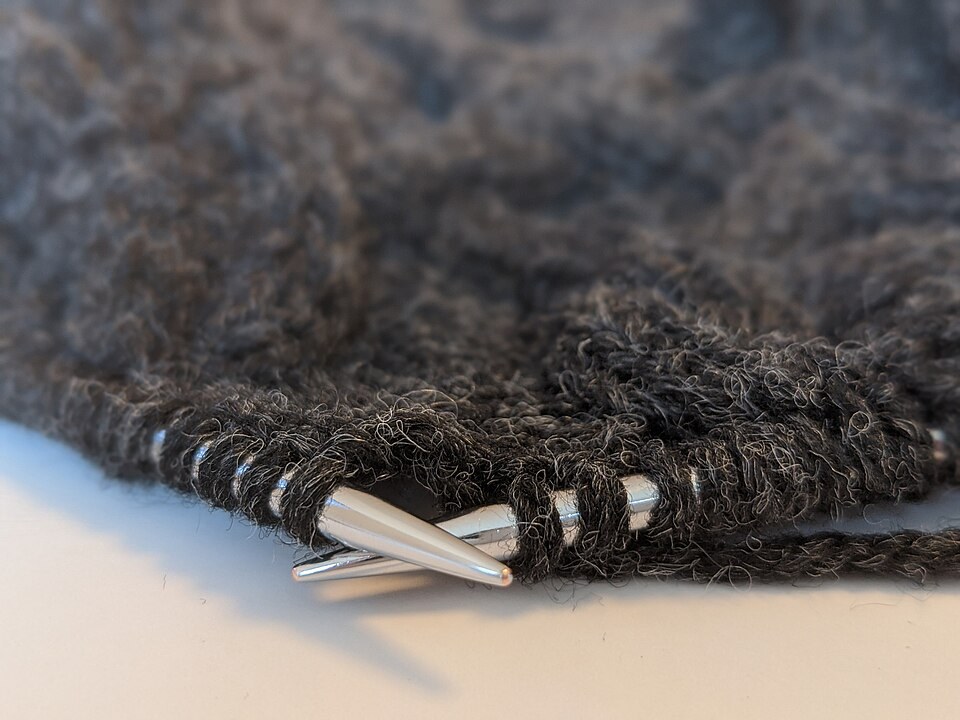
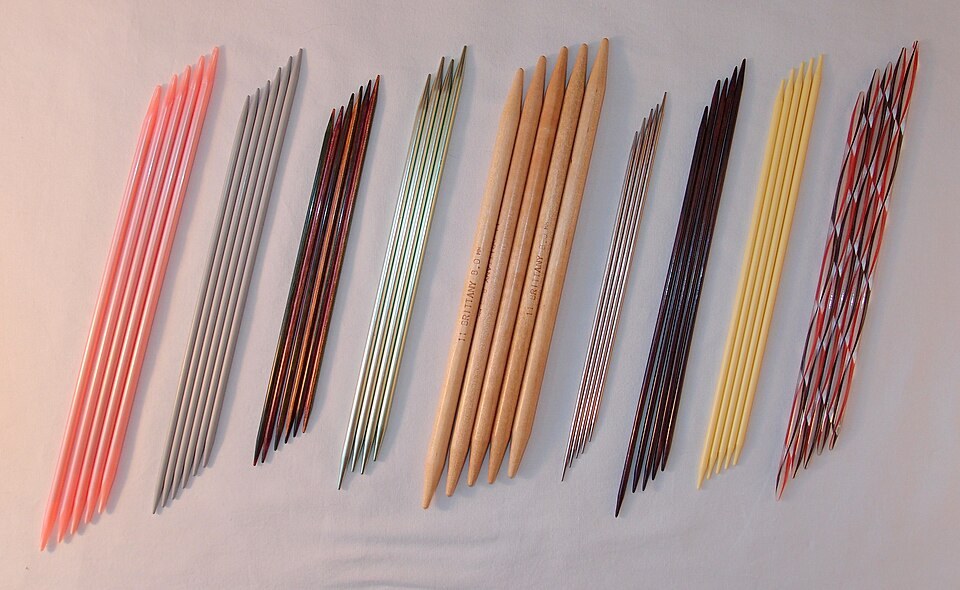
Contextual knitting detail, not a reviewed class or supplied kit. Shisma, 11 November 2020 (camera metadata) / Wikimedia Commons, CC BY 4.0. Resized and re-encoded.
A first knitting class in Poland can mean a four-hour headband workshop, a fixed course across several dates or a flexible package of meetings. Those formats do not teach the same amount in the same way. For an expat choosing a class, the useful starting point is the actual entry level: does the instructor expect you to know how to cast on, knit, purl or finish a piece already?
This guide compares six primary provider and organisation pages checked on 29 October 2026. It is not a ranking based on personal attendance or a list of available places. Several dated examples have already ended; one Warsaw programme advertises a November course. Treat those as published programme information, not confirmation that a group is running, has room or offers instruction in English.
Ask what "beginner" means
Między Drutami's Wrocław overview separates its beginner workshops from Level Up sessions for more experienced knitters. The beginner description includes basic knitting and differences between yarns and needles, while the next level covers more complicated techniques. If you have never held knitting needles, that distinction matters more than a photograph of the finished work.
Warszawa Szyje's introductory page describes casting on, basic stitches and chart reading. It separately mentions sweater courses for people who have already mastered the basics. Do not book the latter merely because it promises a first sweater. Tell the organiser which actions you can perform without help, or say plainly that you are starting from zero.
A useful first enquiry asks whether casting on, knit and purl stitches, recognising the work and casting off are taught in the selected class. Ask whether the teacher demonstrates each stage and helps individually. If the course assumes one of those steps, find out how to prepare or choose an earlier level rather than expecting the instructor to rebuild the programme around you on arrival.
Choose a small project and a clear process
Warsztatownia in Katowice provides a historical example of a defined first project. Its 17 October 2026 workshop advertised a headband, casting on and off, knit and purl stitches, and discussion of yarn types. The four-hour event is past, but the project brief is useful when comparing future editions: you can ask what skills a small object is meant to teach.
A headband, scarf and fitted garment are different project goals. Ask what a realistic first-session result is and whether you will need to practise between meetings. Do not assume that an elaborate studio sample represents what a new student finishes during a short introduction. A small piece you understand how to continue may be more useful than a larger object completed with substantial help.
If you want to make something for a particular person, explain that before booking and ask whether sizing belongs in the beginner syllabus. Ask whether the course introduces a practice sample or gauge before fitting a project. This is a question about what you will learn, not a promise that a first garment will fit or that every yarn can be substituted without changing the lesson.
Compare the number of meetings, not just total hours
Warszawa Szyje's page, published on 5 October 2026, describes a nine-hour introduction. It advertises a two-meeting option on Saturdays, 14 and 21 November 2026, from 10:00 to 14:30. A separate three-meeting sequence began on 22 October 2026. Its later dates do not establish a new introductory session for someone who missed the start.
Two longer meetings and three shorter ones can suit different schedules. Ask how breaks work, what you practise at home and whether missing one meeting means losing a stage needed for the next. Confirm that the payment covers the whole course rather than one date. The published November dates are not checked remaining places, and a current description is not proof that the timetable cannot change.
Karola Knitt & Wear's Szczecin page gives another historical model: five two-hour meetings every two weeks, running from July to September 2026. That series has ended. It shows why the spacing matters as well as the total: ask whether a new edition follows a fixed cohort and whether you can get help with practice between meetings. Do not turn its old schedule into a current recurring invitation.
A flexible package is not automatically a drop-in
Zróbże Coś describes six- or nine-hour packages whose meetings can be booked from its calendar, with a stated period for using the package. It separately describes single two- or three-hour visits for people who already have a project and a specific problem, plus individual workshops. Those are different products. Ask which option is appropriate if you have no experience and no work in progress.
Its page also says workshops can involve mixed or dedicated groups and that different people work on their own projects. Confirm how a complete beginner is introduced within that setting and how much individual attention is available. Flexible booking is only useful if suitable sessions exist when you can attend. Ask how credits are used, whether reservations consume them immediately and what happens when a meeting is changed.
Do not assume every group workshop takes place at the organiser's atelier. Zróbże Coś distinguishes its private creative studio from group events in different Kraków spaces. Confirm the venue for the exact booking. A general contact address or photograph of a studio interior is not enough to plan your route or assess the room's access.
Find out what tools and yarn are included
Warszawa Szyje explicitly says participants can take their first work and first needle set home. Katowice's past workshop description said yarn and needles were provided. Karola Knitt's past series described a starter package, yarns, notes and instructional videos. These statements belong to their particular programmes; they should not become a general promise about every knitting class.
Zróbże Coś describes a set selected on site for the learning period. That wording is not identical to a take-home needle set. Ask what is borrowed, what you keep and whether the supplied yarn is enough to finish the selected object. If you already own needles, send the organiser their type and size before bringing them. Avoid buying a large collection on the strength of a contextual photograph.
Ask what fibre and yarn weight the project uses, especially if you avoid animal fibres or have material sensitivities. A general claim about good-quality yarn does not answer that question. If a substitute is needed, agree it with the teacher before the lesson. Ask for care instructions for the finished piece rather than applying washing advice from a different yarn or garment.
Clarify English instruction and pattern language
The reviewed Polish descriptions do not establish an English-taught session. Ask about practical demonstrations, corrections, notes and any videos supplied afterwards. An organiser replying in English about registration does not prove that the teacher can explain every stage in English. If you can follow Polish demonstrations but need occasional English help, describe that arrangement clearly.
A useful question is: "I have never knitted before. Can you teach the first steps and help me individually in English, and which language are the notes or patterns in?" Ask whether stitch names, abbreviations and chart symbols are explained as part of the course. If you intend to use English patterns afterwards, tell the teacher rather than assuming every supplied reference uses the same wording.
Notes and recordings can help you revisit a lesson, but a promise of access needs details. Ask which material is included for the selected edition, whether it is downloadable, how long access lasts and whether questions after class are covered. A provider's older description of videos or a community group should not be treated as unlimited personal support.
Keep knitting separate from a general yarn-craft event
Fundacja Hydro-polis's historical Woźnice programme combined knitting and crochet for beginners, with materials supplied. Its stated May-August 2026 period is past, even though the page remains online. It is an example of a mixed-technique programme, not proof of a current free class. Ask which technique the selected meeting actually teaches and whether it follows a structured lesson.
When enquiring, use robienie na drutach or dzierganie na drutach for knitting. A social craft gathering can be useful once you have a project, but may not provide a step-by-step introduction. Ask whether you need to arrive already able to continue your own work. A shop selling yarn and a provider offering taught beginner sessions are also different things; check the actual workshop description.
Check access, pace and practical comfort
Ask about the room, stairs or lift, seating, lighting and breaks. Warszawa Szyje identifies its Smocza studio as being on the second floor, which prompts an access question rather than proving access is impossible. If gripping, close work or repeated movements are difficult, explain the assistance you need and ask whether the lesson can be adapted. A creative activity is not a medical recommendation.
If attending with a child, ask about the selected course's age limit, guardian attendance and whether separate places are required. Do not transfer a mixed-age policy from one provider to another. For any participant, ask what happens if progress is slower than expected and whether the project can remain unfinished between meetings. Published promises about calm atmosphere do not settle those practical arrangements.
Read the terms for the exact product
Before paying, confirm the total, dates, materials, minimum-group condition and cancellation or postponement route. Ask whether a deposit, monthly payment or package credit has different rules from a single ticket. Zróbże Coś's FAQ describes changing a meeting through the customer panel or confirmation email and points to its regulations for details. Do not infer an unlimited deadline or a refund promise from that short summary.
Start with a genuine introductory level, one manageable project and a teaching language you can use. Confirm the current venue and what you can practise after class. A clear explanation of what you will learn, what you keep and how the meetings connect is more useful than expecting a first result identical to a teacher's sample.
Frequently asked questions
Can a complete beginner take a sweater course?
Not automatically. Warszawa Szyje distinguishes its introductory course from sweater classes for people who already know the basics. Confirm prerequisites.
Do I need to buy needles first?
Ask the selected organiser. A take-home needle set, supplied equipment during class and tools borrowed for a learning period are different promises.
Can I join the last date of a course?
Do not assume so. A later meeting in a fixed sequence may depend on earlier lessons. Confirm a suitable new start or joining arrangement.
Are English lessons available?
The reviewed text does not establish English teaching. Confirm demonstrations, individual help, notes and the language of any videos or patterns.
Is the November Warsaw course available?
The page advertises 14 and 21 November 2026. This guide does not verify remaining places. Confirm current booking, venue, hours and terms.
Sources
- Warsztatownia Katowice, past 17 October 2026 workshop; checked 29 October 2026
- Karola Knitt Szczecin, published 29 June 2026, past July-September series; checked 29 October 2026
- Warszawa Szyje, published 5 October 2026, advertised November course; checked 29 October 2026
- Między Drutami Wrocław levels, undated programme; checked 29 October 2026
- Fundacja Hydro-polis, dated 6 August 2026, past May-August programme; checked 29 October 2026
- Zróbże Coś formats and FAQ, undated programme; checked 29 October 2026