Light Bulb Labels in Poland: Caps, Lumens and Kelvins
The essentials: Match the fixture’s requirements and exact cap, then check bulb size, actual power, lumens, colour temperature and supported controls. Compare energy labels only after those requirements are met; this is selection, not installation advice.
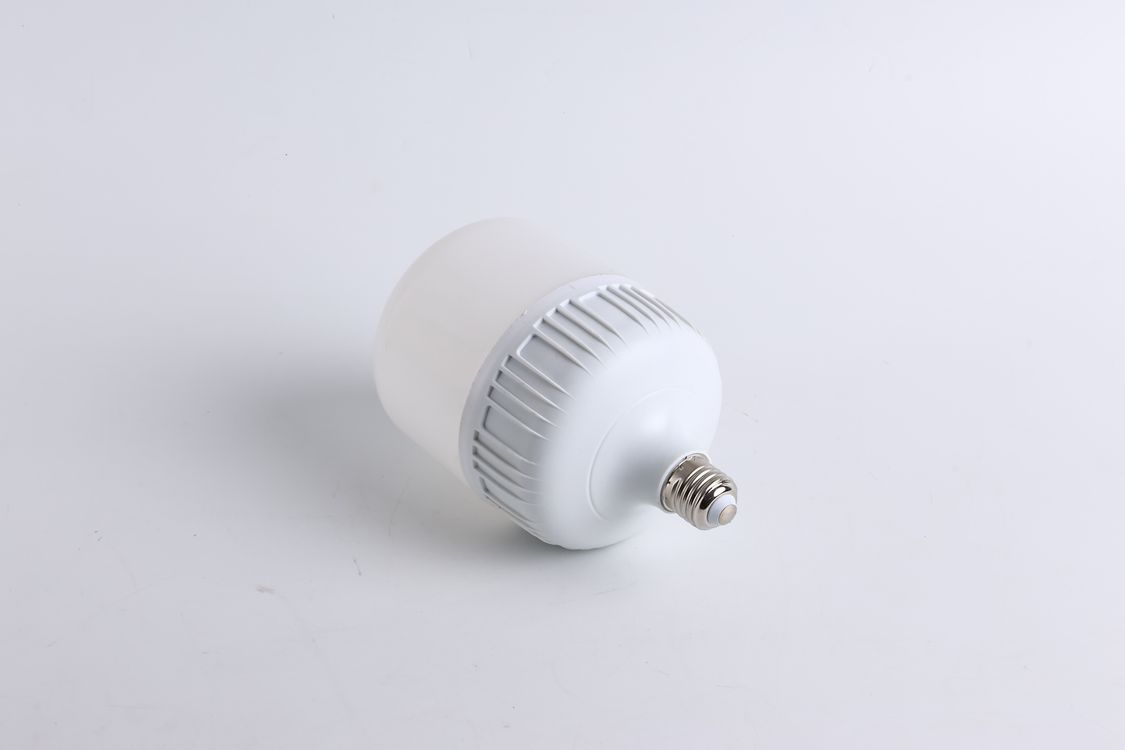
Cover: 村八 里, source photograph, Pexels License. Image unchanged. An LED bulb on a plain surface. Illustrative product context, not a verified Polish model or cap specification.
Buying a replacement bulb in Poland involves several separate checks: the cap, the bulb's physical size, light output, colour temperature, controls and the fixture's limits. A matching screw shape alone is not the whole answer. Nor does a high energy-efficiency class tell you whether the light will be as bright or as warm as you want.
This guide helps you read product information before buying. It gives no installation, wiring, repair or live-work instructions. Manufacturer pages supply examples and compatibility guidance; the European Commission supplies the energy-label framework. Stock photographs illustrate bulbs, not verified Polish product specifications or instructions for handling them.
Keep the cap code with the product identity
Look for trzonek, meaning the bulb's cap or base, and the exact code. Manufacturer information distinguishes codes such as E27, E14 and GU10. These are not merely alternative names for brightness levels or decorative styles; they identify different connection types and sizes.
Use the actual fixture information and compatible bulb specification. Do not assume that two bulbs are interchangeable because their glass or plastic upper sections look similar. A spotlight shape and a cap code answer different questions, just as a candle-shaped bulb can have its own specific connection requirement.
Philips Hue's size guide distinguishes screw-type and other caps and warns that they are not interchangeable. That supports a simple shopping rule: preserve the exact code rather than asking only for a small bulb or a standard bulb. This guide does not suggest adapters or changes to the fixture.
Check the bulb's body size as well as its cap
The cap is only one physical feature. Manufacturer product descriptions can also identify the bulb shape and dimensions. A bulb whose cap matches can still have a body different from the one your fixture was designed to accommodate.
Read the actual size information and any fixture restriction rather than relying on the apparent scale of an online photo. Packaging dimensions are not automatically the dimensions of the bulb itself. Find the field that describes the product before deciding it will fit the available space.
This guide does not promise that every E27, E14 or GU10 product fits every fixture using that cap. Keep the connection, body dimensions and fixture conditions together. If a required measurement is missing, obtain it before assuming that a familiar code settles the whole compatibility question.
Use lumens for light output
Philips explains lumens as a measure of the light emitted by a source, distinct from watts, which describe input power. On Polish product pages, strumień świetlny is the useful term for luminous flux, often shown with lm. It is the field to compare when considering output.
Do not buy solely from an old habit of asking for a certain number of watts. LED packaging may describe an equivalent traditional-bulb output alongside the product's actual power. Those two numbers should not be treated as identical electrical consumption or as two contradictory specifications.
A higher lumen figure describes more light output under the relevant product conditions, not guaranteed illumination everywhere in your room. The fixture and distribution of light still matter. This guide does not calculate a universal number of bulbs for a room or prescribe a lighting design from floor area alone.
Keep watts and equivalence statements separate
A manufacturer may describe a bulb as equivalent to an older lamp of a particular wattage while specifying a much lower actual input power. The equivalence is a comparison of intended light output, not a statement that the LED consumes the older lamp's electrical power.
Read the actual power field when checking the product against the fixture's instructions and limits. Do not substitute a marketing equivalence number for that specification. Equally, a low consumption figure does not cancel other fixture or bulb restrictions.
Avoid importing a conversion table as if it were exact for every technology and model. Philips' examples explain why lumen comparison is more useful for output, but the specification of the product you are buying remains the source of truth. Keep the actual values with the exact model reference.
Read colour temperature independently
Temperatura barwowa refers to colour temperature and is expressed in kelvins, K. Manufacturer guidance contrasts warmer-looking white light at lower quoted values with cooler-looking white light at higher values. The number is not the bulb's physical surface temperature or a brightness rating.
For example, Philips' guidance discusses 2700 K as warm white and higher values such as 4000 K as a different white-light appearance. Use the actual product's value or supported range rather than assuming every bulb described as white has the same colour.
Do not turn these descriptions into medical, sleep or productivity promises. This guide helps you avoid a visibly unexpected replacement, not prescribe a health-related lighting regimen. If you liked the previous light's appearance, record its colour-temperature information separately from its lumens and cap.
Distinguish fixed white from adjustable products
Some products supply one stated white-light colour, while others offer an adjustable white range or coloured light. Philips' product guidance distinguishes these capabilities. A package with several colour or temperature descriptions may be explaining a range rather than contradictory fixed specifications.
Read what the particular product can do and how the chosen setting affects its stated output. Do not assume that every smart bulb offers coloured light, or that every bulb with a warm-white description can change to a cooler white. The actual model determines those functions.
Keep controls in the comparison too. If an adjustable function needs an app, remote or other supported arrangement, establish what is supplied and required. A photograph of a coloured room does not show which components are included with a single bulb purchase.
Confirm how dimming works
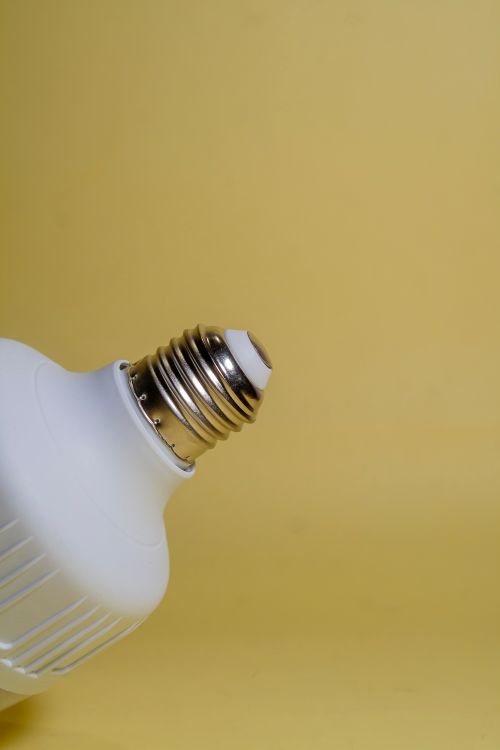
Philips distinguishes standard dimmable LEDs used with a compatible dimmer, SceneSwitch products that change settings through an existing switch, and smart products controlled through an app. It also states that not all LED bulbs can be dimmed. LED is therefore not itself a dimmability promise.
Read the exact product and control compatibility before buying a replacement for a controlled fixture. The word dimmable does not independently establish that every wall dimmer, app or remote will work with it. Manufacturer compatibility information should settle the actual combination.
This guide gives no instructions for changing a dimmer or rewiring anything. If the existing control arrangement is unclear, obtain the fixture and control information or qualified help. A shopping comparison should not silently become an electrical modification project.
Preserve fixture-specific limits
Follow the fixture's stated bulb type, power limits and any other compatibility conditions, together with the bulb's own instructions. A matching cap, acceptable output and preferred colour do not override restrictions elsewhere in the product information.
Where an enclosed fitting, unusual location or particular control system is involved, establish the actual supported use rather than assuming every LED can be used in any setting. This guide does not certify a product from its photograph or make a general claim about heat safety.
If you cannot identify the fixture or read its requirements, do not fill the gap with a familiar brand name. Obtain the missing information before treating a bulb as a supported replacement. The task here is selection, not troubleshooting or a guide to opening an electrical fitting.
Read the current EU energy label
The European Commission explains that the rescaled light-source energy label has used an A-to-G scale since September 2021, with A the most efficient class. It should not be compared directly with an older A-plus-style label as though both scales mean the same thing.
The label also shows energy consumption in kilowatt-hours per 1,000 hours of operation. That is a defined comparison basis, not a promise about your personal annual bill. Your actual use and applicable electricity costs are separate information.
Keep efficiency class and light output distinct. An energy label helps compare efficiency and consumption, but does not independently choose the cap, colour, dimming method or physical fit. A more efficient product can still be the wrong replacement for your particular fixture or preference.
Use the QR code to identify the exact model
The Commission describes the label's QR code as a route to the European Product Registry for Energy Labelling, EPREL. The registry can provide model information including luminous flux, colour temperature and cap type. Match the record to the actual model rather than a similar product name.
That makes the QR code useful when a short retail title leaves out a field. It is not a substitute for reading the fixture's own requirements or for checking control compatibility. A product record can identify the bulb without proving the complete combination in your home.
The Commission also distinguishes light sources from luminaires: the separate luminaire energy-label obligation ended in December 2019, while certain products meeting the definition of a light source can still need that label. Do not assume every complete lamp must carry the same label as a replacement bulb.
Make the comparison in a useful order
Start with the fixture's requirements and exact cap, then check body size, actual power, lumens, colour temperature and the supported control method. Finally compare the energy information and other preferences among products that already meet the basic requirements.
Keep the exact model and these fields together in your shopping note. That is more reliable than remembering only warm LED or a large watt-equivalence number. If someone else is buying, the labelled details give them a clear request without asking them to infer the missing compatibility facts.
A successful replacement purchase is a correctly identified bulb with supported fit and controls, not simply the most efficient letter or the brightest package. Keeping the separate specifications separate makes Polish product pages much easier to use without stepping into installation or repair advice.
Frequently asked questions
Are watts the same as brightness?
No. Manufacturer guidance distinguishes input power in watts from luminous flux in lumens. Read the actual product’s values.
Does every LED work with any dimmer?
No. Philips distinguishes several control methods and says not all LEDs are dimmable. Check the actual product/control compatibility.