Lowest price in 30 days: how to check a Polish discount
Short answer: When a Polish seller announces a price cut it must show the lowest price from the previous 30 days next to the new price, in shops, online and in ads.
A "70% off" label in a Polish shop or web store is not free to invent. Since the Omnibus rules came into force in 2023, a seller who announces a price cut has to show the lowest price from the 30 days before the cut. This guide follows the consumer rights portal of the competition and consumer office UOKiK and its press release of 12 January 2026, as read on 18 October 2026. It helps you check whether a discount is real.

What the seller must show
According to the UOKiK consumer portal, a trader who announces a promotion or sale has to inform about the price cut clearly and in a way that allows price comparison. Whenever the price cut is announced with words such as "discount", "promotion", "markdown" or "bargain", the seller must show, next to the current price, the lowest price that applied in the 30 days before the cut.
Two special cases are listed:
* If the product has been on sale for less than 30 days, the seller shows the lowest price from the start of sales to the cut. * For goods that spoil quickly or have a short shelf life, the seller shows the price before the first application of the cut.
The duty applies to shops, to online sales and to advertising. The portal quotes article 4, paragraphs 2 to 5 of the act on informing about the prices of goods and services.
Why it matters: the Zalando and Temu decisions
On 12 January 2026 UOKiK announced two decisions of its president. They concern the Polish versions of Zalando and Temu, and the fines total nearly 37 million zł.
* Zalando SE of Berlin was fined 30,945,000 zł for two practices that harm collective consumer interests. UOKiK said the lowest price from 30 days was missing in various places and in outside ads, and that when it was shown, it was often changed from day to day without any change in the sale price, which made the discount look bigger. It also said the discount was shown against an "initial" or "regular" price. * Whaleco Technology Limited of Dublin, the company behind the Temu interface, was fined 5,910,900 zł. UOKiK listed three kinds of mistakes: the sale price changed but the lowest price was wrong, both changed and the lowest price was still wrong, and the sale price stayed the same while the lowest price changed from day to day during the same promotion. It also found that the information was sometimes shown for only one size or colour although all were cut.
Both decisions are not final, and the companies can appeal to court, according to UOKiK. UOKiK said Temu stopped the practices during the proceedings. It added that it was running six more proceedings, against Media Markt, Sephora, Glovo, Shell Polska, AzaGroup (the Renee and Born2Be shops) and Jeronimo Martins Polska, and that it had sent over 70 informal letters. Those proceedings are only allegations at this stage.
How to check a discount yourself
* Find the line "lowest price in the 30 days before the reduction". It must sit next to the new price. * Compare the percentage with that figure, not with a "regular" or "recommended" price. UOKiK says the lowest price from 30 days is the reference for calculating the size of a cut. * Check the product page, the basket and any app version, as UOKiK found the information missing in some of them. * Save a screenshot of the page with the price and the date.
If you think a seller is cheating
The UOKiK pages describe the duties of sellers and the president's own proceedings. They do not give a step-by-step complaint route, so ask UOKiK or the consumer ombudsman of your county about the right channel for your case. The material is about Polish rules for sales to consumers and does not address foreigners separately.
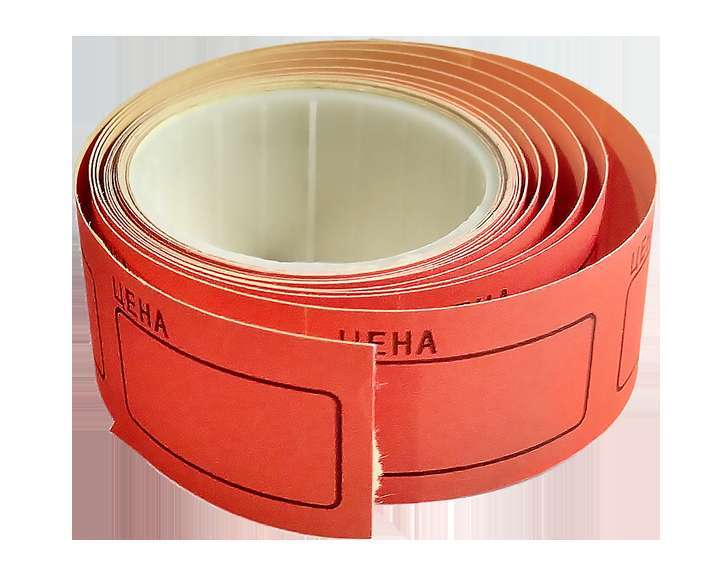
* Photos: price tag roll, Wikimedia Commons (CC0); supermarket shelf, Wikimedia Commons (CC0).
Frequently asked questions
What is the "lowest price from 30 days" label?
It is the lowest price that applied in the 30 days before a price cut, and a seller has to show it next to the lower price when it announces a cut, according to UOKiK.
Does the rule apply to online shops and ads?
Yes. UOKiK says it covers sales in shops, online sales and advertising.
What if a product has been on sale for less than 30 days?
The seller shows the lowest price from the start of sales until the cut.
Were the Zalando and Temu fines final?
No. UOKiK said both decisions are not final and the companies can appeal to court.