How to Make Friends With Polish Parents at Daycare and School
The essentials: Learn the system first (żłobek to age three, przedszkole from three, compulsory zerówka at six, February enrolment). Then work the gate: greet daily, linger at pickup, get added to the class WhatsApp group, contribute to collections, host one playdate. Polish parent friendships form slowly and hold.
Why the school gate matters more than any expat meetup
Ask foreign parents in Poland where they actually made Polish friends and a pattern emerges: it was rarely a language exchange or an internationals group. It was the żłobek corridor, the przedszkole coatroom, the birthday party circuit. Daycare and school are the one social structure in Polish life that puts the same adults in the same room, week after week, for years - exactly the repeated, low-stakes contact that adult friendship requires. For an expat parent, a child's institution is not just childcare. It is the most reliable integration engine you will ever be handed, and it works even if your Polish is weak.
This guide covers the system basics you need to navigate it (with current official sources), then the unwritten social rules, then the specific moves that work.
Know the system first: żłobek, klub dziecięcy, przedszkole, zerówka
Understanding the structure tells you where the parent community lives at each stage. A żłobek (crèche) cares for children from 20 weeks old until the end of the school year in which the child turns three, under the 2011 Act on care for children under three. A klub dziecięcy (children's club) covers roughly the same span, from age one. Both are regulated, staffed by carers whose qualifications the Act specifies, and both come in municipal and private versions - municipal places are far cheaper and far more competed for.
A przedszkole (preschool) takes children from three to six. Preschool education in Poland is regulated by the School Education Act (Prawo oświatowe), and one fact shapes every school-gate conversation: the final preschool year is compulsory. Every six-year-old must complete roczne przygotowanie przedszkolne - the "zerówka" year, either in a preschool or in a preschool class attached to a primary school - before starting school at seven. This means the parent community is complete and settled by the year before school, which is exactly when the birthday-party and playdate networks solidify.
Enrolment is the first thing expat parents miss. In Warsaw, municipal preschool recruitment runs on a fixed annual calendar through an online system: for the 2026/2027 school year, parents of continuing children declared continuation 3-9 February, the offer opened on 10 February, applications were filed online 10-24 February, and documents went to the first-choice preschool by 25 February. Miss the February window and you are into supplementary rounds with whatever places remain - other cities run similar February-March cycles through their own portals. The recruitment period is also, incidentally, the first social filter: parents comparing choices in the same queue are your first natural conversation partners.
Data source: Ministry of Family (gov.pl/web/rodzina) żłobek and klub dziecięcy guidance; Ministry of Education page on six-year-olds in preschool education; City of Warsaw education portal recruitment schedule (edukacja.um.warszawa.pl), all checked October 21, 2026.
The unwritten rules of the Polish school gate
Polish parent culture is warmer inside the circle than it looks from outside it. A few things expats consistently get wrong at first:
The greeting is the price of admission. Polish parents say dzień dobry when entering the coatroom and do widzenia leaving - to the room, not just to people they know. Skipping it marks you as closed; doing it daily, even badly accented, marks you as one of the regulars within a fortnight. It costs nothing and compounds.
Pickup time is the social market. Drop-off is rushed; pickup is where parents linger. Arriving ten minutes early and waiting with the others is the single highest-yield habit in this guide. The first conversations are always about the children - sleep, colds, what the group is doing - which conveniently require only about thirty words of Polish to survive.
The WhatsApp or Messenger group is the real institution. Nearly every Polish preschool class has a parent group chat, run by a parent, where everything actually happens: lost jumpers, birthday invitations, teacher gift collections, the endless who-is-bringing-what for the Christmas performance. Ask at pickup, in whatever Polish you have: "Czy jest grupa rodziców na WhatsApp?" Getting added is the moment you move from parent-at-the-school to parent-in-the-community. Class committees (komitet rodzicielski) and the parent council (rada rodziców) exist formally too, but the group chat is where friendships actually start.
Collections are constant and small. Teacher's Day, the Christmas performance, end of year - the class collects 20-50 zł per family each time, organised through the chat. Contributing promptly and without drama is a quiet trust-builder; quibbling publicly is remembered far longer than the money.
Birthday parties are the proving ground. Polish preschool birthdays run as whole-class or half-class parties, often at play centres (sale zabaw) on weekends, two hours, cake, done. The etiquette: RSVP fast, bring a modest gift (30-60 zł is the understood range for class parties), stay and chat with the other parents - drop-and-go is acceptable for school-age parties but staying is where the adults actually talk. Reciprocate within the year: hosting once, even a modest flat party, repays a season of invitations and puts your family on the map.
The language question, honestly
You can do all of the above with weak Polish, but you cannot do it with no Polish. The realistic minimum: greetings, the thirty-odd words of child small talk (ile ma lat? - how old is he/she?; w której grupie? - which group?; też macie problem z zasypianiem? - do you also have the sleep problem?), and the ability to say plainly "jeszcze się uczę polskiego" - I am still learning Polish. That sentence changes everything. Polish parents respond to visible effort with warmth and, very often, with a switch to whatever English they have. What reads as coldness from outside is usually uncertainty about which language you want; naming the situation removes it.
A practical ladder that parents report working: handle the coatroom greetings in Polish from day one; let the group chat be your reading practice (short messages, forgiving context, and the translate button for the rest); and take the first playground invitations even when conversation will be slow. Nothing builds a parent friendship faster than two tired adults watching the same child on the same climbing frame for an hour.
Concrete moves that work
Volunteer visibly once per term. Every Polish preschool needs parents for the Christmas performance, the spring trip, the class photo day. One afternoon of cutting paper stars with four other parents beats a semester of polite nods.
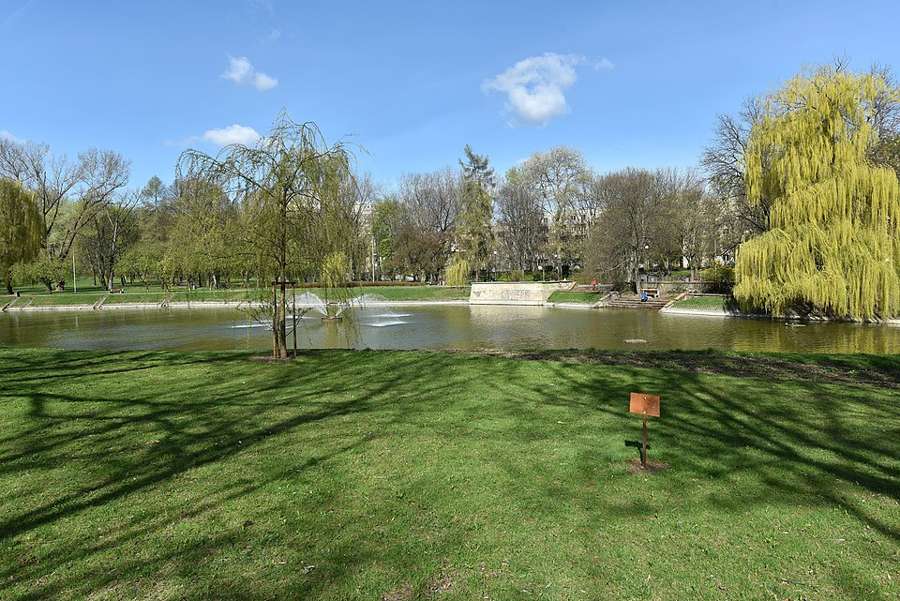
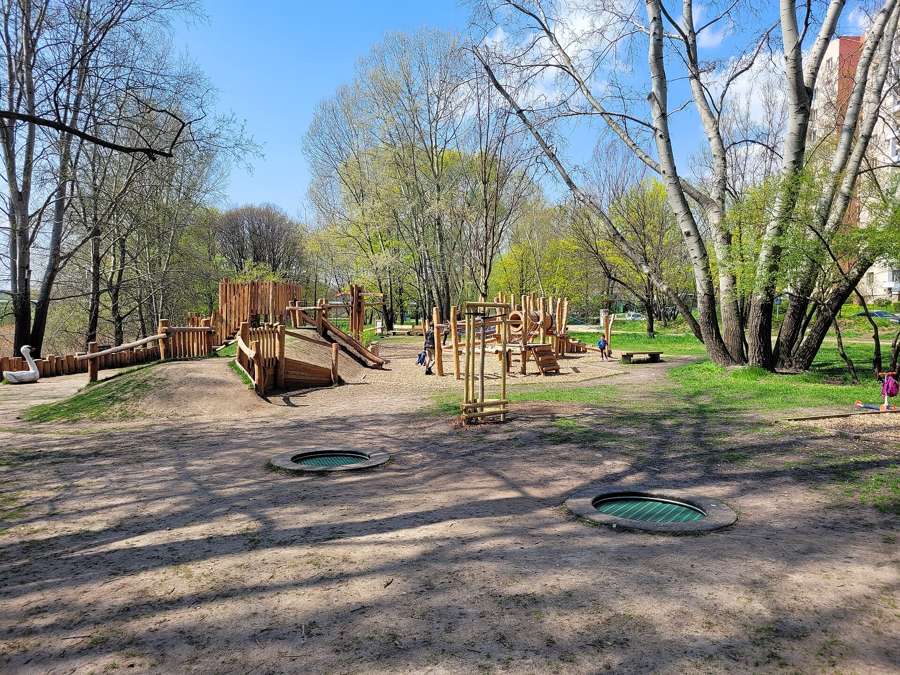
Propose the low-commitment thing. Not dinner - the playground. "Bierzemy dzieci w sobotę na plac zabaw przy Bażantarni, dołączcie jak macie ochotę" (we are taking the kids to the playground on Saturday, join us if you like) is a sentence any parent can say yes to. Weekend playground meetups are the natural habitat of Polish parent friendship, and they cost nothing.
Use the institutions' own events. Open days (dni otwarte) during recruitment, the Christmas performance (jasełka), Children's Day picnics in June, school fairs - these are designed contact, and attending them signals that your family is invested in the place, which Polish parents read correctly as being invested in them.
Let the children do the introduction. Polish parents are no different from parents anywhere: the fastest route to a real conversation is a shared complaint about sleep regression or a shared panic about the recruitment deadline. The children supply both weekly.
Be the family that organises once. One class picnic sign-up, one collected group gift, one coffee after the performance - the parent who organises one small thing per year becomes socially central out of all proportion to the effort, because most parents are grateful someone did it.
The school years: same game, new venues
When your child moves to primary school the structure survives intact - it just relocates. The class still has a group chat (often two, as they fragment and reform), the class still collects for the teacher's gifts, and the parent committee becomes slightly more formal. New doors open: the świetlica (after-school care room) is where younger children wait until pickup and where their cross-class friendships - and yours - form; school trips (wycieczki) need parent volunteers and a day on a bus with twelve seven-year-olds and three other adults creates bonds nothing else quite matches; and the school year's fixed points - the first-day assembly, the Christmas concert, sports days, the June fair - give the calendar its familiar rhythm.
One difference to expect: school parents meet less often at the gate than preschool parents do, because children increasingly walk or ride home alone or with the świetlica. The social weight shifts decisively to the group chat and to organised events, so being reliably present in the chat - answering, contributing, occasionally initiating - matters more than at the preschool stage. Parents who go quiet in the school years describe the same cause every time: they left the chat on mute and never came back.
What not to expect
Two calibrations save disappointment. First, Polish parent friendships form slowly by some cultures' standards and then hold very firmly - expect a term of acquaintance before real invitations, and do not read the early reserve as rejection. Second, the friendships form through the children and stay anchored there: playdates, birthdays, the shared logistics of childhood. That is not a limitation. It is the structure, and it is durable - the parents standing with you at the zerówka performance in June are, statistically, the same ones standing with you at the first school assembly two Septembers later, and by then you are old friends.
Frequently asked questions
Is preschool compulsory in Poland?
One year of it is. Every six-year-old must complete a year of preschool preparation (roczne przygotowanie przedszkolne, often called zerówka) before starting primary school at seven. Attendance in earlier preschool years (ages three to five) is optional but very common.
When is preschool enrolment in Warsaw?
The main round runs in February through the city's online recruitment system - for 2026/2027, applications were open 10-24 February with documents due at the first-choice preschool by 25 February. Parents of continuing children declare continuation in early February. Miss it and you enter supplementary rounds for remaining places.
How do I find my child's class parent chat?
Ask any parent at pickup: "Czy jest grupa rodziców na WhatsApp?" Most Polish preschool and school classes have a parent-run WhatsApp or Messenger group where invitations, collections and logistics actually happen. Being added is the practical moment of joining the parent community.