Making Friends in Poland 101: How to Build a Social Life as an Expat
The essentials: Polish social life is circle-based, so friendships grow through repeated contact: join a Polish course, a recurring sports or hobby group, language exchanges and volunteering, then reciprocate invitations. Expect close friendship in a year or two, not a month.
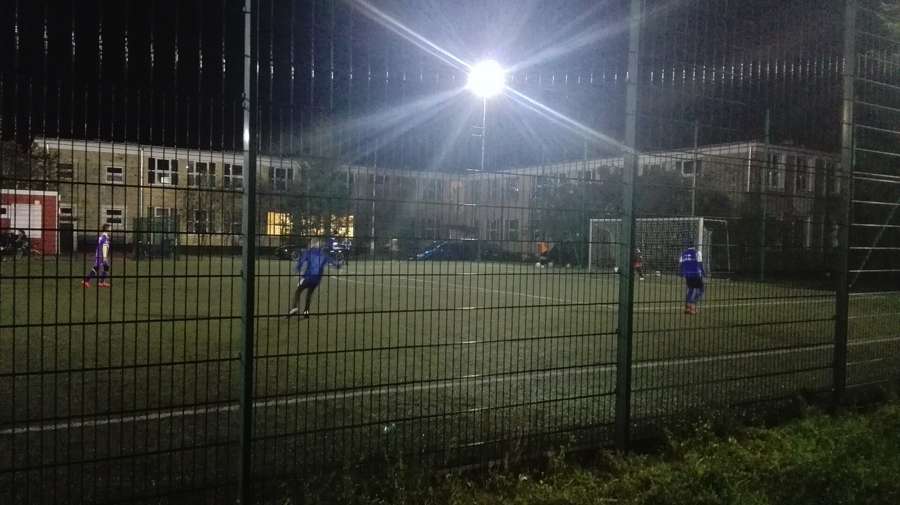
Every expat guide tells you where to register and how to pay taxes; almost none prepare you for the quietest challenge of moving to Poland: building a social life from zero. Polish friendship culture is warm but structured - networks form through schools, workplaces and long-standing circles, and newcomers are welcomed in rather than picked up casually. The good news: the same research that shows why this is hard also shows exactly where to start.
Why this needs deliberate effort
Loneliness is rising in Poland, and the risk factors read like a description of a newly arrived expat. In CBOS's November 2024 study on social bonds, 8% of adult Poles said they feel lonely very often or always - double the 4% recorded in 2017. The feeling is most common in big and very big cities (17% and 12% report at least very frequent loneliness), among singles (16%), among people living alone (18%), and among the young - being under 34 is itself a risk factor. Students reported the highest rate of any occupational group at 17%.
A foreign professional arriving alone in Warsaw or Krakow stacks several of those factors at once, without the family-and-old-friends buffer most Poles carry. Treat social life as a project for the first months, not something that happens by itself.
Data source: CBOS research communication no. 115/2024, "Kto jest najbardziej narazony na samotnosc?" (cbos.pl, 15 November 2024), checked 21 October 2026.
How Poles socialize
Understanding the local pattern saves months of frustration. Poles overwhelmingly prefer spending free time with other people - most often close family and friends, according to the same CBOS study - but that social life is largely private and circle-based. It happens in homes, at regular small gatherings, in long-standing groups formed at school, university or work. The 2025 CBOS relationships study underlines it: the most common way Poles met their current partner was at a private party or a gathering with friends (24%), ahead of school (17%) and work (15%).
The practical consequence: your entry ticket is not a bar or a random chat - it is an invitation into someone's existing circle. Those invitations come from repeated, low-pressure contact: the same faces at the same running group, course or office kitchen, week after week. Poles may seem reserved with strangers at first; that is boundary-keeping, not coldness, and it thaws with familiarity.
Data sources: CBOS research communications no. 115/2024 and no. 57/2025 (cbos.pl), checked 21 October 2026.
Learn Polish - the multiplier
Nothing changes your social trajectory like Polish. You do not need fluency: a basic course puts you in a room with other learners (instant acquaintance pool) and signals respect that Poles genuinely register. Options include university language centers, private schools, municipal cultural centers with cheap group courses, and free tandem exchanges where you trade English for Polish conversation. Even imperfect Polish moves you from "foreigner being accommodated" to "person making an effort" - and group courses, conversation clubs and tandem meetups double as ready-made weekly social fixtures.
Where expats actually meet people
The channels that consistently work:
- Sports with a recurring slot. Amateur football leagues on the municipal Orlik pitches, running clubs (every big city has several, usually free), climbing gyms, volleyball and ultimate frisbee groups. Sport crosses the language barrier and creates the repetition friendship needs.
- Language exchanges and conversation clubs. Weekly, structured, and full of Poles who actively want to meet foreigners - the single highest-yield room for a newcomer.
- Hobby groups. Board-game cafes, dance courses (salsa and bachata scenes are large in big cities), photography walks, choir, hiking clubs (PTTK groups welcome newcomers on weekend mountain trips).
- Volunteering. From animal shelters to festival crews and Szlachetna Paczka (the Noble Gift charity drive before Christmas) - volunteering plugs you into organized groups with a purpose.
- Work. Polish workplaces socialize through coffee kitchens, name-day cakes and occasional integration events; accept the invitations even when tired.
- Expat communities. Facebook groups, InterNations, Meetup and nationality-specific communities are excellent first ports - just treat them as a bridge into Polish circles rather than a permanent bubble.
From acquaintance to friend
Polish friendship deepens through reciprocity and ritual. Move from pan/pani to first names when the other side proposes it (our etiquette guide covers the details). Accept home invitations, bring flowers or wine, and return the invitation within a reasonable time - the return invite is how an acquaintance becomes a friend here. Remember name days. Show up consistently: in Polish social accounting, reliability beats charisma. And expect friendship to be fewer but deeper - a Polish przyjaciel (close friend) is a serious designation, distinct from the wide circle of znajomi (acquaintances), and reaching it usually takes a year or two, not a month.
City notes
Warsaw has the largest international scene and the highest anonymity - you must seek out groups, but every niche exists. Krakow and Wroclaw combine big student populations with compact centers, so scenes overlap and repeat contact happens naturally. The Tri-City adds a sailing and seaside dimension to hobby life. Poznan and Lodz are smaller, less international, and reward Polish skills faster. Outside the big cities, local sports clubs, parish-adjacent community events and the PTTK become the main doors in - and Polish becomes close to essential.
If you work remotely
Remote workers carry an extra risk the CBOS data makes visible: people living alone report very frequent or constant loneliness at 18%, and remote work removes the office as a daily source of contact. Polish cities have an answer in their dense coworking scenes - Warsaw, Krakow, Wroclaw and the Tri-City all run hubs where a hot desk buys you colleagues-by-choice, kitchen small talk and after-work events. Even two or three coworking days a week restores the repeated-contact rhythm that friendship needs. If a membership is out of budget, cafes with a regulars culture and municipal libraries serve the same purpose at the price of a coffee.
Data source: CBOS research communication no. 115/2024 (cbos.pl), checked 21 October 2026.
Flatmates, family and the first circle
Your first social infrastructure is whoever you live with. Flat-sharing - common among young professionals and students in Polish cities - puts you inside a household's routines and guest flow from day one, and Polish flatmates frequently become the bridge to their own circles. Students have it easiest: dormitories, Erasmus networks and student organizations generate contact automatically, and ESN sections run constant events open to international students. If you moved with a partner or family, the risk profile reverses - the CBOS study found marriage the most protective arrangement against loneliness (4% feel lonely often) - but one partner's social life cannot carry two people; each of you still needs separate circles, which usually means separate activities.
Data source: CBOS research communication no. 115/2024 (cbos.pl), checked 21 October 2026.
A realistic 90-day plan
- Weeks 1-2: sign up for a Polish course and one recurring sports or hobby activity; join the main expat and city Facebook/Meetup groups.
- Weeks 3-6: go every week, same activity, same time; accept every invitation; organize one small thing yourself (a picnic, a board-game evening).
- Weeks 7-12: start reciprocating - host, bring the cake, join a volunteering event; propose first-name terms when the moment is right; trim activities to the two or three with the best people.
The metric is not the number of contacts but whether your week now contains repeated faces. That is how circles form - in Poland as anywhere. And if months pass and the loneliness still sits heavy, treat it as a solvable logistics problem rather than a personal failure: the 2024 CBOS data shows you are sharing a city with tens of thousands of people in the same position, many of them in the same running groups and language courses, waiting for someone else to organize the first meeting. Be the one who organizes it.
Frequently asked questions
Is it hard to make friends in Poland as a foreigner?
It takes deliberate effort: Polish social life is circle-based and private, so friendships grow through repeated contact in courses, sports and workplaces rather than spontaneous chats. Big cities are paradoxically the loneliest - CBOS found in 2024 that 17% of large-city residents feel lonely at least very often.
Do I need to speak Polish to have a social life in Poland?
Not to start - language exchanges, sports and expat communities work in English. But even basic Polish multiplies your options and is read as respect; a group course is also itself a ready-made social circle.
Where do expats in Poland usually meet people?
Recurring sports (football on Orlik pitches, running clubs, climbing), language exchanges, hobby groups, volunteering, work, and expat communities on Meetup and Facebook - with the last of these best used as a bridge into Polish circles.
How long does it take to make real friends in Poland?
Expect a year or two for close friendship. Poles distinguish przyjaciele (close friends) from znajomi (acquaintances), and the move from one to the other runs on consistency, reciprocity and time.