Polish Social Etiquette 101: Customs and Habits Foreigners Should Know
The essentials: Stay formal (pan/pani) until invited to first names, never visit a home empty-handed, bring an odd number of flowers, remember name days, and accept at least a small portion of whatever a host serves.
Polish etiquette is not a minefield, but it has its own logic: a little more formality than the US or UK, a lot more hospitality than most of Europe, and a set of small rituals - from flowers to name days - that Poles notice immediately. Learn a dozen habits and daily life gets markedly warmer. Here is what actually matters for foreigners living in Poland.
Greetings: formal first, warm later
First meetings run formal. A handshake with eye contact is the default in business and when meeting anyone new; close friends hug, and women who know each other often kiss on the cheek. The bigger adjustment is linguistic: Polish distinguishes pan/pani (Mr/Ms) from the informal ty. Adults who do not know each other use pan/pani plus first name - "panie Tomaszu", "pani Anno" - until someone explicitly proposes moving to first names, usually the older or senior person. Jumping straight to ty with a stranger, a clerk or a partner's grandmother reads as brash; erring formal never offends.
Titles matter too. Doctors, engineers, professors and managers are often addressed by title - "panie doktorze", "pani manager" - and in offices and official letters this is standard, not stuffy. When in doubt, mirror what you hear.
In a Polish home: the hospitality machine
Being invited to a Polish home is the centerpiece of the culture, and it comes with expectations on both sides. Bring something: flowers for the hostess (an odd number of stems - even numbers are for funerals - and avoid chrysanthemums, which are cemetery flowers), a bottle of wine or a box of chocolates. Take your shoes off at the door unless the host insists otherwise; most hosts will offer slippers.
Then prepare to be fed past the point of reason. Refusing food entirely is the one real faux pas of a Polish visit - hosts experience an unfed guest as a personal failure. The workable strategy is small first portions and genuine compliments, because second helpings will appear regardless. Toasts at family tables often start with the host; "na zdrowie" (to health) with eye contact is the safe universal one.
Name days, birthdays and the calendar
Poles celebrate imieniny - name days - alongside birthdays, and in many families and offices the name day is the bigger event. Every Polish first name has its date in the calendar; colleagues bring flowers or sweets, and the celebrated person often brings cake for the office. Forgetting a close friend's name day is noticed. Put your Polish friends' imieniny in your calendar next to their birthdays and you will look unusually thoughtful.
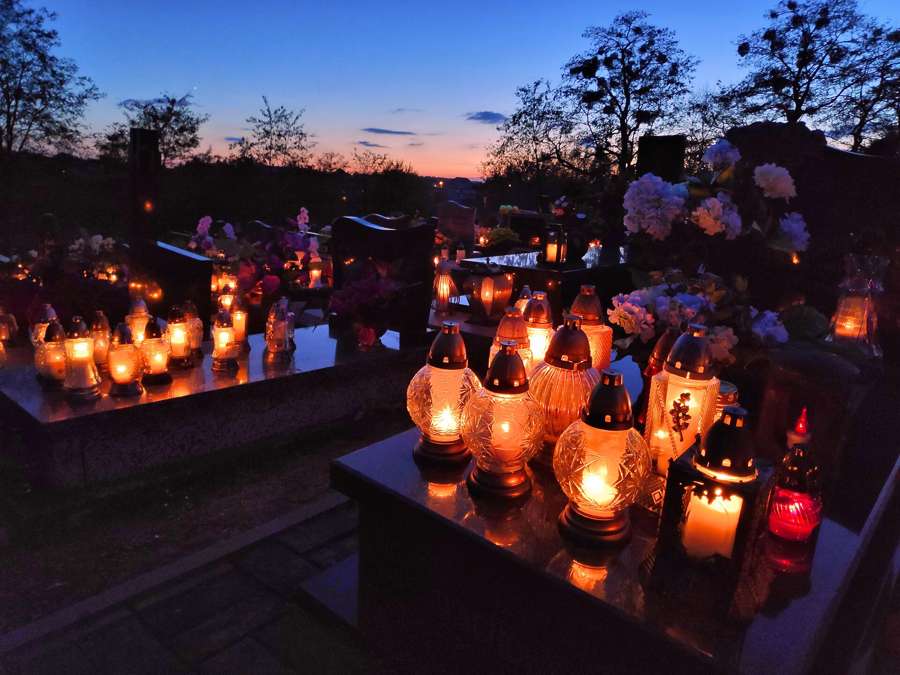
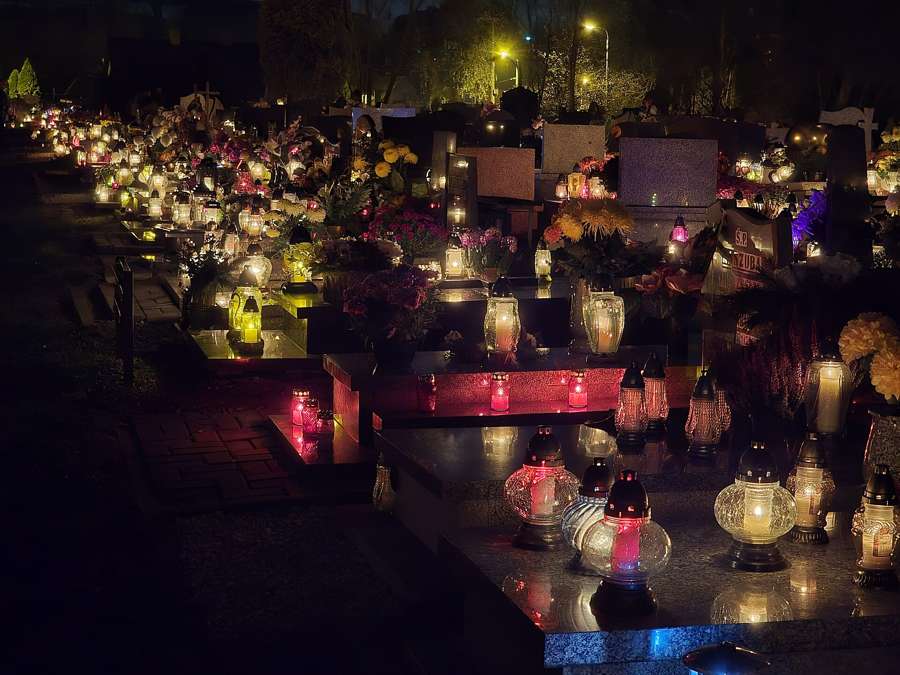
Other dates shape social life: All Saints' Day on 1 November empties the cities as families visit cemeteries - a candle-lit, moving spectacle, but not a party occasion; Christmas Eve (Wigilia) is a private family event whose invitation is a genuine honor; and Andrzejki at the end of November is the classic party night for singles.
Everyday public manners
- Queues are respected. The "last person?" (kto ostatni?) question organizes informal queues at clinics and offices; ask it and you are in line.
- Shops greet back. A simple dzien dobry on entering a small shop and do widzenia on leaving is normal politeness.
- Public transport has rules of honor. Giving up a seat to the elderly, pregnant women and parents with small children is expected and noticed.
- Volume. Poles speak more quietly in public than Americans and more directly than the British; loud phone calls on the tram draw looks.
- Punctuality. Arrive on time for business and about five to ten minutes after the stated time for a home dinner - exactly on the dot can catch a host mid-preparation.
Conversation: directness, complaints and history
Small talk in Poland is less sugary than Anglo small talk. Poles complain freely - about weather, politics, prices - and this is bonding, not hostility; do not mistake it for pessimism or try to fix it. Direct questions about salary or rent that would be rude in London are ordinary among Polish friends. Two topics deserve care with people you do not know well: politics, which is genuinely polarizing, and the Second World War, whose history in Poland is both sacred and complicated. Religion runs from devout to secular, often within one family; follow the other person's lead.
Hospitality is reciprocal. Once you have been fed at someone's home, return the invitation within a reasonable time - a dinner, a coffee and cake, or at minimum a thoughtful gesture. Polish friendship accounting is informal but real, and the return invitation is how an acquaintance becomes a friendship. Humor helps everywhere: Polish wit is dry, self-deprecating and quick, and a foreigner who laughs along rather than translating literally is instantly easier company.
Compliments about the country land well and are usually meant sincerely - Poles are self-critical but proud of hospitality, food, resilience and the transformation of the last three decades.
In the office
Workplace culture blends formal address with direct debate. Meetings start on time; email and official correspondence use formal openings; hierarchy exists but junior staff are expected to argue their case. The famous Polish workplace ritual is the imieniny or birthday round of handshakes and cake. Lunch is often a quick milk-bar or canteen affair rather than a long sit-down, and leaving on time is unremarkable - work-life boundaries are taken seriously.
The short list that covers 90% of situations
1. Learn dziekuje (thank you), prosze (please/here you go), dzien dobry and przepraszam (sorry/excuse me) - four words that transform daily interactions. 2. Formal address until invited otherwise; let the older or senior person propose first names. 3. Never arrive at a home empty-handed; odd number of flowers, shoes off at the door. 4. Eat what you are served, at least a little; praise the food. 5. Remember name days as well as birthdays. 6. Complain along a little; do not oversell optimism. 7. Give up your tram seat; ask "kto ostatni?" at the clinic. 8. Keep politics and wartime history for people you know well.
None of this is enforced, and Poles extend enormous goodwill to foreigners who try. The effort, not perfection, is what registers.
Food, drink and the table
The table is where Polish hospitality becomes ceremonial. Traditional welcomes still feature bread and salt (chleb i sol) at weddings and formal receptions. Family feasts run long and multi-course; at Christmas Eve supper, tradition calls for twelve meatless dishes, and trying a bit of each is the polite marathon. When vodka appears at a celebration, toasts are collective and sipping is acceptable - nobody respectable enforces bottoms-up drinking anymore, but refusing every toast while others drink to your health reads as distance. A simple "na zdrowie" and a small sip keeps you inside the ritual.
Restaurant manners are unremarkable by European standards: wait to be seated in nicer places, tipping around 10% for good service is customary, and saying "thank you" when handing cash can be taken as "keep the change" - say "please" instead if you want coins back.
Sundays, holidays and the rhythm of the week
Polish social time is structured by the calendar in ways that surprise newcomers. Most Sundays are non-trading by law - shops stay shut, families walk, visit, or eat a long Sunday lunch, and invitation season peaks in holiday periods. All Saints' Day on 1 November is the most visually striking: cemeteries fill with candles and flowers as families tend graves, and the evening walk through a glowing cemetery is one of the country's shared rituals - attend quietly and respectfully if invited. Understanding this rhythm explains why a Polish colleague may guard Sunday family lunch as untouchable, and why last-minute Sunday plans often fail.
Data source: Poland's Sunday trading restrictions and public-holiday framework, as detailed in our public holidays guide, checked 21 October 2026.
Frequently asked questions
Do I have to speak formally to everyone in Poland?
Only at first. Use pan/pani with strangers, officials, older people and anyone senior; switch to first names when invited, typically by the older or more senior person. With peers your age in casual settings, first names often come immediately.
What should I bring when invited to a Polish home?
Flowers for the host (odd number of stems, no chrysanthemums), wine or chocolates. Arrive five to ten minutes after the stated time, take your shoes off at the door unless told otherwise, and accept at least a small portion of what is served.
What is a name day and does it really matter?
Imieniny are the calendar days assigned to each first name, celebrated like a second birthday with flowers, cake and wishes. Among family, friends and colleagues they genuinely matter - remembering them is one of the easiest ways to make a good impression.
Is it rude to refuse food in Poland?
A flat refusal reads as a slight to the host. The polite move is to accept a small portion, compliment it, and slow down - second helpings appear automatically, so pace yourself from the start.