Majonez and Chrzan in Poland: Read the Jar, Not the Picture
The essentials: Read the full name and declared ingredients. Prepared horseradish is not the same product as mayonnaise sauce with horseradish. Official examples of different root percentages are comparisons, not universal legal minima.
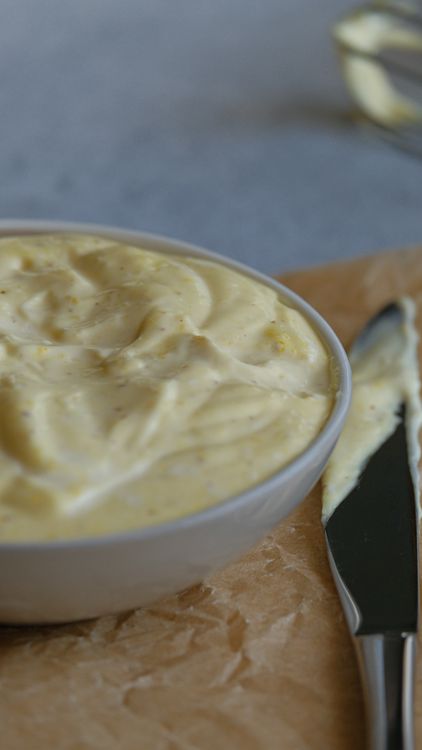
Cover: Merve, source photograph, Pexels License. Image unchanged. A bowl of homemade mayonnaise on a board with a spreading knife. Illustrative context, not a verified retail recipe.
A jar labelled majonez and a jar of chrzan can look reassuringly familiar even when you are still learning Polish. Yet a creamy colour, a large root picture or a homemade-style name tells you less than the actual product description and ingredient percentages. The useful shopping question is what the jar declares, not what its illustration makes you imagine.
This guide covers mayonnaise and prepared horseradish as products. It does not set a universal recipe, rank brands, give medical advice or tell you how to preserve a homemade sauce. The photographs illustrate mayonnaise and a horseradish plant; they are not verified retail labels or evidence of Polish origin.
Start with majonez and chrzan
Majonez means mayonnaise. Chrzan means horseradish. These words are a starting point, but the full name can describe a sauce, a horseradish preparation or another mixture rather than the product you first expected.
The Polish quality inspectorate's April 2025 guide addresses this exact shelf problem. It advises reading ingredients and the actual declared proportions rather than relying on the main picture. A jar with horseradish imagery can contain a different kind of preparation from a jar made primarily around the root.
Keep the full name when making a shopping list or ordering online. A request for prepared horseradish should not silently become a mayonnaise sauce containing horseradish. They may both be useful condiments, but they are not automatically the same purchase.
Read the root percentage on horseradish preparations
The inspectorate gives examples of products declaring different quantities of horseradish root, including 40 percent and 80 percent. Those examples show why comparing the actual percentage is useful. They do not establish a universal minimum for every product called horseradish.
Look for korzeń chrzanu and the associated quantity in the ingredient information. Read the basis actually declared. Do not assume that two jars contain equal root proportions because both put chrzan in large letters or have similarly pale contents.
A percentage tells you something specific about composition, not everything about the eating experience. This guide does not promise a particular heat level, texture or suitability for a dish from the root proportion alone. It helps you identify a difference that the product itself declares.
Distinguish horseradish from a sauce containing it
A mayonnaise sauce with horseradish is a different description from prepared horseradish root. Read whether the full name describes sos majonezowy z chrzanem or another mixture. The added words are not small print to ignore; they can explain the main product.
The inspectorate also draws attention to the difference between actual ingredients and a flavour created largely through aroma. If your reason for buying is the presence of the root, inspect that ingredient rather than treating a horseradish-flavoured presentation as a guarantee of a particular root quantity.
Do not call every such mixture misleading. The consumer task is to establish what is offered and whether the description makes sense. A clearly described sauce can be an appropriate purchase when it is the sauce you want, not an unwanted substitute for another preparation.
Read mayonnaise by its actual ingredients
The inspectorate's mayonnaise discussion points shoppers towards the ingredient list and declared composition. Oil and egg-related ingredients are useful things to identify, but this guide does not impose an unsupported universal oil or egg minimum on every product.
A front photograph of an egg does not establish that fresh shell eggs were broken at the production site. Read how the egg ingredient is described. The same approach applies to other ingredients suggested by pictures or traditional styling.
Keep a composition question separate from a general dietary verdict. A jar's recipe is not a medical recommendation. This article does not repeat a full nutrition-table or allergen tutorial; it focuses on the product-specific distinctions that help you select the condiment actually intended.
Treat light as a comparison, not a recipe name
The inspectorate discusses light products and the relevant reduction comparison. The important shopping point is that a light description should not be read as a promise that every product with that word has the same composition or taste.
Check what the manufacturer says has been reduced and what product information supports the claim. Do not infer that a light mayonnaise-style product contains no fat, no sugars or no energy. Nor should the word be used as a substitute for the actual product designation.
For a comparison between two jars, keep the product type and quantity aligned first. This guide does not provide a separate nutrition lesson or choose a preferred diet. It prevents a relative claim from being mistaken for a complete description of what is in the jar.
Read mixed preparations as mixed preparations
Horseradish can appear with other ingredients or in a sauce whose name explains the combination. Read all of the description instead of reducing it to the one recognisable word. A preparation selected for its colour or photograph may not be the plain product someone requested.
If your list specifies a particular variant, preserve that detail. The difference is especially easy to miss when similar jars sit together or when an online retailer places several products in one broad condiment category.
Ask whether a substitution is acceptable when buying for someone else. There is no need to turn an ordinary grocery decision into a technical dispute, but neither should a recipe change be hidden by calling every pale sauce mayonnaise or every pungent mixture horseradish.
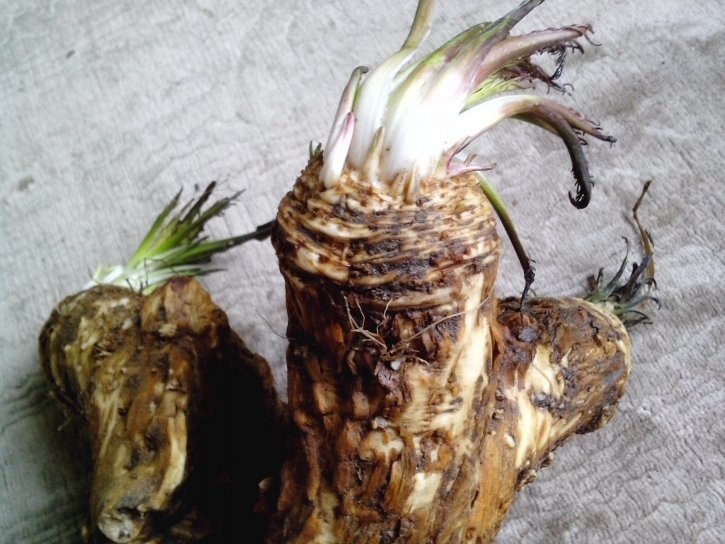
Pictures cannot certify the recipe
A whole horseradish root on the label is a prompt to check the root ingredient and quantity. A whisk, a farm scene or a cracked egg can suggest a preparation style without describing every ingredient or processing step.
The inspectorate's guidance is useful because it brings the decision back to concrete information. Read the actual name, ingredient wording and percentages. Do not claim a factory method, local origin or household production from graphic design alone.
This also applies to the photographs in editorial guides and online stores. A stock bowl of mayonnaise is an illustration, not evidence that a particular brand has the same formula. Keep illustrations and product-specific declarations separate when explaining a purchase to someone else.
Check the exact jar size and version
Read net quantity rather than judging the jar by height or the area of the label. Similar-looking containers can hold different amounts. The percentage of root or another ingredient is not the same number as the net mass you are buying.
An invented comparison illustrates the distinction: two jars can both declare the same root percentage while holding different quantities of finished product. Conversely, equal-sized jars can have different declared root proportions. Neither example describes a current brand.
For an online order, match the title, size and readable label image. If one says mayonnaise while another describes a sauce, do not simply choose the more familiar interpretation. Save the conflict and ask which version is supplied.
Follow the actual storage instructions
Storage conditions and instructions after opening belong to the specific product. Do not copy a number of days from a different brand or assume that every jar has the same handling directions because the product name is similar.
This article offers no universal refrigeration period, preservation method or safe way to rescue an unfamiliar sauce. The label and the actual product circumstances matter. A composition guide should not quietly become a food-safety assurance.
If the jar is shared in a household, keep its identity and relevant instructions available. Moving a condiment into an unlabelled serving container can remove the distinction between plain horseradish, mayonnaise and a mixed sauce. A clear description avoids an unnecessary surprise.
Ask the seller about a specific uncertainty
A useful question names the issue: What percentage of horseradish root is declared? Is this prepared horseradish or mayonnaise sauce with horseradish? Does this image show the current version? Is the egg ingredient described on the label available to read before ordering?
These questions are more effective than asking whether a product is authentic without defining what you mean. They also avoid an unsupported accusation based on a front picture. If a concern needs review, preserve the readable label, identification and proof of purchase.
Do not claim that taste proves a precise root percentage or that colour proves a particular oil. Those require product evidence beyond a casual impression. This guide helps organise the information available to a shopper, not perform a laboratory assessment.
Build a short repeatable comparison
First read the complete product name. Then find the key ingredient you care about and its stated proportion. Distinguish the base condiment from a sauce containing it, check the actual jar quantity and use the remaining instructions for their own purpose.
There is no need to memorise a made-up minimum for mayonnaise or horseradish. The April 2025 official examples are a reason to compare real jars, not a legal recipe to apply to every product on the shelf. A more detailed name can be informative rather than inconvenient.
The result is a practical purchase: the condiment you intended, in the version and quantity you understood. It leaves dietary decisions, food-safety concerns and brand preferences as their own questions instead of pretending a rustic label, a familiar colour or one large word can settle all of them.
Frequently asked questions
Does every horseradish product have to contain 80 percent root?
The official guide uses different root percentages as examples, not a universal minimum. Read the actual jar and full product description.
Is mayonnaise sauce with horseradish the same as prepared horseradish?
No. They describe different preparations. Read the complete name and ingredients before treating one as a substitute for the other.