A Medical Emergency in Poland When You Don't Speak Polish
The essentials: In a life-threatening emergency in Poland call 999 for the ambulance dispatcher or 112, the EU-wide number. Calls are free. For urgent but not life-threatening problems outside clinic hours, night and holiday care works from 18:00 to 08:00 on weekdays and around the clock on weekends, with no referral needed.
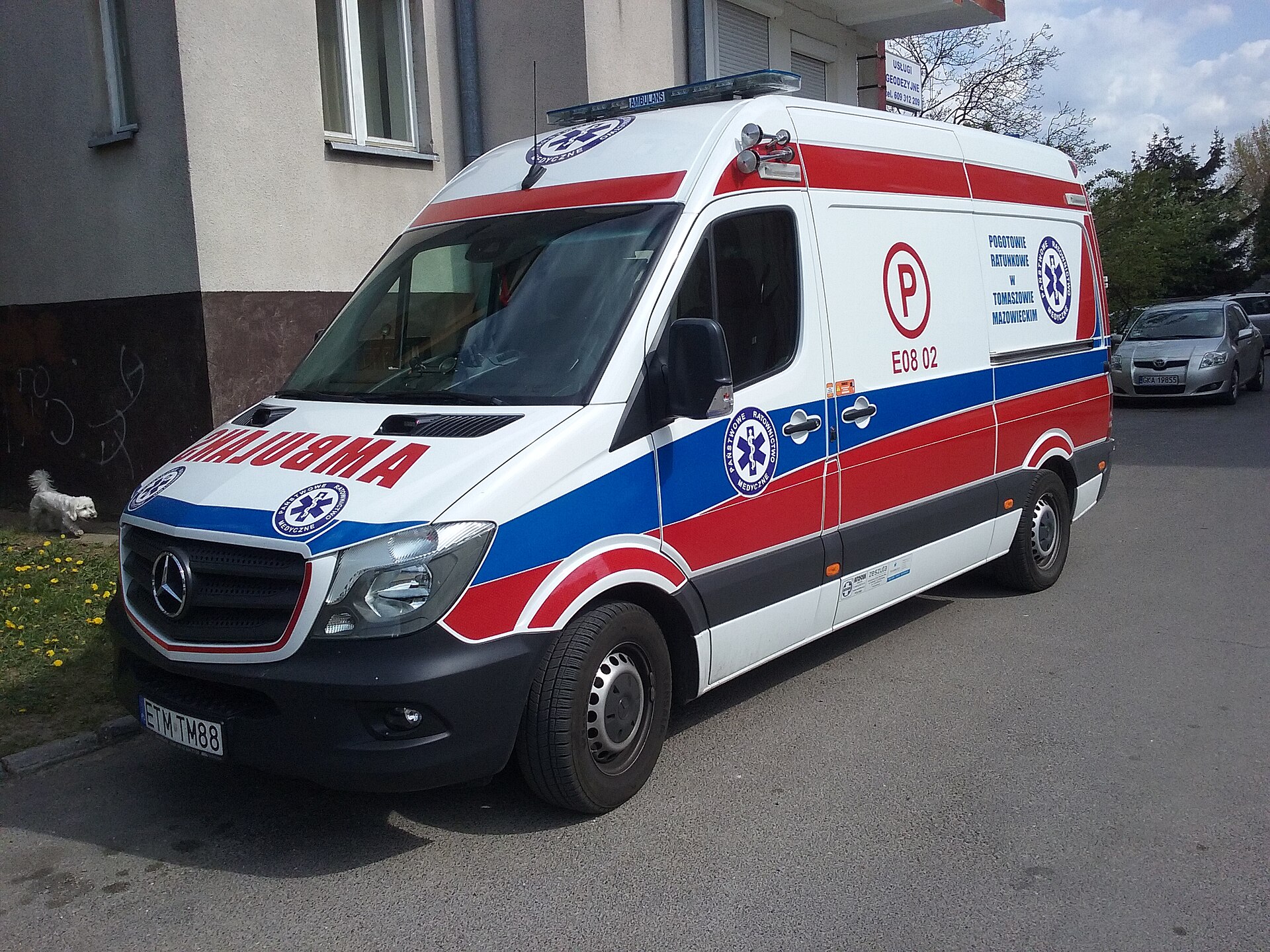
A medical emergency is stressful enough in your own language. In a country where the dispatcher, the paramedics and the hospital forms all work in Polish, it helps enormously to know the system before you need it. Poland's emergency care is well organised once you understand the three doors: the phone numbers, the hospital emergency department, and night and holiday care for everything in between. This guide is based on the Ministry of Health and NFZ patient portal, pacjent.gov.pl, checked on 21 October 2026.
What to know: the single most useful thing you can do today is save two numbers, 999 and 112, and the address of your nearest night and holiday clinic. Everything below makes those three things work for you.
The two numbers: 999 and 112
If life or health is in immediate danger, Poland has two emergency numbers. 999 is the ambulance number: the call is answered directly by a medical dispatcher. 112 is the single European emergency number, valid across the EU, for threats to life, health and property; its operator talks to you and then alerts the right service, ambulance, fire brigade, police or water rescue, or connects you directly. Calls to emergency numbers are free no matter how long they last, and the dispatcher will tell you when you can hang up, so stay on the line until they clearly say so. Keep the phone you called from free afterwards: until the ambulance arrives, it is the crew's only way to reach you.
Call only in genuine emergencies. The system is for situations of direct threat to life or sudden events that could cause serious damage to bodily functions, injury or death. The official list of examples includes loss of consciousness, disorientation, seizures, sudden severe chest pain, heart rhythm disturbances, severe breathlessness, sudden severe abdominal pain, persistent vomiting especially with blood, severe allergic reactions, poisoning, extensive burns, heatstroke, electrocution, drowning, a suicide attempt, a fall from height, or a limb injury that prevents moving independently. After assessing the situation, the medical dispatcher can refuse to send an ambulance, giving the reason and instructions for what to do instead.
Data source: pacjent.gov.pl emergency calling pages, updated 21 October 2026.
What the dispatcher will ask, and how to answer without Polish
Knowing the script in advance is your best language tool. The dispatcher asks, in order: what happened; where it happened, with the exact address including street, building number, commune, district and voivodeship, because Polish place names repeat; how many people are hurt; the casualty's condition, whether they are moving and breathing; the casualty's name and approximate age; your name; your phone number, which goes to the ambulance crew; how to get there, with landmarks such as a school or church; and whether someone will wait for the ambulance.
The practical advice for callers without Polish: stay calm, do not shout and do not rush the dispatcher, answer the questions, and follow instructions. If your Polish is limited, say clearly that you speak English and answer in short, simple sentences: the facts above, in order, are exactly what the dispatcher needs. The 112 service is the EU-wide number designed for exactly this situation, since a caller may not know which national service to reach. Have your street address and building number written down somewhere you can read aloud; pronunciation matters less than the numbers.
Data source: pacjent.gov.pl emergency calling pages, updated 21 October 2026.
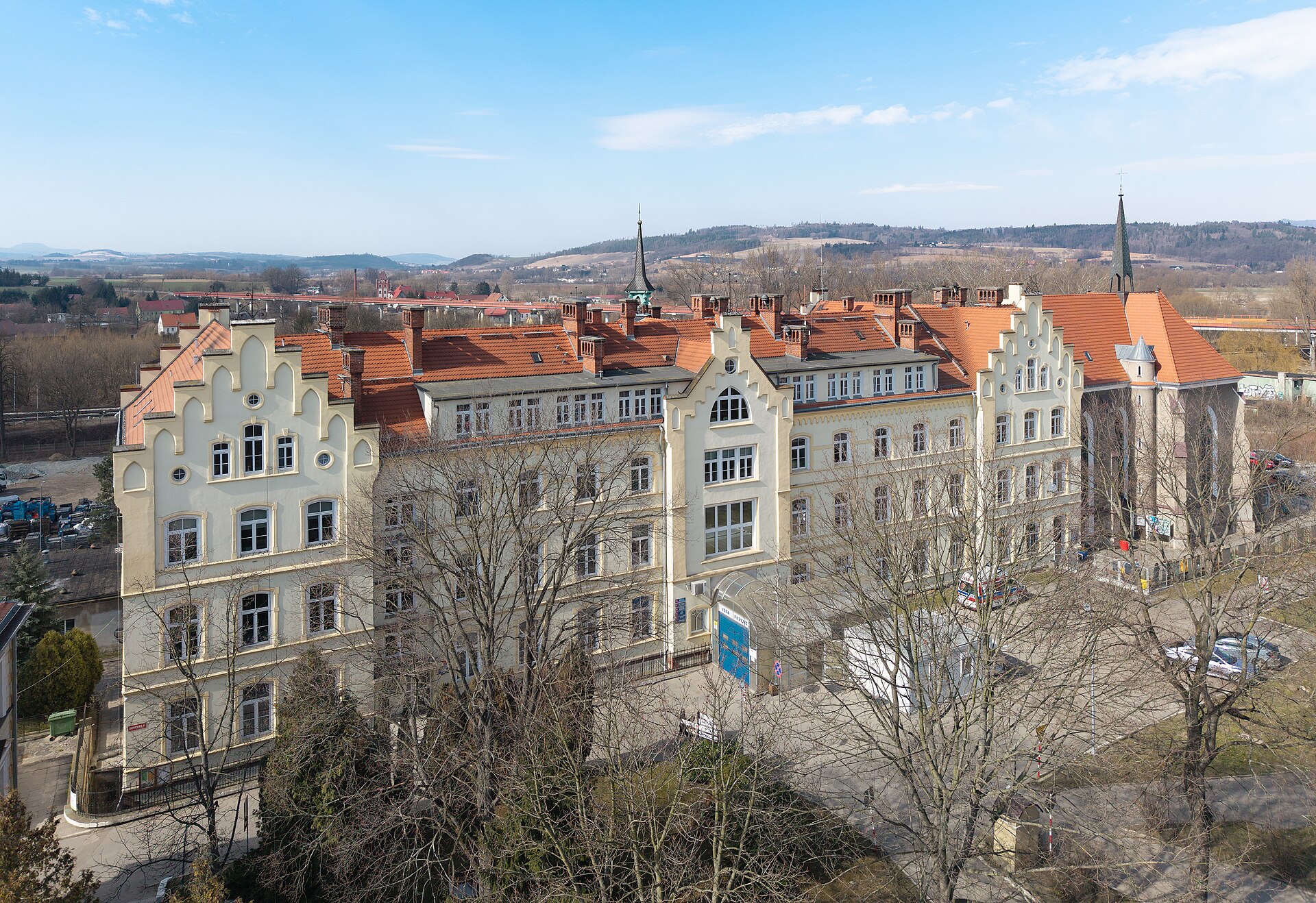
The hospital emergency department: SOR
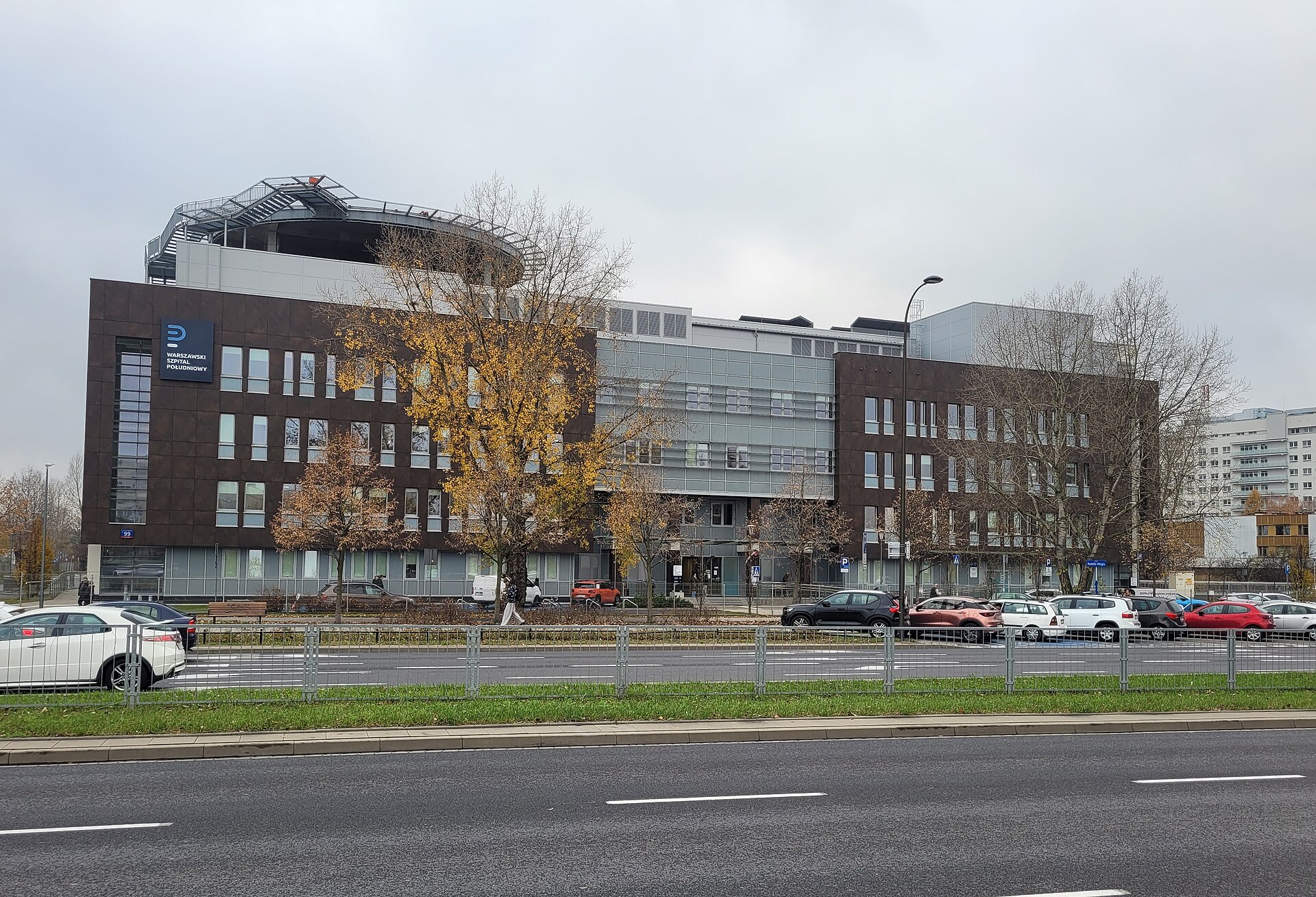
The Szpitalny Oddział Ratunkowy, usually just SOR, is the hospital emergency department, and pacjent.gov.pl is blunt about what it is: the place where lives are saved. It treats people in severe conditions, accidents, trauma, gastrointestinal bleeding, where the consequence could be serious damage to bodily functions or death. If life is directly threatened, go to the SOR or call 112 or 999 for a medical rescue team.
The rule every newcomer should understand is triage: the order in which patients are admitted is decided not by arrival time but by medical staff assessing each patient's condition. This is why waiting rooms can feel indifferent to how long you have sat there, and why the official guidance asks you to go only when genuinely justified. Addresses of SOR departments are published on the websites of the voivodeship branches of the NFZ.
Data source: pacjent.gov.pl holiday illness guidance, updated 21 October 2026.
Night and holiday care: the middle door
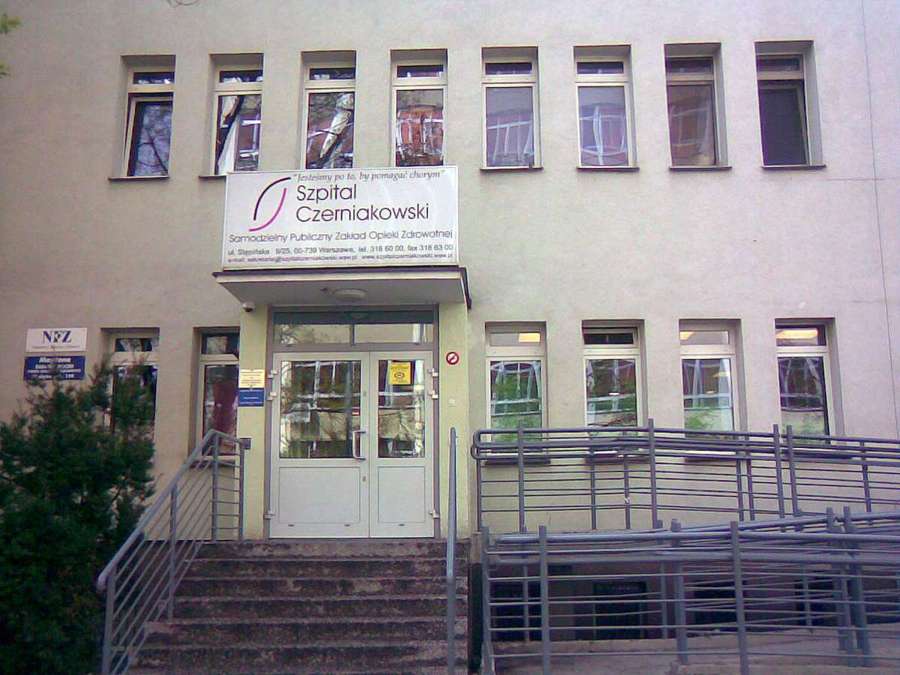
Most urgent problems are not emergencies: flu, a worsening chronic condition, a toothache on a public holiday. For these, Poland runs night and holiday healthcare, which works much like a primary care clinic outside clinic hours. You can use it when you suddenly fall ill, your condition worsens without signs of direct threat to life, home remedies and over-the-counter medicines have not helped, or waiting for your regular clinic could significantly harm your health.
The hours are 18:00 to 08:00 Monday to Friday, and 24 hours on Saturdays, Sundays and public holidays. You need no referral, and there is no regional restriction: you can walk into any night and holiday facility, not only the one nearest your registered address. The duty doctor can give a consultation, also by phone, and in medically justified cases will come to your home. The service covers medical advice, nursing procedures such as injections, sick leave when indicated, and e-prescriptions. It does not cover follow-up visits for treatment already underway, repeat prescriptions for chronic medication, or health certificates, and a specialist visit waits for a working day. Sudden dental problems have their own duty clinics, open 19:00 to 07:00 on weekdays and around the clock on weekends and holidays, including extractions.
Data source: pacjent.gov.pl holiday illness guidance, updated 21 October 2026.
Do you pay for any of this?
If you are insured in the NFZ, through employment, registration as a family member, voluntary insurance or another entitlement, the whole pathway above is part of your insurance: pacjent.gov.pl notes explicitly that anywhere in Poland you can use medical care within your NFZ insurance, and night and holiday care is delivered on primary-care terms. Emergency calling itself is free by definition. Where costs do appear is outside the public system: a private ambulance or a private clinic visit is a commercial service with its own price list, so in a genuine emergency the public 999 and SOR route is both the fastest and the insured one. If you are an EU visitor, your European Health Insurance Card gives access to necessary state care on the same terms as insured residents.
Data source: pacjent.gov.pl portal, updated 21 October 2026.
Small preparations that pay off
Three habits close most of the language gap before it opens. First, keep the free patient helpline number, 800 190 590, the Telefoniczna Informacja Pacjenta run for the Ministry of Health and NFZ portal, for non-urgent questions about where to get care. Second, set up your Internet Patient Account, IKP, or the mojeIKP app: e-prescriptions, referrals and your medical history live there, and showing the app in a clinic is faster than explaining anything. Third, write your address, your PESEL if you have one, and any chronic conditions or medicines on a card in your phone. In a real emergency, the few seconds saved reading facts aloud are worth more than any phrasebook.
Data source: pacjent.gov.pl portal, updated 21 October 2026.
* Photos: ambulance by WrS.tm.pl, CC0; hospital building by Jacek Halicki, CC BY-SA 4.0, both via Wikimedia Commons.
Frequently asked questions
Which number do I call in a medical emergency in Poland?
Call 999, which connects you directly to a medical dispatcher, or 112, the single EU emergency number whose operator notifies the right service. Calls to both are free, however long they last.
What will the emergency dispatcher ask me?
According to pacjent.gov.pl, the dispatcher asks what happened, the exact address, how many people are hurt, the condition of the casualty, their name and approximate age, your name, your phone number and how to reach the location.
Where do I go at night or on a weekend if I am ill but it is not life-threatening?
Go to a night and holiday care clinic, open 18:00 to 08:00 on weekdays and 24 hours on weekends and public holidays. No referral is needed and you can use any facility, not just the nearest one.
How does the hospital emergency department work in Poland?
The Szpitalny Oddział Ratunkowy treats severe, life-threatening conditions. The order of admission is decided by medical staff assessing your condition, not by arrival time, so go only when genuinely justified.