Who Pays for Medical Care in Poland? EKUZ, Treaties, Policies
Short answer: It depends on your insurance. EU or EFTA insured people show an EKUZ and the NFZ pays; people insured in Poland get the same care as Poles; a few treaty countries are covered by the Ministry of Health; others pay or bill a private insurer.
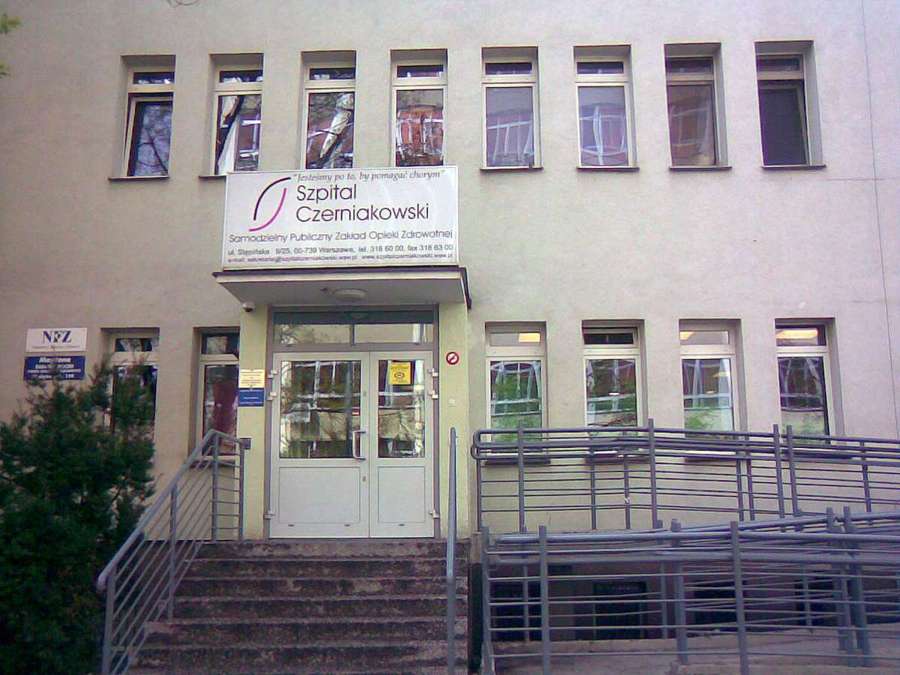
Who pays when a foreigner needs a doctor in Poland depends on where you are insured and why you are here. The Ministry of Health (Ministerstwo Zdrowia) publishes a page on financing the treatment of foreigners that sets out four cases. This article walks through them in plain English, and says where the page is silent. It is general information, not advice on your own situation.
If you are insured in another EU or EFTA country
On a temporary stay, such as a holiday, you can get only the necessary medical care. The ministry says you receive these on the same terms as people insured in Poland: guaranteed health services, orthopaedic items and aids, and reimbursed medicines.
The National Health Fund (NFZ) pays for your treatment if you show the European Health Insurance Card (EKUZ), or a certificate that temporarily replaces it. If you cannot ask your own insurer for the certificate, the doctor or clinic can contact the NFZ regional branch, which helps get the document from the institution where you are insured.
If you have neither, the page warns that the doctor may issue you a bill. You can then try to get the money back from your home insurer. The page does not say how long that takes or what share is refunded, so check with your own insurer before you travel. For a longer stay, the page points you to the NFZ website, which lists what you can get if you are in Poland temporarily (for example for planned treatment) or permanently, and which documents you need.
If you are insured in Poland
The ministry says you have the same access to medical care as insured Polish citizens. How you become insured, for example through an employer or by paying voluntarily, is covered in our guides to voluntary NFZ cover for foreigners and how to see a doctor in Poland.
If you come from a country with an agreement with Poland
For citizens of states that have signed a treaty or bilateral agreement with Poland, the page says you can get necessary medical care if you are staying legally and you suddenly fall ill or have an accident. In that case the Ministry of Health covers the cost. The page lists these countries: Albania, Bosnia and Herzegovina, Montenegro, the Republic of North Macedonia (shown on the page as "Republika Macedonii"), Serbia and Tunisia.
The detail differs by country, so do not assume the same rules apply to all six:
* Albania: the agreement quoted on the page says both sides provide free medical care to each other's citizens in sudden illness or accidents during a stay. * Tunisia: the quoted agreement does not apply to citizens of either country travelling for tourism. It covers free medical help in public health facilities for specialists and experts working under the agreement, and for diplomatic representatives and their families. * Bosnia and Herzegovina, Croatia, Montenegro and Serbia: the page quotes the older social security agreement with the former Yugoslavia. For tourists, the other side's institution may limit benefits to what they urgently need. No standard certificate exists. A valid passport, or another document that confirms your identity, can show your entitlement. * North Macedonia: the agreement does not apply to citizens who travel for tourism. The page lists groups with rights, such as workers posted to Poland (up to 48 months) and self-employed people temporarily moving their activity (up to 24 months), with family members. Their cover is limited to treatment needed to remove an immediate threat to life or health, and they must show form RM/PL111 from the Macedonian insurer. Pensioners who live in Poland and receive only a Macedonian pension, and their family members, have full-scope care but must register form RM/PL121 at the NFZ regional branch for their place of residence.
If your country is on this list, read the exact paragraph on the ministry page for your nationality before you rely on it.
If you have no insurance in Poland or another EU or EFTA state
If you are not insured in Poland or another EU or EFTA country, and your country has no agreement with Poland, the ministry says you can use medical care for a fee. If you hold a medical policy, for example the one required for a Schengen visa or a national visa, the provider (doctor or clinic) settles the costs with your insurance company.
The page does not give prices, and it does not say what happens if you have no policy at all. For that case see our guide to emergency care without insurance. For travel policies, see travel insurance in Poland and the Financial Ombudsman's advice.
A quick checklist
* Work out which of the four cases is yours before you need a doctor. * If you are insured in the EU or EFTA, carry your EKUZ or ask your home insurer for the replacement certificate. * If you rely on a private policy, keep the policy number and the insurer's emergency contact with you. * If your country is on the treaty list, keep a valid passport and any form your country's insurer issues.
Information on this page was read on 19 October 2026 from the ministry website. The ministry page carries no date, and treaty details can change, so confirm with the NFZ regional branch if your case is not clear.
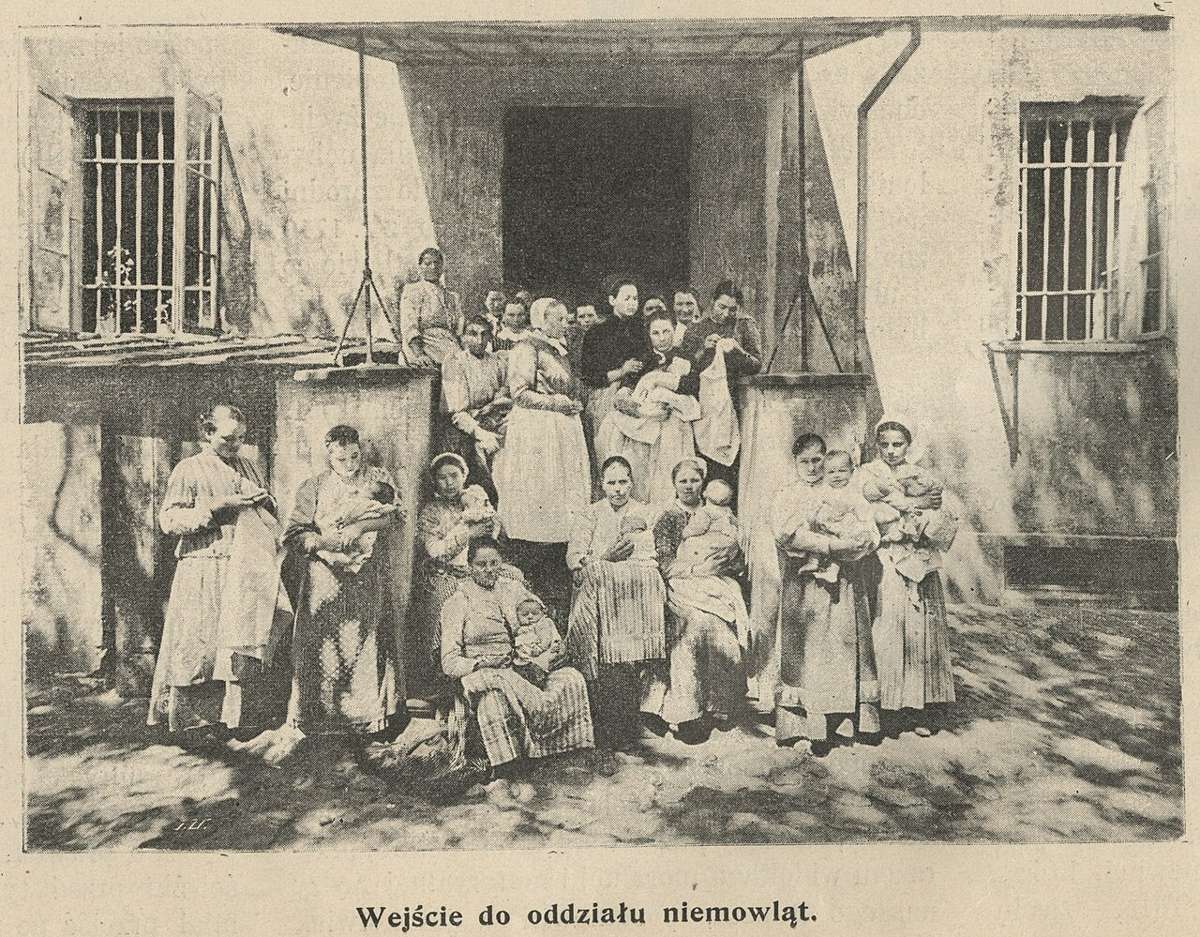
* Photos: Szpital Czerniakowski, Warsaw, by CLI, CC BY-SA 4.0, via Wikimedia Commons; historical photograph of the infants ward entrance, Dzieciątka Jezus hospital, Warsaw, by Edward Troczewski, public domain, via Wikimedia Commons.
Frequently asked questions
Who pays if I get sick in Poland on holiday and I have an EKUZ?
According to the Ministry of Health, the NFZ pays for necessary care if you show your EKUZ or a certificate that temporarily replaces it. You get it on the same terms as people insured in Poland.
What if I do not have my EKUZ with me?
The ministry says the doctor may issue you a bill, and you can then try to recover the cost from your home insurer. The doctor or clinic can also ask the NFZ regional branch to help get a replacement certificate.
Does the Ministry of Health pay for my treatment if my country has an agreement with Poland?
Only for the countries on its list (Albania, Bosnia and Herzegovina, Montenegro, North Macedonia, Serbia, Tunisia), and only within each agreement's terms. For example, necessary care in sudden illness or an accident while you stay legally.
What if I am from outside the EU and have no agreement with Poland?
The ministry says you can use care for a fee. If you have a medical policy, for example one needed for a visa, the provider bills your insurer.