Emergency care in Poland without insurance: help first, bill later
Short answer: Every person in sudden danger of health or life gets immediate help in Poland, insured or not. A patient with no right to NFZ-funded care may be charged for treatment.
If you have an accident or a sudden health emergency in Poland, you will get help whether or not you have health insurance. Who pays afterwards is a separate question. This guide follows the Patient Rights Ombudsman (Rzecznik Praw Pacjenta) page dated 20 August 2026 and the NFZ Academy page dated 27 May 2026, both read on 19 October 2026.
The right to immediate help
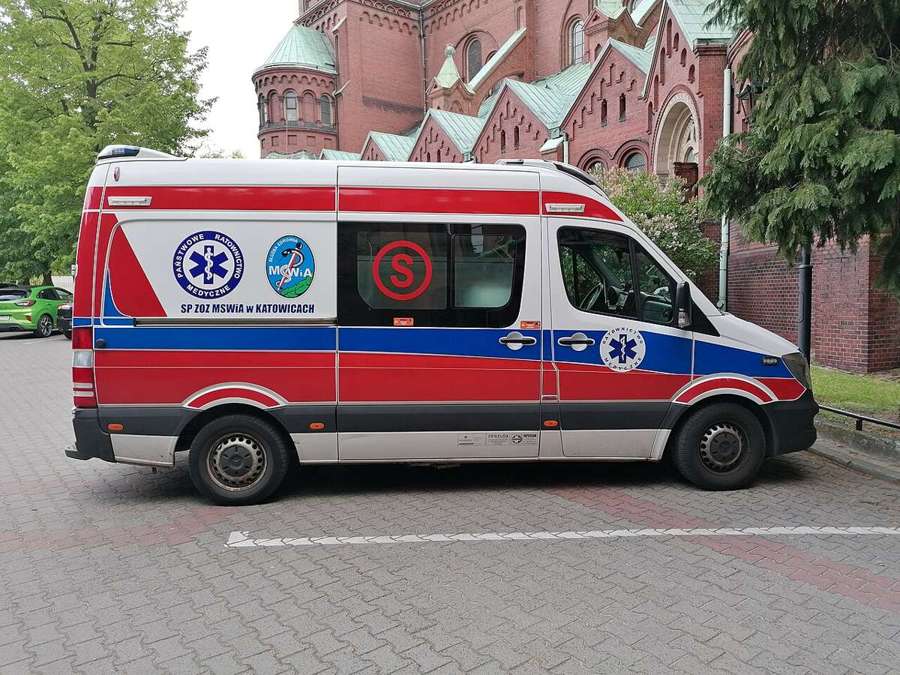
The Ombudsman states that in a state of sudden health danger every person in Poland has the right to immediate medical help, and it does not matter whether they are insured. Help must be given in the scope needed to save health or life. Every entity running a medical practice has to provide it, including one that has no contract with the National Health Fund (NFZ). The duty also covers the units of the State Medical Rescue system, including ambulance crews.
The Ombudsman defines this state as one where symptoms of a worsening condition appear suddenly, or can be expected soon, and may lead to serious damage to the body or death, so that urgent medical action and treatment is needed.
Free care and the bill
The same page makes an important point: getting help in an emergency does not mean the help is free. If the patient has no right to services financed by the NFZ, and no right to free services under special rules, they may be charged for the cost of treatment.
Free services belong to people covered by compulsory or voluntary health insurance and others who meet the conditions in the law, for example people under 18 and women during pregnancy, birth and the postnatal period. Under special rules, people dependent on alcohol (for addiction treatment) and people with mental disorders (psychiatric care) are also entitled to free care regardless of insurance.
For expats this means insurance status matters for the bill, not for whether you are treated. If you are not sure you are covered, check the voluntary NFZ cover and travel insurance options before you need them.
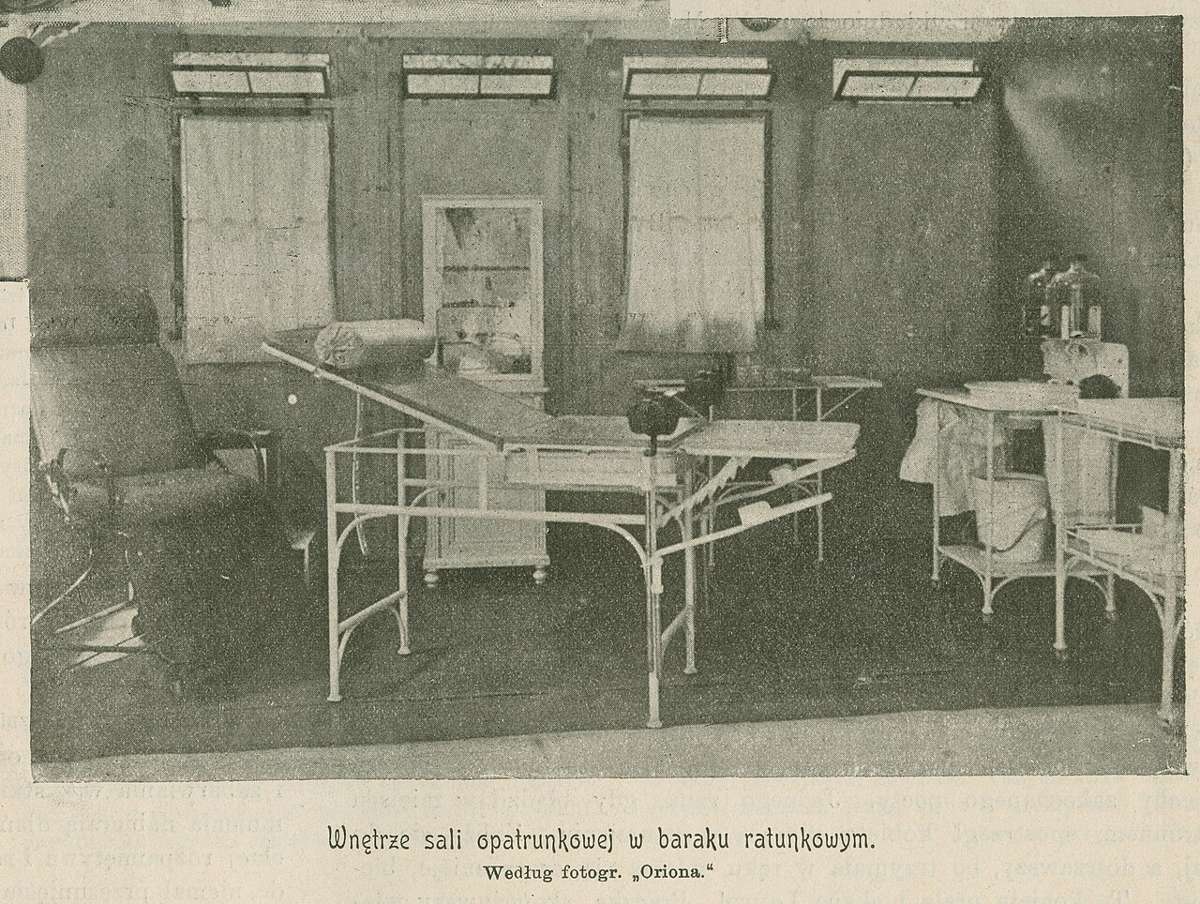
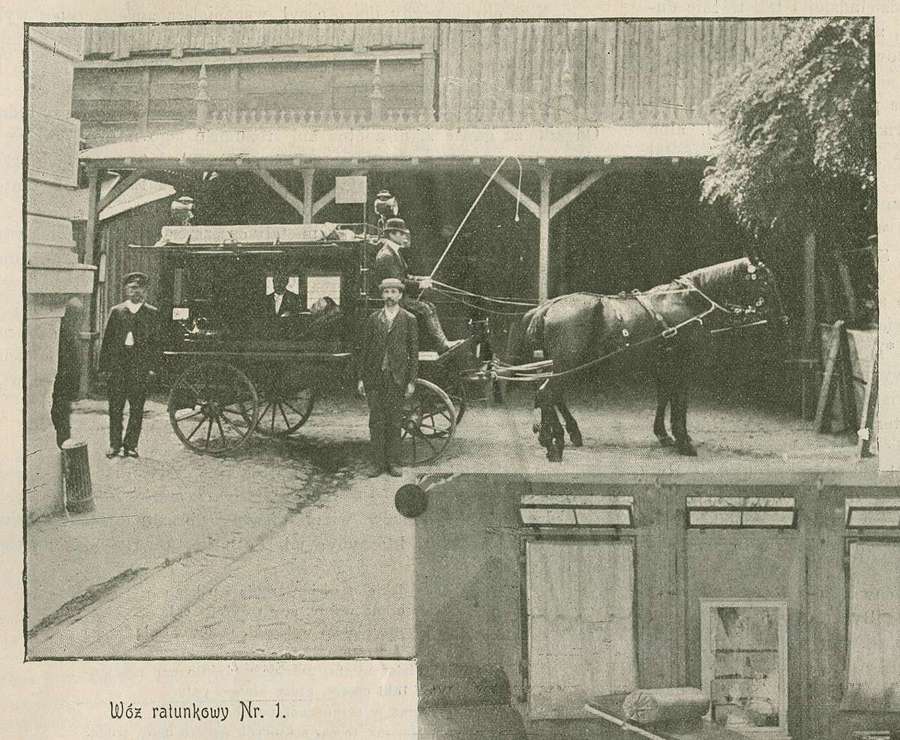
* Photos: historic photographs of the Warsaw emergency service (cover and body), public domain, via Wikimedia Commons, used as illustrations only.
Where to go: emergency room or night doctor
The NFZ Academy page separates two cases. If your life or someone else's is directly threatened, go to a hospital emergency department (SOR) or call 112 or 999. It says the SOR saves lives and you should go only when justified, and that the order of admission depends on the assessed condition, not on arrival time. Examples it gives of serious states are an accident, an injury and gastrointestinal bleeding.
If you suddenly fall ill but there are no signs of direct danger to life, home remedies did not help, and waiting for your primary care clinic to open could harm you, you can go to night and holiday care. According to the NFZ page, you can go to any primary care facility on duty from 18:00 to 08:00 on weekdays and around the clock on weekends and public holidays, with no referral and no regional assignment. You can get a doctor's advice, nursing procedures such as injections, a sick note when medically justified, and e-prescriptions. Follow-up visits, prescriptions for chronic medicines and health certificates are not provided there.
For a sudden toothache, NFZ lists on-duty dental clinics, open on weekdays from 19:00 to 07:00 and around the clock on weekends and days off.
Who you can ask
The Ombudsman's helpline is 800 190 590, listed on its page as available around the clock, seven days a week.
What the sources do not say
The pages do not give prices for emergency treatment or ambulance transport for uninsured foreigners, nor how a bill is issued or collected. They also do not describe rules for particular nationalities. The night and holiday page covers people insured with the NFZ; whether and how an uninsured person is charged there is not stated. If you are charged and think it is wrong, ask the hospital for the itemised cost and contact the Ombudsman.
Frequently asked questions
Will an ambulance help me if I have no insurance?
Yes. The Ombudsman says every person in a state of sudden health danger has the right to immediate help, whether insured or not. You may later be charged if you have no right to NFZ-funded care.
Is emergency care in Poland free for everyone?
No. According to the Ombudsman, help must be given, but a patient with no right to NFZ-financed or special free services may be charged for the cost of treatment.
Which number do I call?
The NFZ Academy page names 112 and 999 as the emergency numbers for a threat to life or health.
Do I need a referral for night and holiday care?
No. The NFZ page says you do not need a referral and are not limited by region.