mObywatel Europa: Tests Are Not a Public Launch
The essentials: Poland reports 89 organisations from 16 countries testing the European identity wallet. The November announcements confirm preparation and a government-approved bill, not a general public launch or a complete enrolment route for every foreign resident.
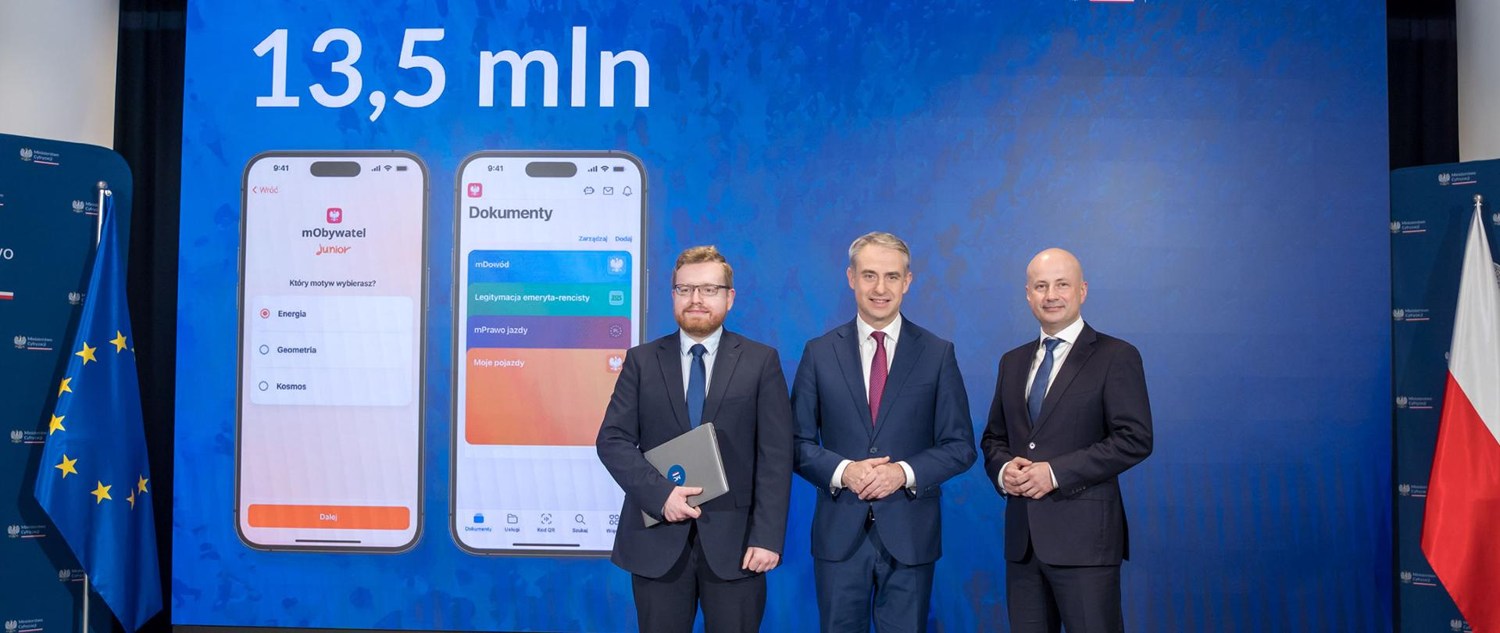
Poland's planned European digital identity wallet is moving through testing and legislation, but a growing test programme is not the same thing as a public launch. On 24 November 2026, the Ministry of Digital Affairs said 89 firms and institutions from 16 countries were participating in its test environment. The Polish solution is called mObywatel Europa and is intended to sit within the wider mObywatel system.
For an expat, the promise is easy to understand: fewer separate identity checks when dealing with organisations across the European Union. The important limits are less obvious. A demonstration app is not your legal identity document, government approval of a bill is not proof that Parliament has enacted it, and an EU-wide right to a wallet does not by itself explain how a particular resident will enrol in Poland. Keep those distinctions in view before changing how you handle documents.
What the November update actually confirms
The ministry's 24 November report describes an expanding test programme. Organisations from Poland and fifteen other EU countries are taking part, across sectors including finance, telecommunications, transport, education, healthcare and digital services. They are checking how their own services would work with the wallet and sending feedback before it is made available to users.
This is a practical development step, not a notice telling ordinary residents to upload their passports to a new public service. The programme began in September. The ministry describes the environment as free for participating firms and institutions, while the associated demonstration app is used to test integration. A report about the number of participants should therefore be read as evidence of testing activity, not as the number of people already using a live identity wallet.
Three names, one developing idea
European Digital Identity Wallet and EUDI Wallet are the English terms. Polish government sources use Europejski Portfel Tożsamości Cyfrowej, often shortened to EPTC. mObywatel Europa is the name used for the Polish demonstration solution and planned Polish implementation. These labels concern digital identity, not a bank account or a place to hold cryptocurrency.
The European Commission says each member state will provide at least one wallet built to common specifications. That means national wallets should be able to work across borders. It does not mean a single central EU app will replace every country's existing documents overnight. The Polish ministry describes continued work by the Ministry of Digital Affairs and Centralny Ośrodek Informatyki, or COI, rather than handing Poland's existing app over to an unrelated commercial provider.
What the wallet is intended to do
The government's 17 November announcement describes future uses including proving identity to public offices and businesses, storing and presenting electronic documents, confirming age or qualifications, accessing services in other EU states and signing documents with a qualified electronic signature. These are intended functions of the developing system. They are not a guarantee that every bank, landlord, employer and foreign office already accepts a Polish phone screen today.
The Commission likewise describes secure authentication and the ability to share selected information across the EU. A useful way to think about it is a verified answer to a particular question. An organisation may need to know that you hold a qualification or have passed an age threshold, rather than needing a permanent copy of every detail printed on your identity document.
Sharing less information is a design goal
The Polish bill announcement makes selective disclosure a central point. Users are intended to share only the information needed for the particular service. The EU Council gives the example of proving age without revealing a name, nationality or gender. That is different from emailing a full scan of a document every time somebody asks for identification.
It is still worth reading what a service requests. A system designed to minimise data does not make every request sensible or necessary. Before agreeing to a transaction, identify the organisation, the information requested and the reason for sharing it. Do not treat the appearance of a wallet logo in a message as proof that the sender is a legitimate organisation or that a transfer of information is required.
It is intended for residents as well as citizens
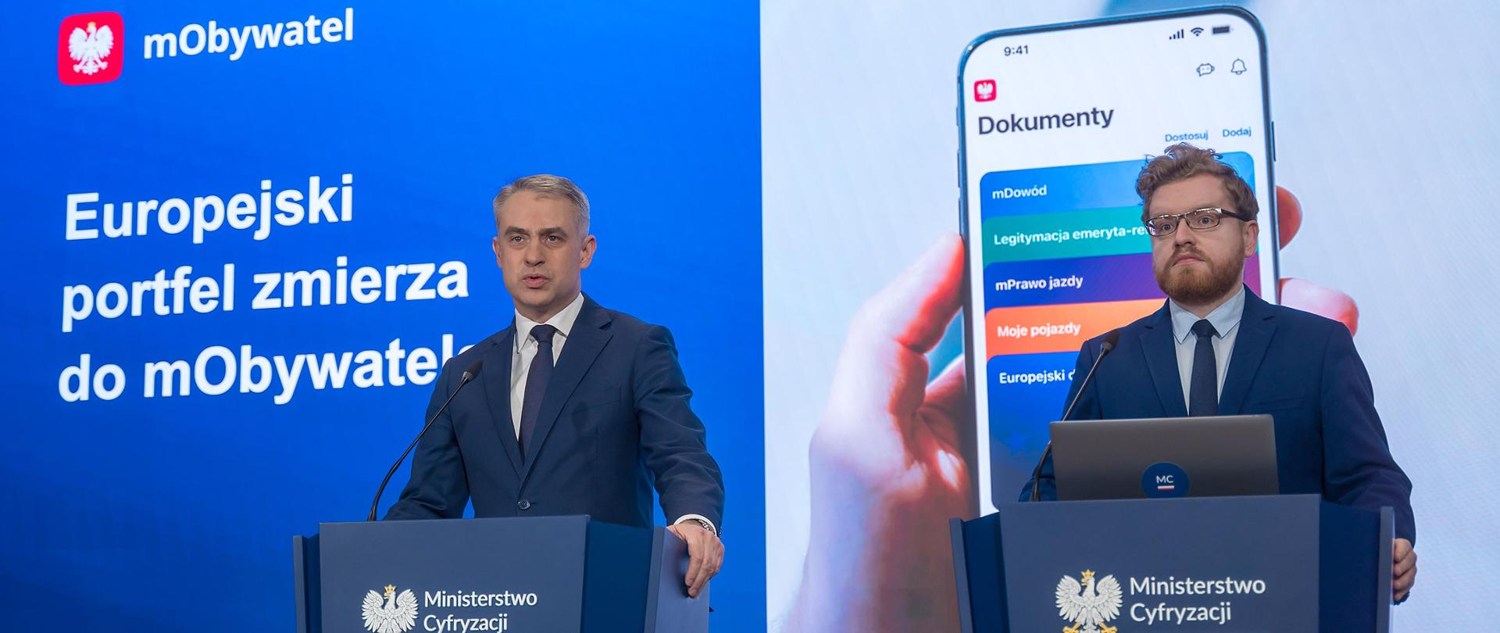
The Commission's explanation says the wallet will be available to EU citizens, residents and businesses who want to use it. The EU Council also refers to all three groups. That broader wording matters to a foreign national living legally in Poland: the European framework is not described simply as a convenience for people holding the passport of the country where they live.
However, the general EU scope does not settle your Polish enrolment procedure. The Polish ministry's March pilot explanation described strong authentication using a Polish electronic identity card, known as an e-dowód. That is a specific pilot route. The November test report does not provide a complete replacement enrolment guide for every kind of foreign resident or every identity document issued abroad.
If you do not have a Polish e-dowód, do not assume that possessing a PESEL number, a residence card or a foreign passport automatically unlocks the same pilot. Equally, do not read the pilot's card requirement as proof that the EU framework permanently excludes residents. The useful question is which identity proofing route the final Polish service supports for your status. Wait for the official user instructions rather than inventing a workaround.
Voluntary use does not mean every formality disappears
Both the Polish ministry and the Commission describe using the wallet as voluntary. The EU Council says the national app will be free to download. That makes the project different from a new universal obligation to replace your passport with a paid commercial identity service. A message demanding immediate payment to keep an identity wallet active should not be treated as established government policy on the strength of its wording.
Voluntary use also does not mean that a bank has stopped checking customers or that an office no longer needs evidence. The point is to offer another trusted way of supplying identity information. The underlying service can still have eligibility rules, legal checks and a decision to make. Proving who you are and qualifying for a benefit, account or permit are different steps.
A bill, a test and a launch are different milestones
On 17 November, the government approved a draft law preparing Poland for the European wallet. The ministry says it adapts national provisions to the EU's eIDAS2.0 framework and establishes responsibilities for the system. It also describes a register of organisations authorised to request particular wallet data. Those are the announced proposals, not a reason to label the whole project already operational.
The later 24 November report still talks about preparation and testing before availability to users. Read those two announcements together. They establish progress on the legal and technical tracks, but neither one is a complete public launch notice with final instructions for every resident. This article therefore does not give a made-up activation date or an unsupported claim that a new enrolment button is available in everybody's app.
What happens to the existing mObywatel?
The ministry has explicitly rejected the idea that it is shutting down mObywatel. Its February explanation said the existing application would continue to develop and that the European wallet would add to its wider system. The October progress report again described the wallet as the next stage, alongside the existing services and documents.
That distinction matters if you already rely on a working domestic service. Do not delete an app, discard a document or abandon an established filing route because an article says a European wallet is coming. A future cross-border function does not itself cancel the current rules for your residence document, driving licence or appointment. Check the instructions for the actual service you need now.
Identity abroad is not the same as a travel document
Government descriptions refer to cross-border access to services and presenting selected electronic information. Do not stretch that into an assumption that a test wallet replaces a passport at a border or proves a right of residence in every country. The wallet's planned functions and the rules for international travel are different questions.
For a trip, keep the travel documents required for your nationality, destination and status. For an online service, check which identification methods that service currently supports. A useful new way to authenticate yourself can reduce repeated checks without becoming a universal answer to immigration, travel and professional-recognition rules.
What to do while preparations continue
There is no need to join a business test environment simply to keep your existing identity documents valid. Follow the Ministry of Digital Affairs and COI's official announcements, keep your current documents in order, and wait for the user-facing release instructions relevant to you. When those appear, check the supported documents, enrolment method, service availability and data-sharing controls before relying on the wallet for an important task.
For now, the useful headline is progress rather than replacement. The November update shows organisations preparing for cross-border digital identity. It does not turn a demonstration into a live document or remove the need to check the rules of the bank, office or country you are dealing with.
Frequently asked questions
Does the November update mean everybody can activate the wallet?
No. The ministry describes preparation and a test environment, not a general public launch.
Does the EU framework include residents?
Yes. The Commission refers to EU citizens, residents and businesses. That does not by itself settle the Polish enrolment process for each person.
Sources
- Ministry of Digital Affairs: 89 organisations testing, 24 November 2026
- Ministry of Digital Affairs:government approved bill, 17 November 2026
- European Commission:wallet scope and voluntary use
- EU Council:planned wallet functions and national provision
- Ministry:March pilot plans and electronic ID authentication
- Ministry:existing mObywatel will continue, 23 February 2026
- Ministry:mObywatel progress, 23 October 2026
- Ministry:reuse policy, CC BY 3.0 Poland