PKP at 100: 600 Daily Trains and Two Winter Change Dates
The essentials: The annual timetable starts 13 December 2026. The next Warszawa Wschodnia work stage and first Warszawa Ulrychów stops start 17 January 2027. PKP Intercity announces 600 connections, rising to 622 in summer.

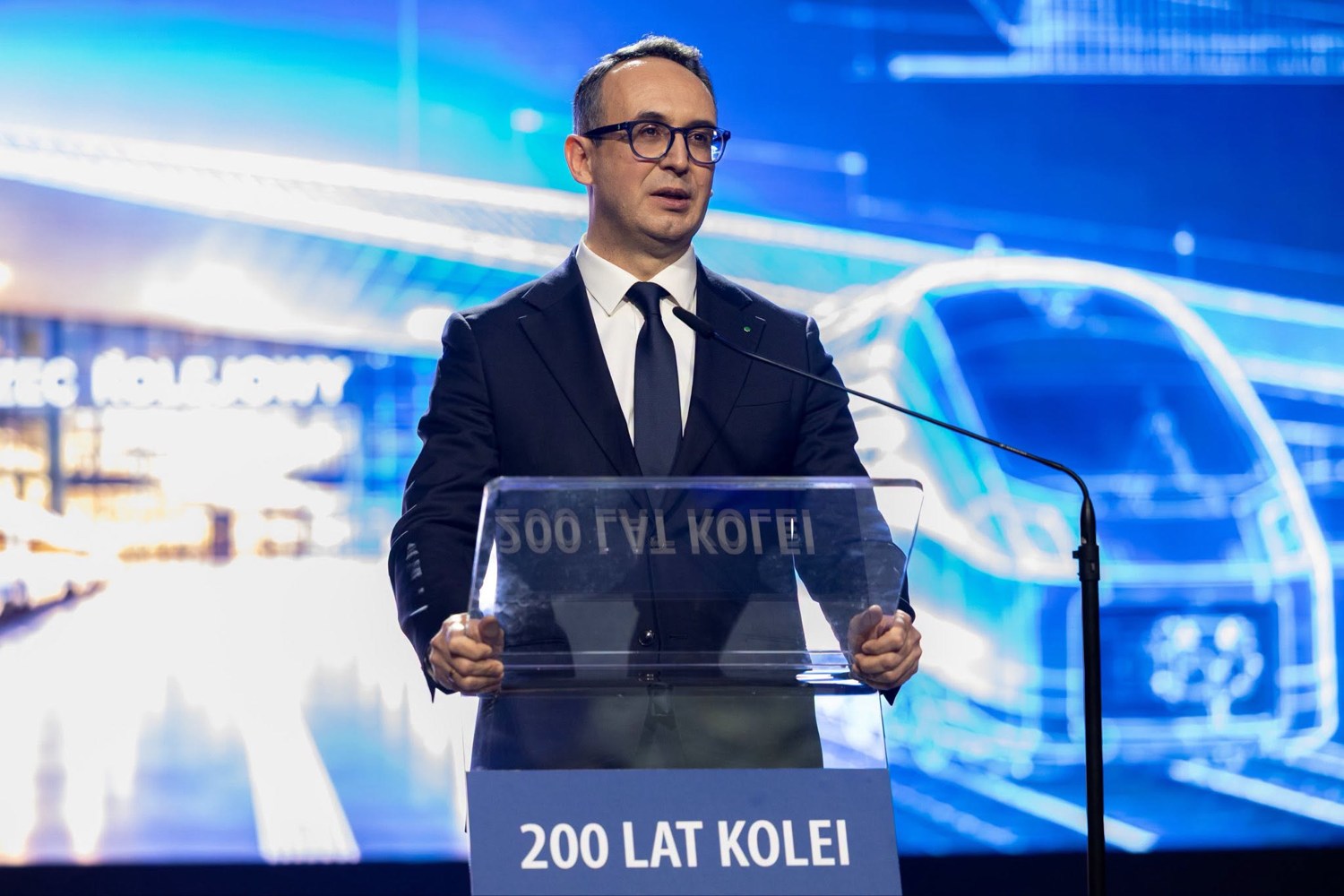
Poland's Railway Workers' Day celebrations on 23 November 2026 carried a message that matters beyond the railway industry: passenger numbers are growing, the long-distance timetable is expanding, and the next changes will not all happen on the same day. At the ceremony marking PKP's centenary, the Ministry of Infrastructure highlighted a planned 600 daily PKP Intercity services in the December timetable. For expats planning winter journeys, the useful question is what those announcements mean for an actual trip.
The answer needs two dates. The new national annual timetable starts on Sunday 13 December 2026. A major next stage of work at Warszawa Wschodnia starts on Sunday 17 January 2027. Both belong to the coming timetable year, but they are not interchangeable. A Christmas journey and a late-January journey can therefore have different station arrangements even when the destination is the same.
A centenary celebration with a passenger story
The Ministry says Prime Minister Donald Tusk, Infrastructure Minister Dariusz Klimczak and Deputy Minister Piotr Malepszak attended the railway celebration on 23 November. It combined recognition of railway workers with the hundredth anniversary of PKP. The event also noted 25 years of companies that emerged from PKP, which helps explain why passengers now encounter several organisations rather than one all-purpose railway office.
For a newcomer, that distinction is useful. PKP Intercity is the long-distance carrier discussed in the 600-service announcement. PKP Polskie Linie Kolejowe, generally called PLK, is the infrastructure manager publishing the national timetable and station-work explanation. Regional operators publish their own service details. A national rail announcement does not mean every train in Poland is operated by Intercity or covered by the same ticket.
What the passenger numbers do and do not show
At the ceremony, the ministry reported 44 million railway passengers in October 2026, described as the strongest monthly result since 1994. It put the 2025 total at 440 million, up eight percent on the previous year, and described approximately 470 million as the forecast for 2026. Keep the forecast separate from a completed-year result: November's announcement cannot yet be a final count for the whole year.
The ministry also reported that PKP Intercity carried 89.2 million passengers in 2025 and 81 million in the first ten months of 2026. These are the long-distance company's figures, not an alternative total for every Polish railway. Mixing the operator and national figures produces an impressive-looking but meaningless comparison. The practical takeaway is increased demand alongside increased planned supply, not a promise that your preferred train will have spare seats.
What 600 daily services means
PKP Intercity's own timetable announcement describes 600 connections in the 2026/27 timetable, 69 more than in the then-current offer. It separately gives 622 for the summer season. Those are not competing figures: the summer offer is a different seasonal level. Do not assume every summer train will run during your December break, or that a seasonal extension operates on every day of the timetable year.
The carrier is also promoting regular intervals on major routes. Its examples include an express train roughly hourly between Warsaw and Poznań, with an exception, and economic-category trains every two hours. Between Warsaw and the Tri-City area, it describes a combined offer at approximately half-hour intervals for much of the day across TLK, IC, EIC and EIP. That is a combined service pattern, not a promise of a Pendolino departure every thirty minutes.
Regular intervals make a journey easier to imagine, but they should not replace a date-specific search. The train category, exact station, stopping pattern and travel time can differ between adjacent departures. If your arrival connects to a flight or a separately booked train, select the actual service and leave a realistic transfer margin rather than working backwards from a headline frequency.
More options between major cities
The carrier says the Warsaw–Kraków offer will reach 32 daily connections, split into 14 express and 18 economic-category services. It names additional services associated with the Białystok routes, including Wit Stwosz and Zamenhof. That split matters if you are comparing prices and journey times: more services do not mean a single uniform product, and the lowest fare is not established by the number of trains.
Another example is Bielsko-Biała–Kraków, where the carrier announces eight daily connections and names Czupel, Klimczok, Rysianka and Pilsko among the new economic services. For people planning mountain trips, it also describes an extended Pomorzanin to Zakopane and an additional overnight option, Podhalanin. Treat these as routes to investigate in the live planner, not as proof that a sleeper berth or a particular through coach is available for your dates.
International trips need their own check
PKP Intercity's announcement includes an additional Wrocław–Prague service called Glacensis alongside the four pairs of Baltic Express trains. It also describes changes connecting Białystok and Lithuania and a transfer at Suwałki linking northern Poland with journeys towards Kaunas and Vilnius. A through journey shown in an announcement may still involve a connection, so read the itinerary rather than assuming every place mentioned is served by one direct train.
Before buying accommodation around a cross-border rail plan, check the outward and return legs separately. Look for the travel date, interchange station and any overnight portion. The timetable announcement is useful for identifying new possibilities, but it is not a seat-availability screen, a final fare quote or a guarantee that every international booking channel has opened sales at the same time.
The Warsaw change is a January change
PLK's detailed timetable explanation dates the next Warszawa Wschodnia modernisation stage to 17 January 2027. It says the arrangements will last around 22 months and that Warszawa Gdańska will take a larger role. For the period from 17 January to 13 March, it gives approximately 358 daily trains at Gdańska, compared with 195 before the change.
That is why the station name on a booking deserves attention. Warszawa Gdańska is not another name for Warszawa Centralna, and neither is a vague synonym for the city as a whole. A hotel selected around Centralna may still be convenient, but your onward local journey should be planned from the station printed in the itinerary. Recheck both departure and arrival stations when comparing winter dates.
The infrastructure manager also dates the first long-distance stops at Warszawa Ulrychów to 17 January. It locates the new stop under the Górczewska Street viaduct, approximately 300 metres from Ulrychów metro station, and lists EIP, EIC, IC and TLK categories. Do not turn that future opening into advice to board there in December. The later date is part of the announcement, not a minor footnote.
Regional and airport trains are separate plans
Koleje Mazowieckie's own 2026/27 notice confirms the December timetable and the January Warsaw work as separate stages. It describes the Chopin Airport service running through Warszawa Centralna to Warszawa Wschodnia until 16 January, then starting and finishing at Warszawa Centralna from 17 January. It also describes the Modlin–Góra Kalwaria relation. These are regional arrangements, not a change to every long-distance ticket.
If an airport connection is part of your journey, search it as a full dated itinerary and check the final airport link. A rail service named for Modlin does not itself explain every step between the railway station and the terminal. Likewise, an Intercity train arriving in Warsaw does not settle the local ticket rules for a separate airport journey. Keep each operator and ticket visible in the plan.
Not every new route starts in December
The operator also announces services beginning later in the timetable year. Its Łomża expansion is dated to June2027, not the December change. That is a useful reminder when reading an annual announcement: a route can belong to the2026/27 offer without being available for Christmas2026. If a new direct service is central to your plan, confirm its first operating day and the days of the week it runs before treating it as an established alternative.
How to check the trip you actually want
Portal Pasażera, the infrastructure manager's passenger site, allows searches by departure or arrival time, date, station and preferences. Select the station from the suggested list rather than relying on an unfinished text entry. Its instructions say an unselected typed station can be assigned to the first suggestion. That small interface detail can matter when several stations share a city name.
The site's poster timetables are another useful reference, but its own guidance says to check their validity period. Route posters are indicative and do not show every intermediate station. They can also change. A saved poster from the previous timetable or a screenshot without the date range is not enough to plan a holiday departure after the December change.
Make a short final checklist: travel date, exact station, train category, changes, arrival time, ticket conditions and any accessibility or luggage needs. Check again before departure, especially while construction affects the Warsaw network. For first-time users, our guide to Polish train operators and tickets explains the broader system. The centenary announcement points towards more travel options; the dated itinerary is what turns that promise into a workable journey.
Frequently asked questions
Do the Warsaw station changes all start in December?
No. PLK dates the next Warszawa Wschodnia stage and first Ulrychów stops to 17 January 2027.
Are 622 daily trains promised for December?
No. PKP Intercity gives 600 connections for the timetable and 622 for summer.
Sources
- Ministry of Infrastructure: PKP centenary, 23 November 2026
- PKP Intercity: 2026/27 timetable announcement, 12 October 2026
- PLK: dated infrastructure and station changes
- Koleje Mazowieckie: December and January service arrangements
- Portal Pasażera: dated journey search and station selection
- Portal Pasażera: poster validity and route-poster limits
- Ministry of Infrastructure: photo reuse,CC BY 3.0 Poland