Moving your belongings to Poland duty-free: customs relief
The essentials: Moving your normal residence to Poland from outside the EU? Personal household goods - furniture, bikes, a car, pets, portable tools - can enter duty-free: six months of prior use, twelve months abroad, a twelve-month import window, and a one-year ban on selling relieved items.
Shipping a life across a border is the part of moving to Poland that nobody budgets for emotionally: the container quote, the inventory spreadsheet, the fear that a sofa you have owned for eight years will be taxed like a new purchase at the border. Here is the good news that many newcomers never hear: the EU has a standing customs relief for exactly this situation. Poland calls it mienie przesiedlenia - relocation property - and if you are moving your normal residence to Poland from outside the EU, your household goods can enter duty-free. The rules are specific, the deadlines matter, and the burden of proof is on you. Here is how it works, based on the official guidance from the National Revenue Administration (podatki.gov.pl, published 15 December 2025) and the government's repatriation portal (powroty.gov.pl, legal state as of 22 May 2026).
First: where are you moving from?
Everything depends on the direction. If you are moving to Poland from another EU country, there is nothing to clear: Poland is inside the EU customs union, and goods moved between member states - including your whole household - are not subject to import duty at all. Pack the van and drive.
The mienie przesiedlenia relief exists for moves from third countries: the UK, the USA, Canada, Ukraine, India, anywhere outside the EU customs union. It applies equally to Poles returning home and to foreign nationals relocating to Poland, and the legal basis is EU-wide: Articles 3-11 of Council Regulation (EC) No 1186/2009 on the Community system of duty reliefs.
What counts as relocation property
The relief covers personal property for your own use or your household's needs. The official lists include household goods and furnishings, bicycles and motorcycles, private cars and their trailers, caravans and camper trailers, pleasure boats and private aircraft, pets and riding animals, and portable instruments and equipment you need for your trade or profession - a photographer's cameras, a dentist's chair bag, a musician's instruments.
Two categories are explicitly out. Alcohol and tobacco products are never covered. And anything commercial is out: vehicles meant for business use, and tools or equipment for a profession other than the portable kind. If your container holds stock for a shop you plan to open, that is a commercial import, not a relocation, and it follows entirely different rules.
The three conditions that decide everything
Customs will test your shipment against three conditions, all drawn from the regulation:
Six months of possession and use. Your things must have been in your possession and - for anything not meant to be consumed - actually used by you at your previous home for at least six months before you stopped living in the country you left. This is why a car you bought three weeks before shipping does not qualify, and why the purchase invoice dates matter. Specially justified circumstances can soften this, but they are the exception, not the plan.
Twelve months of residence abroad. Your normal residence must have been outside the EU for at least twelve consecutive months. The powroty.gov.pl guidance is precise about what "residence" means here: neither physically staying somewhere without the intention to settle, nor intending to settle without actually living there, is enough on its own. Acceptable proof includes a work contract covering at least twelve months, a tax office certificate showing tax paid over twelve months, or twelve consecutive months of paid phone bills.
Same use in the new home. The goods must be intended for the same purpose in Poland. Furniture that served your household abroad must serve your household here - which ties directly into the resale ban below.
One more condition sits underneath all three: the move must be real. The podatki.gov.pl guidance warns that the relief fails if, on the facts, you kept two residences at once - one in Poland and one abroad. A sham relocation with a storage unit in Warsaw and a life still lived in London does not qualify.
Timing: the twelve-month window
You do not have to land with your container. Personal property may be released in several separate batches within twelve months of the date you establish your residence in Poland - that is, from when you actually settle and organize your life here, not from your first visit. This makes the common pattern workable: fly in, rent a flat, register, then have the shipment follow.
The reverse order is also possible with strings attached. If your goods arrive before you have established residence, customs can still release them, but you must lodge a security and sign a commitment to take up residence in Poland within six months.
The twelve-month no-sale rule
This is the clause that catches people out. Relieved goods cannot be lent, pledged, hired out or transferred - paid or free - for twelve months from the date they were released for free circulation, without informing the customs authorities first. Breaking that rule creates an obligation to pay the import duties that were waived, calculated at the rate and customs value applying on the day of the breach. "Transferred" covers not just selling: renting out the relieved car or lending the relieved equipment to a friend counts. After the twelve months pass, the goods are simply yours, to keep or sell as you like.
The car question, honestly
A private car can absolutely travel inside your relocation property - but the test is stricter in practice. You must have owned and used it for the six months before the move, and the natural proof is a registration document issued in your name at least six months before you relocated.
Then the gotcha that the official page states in one dry sentence and every importer learns the hard way: duty relief is not VAT relief and not excise relief. Those are separate questions. For a car, Polish excise duty (akcyza) still applies and is settled separately after import, before registration - our guide to registering an imported car walks through that side of the process. Budget for the car as its own operation even when the customs duty line reads zero.
Documents: build the file before the container lands
The burden of proof sits with you, and the customs officer decides case by case on the documents presented. The official example list:
- purchase invoices and repair bills (proof of the six-month use),
- the vehicle registration document for any car,
- a rental agreement, work contract or utility bills showing your new life in Poland,
- documents confirming residence in Poland, such as a residence card,
- proof of the twelve months abroad, as above.
On top of those, the formal requirement: a list of the goods, stating quantities and values, in two copies. Make the inventory while packing, photograph high-value items, and keep the file with your travel documents rather than in the container.
How the customs formalities run
The goods must be declared for release for free circulation, and the application for the duty relief is filed, as a rule, at the moment of the customs declaration. In practice most people hand this to a customs agency (agencja celna) - for a full container it is the norm, and the agent will want your inventory, your documents and a power of attorney before the ship docks. If you arrive with a loaded car and a trailer at a road border, you declare at the crossing. Either way, the decision to grant the relief is made by the customs authority on the facts of your case; the guidance is explicit that in case of doubt about a document, the office can demand additional confirmation.
A realistic timeline
Six months before the move: stop buying things you intend to ship - anything newer risks falling outside the relief. Three months out: assemble the proof file (invoices, registration, twelve-month residence evidence) and draft the valued inventory. On arrival: settle, register your address, sign the rental or work contract that anchors your Polish residence. Then ship, declare with the relief application attached, and keep the release decision - you may need it if you ever sell anything within the first year.
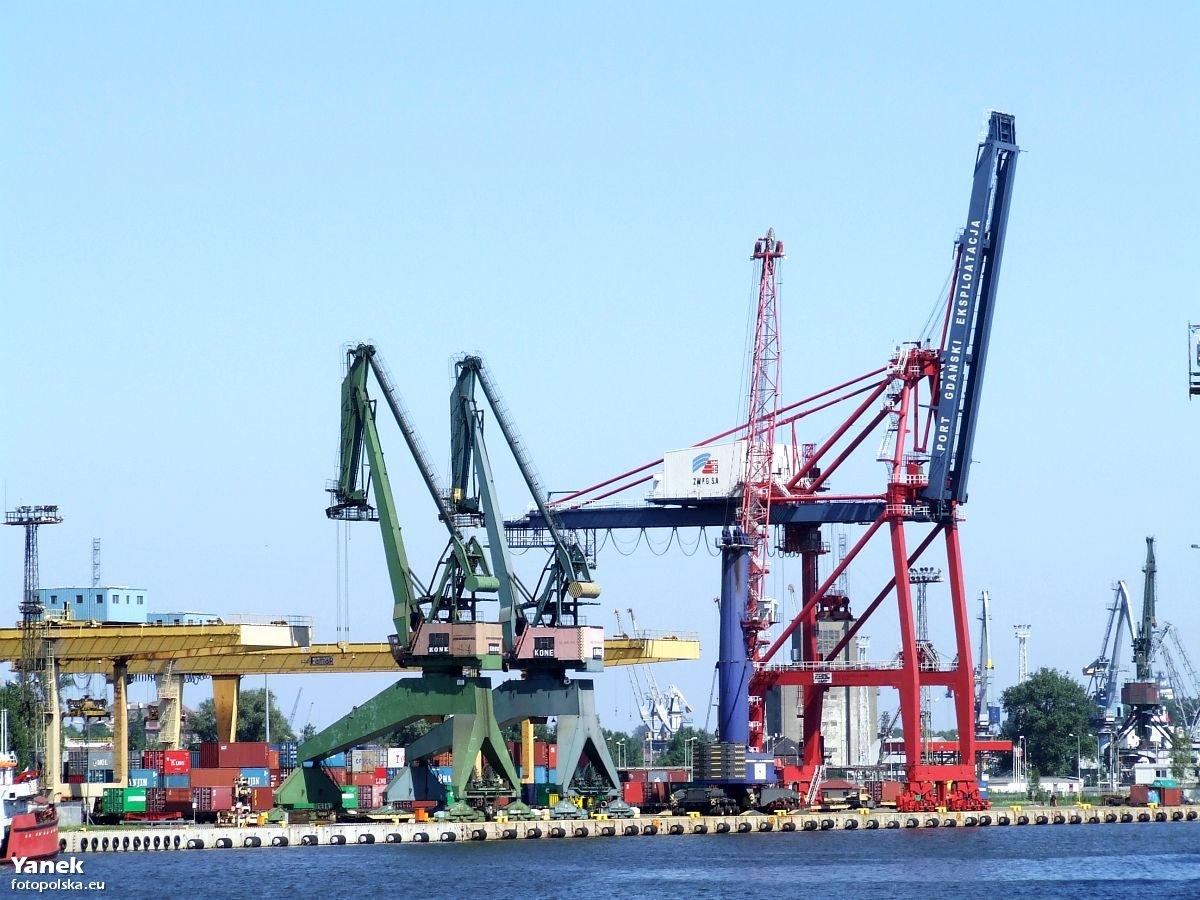
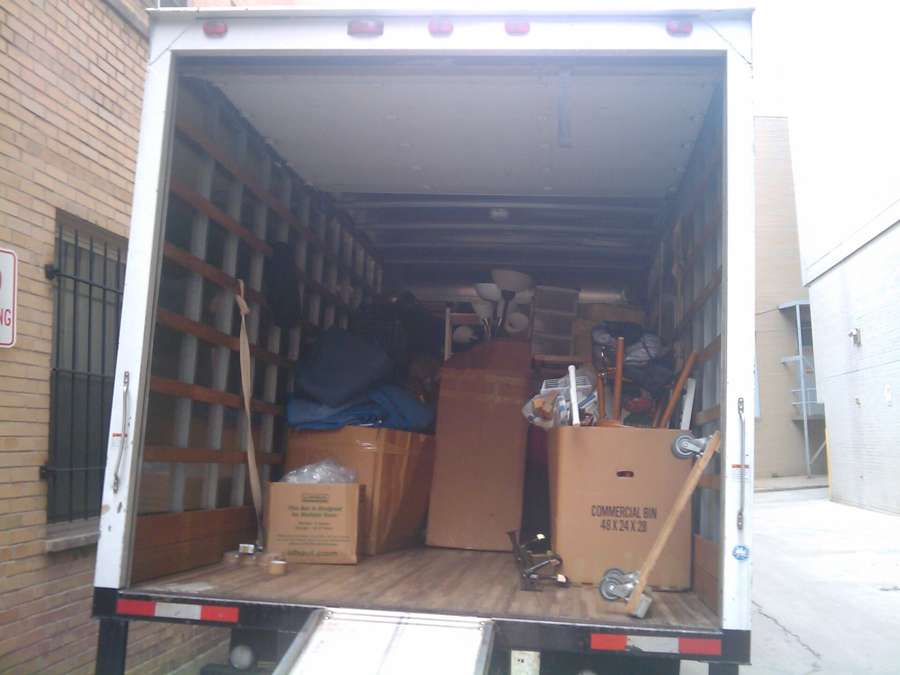
Cover: a loaded removal truck - photo by brownpau, CC BY 2.0, via Wikimedia Commons. Body: container cranes at the Port of Gdańsk - photo by Yanek, CC BY-SA 3.0, via Wikimedia Commons.
Frequently asked questions
I am moving from Germany. Do I need any of this?
No. Moves between EU member states are inside the customs union: no import duty, no customs declaration for your personal belongings, no mienie przesiedlenia procedure. The relief matters only when your previous residence was outside the EU.
Does the relief cover things I bought recently for the move?
Generally no. Goods must have been in your possession and use for at least six months before you left. Consumables are the formal exception to the use requirement, but a container of brand-new furniture is exactly what the six-month rule is designed to catch.
Can I bring my dog and my piano?
Yes to both - pets are explicitly listed as personal property, and a piano is household goods. Normal animal-import rules (microchip, rabies vaccination, health documentation) apply separately to the dog; the customs relief does not replace veterinary requirements.
What happens if I sell a relieved item after eight months?
You owe the waived import duties, calculated at the rate and customs value in force on the day of the sale - and "selling" includes lending, renting out or pawning the item. Notify the customs office before any transfer. After twelve months from release, the restriction ends.
Is duty-free the same as tax-free?
No. The official guidance is explicit: relief from customs duty does not automatically mean relief from VAT or excise. For most household goods in a genuine relocation this stays academic, but for a car the excise duty is a real, separate payment handled before registration.