Mushroom Picking in Poland: Rules, Bans and Safety Tips for Expats
The essentials: In Poland's state forests, mushroom picking for personal needs is free and unlimited, with no permit required. Picking is banned in national parks, reserves and zones marked zakaz wstepu, and private owners may fence off their forests.
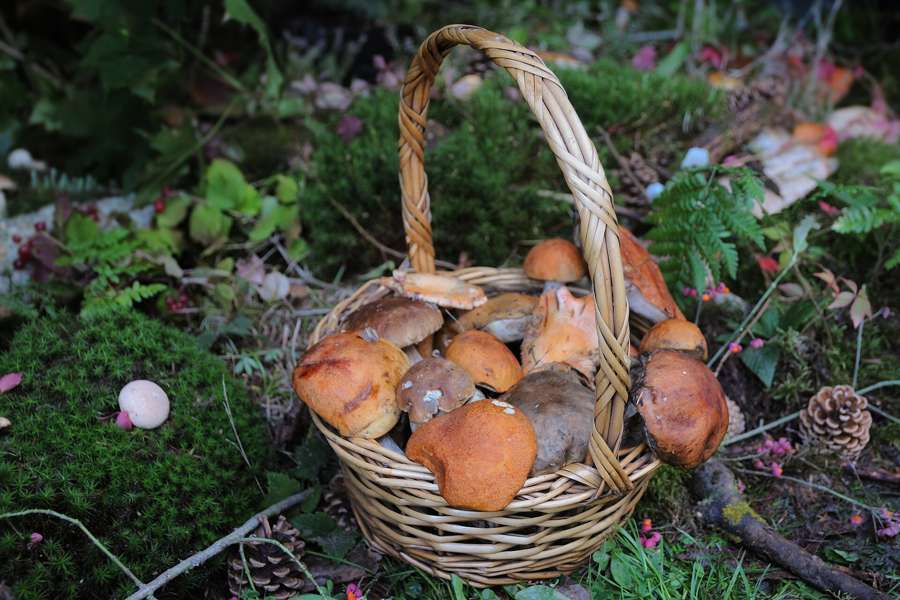
Every autumn, and often as early as July, Polish forests fill with people walking slowly between the trees, eyes down, wicker baskets in hand. Grzybobranie - mushroom picking - is closer to a national ritual than a hobby, and it is one of the cheapest, most pleasant outdoor activities an expat can join. The best part: in most of Poland's state forests it is completely free, with no permit, no quota and no ticket. But there are real rules about where you may and may not go, and one genuinely dangerous mushroom you need to know by sight. This guide covers both.
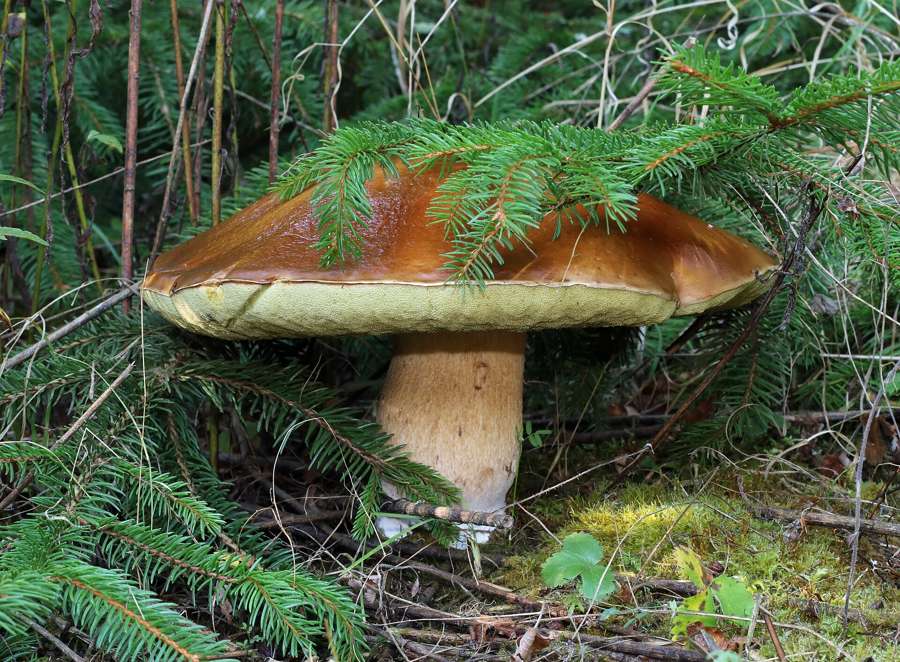
The legal basics: free for personal use in state forests
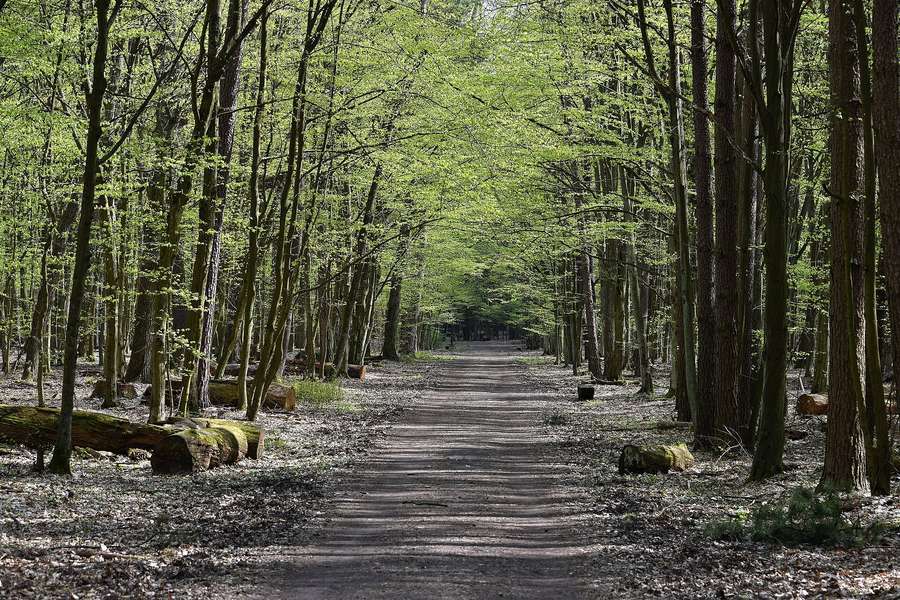
Poland's State Forests (Lasy Państwowe) manage roughly three quarters of the country's woodland, and the default rule is generous: state-owned forests are open to the public, and anyone may collect forest-floor produce - mushrooms, berries, nuts, herbs - free of charge for their own needs. There is no daily weight limit and no licence for personal picking.
The legal basis is the Forest Act (ustawa o lasach). Article 26 states that forests owned by the State Treasury are made available to the public, and Article 27 confirms that state forests are open to the collection of forest-floor produce for personal needs. Industrial-scale picking is different: Article 27(2) requires a contract with the local forest district (nadleśnictwo) if you collect commercially. One more clause worth knowing: Article 28 lets the owner of a private forest ban entry entirely by marking it with an appropriate sign, so an unsigned forest that looks private may still be entered, but a signed one may not.
In practice, State Forests staff confirm the everyday rule plainly on their official FAQ: picking mushrooms in state forests is free and, in principle, unlimited - provided you stay out of the places where entry is banned.
Data source: Forest Act, consolidated text Dz.U. 2026 poz. 663, and Lasy Państwowe FAQ, checked 22 October 2026.
Where you may not go: permanent and periodic entry bans
Free access comes with a clear list of exceptions, all defined in Article 26 of the Forest Act. Entry is permanently banned in:
- young forest cultivations (uprawy leśne) up to 4 metres high;
- experimental plots and seed stands (drzewostany nasienne);
- animal refuges (ostoje zwierząt);
- the headwaters of rivers and streams;
- areas at risk of erosion.
On top of that, the head of the local forest district can impose a periodic ban when stands have been damaged, when fire risk is high, or while forestry work or timber harvesting is under way. Areas under a standing or periodic ban - except young cultivations - must be marked with boards reading "zakaz wstępu" stating the reason and, for periodic bans, the duration. Treat any such sign as absolute, even if the mushrooms behind it look spectacular.
Separate bans come from nature-protection law rather than the Forest Act. Nature reserves and national parks are off limits for mushroom picking altogether, and the rule is enforced: in October 2022 the Mazovian branch of State Forests announced fines of 500 zł for mushroom picking in Warsaw's Las Kabacki reserve alone. Military areas are also excluded. If you are unsure whether a forest is state-owned or which restrictions apply, check the official Bank Danych o Lasach map (mapa.lasy.gov.pl) or the State Forests' trip planner at czaswlas.pl before you go.
Data source: Forest Act Art. 26 and Lasy Państwowe FAQ, checked 22 October 2026; TVP Info, 10 October 2022.
How to pick without wrecking the forest
Polish foragers argue endlessly about whether mushrooms should be cut with a knife or twisted out by hand. The State Forests' own guidance settles it pragmatically: both methods are acceptable, as long as you do not damage the mycelium underground and you cover the spot back with litter. There is one useful exception - gilled species such as the chanterelle-like kurka, zielonka and rydz are better twisted out whole, because the full stem helps identify them correctly.
A few more rules of good practice from the foresters:
- leave very old, large fruit bodies in place - they are the "seed producers" (nasienniki) that spread spores for future seasons;
- never rake or strip the forest floor searching for hidden mushrooms;
- do not destroy poisonous or inedible mushrooms; they are part of the ecosystem and food for animals;
- some mushroom species are under full species protection in Poland and may not be picked at all;
- carry your haul in a wicker basket, not a plastic bag - mushrooms sealed in plastic sweat and spoil quickly, and spoiled mushrooms can develop toxins;
- skip picking near waste dumps and busy roads, because mushrooms accumulate heavy metals from contaminated soil.
Data source: Lasy Państwowe FAQ and "ABC grzybobrania" guidance, 3 September 2021, checked 22 October 2026.
Safety: the one mushroom you must know
Poland records mushroom poisonings every season, and the deadliest culprit is the death cap, known in Polish as muchomor sromotnikowy or muchomor zielonkawy. A single medium-sized fruit body contains a lethal dose of amatoxins, and cooking, drying or freezing does not neutralise them. The death cap is pale greenish-yellow with white gills, grows in deciduous and mixed woodland, and is most often confused with the edible czubajka kania (parasol mushroom) and the gąska zielona (green-cracking russula). The giveaway feature is at the very base of the stem: a sac-like sheath called the volva, plus a ring on the stem. If you cannot see the base clearly because the mushroom was cut, treat it as suspect - this is one more reason to twist rather than cut when you are learning.
In August 2024 the Chief Sanitary Inspectorate issued a public warning after a child poisoned by a death cap required a liver transplant, reminding the public that symptoms can be delayed for hours, sometimes more than ten. The delay is a trap: vomiting and diarrhoea may subside into a deceptive "false recovery" phase while the toxins destroy the liver. If anyone who ate a mushroom meal becomes ill:
- seek medical help immediately - do not wait for symptoms to develop in others;
- everyone who ate the meal should see a doctor, even those who feel fine;
- do not give the casualty milk or alcohol;
- if possible, keep leftovers or photos of the mushrooms to help identification.
Before cooking anything, use the free safety net: county sanitary-epidemiological stations (powiatowe stacje sanitarno-epidemiologiczne) and registered mushroom experts (grzyboznawcy and klasyfikatorzy) will assess your basket at no charge. Beginners should also stick to tube mushrooms (grzyby rurkowe) - boletes such as borowik, podgrzybek and maślak - which have no deadly lookalike in Poland. Health authorities advise against serving wild mushrooms at all to pregnant or breastfeeding women, young children, the elderly and people with digestive disorders.
Data source: Chief Sanitary Inspectorate warning, 6 August 2024, and Lasy Państwowe FAQ, checked 22 October 2026.
Practical tips for a first trip
The season runs from mid-summer to late autumn, and the best time to go is two to four days after rainfall, when the mycelium pushes up fresh fruit bodies. Poles head out early in the morning - popular forests near big cities can be picked clean by midday on a fine October weekend. Around Warsaw, the closest large woodlands - Kampinos National Park and the Las Kabacki reserve - are both no-picking zones, so look instead to state forests a little further out, such as the Puszcza Biała to the north-east, the Bolimowska forest to the south-west or the Kozienicka forest to the south, all within roughly an hour to ninety minutes by car or regional train.
Dress for the undergrowth: long trousers, boots, and a tick check afterwards. Bring a small knife, a brush, water and a fully charged phone, and tell someone where you are going - it is surprisingly easy to lose your bearings when your eyes are on the ground. Park only in marked places; under Article 29 of the Forest Act, motor vehicles in the forest are restricted to public roads and signposted forest roads. And if your first baskets are modest, do not be discouraged - every Polish forager guards their favourite spots like state secrets, and finding your own is half the fun.
Data source: Lasy Państwowe "ABC grzybobrania", 3 September 2021, and Forest Act Art. 29, checked 22 October 2026.
Frequently asked questions
Do I need a permit or licence to pick mushrooms in Poland?
No. In state-owned forests, collecting mushrooms and other forest-floor produce for your own needs is free of charge and requires no permit. Only commercial, industrial-scale picking requires a contract with the local forest district (nadleśnictwo).
Where is mushroom picking banned in Poland?
Picking is banned in national parks, nature reserves and military areas, and in any state-forest zone under a permanent or periodic entry ban: young cultivations up to 4 m, seed stands, experimental plots, animal refuges, river headwaters and erosion-risk areas. Banned zones (except young cultivations) must be marked with "zakaz wstępu" signs. Private forest owners may also ban entry with signage.
Is there a limit on how many mushrooms I can pick?
For personal use in state forests there is no legal weight or volume limit. Pick responsibly: leave old "seed" mushrooms standing, do not damage the mycelium, and never pick species under full species protection.
What should I do if I suspect mushroom poisoning?
See a doctor immediately, even if symptoms seem mild, and make sure everyone who ate the same meal is checked - the death cap's toxins can take many hours to cause symptoms, followed by a deceptive recovery phase. Do not give milk or alcohol, and keep leftover mushrooms or photos for identification. Poland's emergency number is 112.
Where can I have my mushrooms checked for free in Poland?
County sanitary-epidemiological stations (sanepid) assess wild mushrooms free of charge, and registered mushroom experts (grzyboznawcy, klasyfikatorzy) offer identification. When in doubt, throw it out. * Photos: Basket of forest mushrooms by AS Photography from Poland, CC BY 4.0; porcini (Boletus edulis) by George Chernilevsky, CC BY 4.0, both via Wikimedia Commons.