New-Build Defects in Poland: The Handover Protocol and 5-Year Warranty
Short answer: Polish law gives new-build buyers two layers of protection: the developer must acknowledge or reject defects listed in the handover protocol within 14 days and fix acknowledged ones within 30, and the Civil Code warranty (rekojmia) covers real-estate defects found within five years of handover.
Buying a new-build flat or house from a Polish developer comes with two layers of legal protection: the handover procedure in the developer act and the Civil Code warranty, the rękojmia. Both give you firm deadlines to use, not vague promises. This guide lays out what the law says as of 14 October 2026, using the current consolidated texts (Dz.U. 2026 poz. 795 and Dz.U. 2026 poz. 880).
The handover protocol is your foundation
Before ownership transfers, the developer must carry out an acceptance inspection, the odbiór, with you present, once the building has its occupancy permit. A protocol is drawn up, and you can enter every defect you find into it. This document drives everything that follows, so treat the inspection seriously: bring a tape measure, a phone light and a spirit level, photograph everything, and write even small defects into the protocol. Signing a clean protocol does not destroy your later warranty rights, but a detailed protocol makes the developer act's short deadlines work for you.
The 14-day and 30-day clocks
Once the protocol is signed, the developer act sets hard deadlines. Within 14 days the developer must tell you, on paper or another durable medium, whether it acknowledges the defects or refuses, with reasons. If the developer says nothing within those 14 days, the law treats the defects as acknowledged. The developer then has 30 days from the protocol date to remove the acknowledged defects. If removal genuinely cannot be done in that time despite due care, the developer must give a new, justified deadline that does not cause you excessive inconvenience. If the developer misses that deadline, or never sets one, you set a final deadline yourself - and once it passes, you may have the defects fixed at the developer's cost. The same 14-day and 30-day clocks apply, running from your report, to defects you find between the protocol and the final transfer contract.
Essential defects: when you can refuse the keys
If you find an essential defect (wada istotna) during the inspection and the developer refuses to acknowledge it in the protocol, you may refuse the acceptance altogether. The parties then set a new inspection date that lets the developer fix the defect first. If you refuse acceptance again at the repeated inspection, you must back your position with a building expert's opinion, which you request within a month of the refusal. If the expert confirms an essential defect, you may withdraw from the contract and the developer pays for the opinion; if the expert finds none, you pay. An essential defect the developer acknowledged but then failed to fix in time also gives you the right to withdraw.
After you move in: the 5-year rękojmia
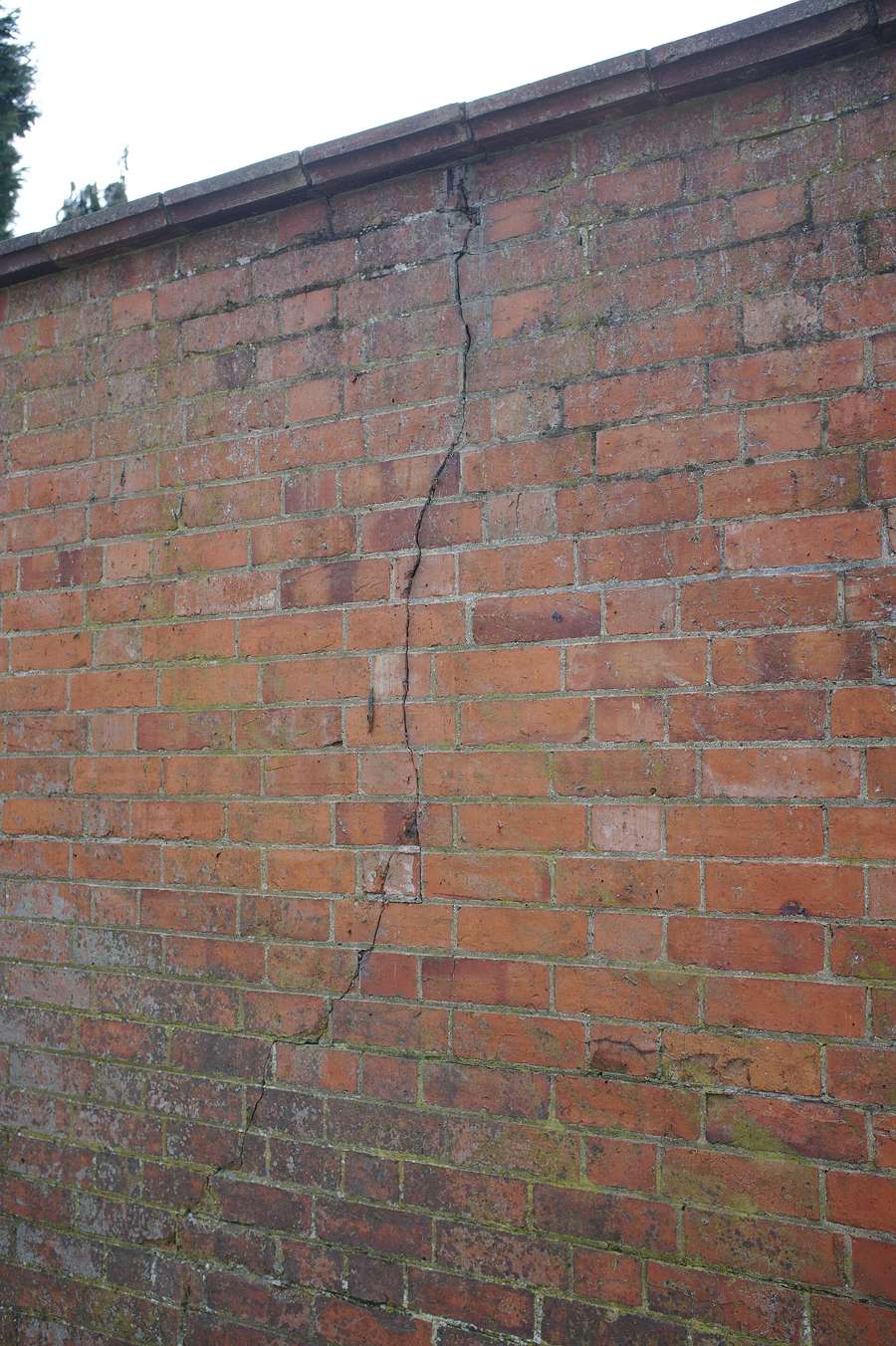
On top of the handover procedure, the Civil Code warranty covers defects of real estate for five years from handover. If a physical defect appears within those five years, you can demand that the developer repair it or replace what is defective, within a reasonable time and without excessive inconvenience to you. If repair or replacement is not done, you can move to a price reduction or withdrawal from the contract, though withdrawal is not available for immaterial defects. Two consumer protections matter here. If a defect shows up within one year of handover, the law presumes it existed at handover, so the developer must prove otherwise. And if you demanded repair, replacement or a price reduction and the developer does not respond within 14 days, your demand is treated as accepted. Your claim for repair or replacement expires one year after you discover the defect, but if you are a consumer it can never expire before the five-year period ends. The developer escapes liability only if you knew about the defect when the flat was handed over.
How to report defects so they count
Put everything in writing and keep dates. List defects in the handover protocol itself, with photos. Report anything found later in writing (email with confirmation or registered letter), describe each defect precisely, and state what you demand: repair within the statutory window. If the 14-day response deadline passes in silence, the defects are deemed acknowledged - note the date. If the developer stalls past the repair deadline, set a final deadline in writing before hiring your own contractor at the developer's cost. Any contract clause less favourable to you than the developer act is void, so a developer cannot contract out of these rules.
Frequently asked questions
### Does this apply to flats bought on the secondary market?
No. The developer act's handover procedure applies to purchases from a developer or another business selling a newly built unit for the first time. On the secondary market the Civil Code rękojmia still applies, but private sellers often exclude it in the notarial deed, which is allowed between non-consumers - check the deed before you sign.
What if the developer ignores my complaint completely?
Silence works in your favour twice. No response to the protocol defects within 14 days means they are deemed acknowledged under the developer act, and no response within 14 days to a consumer's demand for repair, replacement or a price reduction means the demand is deemed accepted under the Civil Code. Keep proof of when you sent each document.
Can I withdraw from the purchase over defects?
Yes, in defined cases: an acknowledged essential defect not removed in time, or an essential defect confirmed by a building expert after a repeated refusal of acceptance, both let you withdraw under the developer act. Under the Civil Code you can withdraw over any non-immaterial defect if the developer fails to repair or replace, though withdrawal is excluded for immaterial defects.